When an animal slips into your attic, crawl space, or walls, the drama does not end when it leaves. The bigger problem often starts afterward. Droppings, urine, nesting material, and chewed insulation can turn a hidden area of your home into a health and odor issue fast. If you care about home design, comfort, and long-term property value, cleanup after wildlife activity deserves just as much attention as repairs and removal.
The Mess Wildlife Leaves Behind Is More Than Cosmetic
A raccoon in the attic or squirrels in the walls can leave behind damage that looks minor at first glance. Then the smell starts creeping into bedrooms, vents, or closets. Stains spread. Insulation compresses. Moisture gets trapped where it should not.
Animal waste can also contain bacteria, fungi, and parasites. According to the Centers for Disease Control and Prevention, contaminated areas may expose you to respiratory irritants and other health risks, especially in enclosed spaces. Even old nesting material can hold dander and debris that circulate through your home.
From a design standpoint, this kind of contamination chips away at everything you want indoors: clean air, stable materials, and spaces that feel comfortable instead of suspiciously musty. A room can look polished and still have a hidden problem overhead.
Why Regular Cleaning Usually Is Not Enough
It is tempting to think you can solve wildlife contamination with bleach, a shop vacuum, and determination. That approach often misses the deeper issue. Surface cleaning rarely handles soaked insulation, contaminated wood, or particles lodged in tight framing and duct-adjacent spaces.
This is where professional wildlife decontamination services become relevant. The job is not just about making a space smell better. It involves removing hazardous waste, sanitizing affected areas, and addressing materials that cannot be safely restored.
You also have to think about access. Attics and crawl spaces are awkward, cramped, and full of places where contamination can hide. A rushed cleanup can stir up more particles than it removes. Home maintenance gets very humbling when the ceiling above you has become a wildlife crash pad.
Attics, Crawl Spaces, and Wall Voids Need Different Responses
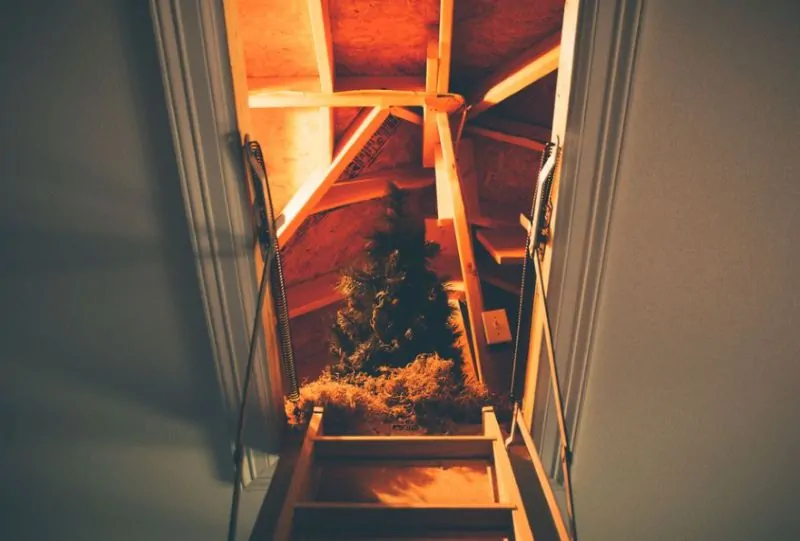
Not every contaminated area should be treated the same way. Attics often suffer the worst visible damage because animals nest there, trample insulation, and leave concentrated waste in one zone. In those cases, cleanup may include removing insulation, disinfecting surfaces, and checking ventilation paths.
Crawl spaces are a different beast. Moisture already tends to linger there, so waste and nesting debris can break down faster and create stronger odors. That damp environment can support mold growth too, which complicates the cleanup.
Wall voids are trickier because the damage can stay hidden for months. You may only notice scratching stopped, but faint odors remain. If an animal nested or died inside a wall cavity, cleanup might require selective opening and repair.
The layout of your home matters. Good cleanup follows the contamination pattern, not a one-size-fits-all checklist.
Odor Control Matters for Comfort and Resale
You can repaint a room, upgrade hardware, and install stylish lighting, but lingering animal odor has a way of winning every argument. Smell travels. It seeps into soft materials and can move through air pathways you barely think about during daily life.
That matters if you are planning to sell, refinance, or rent out your property. Buyers and inspectors often notice odor before they notice visual flaws. Once they connect that smell to wildlife, they may start wondering about insulation damage, sanitation, and hidden repairs.
Even if you are staying put, comfort takes a hit. A guest room under a contaminated attic may smell stale no matter how often you clean. HVAC use can make the problem more obvious.
Effective odor control usually depends on full removal of the source, not masking sprays or scented fixes. Air freshener over wildlife residue is not a design choice. It is denial with a fragrance note.
Decontamination Protects Materials You Cannot Easily See
Wildlife contamination can shorten the life of building materials. Urine can soak into insulation and wood sheathing. Droppings can pile up over drywall seams and ceiling joists. Nesting debris may block airflow or create damp pockets that weaken nearby materials.
Over time, that can lead to staining, odor retention, and even structural wear in neglected areas. The Environmental Protection Agency has long emphasized that indoor environmental quality affects both health and building performance. Hidden contamination fits squarely into that conversation.
If you care about preserving your home, cleanup is part of that strategy. It protects more than appearance. It supports:
– Indoor air quality
– Insulation performance
– Moisture control
– Pest prevention
– Long-term repair costs
Design is not only what you can photograph. It is also what keeps the house working properly behind the walls and above the ceiling line.
What a Thorough Cleanup Plan Should Include
A proper post-wildlife cleanup starts with a close inspection, not guesswork. You need to know where the contamination is, how severe it became, and whether any materials should be removed instead of cleaned.
A strong cleanup plan often includes:
– Removal of droppings, nesting material, and contaminated debris
– Safe disposal methods
– Surface sanitizing and deodorizing
– Insulation replacement when needed
– Identification of entry points and damaged areas
– Recommendations for repairs and prevention
Documentation can help too, especially if you are dealing with contractors, property managers, or future buyers. Photos and notes create a clearer picture of what was found and corrected.
The sequence matters. Removal should happen before cosmetic upgrades. There is no point installing fresh finishes if contamination is still sitting above them, quietly sabotaging your clean slate.
Prevention and Design Choices Can Reduce Future Problems
Once cleanup is done, prevention becomes the smart next move. Wildlife often enters homes through roof gaps, soffits, vents, chimneys, or foundation openings. If those access points remain open, the problem can return with annoying efficiency.
A few practical design and maintenance choices can help:
– Use sturdy vent covers and chimney caps
– Seal gaps around rooflines and eaves
– Trim branches that touch or overhang the house
– Store food waste securely outdoors
– Inspect attics and crawl spaces seasonally
– Replace damaged insulation and screens promptly
You should also pay attention to sounds and smells instead of waiting for visible damage. Early signs often show up as scratching at night, sudden odor changes, or unexplained stains on ceilings.
A well-designed home is not just attractive. It is resilient. Wildlife cleanup and prevention may not be glamorous, but they support the comfort, cleanliness, and durability that every good home needs.
A Clean Home Includes the Spaces You Rarely See
It is easy to focus on kitchens, paint colors, flooring, and furniture layouts. Those choices matter. Still, the hidden parts of your home affect daily life just as much. If wildlife has been inside, the aftermath deserves serious attention.
Decontamination helps restore air quality, protect materials, reduce odor, and make the home feel fully livable again. It also gives you a clearer baseline for future maintenance and repair decisions.
If you have already handled animal removal, do not stop halfway. The unseen cleanup is often the part that protects your home the longest. A polished interior means a lot more when the attic above it is not holding onto the memory of raccoons like an unwanted time capsule.
About the Author