Feed waste increases costs and attracts rodents. Dirty feed and water also spread illness through a flock. Better feeding depends on equipment placement, refill habits, sanitation, and access for every bird. A well-managed setup keeps feed dry, limits scratching, and gives chickens dependable water throughout the day. These practical measures support flock health without making daily care harder. The following steps make feeding routines cleaner, more efficient, and easier to manage.
Choosing a feeder depends on flock size, refill frequency, and the space inside the coop. A compact unit suits a small backyard group, while a larger capacity reduces interruptions for bigger flocks. A chicken feeder keeps feed contained and limits scratching, spilled grain, and crowding near the feeding area. Selecting suitable equipment also helps keep feed fresher and makes daily checks more predictable.
1. Match Equipment to Flock Size
A feeder should give every bird reasonable access without holding more feed than the flock can consume. Crowding causes pushing, spills, and uneven feeding. Measure the available coop space before choosing equipment, then select a size that suits both the flock and the refill schedule.
Small groups often need compact equipment that fits inside a coop or run. Larger flocks need greater capacity or more than one feeding point. Separate stations reduce crowding and give quieter birds a better chance to eat.
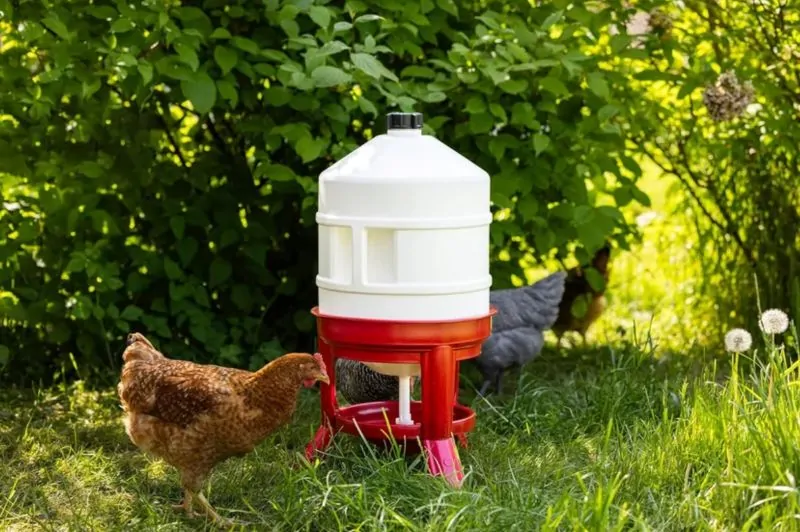
The waterer should match those same practical needs. The collection page lists poultry waterers alongside feeders, including a Poultry Waterer Bucket and a 30L Top-Fill Poultry Drinker. The right choice depends on flock size, shelter, and how often the keeper can refresh the water.
2. Place Feeders Above Ground Level
Ground-level feeders collect bedding, dirt, and droppings quickly. Raising the feeder to the birds’ back height limits contamination and reduces the amount of feed scattered during pecking.
Placement also affects moisture control. Keep feed under cover and away from rain or leaking drinkers. Damp feed clumps together, spoils faster, and becomes harder for birds to eat.
A stable mounting point prevents tipping. Check the feeder after each refill, especially if birds push against it. A level container keeps feed distributed evenly and prevents one side from spilling onto the ground.
3. Control How Birds Reach the Feed
Chickens waste feed when they climb into an open container, scratch beside it, or toss grain while pecking. A feeder with controlled access keeps more feed inside and creates a cleaner bird feeding area.
Fill the container with only the amount the flock will consume before the next inspection. Excess feed remains exposed to moisture, pests, and droppings. Smaller, regular refills often keep feed fresher than one oversized refill.
Inspect the ground below the feeder each day. A small scattering of grain is normal, but repeated piles signal poor placement, excessive filling, or overcrowding. Adjust the height or location before waste becomes routine.
4. Keep Water Clean and Separate
Clean water supports normal eating, digestion, and activity. Place the drinker away from the feeder so spilled grain does not enter the water and create a dirty mixture.
Use a shaded, partially sheltered area to slow algae growth and protect water from rapid temperature changes. Refresh the drinker regularly, then rinse away visible dirt before refilling.
Clean the surrounding surface as well. Mud near the water station can transfer dirt into the container and create slippery footing. Gravel, a firm pad, or another well-drained surface keeps the station easier to maintain.
5. Inspect the Setup Every Day
A brief inspection catches problems before birds lose access to feed or water. Check for blocked openings, cracked containers, loose mounting points, wet feed, and buildup around the drinker.
Watch the flock during feeding time. Birds should approach the equipment without persistent fighting or long waits. Smaller birds that remain at the edge may need another station or a different position.
Record refill patterns for several days. Use the amount consumed to guide future refills instead of relying on guesswork. This habit reduces leftovers and helps identify sudden changes in appetite or water use.
Conclusion
Better chicken feeding starts with a feeder and drinker arrangement that fits the flock, stays clean, and limits unnecessary feed access. Raising equipment, separating water from feed, controlling refill amounts, and watching bird behavior reduce waste through practical adjustments. The next step is to inspect the current setup during the next feeding. Note spilled grain or dirty water, then correct one placement problem before changing anything else. Small adjustments create a cleaner routine that supports healthier birds.
About the Author