Rhymes and verses do far more than entertain listeners at social gatherings. They record human history through personal experiences and deep emotional truths. This artistic expression captures intimate moments that standard history textbooks frequently omit entirely. Literature preserves the private thoughts of regular citizens.
Societies change constantly as new generations alter long-held cultural norms. Written stanzas preserve these shifting values for future generations to examine closely. Creative individuals track these community transformations through expressive language.
Recording Secret History
Official government documents outline major political events and international treaties. Creative writing offers an alternative look at how ordinary citizens experienced those exact moments. Authors captured daily struggles during periods of heavy political oppression.
Artistic pieces function as a unique historical archive. An academic publication explained that rhyming literature preserved the voices of marginalized groups excluded from official historical records. This included working-class individuals, incarcerated groups, and young citizens who left few other records.
These records show the real impact of legal choices on normal families. Readers discover the emotional weight behind major historical turning points instead of just viewing dates. Art successfully turns dry statistics into highly relatable human narratives. Personal accounts provide a deeper understanding of historical events.
Sparking Community Action
Words possess the unique power to alter public opinion during tense historical eras. Activists frequently turned to metered stanzas to spread urgent messages quickly across towns. This smart method allowed controversial ideas to bypass strict government censors.
Public performances helped spread these political messages to illiterate populations. When looking at online resources like Poetry Explained for historical context, researchers discover how rhymes unified divided neighborhoods. These gatherings created shared goals among citizens facing common hardships.
Literary tools shifted how communities viewed their own collective strength. Regular citizens found sudden inspiration to question unfair laws after hearing rhythmic arguments. Performance styles allowed messages to travel much faster than traditional political essays.
Shaping Social Awareness
Poets often highlight specific problems that regional leaders try to ignore. By focusing on individual stories, writers make global crises feel immediate and highly personal. This deliberate focus forces broad audiences to acknowledge systemic flaws. Uncomfortable truths become impossible to avoid when spoken aloud.
A literary organization noted that verse writers played a central role in molding communities and elevating awareness regarding major social struggles. Creative phrasing forced citizens to confront uncomfortable local realities directly. This advocacy altered public perceptions of justice gradually.
Changes in poetic style often mirror shifts in public thinking. Traditional formats gave way to free verse as societal structures became less rigid during the 1900s. Modern structures reflect a growing desire for individual expression.
Giving Voice To Youth
Younger generations lack traditional political power during major cultural movements. They use creative writing to express deep frustration and demand immediate changes from older leaders. This artistic outlet provides a safe space for radical ideas.
An educational study stated that rhythmic performance builds confidence and allows the literal and metaphorical voices of young people to be heard clearly. This active participation helps youth establish their place in society firmly. Sharing these perspectives builds strong communal bonds across neighborhoods.
Schools and community centers utilize these artistic exercises to encourage civic participation among teenagers. Students learn to analyze their surroundings through metaphorical language. Writing empowers individuals to articulate complex cultural identities. This practice gives them the tools to critique local policies effectively.
Changing Traditional Structures
Literary formats evolved alongside class structures over the last 2 centuries. Elite classes preferred rigid sonnets with strict rhyming rules. Working-class writers introduced conversational speech patterns into their compositions to reflect reality.
This stylistic shift democratized literature across different neighborhoods. Writers rejected formal constraints to match the fast pace of urban industrial life. New methods allowed for raw emotional honesty.
Several elements influenced how these structural formats shifted:
- Broad changes in factory working hours
- Rising literacy rates among urban families
- Greater access to cheap printing presses
These specific factors helped spread non-traditional literature to wider audiences.
Resisting Political Oppression
Totalitarian regimes recognize the inherent danger of independent creative thought. Leaders often ban specific books or imprison creators who speak against state actions. Extreme censorship proves that rhymes possess measurable political influence.
Underground networks distributed and copied stanzas during major conflicts. Citizens memorized short verses to share news without leaving paper trails. This silent resistance maintained community morale during dark periods of history. People relied on these hidden networks to maintain hope.
Poetic symbols allowed writers to hide subversive messages in plain sight. Readers understood the hidden meanings behind references to nature or ancient mythology. This subversion kept the desire for freedom alive.
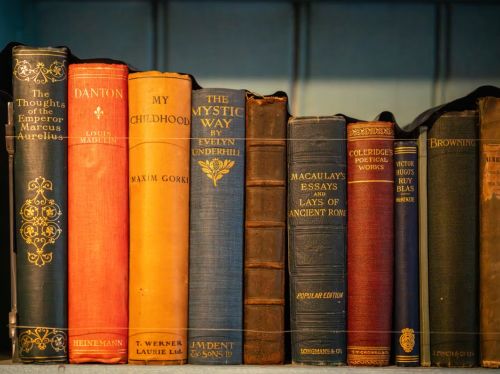
Historical poetry provides a clear window into past cultural transformations. By reading these creative records, modern citizens understand the emotional reality of previous social struggles.
Artistic expression will continue to adapt alongside human communities. Future writers will use verse to document upcoming cultural shifts and challenge existing structures.
About the Author