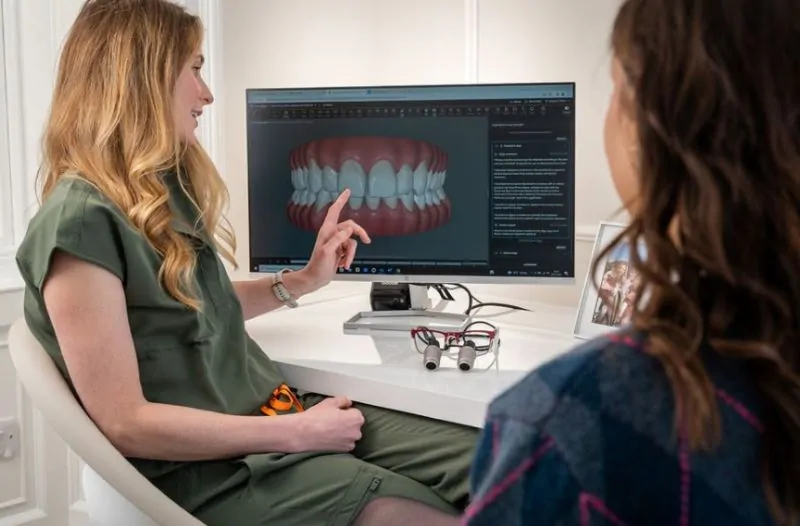
Choosing an orthodontist for your family can feel a bit like picking a teammate for a very long relay race. You want someone skilled, sure, but also someone who makes each visit feel less stressful and more manageable.
For families in Columbus, braces, aligners, and bite correction usually take months or even years, so this decision goes way beyond a nice smile. If you know what to look for, you can find care that fits your child, your schedule, and your budget without turning the process into a dental drama.
Why fit matters
Straight teeth are great, but the right orthodontist should offer more than a before-and-after photo. You want a place where your family feels heard, not hurried. Kids notice tone fast. Adults do too. If the office feels tense, confusing, or rushed, treatment can become harder than it needs to be.
Comfort matters because orthodontic care is ongoing. You’ll probably visit many times, so clear communication and a calm office can make a huge difference. A good orthodontist explains what’s happening in plain language instead of tossing around technical words like confetti.
Reviews, office policies, and treatment style all tell you how a practice actually treats its families day to day. If you want the best orthodontist Columbus Ohio has many professionals ready to assist. Schedule an appointment as soon as possible to see where things stand and discuss treatment options.
Know your treatment needs
Before you choose a provider, it helps to know what kind of orthodontic issue you’re dealing with. Not every family needs the same treatment. One child may have crowded teeth that overlap, while another may have wide spacing, where gaps are the bigger concern.
Bite issues are also common. An overbite means the upper teeth stick out too far. An underbite is the opposite. Crossbites and open bites can affect chewing, speech, and wear on the teeth. These aren’t always obvious unless a professional points them out.
Early treatment can matter for younger children, especially if jaw growth or tooth eruption seems off. That doesn’t always mean braces right away. Sometimes it means watching development and stepping in at the right time. Teens and adults may need braces or clear aligners, depending on their goals, habits, and how complex the case is.
Questions worth asking
A consultation is your chance to ask about the things that actually affect daily life. Don’t worry about sounding picky. This is one of those times when being curious is smart, not annoying. If you leave without clear answers, that’s a clue in itself.
Start with the basics. Ask how long treatment may take and how often appointments usually happen. Some plans are simple. Others need regular adjustments and close monitoring. You should also ask what happens if your child breaks a bracket or loses an aligner. Life happens. Orthodontists know this.
Money questions matter too. Ask for a full cost estimate, what’s included, and whether payment plans are available. It’s also useful to ask how treatment affects school, sports, eating, and brushing. If your kid plays trumpet or chews ice like it’s a hobby, mention that. Small details can shape the best treatment choice.
Watch the office experience
Your first visit tells you a lot, even before anyone talks about X-rays or aligners. Notice how the staff greets people. Are they patient and organized, or does the front desk feel like a game show with missing paperwork? A smooth check-in process often reflects how the office runs overall.
Pay attention to how the orthodontist explains treatment. Do they speak in a way you can understand? Do they answer your child directly when appropriate, instead of talking around them? That matters. Kids often do better when they feel included instead of treated like luggage.
Look around the office, too. Clean spaces, clear systems, and calm interactions can signal a well-managed practice. Notice whether current patients seem comfortable. Nobody expects a spa day at the orthodontist, but people shouldn’t look confused or miserable either. A supportive environment can make repeat visits feel normal instead of nerve-racking.
Compare options carefully
It’s smart to compare a few orthodontists before deciding. Convenience matters because treatment involves repeat visits, and a long drive can get old fast. Technology matters too, especially for imaging, treatment planning, and options like clear aligners. Still, the fanciest gadget in the room doesn’t automatically mean the best care.
Reputation is worth checking, but read reviews with a little common sense. A few complaints aren’t unusual. What matters is the pattern. Do people mention clear explanations, good results, and respectful staff? Or do they keep bringing up billing confusion and rushed appointments?
Budget matters, and there’s no prize for pretending otherwise. Compare what each office includes in the total fee, how insurance is handled, and whether retainers or follow-up visits cost extra. Then trust your own reaction after the consultation. If one office looks great on paper but feels off in person, that feeling may be worth listening to.
Think beyond the first visit
Orthodontic treatment is a long game, so the first appointment is only part of the story. You also need to know how the office handles follow-up care. Are appointment times flexible enough for school and work? Can you reach someone easily if a wire pokes, a bracket pops off, or an aligner disappears into the land of lost lunchboxes?
Clear communication matters more over time than many families expect. Treatment plans sometimes change. Teeth can move slower or faster than predicted. A good orthodontic team explains those changes, updates expectations, and helps you stay on track without making you feel silly for asking questions.
The best choice usually comes down to a mix of trust, practicality, and comfort. Pick the orthodontist who fits your family’s needs, not just the one with the flashiest website or shortest sales pitch. If the office feels supportive, the plan makes sense, and your questions get real answers, you’ll be much more confident moving forward.
About the Author