Off-grid camping offers quiet, freedom, and a true break from daily routines, but comfort takes planning when you are far from developed campgrounds and services. The goal is not to bring endless gear. It is to make practical choices before you leave so your campsite feels functional, restful, and easy to live in.
A comfortable trip usually comes down to a few basics done well: choosing reliable shelter, selecting a smart campsite, packing for good sleep and daily ease, planning simple meals, preparing for changing weather, building an organized routine, and making departure less stressful. When those elements are handled ahead of time, off-grid camping becomes less about enduring inconvenience and more about enjoying time outdoors.
Start with shelter
Your shelter shapes nearly every part of the trip. It affects sleep, storage, weather protection, and how relaxed camp feels when conditions are less than perfect. A tent that is cramped, damp, or hard to set up can make even a beautiful location frustrating.
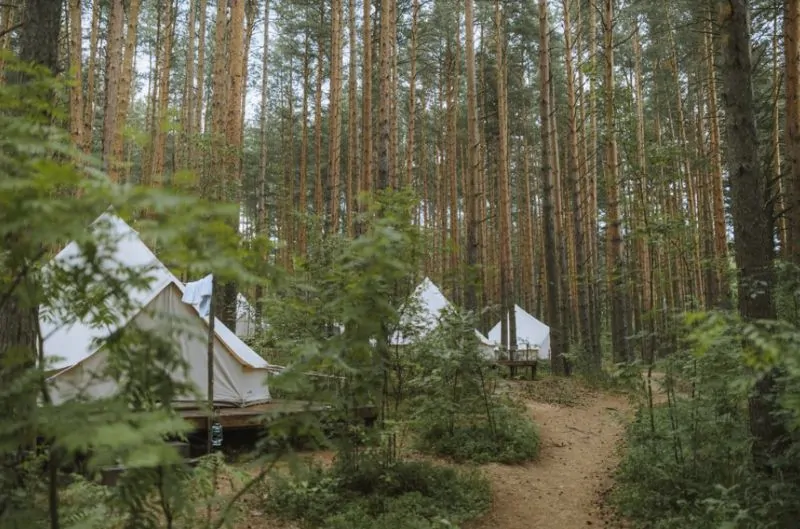
For anything beyond a quick overnight stay, it helps to think of shelter as your basecamp rather than just a place to crash. If you want something more durable and spacious than a minimalist backpacking tent, you may want to look at the options available at the Wall Tent Shop. A dependable shelter gives you room to sleep comfortably, protect gear from moisture, and wait out bad weather without feeling confined.
If you are new to off-grid camping, do not assume the smallest or trendiest setup is best. Choose a shelter you can pitch confidently and one that gives you enough room to move around, change clothes, and keep your sleeping area organized. In most cases, comfort starts with space, simplicity, and reliable protection from the elements.
Pick the right spot
Even the best shelter will feel uncomfortable if the campsite itself is poorly chosen. A smart site improves sleep, cooking, and downtime, while a bad one creates problems from the moment you set it up.
Start with level ground. A slight slope can lead to an entire night of sliding downhill. Also, check drainage. If rain is possible, avoid low areas where water could collect and turn the ground muddy.
Wind protection matters as well. Trees, rock formations, and the natural shape of the land can reduce gusts and make camp noticeably calmer. Water access is convenient, but camping too close to a stream or lake often means more bugs, more moisture, and more animal traffic.
In warm weather, shade can keep camp cooler during the day. Privacy also helps the site feel more restful. The best campsites usually balance flat ground, dryness, shelter from wind, reasonable access to water, and enough space to relax.
Pack for real comfort
Many packing lists focus on survival, but comfort is what determines whether you actually enjoy the trip. The first priority is sleep, because everything else feels harder when you are tired.
Bring a sleeping bag suited to expected temperatures and pair it with a sleeping pad or cot that offers real support. If you sleep better with a proper pillow at home, bring one. Saving space by cutting corners on sleep often leads to an uncomfortable next day.
Lighting is another overlooked factor. A headlamp is essential for tasks, but a lantern creates a softer, more welcoming camp after dark. It makes cooking, organizing gear, and relaxing much easier than using a narrow beam alone.
Seating matters too. A folding chair or camp seat with back support can make a big difference during meals and quiet evenings. Clothing should be packed in layers rather than relying on one heavy item. Bring a warm layer, a rain layer, extra socks, and a separate set of dry clothes for sleeping.
Organization also adds comfort. Use bins, stuff sacks, or simple storage systems so gear does not become one large pile. Small personal items can improve morale more than people expect, such as a favorite mug, a towel, wipes, or a book for the evening.
Plan easy camp meals
Camp food does not need to be elaborate to be satisfying. The most useful meals are filling, easy to prepare, and simple to clean up. A little prep at home makes a major difference once you are at camp.
Chop vegetables before the trip, marinate meat in advance, and combine dry ingredients for meals like pancakes or oatmeal kits. The less work required at camp, the more time you have to relax.
Choose ingredients that work across multiple meals. Tortillas, eggs, potatoes, rice, beans, cheese, cooked chicken, and sturdy vegetables can become breakfasts, lunches, or one-pan dinners. This creates variety without overpacking.
Storage is just as important as meal planning. Keep food in coolers, sealed bins, or bear-safe containers where required. Make cleanup manageable with one-pot meals, paper towels, biodegradable soap, and a simple wash setup. And do not underestimate comfort foods. A hot drink in the morning, whether coffee, tea, or cocoa, can make camp feel instantly more inviting.
Prepare for the weather
Weather can change quickly even when the forecast looks ideal. Staying comfortable means preparing for conditions that are worse than expected.
Check the forecast before leaving, but still pack extra layers and a few backup supplies. Bring additional blankets for cold nights and keep sleep clothes separate so they stay dry. Going to bed in damp clothing is one of the fastest ways to become cold and uncomfortable.
A tarp is one of the most versatile items you can bring. It can provide shade, create a dry cooking area, protect gear, or block rain. Wind can also make mild temperatures feel much colder, so pack a hat, layered clothing, and outerwear that cuts the breeze.
If rain arrives, small habits help a lot. Shake off wet gear before bringing it into the shelter, keep muddy shoes in one spot, and hang damp clothing as soon as possible. Staying dry is one of the biggest keys to staying warm.
Create a cozy routine
Comfort is not only about gear. It also comes from how camp functions day to day. A simple routine can make the site feel calm instead of chaotic.
If possible, divide the camp into zones. Keep sleeping items in one area, cooking gear in another, and dirty shoes or wet items near the entrance. This helps you find things quickly and prevents the shelter from becoming cluttered.
About the Author