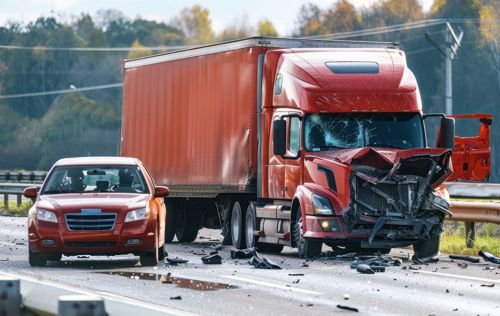
Nevada’s highways serve as major commercial routes linking the Southwest with distribution centers, tourist destinations, and growing urban developments across the region. Heavy truck traffic moves constantly through areas like Las Vegas, where crowded interstates, long-haul schedules, and large freight operations can increase the risk of severe collisions involving multiple businesses and insurance carriers. Unlike a typical passenger vehicle accident, a truck crash often raises questions that extend far beyond the driver’s actions alone. Trucking companies, cargo loaders, maintenance contractors, equipment manufacturers, and trailer owners may all share responsibility, depending on how the collision occurred and whether safety failures contributed to it.
Sorting through those overlapping duties requires detailed investigation, technical evidence, and careful review of contracts, records, and insurance policies before critical information disappears. Many injured families turn to Spanish speaking truck accident lawyers at Centro Legal Hispano when they need to understand how multi-party liability works and how different companies may be held accountable after a serious Nevada truck accident.
Why Several Parties Matter
Serious truck wrecks often result in surgery, rehabilitation, lost income, and long recovery periods. During that strain, families can seek clarity about why these cases can involve carriers, owners, freight handlers, and maintenance providers, rather than just one party.
Common Defendants
A trucking company can be held liable for poor screening, weak supervision, or unrealistic delivery pressure. Separate ownership also matters when the tractor, trailer, or both belong to another business. Cargo firms may share fault if freight shifts the weight distribution. Repair vendors can enter the dispute if worn brakes, failed lights, or damaged tires were missed.
Employer Liability
State rules often allow recovery from an employer when a worker causes injury during assigned duties. That principle carries real force in trucking because carriers control schedules, route demands, monitoring, and safety expectations. If the driver was working at the time of impact, the business may be held liable for the harm. Claim value can increase because corporate coverage is often broader than an individual operator’s personal policy limits.
Contractor Labels
Some carriers argue that the driver was an independent contractor, which may seem important at first glance. Courts usually look deeper at dispatch control, payment structure, equipment rules, trip assignments, and daily oversight. A business that directs conduct in practical ways may still bear responsibility.
Cargo And Maintenance
Improper loading can make a trailer sway, jackknife, or spill freight into traffic. Mechanical neglect creates similar danger when brake systems fail, tires rupture, or steering parts give way at highway speed. Those facts may bring warehouse contractors, loading crews, mechanics, or parts makers into the case. Weight tickets, inspection sheets, and service logs often reveal whether preventable conduct contributed to the collision.
Various Types of Evidence
Multi-party claims rise or fall on disciplined proof gathering. Lawyers often seek driver logs, dispatch texts, onboard data, camera footage, maintenance files, and shipping records. Police reports help frame the event. Witness accounts can clarify timing, lane position, and vehicle movement. Taken together, those materials show how decisions made well before impact may have set the crash sequence in motion.
Multiple Insurance Policies
Several defendants can also mean several insurance policies. That point matters because truck injuries often involve intensive care, orthopedic repair, months of therapy, permanent impairment, or wrongful death losses. One policy may cover the tractor, another the trailer, and another the shipper or contractor. Strong claims review every available layer before settlement talks begin. Without that work, injured people may accept too little in the future for treatment or household support.
Shared Fault Questions
Shared fault rules can reduce recovery in many states. That is why defense teams often try to divide blame across everyone involved, including the injured person. They may argue that sudden braking, unsafe lane movement, distraction, or reduced visibility reduced the carrier’s share of responsibility. A focused claim tests those arguments against scene evidence, timing data, and vehicle damage patterns.
Settlement Pressure
More parties usually bring more finger-pointing, slower communication, and separate settlement strategies. One insurer may wait for another to move first, while a shipper denies control and a carrier blames a repair vendor. That friction can delay progress, yet strong evidence changes the tone. Clear proof of fault, bodily injury, and policy limits helps each participant realistically weigh risk during negotiations.
Conclusion
Truck accident claims address multi-party liability by following the evidence far beyond the driver’s conduct. That method protects injured people from narrow defenses and incomplete insurance offers after severe physical harm. When employers, owners, freight handlers, mechanics, or manufacturers are involved, each should face careful review. A thorough case strategy builds a fuller picture of fault, strengthens settlement discussions, and improves the chance of securing complete financial recovery.
About the Author