Boston moves at a fast pace, from crowded sidewalks near historic districts to busy office towers, apartment buildings, universities, and storefronts that see constant public traffic. With so many people entering and leaving commercial and residential properties across the city, unsafe conditions can quickly lead to serious injuries that disrupt work, finances, and daily routines. Property liability claims in Boston often involve more than a simple accident report. Questions about maintenance, inspection practices, lighting, repairs, and responsibility for shared spaces can all affect whether an injured person has a strong legal case.
Lawyers handling these matters usually begin by examining how long a hazard existed, who controlled the property, and whether reasonable steps were taken to protect visitors before someone was harmed. Many injured residents turn to a premise liability lawyer at Earley Law Group when they need guidance gathering evidence, preserving records, and understanding whether negligence may have contributed to the incident.
Duty of Care
The first question concerns lawful presence on the property. Owners, landlords, business operators, and tenants often owe visitors a duty to maintain reasonably safe conditions. That responsibility may involve routine inspections, timely repairs, adequate lighting, prompt cleanup, or visible warnings. If the injured person was invited onto the site, the claim is usually stronger. From there, the review turns to whether that obligation was neglected before the incident occurred.
Notice of the Hazard
Notice often shapes the outcome of these cases. Lawyers search for proof that a property owner knew, or reasonably should have known, about the unsafe condition before anyone was hurt. In that review, a premises liability lawyer may examine complaints, inspection notes, or staff reports documenting a spill, a loose handrail, or a cracked tile that remained untreated long enough to warrant corrective action. That timeline can carry real weight.
Condition of the Scene
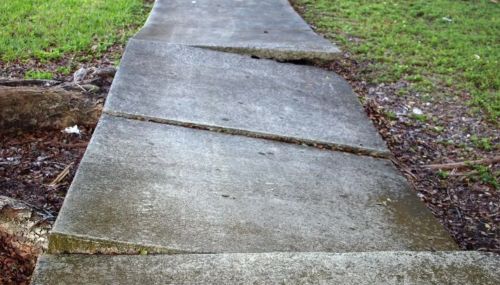
Physical evidence often speaks more clearly than memory. Attorneys study photographs, surveillance footage, incident reports, and maintenance records to identify the exact condition that caused the injury. Slippery floors, uneven pavement, broken stairs, missing handrails, and dim lighting appear often in these claims. One basic issue guides the review. Was there a hazard that a reasonably careful owner would have repaired, blocked off, or clearly marked before someone got hurt?
Causation
A dangerous condition by itself does not establish a valid claim. Counsel must connect that condition directly to the injury. If a person slipped, records should show where the fall occurred and how the body struck the surface. Emergency notes, witness statements, and video can strengthen that link. Defense lawyers often argue that pain came from a prior medical issue, so timelines receive close attention during case evaluation.
Medical Documentation
Medical proof often determines case value. Attorneys review emergency department notes, imaging studies, prescriptions, treatment plans, physical therapy records, and follow-up visits. Those materials help show severity, duration, and functional impact. Consistent care also supports credibility. Long gaps in treatment may allow insurers to argue that symptoms were mild or unrelated. Clear records help tie pain, restricted movement, sleep disruption, and future care needs to the incident.
Shared Fault
Property claims often involve blame shifting. Owners may argue that the visitor ignored an obvious hazard, wore unsafe shoes, or failed to watch the walking surface. Lawyers test those claims against photographs, witness accounts, and local law. In states that use comparative fault rules, partial responsibility may reduce damages rather than eliminate recovery. As a result, the injured person’s conduct becomes an important part of the overall legal analysis.
Control of the Property
Liability does not always rest with one person or company. A lawyer identifies who owned the site, who leased it, who handled maintenance, and who controlled the precise area involved. A retail tenant may manage daily cleanup, while the landlord remains responsible for structural defects. Property managers, contractors, and security firms can matter as well. Sorting out control helps direct the claim against the right parties from the start.
Damages Review
Lawyers also evaluate the full scope of loss. Medical bills, lost wages, reduced earning capacity, rehabilitation expenses, and future treatment costs comprise the economic portion of the claim. Pain, limited mobility, disrupted routines, and reduced quality of life may support a claim for non-economic damages. A sound review looks ahead as well as back. If the injury changes future work or medical needs, those projected losses require solid support.
Conclusion
Property liability lawyers evaluate injury claims by building a clear chain from duty to hazard, from hazard to bodily harm, and from harm to financial loss. Each document supports that sequence. Photographs reveal conditions, reports establish timing, and medical records describe the injury with needed precision. Strong cases rarely depend on one dramatic fact. They succeed because careful review turns scattered details into a coherent account of preventable negligence and resulting damage.
About the Author