Maui consistently ranks among the world’s top travel destinations, and the reasons are immediately apparent when you arrive: dramatic volcanic landscapes, world-class beaches, warm water with exceptional visibility, and a laid-back energy that’s genuinely distinct from any mainland experience.
But like any destination with strong appeal, Maui rewards visitors who do a little preparation. Knowing what to prioritize, how to time activities, and where to find the experiences worth seeking out makes the difference between a good trip and an exceptional one.
The Best Side of the Island for Different Experiences
Maui’s geography shapes the experience significantly. The south and west sides — Wailea, Kihei, Lahaina, and Ka’anapali — offer the calmest conditions for beach activities, the most consistent snorkeling water, and the greatest concentration of resort facilities and dining. The north shore (Paia, Haiku) is where kitesurfers and windsurfers converge at Hookipa, and where access to the Road to Hana begins.
Understanding which side of the island aligns with your priorities helps with accommodation decisions that affect logistics throughout the trip. Staying on the west side while wanting to surf the north shore adds daily drive time that adds up over a week.
Snorkeling: Where and When
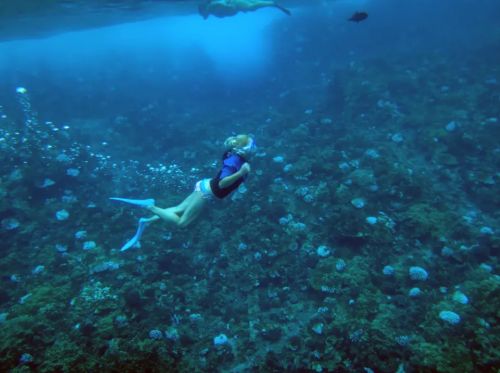
Maui offers some of the finest snorkeling in Hawaii, and first-time visitors are often overwhelmed by the options. Molokini Crater — a partially submerged volcanic caldera offshore — delivers exceptional visibility and diverse marine life in a protected environment. Shore snorkeling options like Honolua Bay, Ahihi-Kinau, and Black Rock are accessible without a boat trip. Booking a guided Maui snorkeling excursion with experienced operators gives first-timers access to the best sites with equipment, guidance, and local knowledge.
Morning is consistently the best time for snorkeling — wind typically picks up in the afternoon, reducing visibility. Arriving at popular shore snorkel sites early also means less competition for parking and fewer people in the water.
The Road to Hana: Managing Expectations
The Road to Hana is one of the most famous drives in Hawaii — and one of the most frequently underwhelming for visitors who don’t approach it correctly. The drive itself is the experience: 620 curves over 52 miles with waterfalls, bamboo forests, lush valleys, and coastal overlooks. Rushing it to reach Hana town — which is modest — misses the point entirely.
Starting early, building in stops, and ideally extending to Ohe’o Gulch (Seven Sacred Pools) beyond Hana transforms it from a traffic-heavy highway experience into the genuine adventure it can be. Consider staying overnight in Hana or Kipahulu to experience it without the reverse commute on the same day.
Sunrise at Haleakala
Watching the sunrise from the summit of Haleakala — above the cloud line at 10,023 feet — is a legitimately extraordinary experience that many visitors cite as the highlight of their trip. The summit is cold (temperatures often in the 30s°F at dawn) and reservations are now required for the summit area during sunrise hours.
Book the reservation well in advance — often weeks or months before your trip — as slots fill quickly. The drive up takes approximately 1.5 hours from most west side accommodations, which means departing around 3 AM for a sunrise arrival. Bring significantly warmer clothing than you’d expect to need for a Hawaii trip.
Practical Tips That Make a Difference
Rent a car. Maui’s public transportation is very limited, and the distances between regions make a rental essential for any traveler who wants flexibility. Book early in peak seasons when rental availability tightens significantly.
Embrace the east Maui timing: most activities on the west and south sides are best in the morning. Afternoons are often windy and cloudy on those sides while the east side (which is lush for exactly that reason) stays pleasant. Building your daily schedule around that pattern — active mornings on the west side, afternoon flexibility — makes for more consistently enjoyable days.
Wrapping Up
Maui delivers on its reputation when you approach it thoughtfully. Prioritizing the experiences that actually define what makes the island special — the water, the landscape, the sunrise — and planning the practical logistics that enable those experiences produces a trip that justifies the journey. First-time visitors who come prepared almost always leave wanting to return.
Frequently Asked Questions
When is the best time to visit Maui?
Maui is appealing year-round, but April through early June and September through November offer the best combination of favorable weather, lower crowds than peak seasons, and more accessible accommodation prices. December through March is peak whale watching season but also peak travel prices and crowds.
Do I need to book activities in advance? For popular activities — sunrise Haleakala, Molokini snorkel tours, luaus, and Road to Hana guided tours — booking well in advance is strongly recommended, particularly during peak travel periods. Walk-up availability exists but is unreliable for the most sought-after experiences.
About the Author