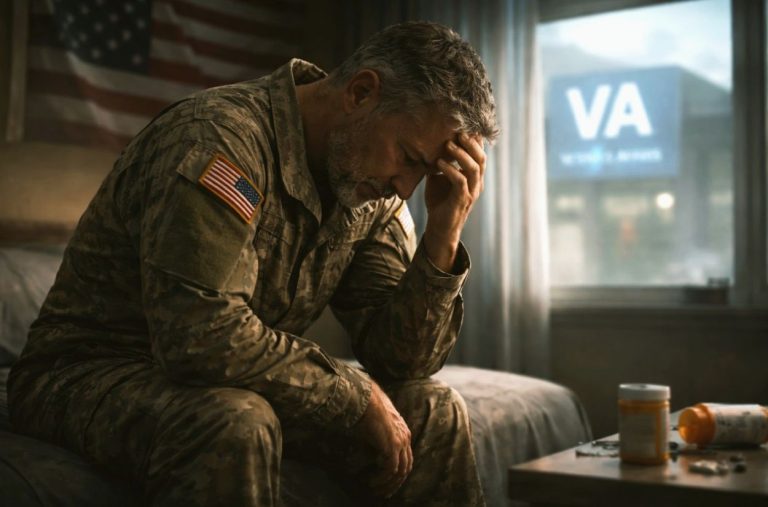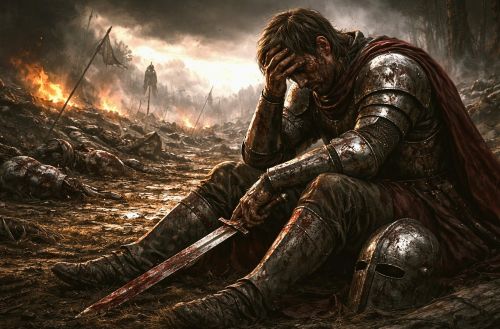
Long before modern psychology, soldiers of medieval and early modern wars endured fear, anxiety, and lasting mental wounds that shaped their lives beyond the battlefield.

By Matthew A. McIntosh
Public Historian
Brewminate
Introduction: The Invisible Wounds of War
Psychological trauma in warfare did not begin in the modern era; it has deep roots in medieval and early modern combat experience. War has long been understood through of visible destruction, measured in wounds, deaths, and material devastation. Yet alongside these tangible costs lies another dimension of suffering that is less easily observed but no less profound. Across historical periods, soldiers have returned from conflict bearing not only physical injuries but also psychological burdens that shape their thoughts, behaviors, and sense of self. The absence of modern diagnostic language in earlier eras has often obscured this reality, leading to the mistaken assumption that psychological trauma is a uniquely modern phenomenon. A closer reading of historical sources, however, reveals that the mental toll of war has been a persistent feature of human conflict.
In the medieval and early modern worlds, psychological distress was filtered through cultural frameworks that emphasized honor, faith, and moral endurance. Chroniclers and participants did not speak of “trauma” in clinical terms, but they nonetheless recorded experiences that align closely with what would now be recognized as symptoms of psychological injury. Accounts from the Crusades describe individuals who survived battle physically intact yet were deeply affected by what they had endured. Similarly, later writers such as Geoffroi de Charny and Bernal Díaz del Castillo documented fear, anxiety, and lingering distress among soldiers, even in moments removed from immediate danger. These testimonies suggest that the psychological consequences of warfare were both recognized and experienced, even if they were not conceptualized in modern terms.
The challenge for historians lies in interpreting these accounts without imposing anachronistic models while still acknowledging the continuity of human experience. To dismiss such evidence on the grounds that it does not conform to modern diagnostic categories risks overlooking important dimensions of the past. Uncritically applying contemporary concepts can obscure the ways in which cultural context shaped the expression and understanding of psychological suffering. A careful approach must balance sensitivity to historical difference with an awareness of enduring patterns in human response to extreme stress and violence. This involves reading sources not only for what they explicitly state but also for how they frame emotional and psychological experience within the moral and intellectual language of their time. It also requires attention to metaphor, narrative emphasis, and silence, as these elements often reveal forms of distress that are not directly named. By engaging with these complexities, historians can avoid both the erasure of psychological suffering and the distortion of historical context, producing interpretations that are both analytically rigorous and historically grounded.
Psychological trauma has been an enduring, though often obscured, aspect of warfare, evident in sources spanning these periods. By examining firsthand accounts and contemporary writings, it becomes possible to trace the presence of what might be termed the “invisible wounds” of war across time. These wounds, while expressed in culturally specific language, reveal a consistent pattern of mental and emotional strain that challenges the notion of trauma as a modern invention. Instead, they point to a deeper continuity in the human experience of war, one that transcends changes in technology, culture, and historical context.
War in the Medieval Mind: Honor, Faith, and Violence

To understand medieval soldiers’ psychological experience, it is necessary to begin with the cultural structures that shaped their perceptions of war. Combat was not viewed simply as a practical necessity or political instrument but as an activity deeply embedded in systems of honor, religious belief, and social identity. For the knightly class, warfare was both a duty and a defining feature of status. The ideals of chivalry emphasized courage, loyalty, and the pursuit of glory, presenting battle as an arena in which personal virtue could be demonstrated and recognized. These expectations were reinforced through literature, social practice, and aristocratic upbringing, creating a powerful cultural script that defined how warriors were expected to think, feel, and behave. Within this framework, the emotional experience of combat was not ignored, but it was shaped by norms that prioritized bravery and self-control, often leaving little space for openly acknowledging fear or psychological strain.
Religious belief further reinforced these ideals, particularly in the context of the Crusades, where warfare was framed as a sacred endeavor. Participants were encouraged to view their actions as part of a divine mission, with spiritual rewards promised for those who fought in the service of the Church. This framing did not eliminate fear or suffering but provided a language through which these experiences could be interpreted. Violence was not merely tolerated but often sanctified, creating a moral framework that both justified and intensified the experience of combat.
Despite these ideological ideals, the lived reality of warfare frequently diverged from its idealized representation. Battles were chaotic, brutal, and unpredictable, exposing participants to extreme danger and sensory overload. The physical conditions of medieval warfare, including close-quarters combat and the constant threat of injury or death, created an environment in which fear was an unavoidable and pervasive presence. The contrast between the expectations of chivalric conduct and the realities of the battlefield could produce a form of cognitive dissonance, as individuals struggled to reconcile their experiences with the ideals they had been taught to uphold.
This tension was not necessarily resolved through open acknowledgment of such distress. Instead, expressions of fear and anxiety were often mediated through accepted cultural forms, such as religious reflection or moral discourse. Individuals might interpret their emotional responses as tests of faith or as evidence of moral struggle, rather than as symptoms of psychological injury. The language available to medieval soldiers shaped not only how they described their experiences but also how they understood them. This interpretive framework could place additional pressure on individuals to conform to ideals of courage and spiritual endurance, potentially intensifying feelings of inadequacy or internal conflict when those ideals proved difficult to maintain. The result was a complex interplay between personal experience and cultural expectation, in which psychological distress was both present and reframed through socially acceptable narratives.
The communal nature of medieval warfare shaped psychological responses. Soldiers fought alongside members of their own social and familial networks, creating bonds that could both support and intensify emotional experiences. Shared hardship and mutual dependence could foster solidarity, but they could also amplify the impact of loss and trauma. The death or injury of companions was not an abstract event but a deeply personal experience, reinforcing the emotional weight of combat.
These factors suggest that the psychological dimension of medieval warfare was deeply embedded in cultural structures and influenced by the lived realities of violence. Honor, faith, and social identity provided frameworks for understanding combat, but they did not eliminate the fear, anxiety, and distress that accompanied it. Instead, they mediated these experiences, shaping the ways in which they were expressed and remembered. Recognizing this interplay between ideology and lived experience is essential for understanding how psychological trauma could exist within a world that lacked the language to describe it in modern terms.
The Crusades and the “Sword of Sorrow”

The Crusades provide some of the earliest narrative evidence of psychological distress among soldiers returning from prolonged and violent conflict. Fought across vast distances and under extreme conditions, these campaigns exposed participants to sustained danger, unfamiliar environments, and repeated encounters with death. Chroniclers of the Third Crusade (1189–1192) recorded observations that suggest an awareness of suffering that extended beyond the physical. Among these descriptions is the evocative image of individuals who, though “unharmed” in body, were nevertheless “pierced by swords of sorrow,” a metaphor that conveys a form of internal injury not visible to the eye.
This language is significant because it reflects an effort to articulate emotional and psychological pain within the conceptual framework available at the time. The metaphor of a “sword of sorrow” draws on familiar imagery of physical violence to describe an experience that could not be easily expressed in literal terms. By framing distress as a kind of wounding, chroniclers implicitly acknowledged that suffering could persist even in the absence of bodily harm. This suggests a recognition, however indirect, that the effects of warfare extended into the inner lives of those who experienced it.
The conditions of crusading warfare explain the emergence of such expressions. Campaigns in the eastern Mediterranean involved long periods of uncertainty, exposure to disease, and the constant threat of ambush or siege. Soldiers were often separated from their homes for years at a time, operating in unfamiliar terrain and under logistical constraints that heightened the stress of daily life. The cumulative effect of these experiences created an environment in which emotional strain was not only likely but unavoidable, even for those who adhered closely to the ideals of chivalry and religious devotion. The psychological toll was compounded by the unpredictability of campaign life, where periods of relative inactivity could be punctuated by sudden and intense violence. These fluctuations created a rhythm of anticipation and shock that could heighten anxiety and leave lasting impressions on those who endured them. In such circumstances, even survival could carry a burden, as individuals were forced to process not only their own experiences but also the loss and suffering of those around them.
The religious framing of the Crusades shaped how such suffering was understood and interpreted. Participants were encouraged to view their hardships as part of a spiritual journey, with suffering often framed as a test of faith or a means of achieving redemption. This perspective provided a way to integrate distress into a broader moral narrative, but it did not eliminate the experience itself. Instead, it offered a language through which individuals could make sense of their condition, even as they continued to grapple with its effects.
Returning crusaders’ accounts further illustrate the persistence of these internal wounds. Chroniclers noted that some individuals, despite having survived the physical dangers of the campaign, were deeply affected by what they had endured. Their behavior and demeanor suggested lingering distress, even in the relative safety of home. While these observations were not framed in clinical terms, they point to a recognition that the impact of war could extend beyond the battlefield, shaping the lives of individuals long after the fighting had ended. The contrast between the expectation of triumphant return and the reality of continued suffering underscores the limitations of prevailing cultural narratives, which often emphasized honor and divine favor while leaving little room to acknowledge enduring psychological strain. The experiences of these individuals reveal a gap between public ideals and private realities, a gap that would remain a defining feature of the historical experience of war.
The “sword of sorrow” can be understood as both a metaphor and a historical insight. It captures the attempt of medieval observers to describe a form of suffering that resisted straightforward explanation, while also providing evidence of the psychological consequences of warfare in the pre-modern world. By attending to such language, historians can uncover traces of emotional and mental strain that might otherwise remain hidden, revealing a continuity in the human experience of war that transcends differences in time and culture.
Knightly Testimony: Geoffroi de Charny and the Psychology of Fear
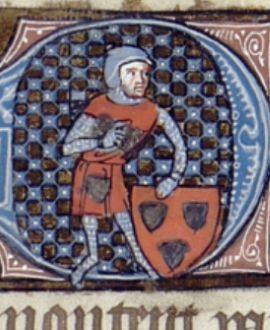
Charny, a fourteenth-century French knight and author of the Book of Chivalry, offers one of the most revealing firsthand perspectives on the psychological experience of medieval warfare. Writing not as a distant observer but as an experienced combatant, Charny addressed an audience of fellow knights, providing guidance on conduct, honor, and the realities of battle. His work is often read as a manual of chivalric ideals, yet embedded within it are candid reflections on fear, anxiety, and the emotional strain associated with combat. These passages provide valuable insight into how psychological distress was understood and expressed within the framework of knightly culture.
Charny’s observations are particularly striking in their acknowledgment that fear was not limited to the inexperienced or untrained. He noted that even seasoned warriors, once removed from immediate danger, could be “beset by great terrors,” suggesting a persistence of fear beyond the battlefield itself. This recognition challenges the idealized image of the fearless knight, revealing instead a more complex reality in which courage coexisted with vulnerability. By situating these experiences within a text intended to instruct and guide, Charny implicitly validated them as part of the broader experience of warfare rather than as signs of personal failure. His language suggests that such fear could emerge unexpectedly, intruding upon moments that should have been secure and stable. This intrusion points to a psychological dynamic in which past experiences of danger continued to shape perception and emotion, even in the absence of immediate threat, underscoring the depth and persistence of combat-related stress.
The context in which Charny wrote is crucial to understanding his testimony. The fourteenth century was marked by prolonged conflict, including the early phases of the Hundred Years’ War, which exposed knights to repeated campaigns and sustained periods of instability. In such an environment, the accumulation of combat experiences could intensify psychological strain, even among those who had developed considerable skill and resilience. Charny’s acknowledgment of fear in moments of safety suggests an awareness of what might now be described as lingering or intrusive recollections of danger, indicating that the effects of combat extended beyond the immediate circumstances of battle.
Charny’s treatment of fear reflects the constraints of the cultural framework in which he operated. While he recognized the persistence of terror, he did not interpret it as a condition requiring treatment or intervention. Instead, such experiences were integrated into a moral and social narrative that emphasized endurance, discipline, and adherence to the ideals of chivalry. Fear was something to be managed rather than eliminated, a challenge to be overcome through strength of character and commitment to one’s duties. This approach provided a means of incorporating psychological distress into the accepted norms of knightly behavior, even as it limited the ways in which such distress could be openly addressed.
Charny’s testimony occupies a significant place in the historical record, offering evidence of psychological experience that is both shaped by and partially resistant to the cultural ideals of its time. His acknowledgment of fear and anxiety, particularly in moments removed from immediate danger, suggests a continuity in the human response to combat that transcends historical context. The way in which these experiences are framed highlights the importance of cultural interpretation in shaping how psychological phenomena are understood and expressed. In this balance between recognition and constraint, Charny’s work provides a valuable lens through which to examine the mental dimensions of medieval warfare.
Fear beyond the Battlefield: Anticipation, Memory, and Embodiment

The psychological impact of warfare did not end when combat ceased. For many soldiers, fear extended beyond the battlefield, persisting in moments of relative safety and shaping their perception of the world around them. This phenomenon is evident in accounts that describe individuals who remained in a heightened state of alertness long after immediate danger had passed. Such responses suggest that the experience of combat produced lasting changes in how individuals processed threat, blurring the boundary between active engagement and post-conflict life.
Anticipation was central to this extended experience of fear. The uncertainty of when and where danger might arise created a constant sense of vigilance, even in periods of inactivity. Soldiers were often required to remain prepared for sudden attack, reinforcing patterns of attention and readiness that could become difficult to relinquish. This anticipatory state was not limited to the battlefield itself but could persist during marches, encampments, and even after returning home. The result was a form of psychological conditioning in which the expectation of danger became a continuous presence.
Memory further contributed to this dynamic, as past violence and threat continued to influence present perceptions of danger. Although medieval sources do not describe memory in modern psychological terms, they provide evidence of its enduring impact. Accounts of recurring fear, intrusive thoughts, and emotional distress suggest that individuals were affected by what they had witnessed and endured in ways that extended beyond conscious reflection. These experiences could resurface unexpectedly, reinforcing the sense that danger was never entirely absent. The persistence of such memories indicates that combat was not simply an event confined to a specific time and place but an experience that could continue to shape perception long after its immediate circumstances had ended. Memory functioned as a bridge between past and present, sustaining emotional responses that might otherwise have diminished.
The embodiment of fear is another key aspect of this phenomenon. Psychological distress was not experienced solely as an abstract or internal state but often manifested physically. Descriptions of sleeplessness, restlessness, and involuntary bodily reactions indicate that the effects of combat were felt throughout the body as well as the mind. In some cases, individuals remained in a state of physical readiness even when no immediate threat was present, suggesting a persistent alignment between bodily response and perceived danger. This physical dimension of fear underscores the extent to which psychological experiences were integrated into the broader functioning of the individual, affecting not only thoughts and emotions but also patterns of behavior and bodily awareness. Such manifestations further complicate any attempt to separate mental and physical aspects of suffering in the historical record.
This integration of anticipation, memory, and bodily response created a complex and enduring experience of fear that could not be easily confined to specific moments or locations. The absence of a clear distinction between past and present threat contributed to a sense of continuous vulnerability, in which the effects of combat extended into everyday life. While cultural frameworks provided ways of interpreting these experiences, they did not eliminate the underlying psychological dynamics.
These patterns reveal that warfare’s effects were not limited to the immediate context of battle but involved a broader and more enduring psychological dimension. Fear became a condition that could persist, evolve, and manifest in multiple forms, reflecting the depth of its influence on those who experienced it. Recognizing this extended dimension of psychological experience is essential for understanding the full human cost of warfare in the medieval and early modern worlds. It also highlights the importance of reading historical sources with attention to the subtle ways in which such experiences are expressed, whether through metaphor, narrative emphasis, or descriptive detail. By doing so, it becomes possible to reconstruct aspects of psychological life that are not explicitly named but are nonetheless clearly present, offering a more complete picture of the enduring effects of war.
The Conquest of Mexico: Bernal Díaz and Early Modern Testimony
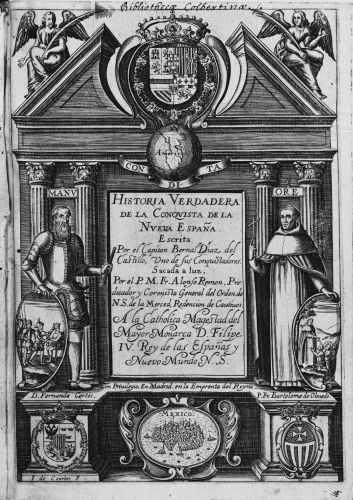
The conquest of Mexico in the early sixteenth century provides one of the most detailed firsthand accounts of soldiers’ psychological distress in the early modern period. Díaz, a veteran of Hernán Cortés’s campaign, offers a narrative that is both descriptive and reflective, capturing not only the events of the conquest but also the emotional states of those who participated in it. Unlike earlier chroniclers who often wrote from a distance, Díaz’s testimony is grounded in personal experience, making it a particularly valuable source for understanding the mental and emotional dimensions of warfare. His account is not structured as a medical or analytical text, yet its richness lies precisely in its immediacy and detail, allowing historians to reconstruct patterns of fear, stress, and behavioral response from within the texture of lived experience. Díaz provides not only a record of conquest but also an unintentional psychological portrait of soldiers operating under sustained and unfamiliar pressures.
Díaz’s account reveals a persistent atmosphere of fear and uncertainty that shaped the daily lives of the soldiers. The campaign was marked by unfamiliar terrain, complex alliances, and the constant possibility of attack, creating conditions in which vigilance became a necessity. Soldiers were often unable to relax even in moments of apparent safety, maintaining a readiness for combat that extended beyond the immediate demands of battle. This environment reinforced a continuous state of alertness, in which the boundary between rest and danger was blurred.
One of the most striking aspects of Díaz’s testimony is his description of soldiers who were unable to sleep in comfort, choosing instead to remain in their armor with weapons at hand. This behavior reflects a level of hypervigilance that suggests a deep-seated anticipation of threat, even when no immediate danger was present. The refusal to disarm or rest fully indicates not only practical caution but also a psychological condition in which the expectation of attack dominated perception and behavior. The physical posture of readiness mirrored an internal state of persistent anxiety. Such practices also suggest that the body itself became a site of adaptation to prolonged stress, as soldiers conditioned themselves to remain perpetually prepared for conflict. The inability to disengage from this state, even during periods of rest, points to a form of psychological carryover in which the rhythms of combat continued to shape behavior long after immediate danger had subsided.
Díaz also records instances of extreme fear prior to battle, including cases in which experienced soldiers exhibited involuntary physical reactions. These responses, which included loss of bodily control, highlight the intensity of emotional stress associated with combat. The fact that such reactions occurred among seasoned participants underscores that familiarity with warfare did not eliminate its psychological impact. Instead, repeated exposure may have intensified certain forms of anxiety, particularly in anticipation of new engagements. These episodes reveal the limits of experience as a buffer against fear, suggesting that the accumulation of past encounters with danger could heighten rather than diminish emotional response. The body’s involuntary reactions serve as a powerful indicator of the depth of psychological strain, offering evidence of distress that could not be easily suppressed or reframed within prevailing cultural expectations.
The early modern context of the conquest introduces additional dimensions to these experiences. Unlike the more structured frameworks of medieval chivalry, the campaign in Mexico involved encounters with unfamiliar cultures, environments, and forms of warfare. This heightened sense of uncertainty may have amplified psychological strain, as soldiers navigated conditions that were not only dangerous but also difficult to interpret within their existing understanding of the world. Díaz’s narrative captures this sense of disorientation, revealing how fear could be shaped by both immediate threats and broader cultural encounters.
Díaz’s testimony provides compelling evidence of the psychological toll of warfare in the early modern period. His detailed observations of fear, sleeplessness, and bodily response offer a window into the lived experience of soldiers operating under conditions of sustained stress. While his account does not employ modern terminology, it nonetheless conveys patterns of behavior and emotion that align with broader understandings of combat-related psychological distress. As such, it serves as a crucial link in tracing the continuity of these experiences across different historical contexts.
Language and Expression: How Trauma Was Described
The absence of modern psychological terminology in medieval and early modern sources does not indicate an absence of psychological stress, but rather a difference in how such experience was articulated. Soldiers and chroniclers lacked concepts such as trauma, stress disorders, or psychological injury, yet they still sought ways to describe the effects of war on the mind and body. Expressions of distress were embedded within the linguistic and cultural frameworks available to them, often taking the form of metaphor, moral reflection, or religious interpretation. These forms of expression provide crucial evidence for understanding how psychological suffering was perceived and communicated in the past.
Metaphor played a particularly important role in this process. The description of crusaders as being “pierced by swords of sorrow” illustrates how emotional pain was conveyed through the language of physical injury. Such imagery allowed writers to translate internal experiences into terms that were more readily understood within a culture accustomed to interpreting bodily harm. By framing psychological distress as a form of wounding, these metaphors bridged the gap between visible and invisible suffering, offering a way to communicate experiences that might otherwise have remained unspoken.
Religious language also served as a key medium for expressing psychological distress. In a worldview where spiritual and physical realities were closely intertwined, emotional suffering could be interpreted as a test of faith, a form of divine punishment, or a path to redemption. This framework provided both meaning and structure to experiences that might otherwise have appeared chaotic or overwhelming. It could obscure the distinct psychological dimensions of these experiences, subsuming them within broader moral or theological narratives. By embedding distress within a spiritual framework, individuals could make sense of their suffering in ways that aligned with prevailing beliefs, but this integration also meant that psychological distress was rarely isolated as a distinct category of concern. Instead, it became part of a larger interpretive system that shaped how individuals understood both themselves and the events they had endured.
Narrative form further shaped how trauma was described and understood. Chroniclers and participants often embedded accounts of fear, anxiety, and distress within larger stories of battle, heroism, and survival. These narratives did not isolate psychological experience as a separate category but integrated it into the flow of events, allowing it to emerge indirectly through description and context. This approach reflects both the limitations of available language and the cultural tendency to prioritize action over introspection in the recording of historical events.
The variability of these expressions highlights the importance of context in interpreting historical sources. The same experience might be described differently depending on the social position, cultural background, and intended audience of the writer. A knight writing within the framework of chivalry might emphasize endurance and moral struggle, while a chronicler might focus on the broader implications of suffering for the community or the course of events. Recognizing these differences is essential for avoiding overly simplistic interpretations of the historical record. It also underscores the need to read such sources with attention to nuance, as meaning is often conveyed through implication, tone, and emphasis rather than explicit description. By situating these accounts within their specific cultural and social contexts, historians can better understand how language both revealed and constrained the expression of psychological reality.
These linguistic and narrative strategies reveal that psychological trauma was both present and perceptible, even in the absence of modern terminology. The ways in which it was described reflect the cultural and intellectual environment of the time, shaping both the expression and interpretation of suffering. By examining these forms of language carefully, historians can recover aspects of psychological impacts that are not explicitly named but are nonetheless clearly embedded in the sources, offering a more nuanced understanding of the human cost of warfare.
Continuity across Time: Comparing Medieval and Modern Trauma
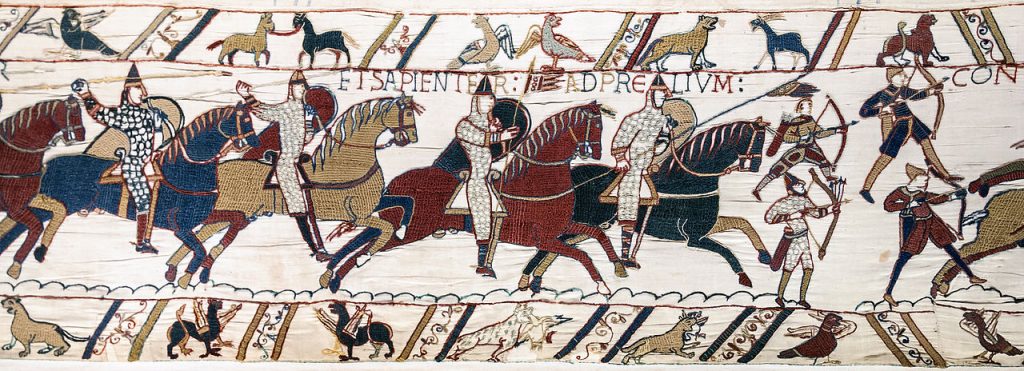
The comparison between medieval and modern experiences of psychological trauma reveals both striking continuities and important differences in interpretation. While contemporary medicine provides a clinical framework for understanding conditions such as post-traumatic stress disorder, the underlying human responses to fear, violence, and prolonged stress are not confined to modernity. Accounts from medieval and early modern sources demonstrate patterns of behavior and emotional response that closely parallel those identified in modern contexts, suggesting that the core experience of trauma has remained consistent even as its interpretation has evolved.
One of the most significant points of continuity lies in the persistence of fear beyond immediate danger. Medieval descriptions of knights beset by terror in moments of safety and soldiers unable to rest after battle mirror modern observations of intrusive memories and heightened vigilance. In both cases, individuals exhibit an inability to disengage from the perception of threat, indicating that the psychological effects of combat extend beyond the temporal boundaries of conflict. This continuity underscores the extent to which human cognitive and emotional systems respond to extreme stress in ways that transcend historical context.
Important differences emerge in how these experiences are understood and addressed. In modern contexts, psychological trauma is recognized as a condition that can be studied, diagnosed, and treated within medical and therapeutic frameworks. By contrast, medieval and early modern societies lacked such structures, relying instead on cultural, religious, and social mechanisms to interpret and manage distress. This difference does not imply a lesser awareness of suffering in the past, but it does highlight the role of institutional and intellectual developments in shaping responses to psychological experience. The emergence of psychiatry, psychology, and clinical medicine in the modern era created new categories through which distress could be classified and addressed, transforming what had previously been diffuse and culturally embedded experiences into identifiable conditions. This shift allowed for new forms of intervention and support, but it also reframed the experience of trauma in ways that emphasized diagnosis and treatment over communal or moral interpretation.
The absence of formal recognition in earlier periods also affected how individuals expressed and coped with trauma. Without a language that identified psychological distress as a distinct category, experiences of fear and anxiety were often integrated into broader narratives of morality, faith, and personal endurance. This integration could provide meaning and support, but it also limited the extent to which such experiences could be isolated and addressed directly. In contrast, modern frameworks allow for a more explicit articulation of psychological injury, enabling forms of intervention that were not available in earlier contexts. This explicit articulation introduces its own set of challenges, as individuals must navigate not only the experience of distress but also the social and institutional implications of diagnosis. The comparison reveals that while modern systems offer tools for understanding and treatment, they also reshape the experience of trauma in ways that are historically specific.
Despite these differences, the comparison reveals a fundamental continuity in the human response to warfare. The recurrence of similar patterns across widely separated historical periods suggests that the psychological impact of combat is rooted in basic aspects of human cognition and emotion. The ways in which these experiences are interpreted may vary, but the experiences themselves exhibit a remarkable consistency, reflecting the enduring nature of the stresses imposed by violent conflict.
Understanding this continuity has important implications for both historical analysis and contemporary perspectives on warfare. It challenges the notion that psychological trauma is a product of modern conditions, instead situating it within a long history of human response to extreme stress. It highlights the importance of cultural and institutional frameworks in shaping how such experiences are understood and addressed. By recognizing both the similarities and differences across time, it becomes possible to develop a more comprehensive understanding of the psychological dimensions of war.
Social Silence and Cultural Expectations

The experience of psychological distress among soldiers in medieval and early modern societies was shaped not only by the realities of combat but also by the cultural expectations that governed how such experiences could be expressed. These societies placed a strong emphasis on ideals such as courage, endurance, and honor, particularly within martial contexts. Open acknowledgment of fear or emotional suffering was often constrained by social norms that valued composure and resilience. This created an environment in which psychological distress, though widely experienced, was frequently left unspoken or expressed only indirectly.
Within the framework of chivalry, for example, knights were expected to embody virtues that left little room for overt displays of vulnerability. While figures such as Charny acknowledged the presence of fear, they did so within a context that emphasized the necessity of overcoming it. Fear was recognized but subordinated to the moral imperative of steadfastness, reinforcing the idea that true nobility lay in the ability to endure hardship without visible collapse. This expectation did not eliminate fear but instead shaped how it could be discussed and managed within the community of warriors.
A similar dynamic can be observed in early modern accounts such as those of Díaz, where descriptions of fear and anxiety are present but often embedded within broader narratives of action and achievement. These narratives tend to emphasize endurance and success, even when they include moments of distress, suggesting that psychological suffering was acknowledged but not foregrounded. The structure of such accounts reflects a cultural preference for framing experience in terms of collective purpose and accomplishment, rather than individual emotional struggle. The inclusion of these moments, even in constrained form, indicates that they could not be entirely excluded from the narrative. Instead, they appear as interruptions or tensions within otherwise celebratory accounts, revealing the limits of cultural expectations in fully containing the realities of lived experience. This tension between expression and suppression offers valuable insight into how individuals negotiated the boundaries of acceptable discourse.
The social silence surrounding psychological distress was further reinforced by the lack of institutional mechanisms for addressing such experiences. Without formal systems of recognition or treatment, individuals had limited avenues for articulating and processing their suffering. Instead, they relied on existing cultural frameworks, including religion and communal identity, to make sense of their experiences. While these frameworks could provide support, they also contributed to the persistence of silence by framing distress in ways that did not encourage explicit discussion of psychological injury.
Despite these constraints, the presence of psychological distress can still be discerned in the historical record, often through indirect or subtle means. The very need to frame fear within acceptable narratives suggests that it was a common and significant aspect of the experience of warfare. By examining these patterns of expression and silence, it becomes possible to understand not only the psychological impact of combat but also the cultural forces that shaped how that impact was perceived and communicated. This interplay between experience and expectation highlights the complexity of interpreting historical accounts of war and underscores the importance of reading such sources with attention to both what is said and what remains unspoken.
Historiography: Interpreting Psychological Trauma in the Past

The study of psychological trauma in premodern contexts presents a complex historiographical challenge, requiring historians to balance sensitivity to historical difference with recognition of enduring human experience. Earlier generations of scholars often avoided interpreting emotional or psychological states in medieval sources, viewing such analysis as speculative or anachronistic. More recent scholarship has increasingly embraced interdisciplinary approaches, drawing on insights from psychology, anthropology, and cultural history to better understand how past societies experienced and expressed distress. This shift reflects a broader willingness to engage with the interior dimensions of historical life, even in the absence of explicit terminology.
One central debate within this historiography concerns the extent to which modern concepts, such as trauma or post-traumatic stress, can be applied to earlier periods. Some scholars caution against imposing contemporary frameworks onto historical sources, arguing that such approaches risk obscuring the distinct cultural meanings that shaped past experiences. Others contend that certain patterns of response to violence and stress are sufficiently consistent across time to justify careful comparison. This tension between caution and comparison lies at the heart of efforts to interpret psychological experience in historical contexts.
A growing body of work has sought to navigate this tension by focusing on the language and structures through which distress was expressed. Rather than attempting to diagnose historical figures, these studies emphasize the importance of understanding how individuals described their experiences within the cultural frameworks available to them. By analyzing metaphor, narrative, and rhetorical form, historians have been able to identify patterns of expression that suggest underlying psychological dynamics, even when those dynamics are not explicitly named. This approach allows for a nuanced interpretation that respects historical specificity while acknowledging the presence of enduring human responses.
Historiographical debates have highlighted the limitations of the available sources. Much of the evidence for psychological experience comes from elite or literate perspectives, such as knights, chroniclers, or soldiers who recorded their experiences in writing. This raises questions about representativeness, as the voices of many participants in warfare remain absent from the historical record. Interpretations must be approached with caution, recognizing both the richness and the constraints of the surviving material.
Despite these challenges, the historiography of psychological trauma in the past has made significant strides in recent decades. By combining careful textual analysis with broader theoretical frameworks, scholars have begun to reconstruct aspects of psychological experience that were once considered inaccessible. This work not only enhances our understanding of medieval and early modern warfare but also contributes to a deeper appreciation of the continuity and complexity of human responses to violence. In doing so, it reinforces the value of interdisciplinary approaches in uncovering dimensions of the past that lie beyond the surface of traditional historical narratives.
Conclusion: The Enduring Psychological Cost of War
Across the medieval and early modern worlds, the psychological consequences of warfare emerge not as anomalies but as recurring features of human experience. From crusaders described as wounded by sorrow to knights grappling with fear beyond the battlefield, and from early modern soldiers unable to rest to those overwhelmed by anticipation before combat, the evidence reveals a consistent pattern. These accounts, though shaped by the cultural and linguistic frameworks of their time, point to an enduring reality: war leaves marks that are not always visible but are deeply felt.
What distinguishes these earlier experiences from modern understandings is not the presence or absence of trauma, but the ways in which it was interpreted and expressed. Without the clinical language available today, individuals relied on metaphor, religious meaning, and social narratives to make sense of their suffering. These frameworks provided structure and, at times, consolation, but they also constrained the articulation of psychological distress. Much of what we now recognize as trauma appears in historical sources only indirectly, requiring careful interpretation to uncover. This indirectness is not a sign of absence but of translation, as experiences were filtered through systems of belief and expression that prioritized moral, spiritual, or communal meaning over individual psychological description. Understanding this process is essential for avoiding anachronism while still recognizing the depth of suffering present in these accounts.
The continuity between past and present highlights the fundamentally human dimensions of warfare. Despite differences in technology, organization, and cultural context, the psychological responses to violence, uncertainty, and prolonged stress remain strikingly similar. This continuity challenges the assumption that trauma is a distinctly modern phenomenon, instead situating it within a long history of human adaptation to extreme conditions. It underscores the importance of historical perspective in understanding how societies have grappled with the mental and emotional costs of conflict.
Recognizing the enduring psychological cost of war invites a broader reflection on both history and the present. By examining how earlier societies experienced and expressed distress, we gain insight into the resilience and vulnerability that define human responses to violence. This perspective not only enriches our understanding of the past but also informs contemporary discussions about the effects of conflict, reminding us that the invisible wounds of conflict are as significant as its physical destruction. In tracing these patterns across time, the historian reveals a continuity of suffering that demands both acknowledgment and understanding.
Bibliography
- Ambroise. The History of the Holy War: Ambroise’s Estoire de la Guerre Sainte. Translated by Marianne Ailes and Malcolm Barber. Woodbridge: Boydell Press, 2003.
- Burke, Peter. What Is Cultural History? Cambridge: Polity Press, 2004.
- Cassidy-Welch, Megan. “Before Trauma: The Crusades, Medieval Memory and Violence.” Continuum 31:5 (2017), 619-627.
- Charny, Geoffroi de. The Book of Chivalry of Geoffroi de Charny: Text, Context, and Translation. Edited by Richard W. Kaeuper and Elspeth Kennedy. Philadelphia: University of Pennsylvania Press, 1996.
- Contamine, Philippe. War in the Middle Ages. Oxford: Blackwell, 1980.
- Díaz del Castillo, Bernal. The True History of the Conquest of New Spain. Translated by Alfred Percival Maudslay. London: The Hakluyt Society, 1910.
- France, John. Western Warfare in the Age of the Crusades, 1000–1300. Ithaca: Cornell University Press, 1999.
- Grossman, Dave. On Killing: The Psychological Cost of Learning to Kill in War and Society. Boston: Little, Brown, 1995.
- Hassig, Ross. Mexico and the Spanish Conquest. Norman: University of Oklahoma Press, 1994.
- Kaeuper, Richard W. Chivalry and Violence in Medieval Europe. Oxford: Oxford University Press, 1999.
- Keegan, John. The Face of Battle. New York: Viking Press, 1976.
- O’Donnell, Karen. “Help for Heroes: PTSD, Warrior Recovery, and the Liturgy.” Journal of Religion and Health 54:6 (2015), 2389-2397.
- Restall, Matthew. Seven Myths of the Spanish Conquest. New York: Oxford University Press, 2003.
- Riley-Smith, Jonathan. The Crusades: A History. 3rd ed. London: Bloomsbury Academic, 2014.
- Shay, Jonathan. Achilles in Vietnam: Combat Trauma and the Undoing of Character. New York: Scribner, 1994.
- Tyerman, Christopher. God’s War: A New History of the Crusades. Cambridge, MA: Belknap Press of Harvard University Press, 2006.
- van Creveld, Martin. Technology and War: From 2000 B.C. to the Present. New York: Free Press, 1989.
- Verbruggen, J. F. The Art of Warfare in Western Europe during the Middle Ages. Amsterdam: North-Holland Publishing, 1977.
Originally published by Brewminate, 03.25.2026, under the terms of a Creative Commons Attribution-NonCommercial-NoDerivatives 4.0 International license.
About the Author