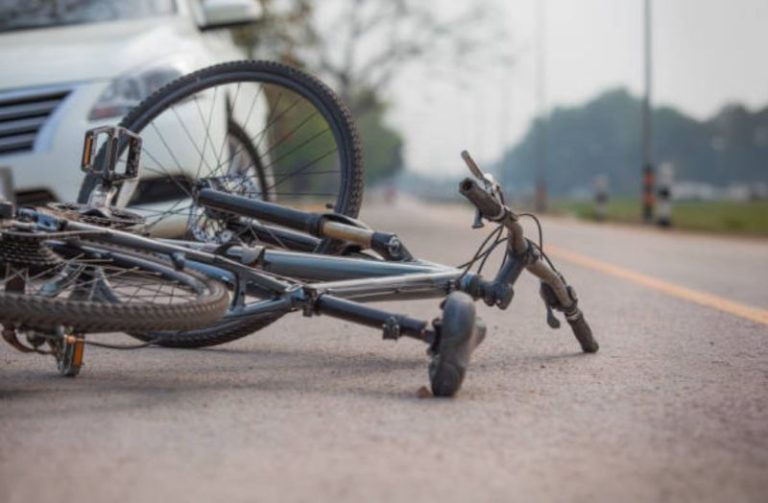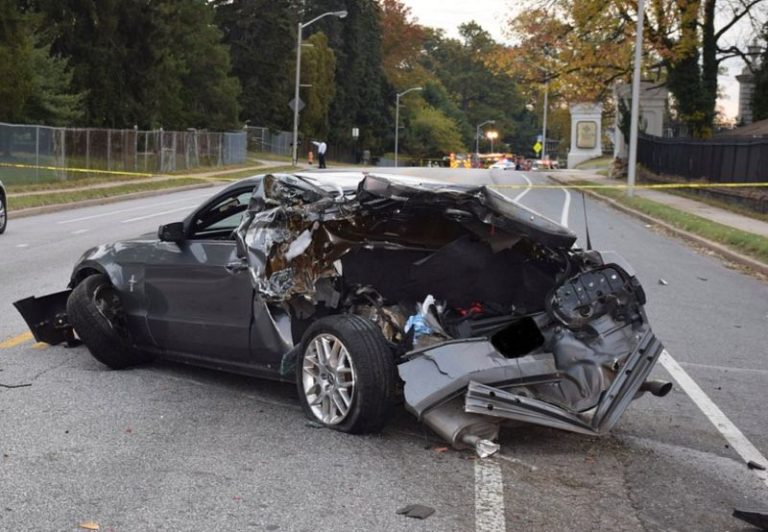
A motorcycle crash can leave more than broken parts and painful injuries behind. It can also leave proof that starts fading before anyone realizes its value. A security camera may record only a few days. Tire marks can vanish after traffic passes. A witness may forget small details. Even a damaged motorcycle may be moved before photographs are taken.
These details can help explain who caused a crash and how serious its effects were. For a rider dealing with an insurance company, protecting evidence early can make the path toward compensation for motorcycle injuries much clearer before the claim begins.
Why Evidence Can Matter More Than People Expect
Insurance companies rely on facts to evaluate a claim, but those facts may be disputed. Drivers can give different accounts, and riders may face unfair assumptions about speeding or unsafe riding. A road defect or sudden move by another vehicle may also have contributed.
Strong evidence can replace guesses with facts. Photos, video, witnesses, medical records, and damage can help explain what happened. The aim is to preserve details about fault, injuries, and losses. That evidence can become especially useful if fault is later disputed.
Five Pieces of Evidence That May Disappear Quickly
Traffic and Security Camera Footage
A nearby camera can show details drivers may remember differently. Cameras at stores, apartment buildings, gas stations, parking areas, and intersections may capture a vehicle changing lanes, running a light, turning across a motorcycle’s path, or leaving after a collision.
Some footage may be overwritten within days or weeks. Identify possible cameras quickly. An attorney may help preserve or obtain useful footage.
Damage to the Motorcycle and Vehicles
A damaged motorcycle can hold clues about a collision. Scrapes, dents, broken parts, paint marks, and impact areas may help show where contact occurred.
Take clear photographs from several angles before repairs. Keep damaged gear and motorcycle parts safely stored. This evidence may help show the force and nature of the crash.
Road Conditions That Tell Another Story
Not every motorcycle crash is caused by another driver. Potholes, loose gravel, oil, construction debris, poor lighting, and missing signs can affect a rider’s ability to stay safe.
Photograph road hazards from close up and from a wider view. Include lane markings, signs, barriers, and landmarks. This may help identify whether another party should be investigated.
Witnesses Who Saw More Than the Drivers Did
People nearby may notice details those involved missed. A witness might remember which vehicle had the right of way or whether a motorcycle had a clear lane.
If it is safe, collect the witness’s name and contact information. Do not pressure anyone to take sides or tell them what to say. Their value comes from an independent account.
Photos, Videos, and Small Details
A phone can become an evidence tool after a crash. Capture vehicle positions, skid marks, broken pieces, road hazards, traffic signs, weather conditions, and visible injuries. Take wide shots and close images.
Small details can answer questions later. Keep original files and avoid editing them in ways that remove useful information.
Medical Records Tell the Injury Story
A crash scene may show how a collision happened, but medical records show what it did to a person. Seek medical attention promptly, even if an injury seems minor.
Keep copies of:
- Emergency room and doctor records
- Diagnostic test results and prescriptions
- Physical therapy or rehabilitation records
- Medical receipts and bills
- Records showing missed work or reduced income
These documents can connect injuries to the crash and show their effect on daily life.
What Missing Evidence Can Mean for a Claim
Missing evidence does not automatically end a motorcycle injury claim. However, it can make certain facts harder to prove. Without camera footage, witnesses, or clear photographs, an insurer may have more room to challenge what happened.
This matters when fault is disputed. A rider may know another driver caused the crash, while the insurer relies on another version. Evidence can support the rider’s account.
Protect the Proof Before It Becomes Hard to Find
Practical steps can help preserve information:
- Photograph the scene, vehicles, injuries, and road conditions.
- Save witness names and contact details.
- Identify nearby cameras as soon as possible.
- Keep the motorcycle and damaged gear until they are no longer needed.
- Save medical bills, records, and work-related documents.
- Keep insurance communications and claim paperwork.
- Avoid posting opinions or detailed statements about the crash online.
Be careful with recorded statements to an insurer. Comments about fault or injuries can be misunderstood. A motorcycle accident attorney can help a rider understand what information to provide and what evidence to preserve.
Keep the Story From Being Written for You
Insurance decisions should rely on evidence, not assumptions about motorcyclists. A camera recording, witness statement, road photograph, or medical record may seem small alone. Together, these details can show what happened and how the crash affected the rider.
For anyone pursuing compensation for motorcycle injuries, preserving proof early can be one of the smartest steps after a crash. Evidence does not always wait for a claim to begin. It can disappear, change, or become harder to recover. Protecting it gives your account a better chance to stand on facts rather than guesswork.
About the Author