Owning a home brings a quiet kind of pride that no rental agreement can replicate. Yet beneath that pride sits a long list of obligations most homeowners never fully see until something breaks. The flashy upgrades, the kitchen remodels, the smart thermostats, they all get the spotlight. What rarely gets attention are the small, repetitive tasks that quietly keep a property functional, safe, and valuable year after year.
Real estate value is not built only through square footage or location. It is preserved through hundreds of tiny acts of upkeep that happen between the big renovations. Skip enough of them, and the damage compounds in ways that hit the wallet hard. Keep up with them, and the home essentially pays you back through fewer emergencies, longer equipment life, and a stronger resale position when the time comes.
What the Garage Quietly Demands
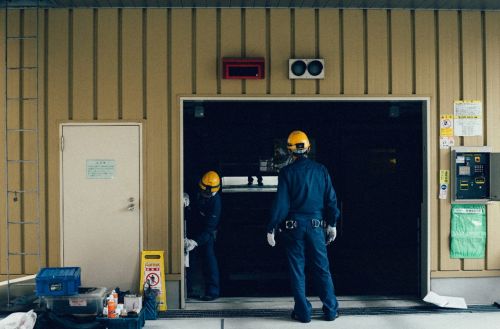
Few spaces in a home work as hard as the garage, yet few get overlooked as completely. It holds vehicles worth lakhs, tools collected over decades, and often acts as the primary entry point for the family. The moving parts cycle thousands of times a year without anyone keeping count, which means wear builds up long before anything looks wrong from the outside. Hinges loosen quietly. Springs lose tension. Weather seals crack and let in dust, moisture, and pests that shorten the life of everything stored inside.
By the time the panels start drifting out of balance, the damage has usually spread further than a quick fix can solve, and the conversation shifts toward full replacement. That shift is where most homeowners get caught off guard, because nobody plans for a project they were not tracking. The average garage door install cost varies depending on the type of door you choose, the material, and the features built into the system, so understanding those variables ahead of time turns a reactive expense into a budgeted decision that fits the rest of the household plan.
The Roof You Forget Until It Rains
A roof rarely complains. It absorbs heat, repels rain, blocks the sun, and holds up against wind without offering any visible signs of stress, right up until the moment it fails. By then, the damage has usually spread into insulation, ceiling drywall, and sometimes the framing itself.
Twice a year, a careful look from the ground using binoculars can reveal early warnings. Cracked shingles, sagging sections, loose flashing around chimneys, and dark patches that suggest moss or moisture all matter. Gutters belong in the same conversation. When they clog, water backs up under the roofing material and finds its way into places it should never reach. Cleaning them out before storm season is one of those tasks that takes a couple of hours and prevents repair bills worth a small fortune.
Plumbing That Speaks in Whispers
Pipes communicate long before they burst. A faint drip beneath the sink, a faucet that turns harder than it used to, water pressure that drops without explanation, these are early sentences in a longer story. Most homeowners hear them and move on. The smart move is to investigate while the signs are still small.
Shutoff valves deserve a turn every few months just to confirm they still work. The water heater needs a flush once a year to clear out the sediment that quietly destroys the heating element from the inside. Toilets benefit from a check on the flapper and fill valve, both of which fail silently and waste enormous quantities of water before anyone notices on the bill. None of this work is glamorous, but every part of it stretches the life of systems that cost a fortune to replace.
Electrical Systems and the Risk of Silence
Electricity is the one home system that gives almost no warning before causing harm. Outlets feel fine until they spark. Breakers seem fine until they trip in the middle of a heatwave. Smoke alarms appear to be working until the day they stay quiet during a real emergency.
Testing smoke and carbon monoxide detectors monthly takes seconds and saves lives. Replacing the batteries on a fixed schedule, rather than waiting for the chirp, removes the guesswork entirely. Looking at the breaker panel for any signs of rust, burning smells, or warm spots is something every homeowner should learn to do. Anything unusual calls for a licensed electrician, not a video tutorial.
HVAC Systems That Run Themselves to Death
Air conditioning units and heating systems are workhorses that rarely get appreciation. They run for hours daily, often in extreme conditions, and most owners only think about them when they fail. By that point, the repair is expensive, and the timing is always inconvenient.
Filters need changing on a consistent schedule, not when they look dirty. A clogged filter forces the entire system to work harder, raising power bills and shortening the lifespan of every component behind it. Outdoor units accumulate leaves, dust, and debris that block airflow and trap heat. A careful rinse a few times a year keeps efficiency where it should be.
Homeowners in the region who want to stay ahead of these issues can benefit from scheduling a seasonal checkup with a trusted HVAC Dalton GA provider, since local professionals understand the specific demands that Georgia’s climate places on both cooling and heating equipment throughout the year.
Pest Control Before the Infestation
Termites, rodents, and various insects rarely announce themselves. By the time droppings or damage become visible, the population is already established. Quarterly inspections, sealing of small entry points around doors and windows, and removing standing water from the property remove the conditions that pests need to thrive.
Wood surfaces benefit from regular treatment, especially in older properties. Storage areas should stay clean and elevated, since clutter creates perfect hiding spots.
The Small Habits That Add Up
Maintenance is not a single event. It is a rhythm. A homeowner who walks the property once a month with a notebook tends to spot the early signs of trouble that the rest of us miss entirely. Replacing weather stripping when it cracks, tightening cabinet hinges when they loosen, sealing grout when it dulls, all of it sounds minor in isolation. Together, these small acts decide whether a house ages gracefully or falls apart in slow motion.
About the Author