
Many individuals assume that creating sketches or viewing museum paintings serves only as a minor pastime. Creative expressions offer far more value than simple entertainment or weekend distraction. They actively shape how humans interpret information.
Engaging with shapes and colors alters how your mind functions daily. This path unlocks deep mental growth and refreshes your professional perspective. Anyone can use these tools to sharpen their intellect.
Building Critical Thinking Skills
Analyzing a classic canvas requires careful observation of exceptionally small details. You learn to spot subtle visual patterns that other observers might miss completely. A sharp vision helps you evaluate hidden trends in your daily life.
Studying unique designs trains your mind to critique complex ideas from entirely new angles. Enrolling in programs at Birmingham City University, for example, connects business concepts with creative problem-solving tactics. A balanced approach prepares individuals for modern workplace challenges where fast innovation wins.
Looking closely at an exhibition prompts you to question your initial assumptions about a topic. Regular practice shifts how you handle real-world issues outside the studio environment. It teaches you to wait for full data before making a final choice.
Expanding Cultural Understanding
Every historical masterpiece tells a deep story about the specific period of its creation. Exploring ancient artifacts reveals how old societies managed their local resources. You gain a clearer picture of human history through a creative lens.
You discover how global trade routes influenced the paint pigments used centuries ago. Contextual knowledge builds a broader worldview for modern professionals. It proves that a $1 investment in historical context yields 3 times the insight later.
Understanding regional trends gives you a distinct edge in international business dealings. You learn to respect diverse perspectives across different global regions. Awareness makes cross-border communication much smoother.
Deciphering Complex Visual Data
The modern world presents citizens with complicated visual messages every single day. Interpreting technical charts, digital advertisements, or corporate media requires a remarkably sharp eye. Without training, you might misinterpret the core messages being delivered.
A piece in a popular mental health magazine reported that interpreting visual art requires the brain to analyze complex visual stimuli, recognize patterns, and decipher concepts. Working through tiny details strengthens your daily mental processing speed. It turns passive looking into active understanding.
When you study studio composition, you learn how layout elements guide human attention. The specialized skill helps you grasp complicated data sets much faster. You quickly spot which figures matter most during an urgent review.
Strengthening Problem-Solving Mechanics
Artists constantly face unexpected design hurdles that demand quick fixes. A messy brush stroke or an uneven piece of sculpture requires immediate course correction.
An expert writing for a major business council suggested that individuals should dedicate time to activities like painting, writing, playing an instrument, or cooking. Actions stimulate different parts of the brain, encouraging innovative thinking and problem-solving. Embracing artistic activities keeps your cognitive faculties sharp.
Facing difficult artistic choices removes the natural fear of making mistakes at work. You begin to see minor errors as stepping stones to better project outcomes.
Cultivating Deep Analytical Skills
Structured art education does not just teach people how to hold a standard brush. It deeply changes how students process difficult academic themes and personal projects. You learn to break big ideas down into manageable parts.
An educational news outlet highlighted that art education strengthens critical thinking by teaching students how to analyze, interpret, and evaluate ideas. Core habits protect individuals from accepting surface-level answers too quickly. You become an independent thinker who values deep research.
Learners who study classic masterpieces gain key cognitive habits. They develop several specific mental traits:
- Better patience when evaluating hard topics.
- Clearer observation during research tasks.
- Stronger arguments during group debates.
The structured analysis guides people toward smart choices in every industry.
Refreshing Daily Mental Energy
Constant office work can drain your creative energy over a long week. Taking a short break to sketch a scene or mold clay offers immediate relief.
Shifting your total focus to textures and shapes resets your primary cognitive pathways. A simple break lowers stress levels without dropping your productivity. It provides a healthy escape from standard corporate routines.
Stepping away from digital screens allows your subconscious mind to process tough work tasks. You often return to your office desk with a fresh answer to an old issue. Creative play rewards the brain with renewed stamina.
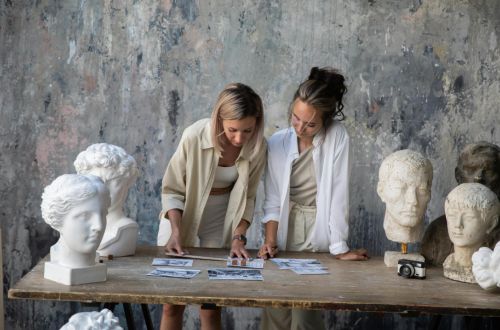
Studying creative expressions builds a smarter mind and sparks fresh ideas. Unique training helps you solve problems with absolute confidence and see small details clearly. It prepares your intellect for multifaceted challenges.
Embracing these methods changes how you approach professional tasks. Dedicating time to creative projects shields your career from routine stagnation. The benefits extend far past the canvas.
About the Author