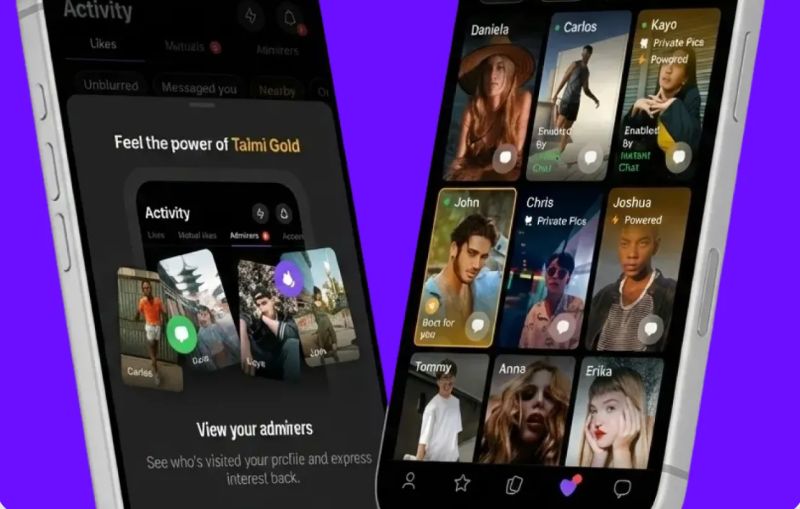
If you have ever used popular, ‘mainstream’ dating apps, you may have noticed a lot of similarities. While the aesthetics may differ, most have the same actions and interface. Scratch the surface, and the tech behind all of that doesn’t vary much either. That isn’t the case with purpose-built dating apps where the focus is a specific niche. In this case, trans dating. Often, these platforms have key differences in how they look, feel, and the technology supporting it all.
Algorithm And Matching Logic
Here, the purpose is to determine what makes prospective matches compatible with a specific user. Most dating app designers want to get this right. Unfortunately, they don’t always. It’s fair to say that most users have encountered match recommendations that were real head scratchers. While this is a universal experience, the tech behind the scenes can vary quite a bit when you compare trans dating apps to traditional platforms.
Let’s start with one of the oldest and most mainstream apps there is – eHarmony. Here emotional and relationship compatibility are key components. Users are given a compatibility quiz, and the results are used to create a compatibility score. This data is then fed into the matching algorithm.
With trans dating apps like Butterfly, these work slightly differently. Yes, personality, interests, and other factors matter. However, Butterfly uses a two-way search. In this case, the goal isn’t simply to find profiles that match one user’s search criteria or preferences. Butterfly must also consider the other users’ stated preferences too. A profile is only shown when compatibility goes both ways. For example, a trans man who is interested in non binary people and other trans men will not be shown a profile of a trans man who is only interested in trans women.
This is further complicated by the fact that Butterfly has a displayed gender, and an underlying gender classification. This allows the platform to build a search algorithm that ideally returns the right recommendations without forcing users to stick with strict gender categories.
All of this shows how algorithm and matching logic can vary when gender identity and preferences are very straightforward vs. when they are more complex. It also demonstrates how the meaning of the perfect match can vary widely.
Verification Technology
Both mainstream and trans dating apps have verification processes. Many even award users with a verification badge if they take certain steps. What this process entails can vary widely, even within mainstream and trans categories. However, some of the biggest differences can be seen when comparing a trans dating platform like Fiorry with a mainstream platform like Tinder.
Trans dating app Fiorry uses photo verification and requires this of every user. This is to ensure that members are real people, but it goes beyond that. Fiorry has a stated goal of preventing bot accounts, blocking fake profiles (including banned users returning under new names), and stopping abuse using automated technology. Additionally, Fiorry has implemented a single-device login along with other security protections.
The approach Fiorry takes wraps verification into a larger trust architecture. It also shows that verifying legal identity is just one piece of the puzzle. That said, as we examine Tinder’s approach, another concern is revealed. Trans dating app users aren’t simply concerned that the other people they encounter on dating apps have been verified. Many are also hyper aware of what information dating apps capture about them in the verification process. This can make them reluctant to embrace certain verification measures that their cis gender counterparts might readily accept.
Tinder is a mainstream dating app that is known for a technologically robust verification system. It uses video selfies and facial scanning technology to function as a liveness check. A FaceMap and FaceVector are created for the user, and those are used to compare the verification images with existing profile photos. Tinder also uses a photo and identity verification check to verify legal age and other details. In the US, this information is also used to scan sex offender registries.
The differences showcase a tradeoff. While at first glance, one might assume that trans dating apps would embrace the kind of technologies that Tinder uses because of deeper safety concerns. To be clear, there are trans dating apps that absolutely do this, but there are reasons that many trans users balk at having this level of information collected and stored, especially facial mapping data that may be stored for the life of one’s account. Trans folks have to balance a desire to avoid bad actors with a need for discretion and the risk of data breach.
Privacy Architecture
Data app privacy goes beyond password protections or regulatory compliance. These platforms collect and store information about a person’s location, sexual preferences, attractions, interactions, and identity. Anyone sharing this information is rightly concerned about how securely it is stored, how it is used, and who has access to it. That said, it is also true that LGBTQ+ individuals, trans folks especially, have even deeper concerns. This is why privacy architecture is such a key component of trans dating apps.
Queer and ts dating app Taimi is an example of a dating app that takes the unique needs of its customer base into consideration when developing data privacy policies and the architecture underneath it. For example, stealth mode allows users to browse without being seen. However, this feature is also limited to protect other users. While an incognito user’s profile is not revealed publicly, it is revealed to users they like or attempt to communicate with. Further, Taimi Protect gives users control over the information they choose to display. Members can opt out of showing their gender, age, location, or sexuality.
A mainstream app like Hinge certainly has to address privacy concerns as well, but what those concerns are and the depth of those concerns, can vary. Similar to Taimi and other trans dating platforms, Hinge collects and stores data about users’ identities, preferences, location, gender, etc. It also has many of the same obligations: to keep that information safe, be forthcoming about how it is used, and follow applicable data privacy regulations. The differences lie in the privacy concerns that must be addressed once that information exists.
Simply put, the average straight, cis gender user of a mainstream dating app is likely concerned that their personal and financial information is not exposed to bad actors. They also don’t want their information provided to third parties without their consent, or to receive unsolicited contact when that happens. However, they are generally not concerned with whether they are publicly revealed as straight or cis gender.
On the other hand, trans people have all of the same concerns listed above, in addition to worries that their identity or sexuality may be exposed against their will. Trans dating apps must take this into consideration when choosing the underlying technologies they will use, all while maintaining this sensitive information so they can provide users with the functionality they have been promised.
UX
When people think of user experience, they often think of where buttons are located on a page, how simple or complex navigation is, and the overall feel of an app. This is all valid, but the visible elements are often the result of underlying technology combined with design choices. These things are determined, at least in part, by the unique needs of a particular user community
For example, Taimi combines traditional dating app UX such as searching profiles, liking and unliking with features specifically designed for the queer community. This design factors in the needs of trans folks too. Search filters are an example of this as Taimi users have different factors they want to include or exclude in their searches. In addition to giving users significant control over the profiles they see, Taimi also takes a global approach to recommendations as well. Here, users don’t just see profiles that align with their preferences and in-app behaviors; Taimi also analyzes user profiles to identify members who may have more global appeal and showcases those as featured profiles to a much broader audience.
A mainstream app like Tinder doesn’t have a UX that is entirely different. In fact, you can look at many mainstream and trans dating apps and the visual similarities are pretty strong. However, the underlying approach may be simpler and based on profile evaluation and user behavior without the other factors playing much of a role. This is because apps like Tinder tend to focus strictly on connecting profiles with other profiles while Trans platforms often have multiple design pathways for users to make connections and interact.
Audience Needs And App Architecture Are Connected
Let’s be clear; whether an app’s core audience is cis or trans does not guarantee that policies, design, or technologies are going to be different. There are certainly trans dating apps that are nearly identical to mainstream dating apps ‘under the covers’, and mainstream platforms that have embraced some of the tech that have been deployed by niche apps. However, the differences that can be identified are excellent examples of how unique audience pain points can impact technology and design choices.
About the Author