
In Victorian society, creditworthiness was judged through character, class, and reputation, revealing how financial trust functioned as a moral and social judgment rather than a numerical calculation.

By Matthew A. McIntosh
Public Historian
Brewminate
Introduction: Credit as Character
In the Victorian era, creditworthiness was not calculated but judged, emerging from a cultural framework in which financial trust was inseparable from moral evaluation. Before the widespread adoption of standardized financial metrics, lenders assessed borrowers through personal knowledge, social observation, and subjective impressions of character. Credit was not merely an economic instrument but a reflection of identity, rooted in the belief that a person’s financial reliability could be inferred from their conduct, habits, and social standing. To be considered “creditworthy” was to be recognized as respectable, disciplined, and trustworthy within the moral expectations of Victorian society.
This moralized understanding of credit developed within a rapidly changing economic landscape marked by industrialization, urban growth, and expanding markets. As Britain transitioned from a largely agrarian society to a complex industrial economy, traditional systems of trust based on local familiarity began to encounter new pressures. The growth of cities introduced anonymity into economic relationships, while the expansion of commerce extended transactions beyond the reach of personal knowledge. Yet even as these structural changes unfolded, the evaluation of credit remained anchored in older cultural assumptions, where trust was measured through reputation and reinforced by social visibility. Financial judgment operated at the intersection of economic necessity and moral ideology, reflecting both the demands of a modernizing economy and the persistence of traditional values.
Central to this system was the idea that financial behavior was an extension of personal virtue. Lenders sought evidence not only of a borrower’s ability to repay but also of their willingness to do so, which was interpreted through markers of character such as honesty, industriousness, and self-discipline. This emphasis on moral qualities gave rise to informal but widely recognized criteria for assessing creditworthiness, often described in terms of character, capital, and connections. These factors were not evaluated through objective measurement but through observation, conversation, and interpretation, making the process inherently subjective. Credit decisions were shaped as much by perception as by fact, allowing personal biases and social prejudices to influence outcomes in ways that could reinforce existing hierarchies.
Creditworthiness in the Victorian era functioned as a system of moral surveillance, in which economic trust was constructed through social judgment and institutionalized through emerging forms of information gathering. By tracing the evolution of credit practices from localized, reputation-based systems to the early development of commercial credit reporting, it becomes clear that the Victorian period represents a critical transition in the history of financial evaluation. While later systems would seek to quantify trust through data and algorithms, the foundations of modern credit can be found in this earlier moment, where the assessment of financial reliability was inseparable from the evaluation of character itself.
Early Victorian Economy: Local Trust and Personal Knowledge (1830s–1850s)
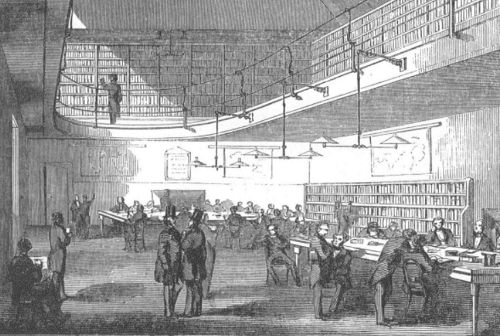
In the early Victorian period, systems of credit operated within a largely localized economic environment, where trust was grounded in familiarity and sustained through direct personal interaction. Before the expansion of national markets and the development of centralized financial institutions, most lending occurred within relatively small communities, where individuals were known to one another through repeated social and economic exchange. Shopkeepers, tradesmen, and local bankers extended credit based on their knowledge of a borrower’s habits, reliability, and standing within the community. In this setting, creditworthiness was not abstract or speculative but rooted in observable behavior and long-term relationships that provided a continuous basis for evaluation.
This reliance on personal knowledge meant that economic transactions were deeply embedded in the social fabric of everyday life. Lending decisions were often informed by informal conversations, shared experiences, and collective memory, as information about individuals circulated through networks of neighbors, employers, and acquaintances. These networks functioned as informal information systems, where reputations were constructed, reinforced, and sometimes challenged through ongoing interaction. A borrower’s reputation was built through consistent conduct, punctual repayment, and visible adherence to social norms, while any deviation from these expectations could quickly undermine trust. In communities where social and economic life overlapped extensively, a person’s financial behavior was inseparable from their broader identity, meaning that trustworthiness was continually evaluated in both private and public contexts. Because communities were relatively close-knit, the consequences of financial behavior were difficult to conceal, reinforcing the importance of maintaining a stable and respectable public identity that aligned with prevailing cultural expectations.
Local merchants played a central role in this system, particularly through the widespread practice of extending credit to customers for everyday purchases. Goods were often provided on account, with payment deferred until a later date, often tied to wages or seasonal income. These arrangements required merchants to make ongoing judgments about the reliability of their customers, balancing the desire to maintain business relationships with the need to manage risk. The extension of credit was both an economic necessity and a social negotiation, dependent on the mutual trust that developed between buyer and seller.
Banking institutions in this period were similarly localized, with many banks operating on a regional basis and maintaining close relationships with their clients. Bankers relied on personal interviews, references, and their own observations to assess potential borrowers, often favoring individuals whose character aligned with prevailing ideals of respectability and industriousness. These assessments could include not only financial considerations but also evaluations of demeanor, organization, and perceived reliability, reflecting the extent to which lending decisions were shaped by subjective judgment. The absence of standardized evaluation methods meant that these decisions were inherently variable, influenced by the lender’s personal experiences, biases, and expectations. While this system allowed for flexibility and adaptation to local conditions, it also introduced inconsistency, as different lenders might reach different conclusions based on similar information. The localized nature of banking reinforced both the strengths and the limitations of a system built on personal knowledge.
The emphasis on personal trust also limited the scale at which credit could be extended, particularly as economic activity began to expand beyond local boundaries. As individuals moved between towns, entered new markets, or engaged in transactions with unfamiliar partners, the absence of shared knowledge made it more difficult to assess risk. Lenders often sought additional forms of assurance, including letters of introduction, references from established figures, or visible proof of assets and income. These mechanisms attempted to replicate the effects of local familiarity in broader contexts, but they were often imperfect substitutes for direct knowledge. The growing mobility of people and goods exposed the limitations of a system dependent on close social ties, highlighting the challenges of maintaining trust in an increasingly interconnected economy. This tension between local knowledge and expanding markets would become a defining feature of the Victorian transition toward more formalized credit systems.
Despite these limitations, the early Victorian system of local credit was remarkably resilient, sustained by the dense social networks that underpinned economic life. Trust functioned as both a practical tool and a moral expectation, guiding behavior and shaping opportunities within the community. While later developments would introduce more formalized and impersonal methods of evaluation, the early Victorian period illustrates a moment when creditworthiness was still intimately tied to personal identity and social belonging, reflecting a world in which financial trust could only be established through direct knowledge and shared experience.
The “Three C’s”: Character, Capital, and Connections

In the Victorian era, the assessment of creditworthiness coalesced around a set of informal yet widely recognized criteria often described as the “Three C’s”: character, capital, and connections. These elements provided lenders with a framework for evaluating risk in the absence of standardized financial metrics, blending moral judgment with practical considerations. Rather than relying on numerical indicators or formalized scoring systems, creditors sought to understand who a borrower was, what resources they possessed, and how they were positioned within the social hierarchy. This approach reflected a broader cultural assumption that financial behavior was an extension of personal identity, making credit evaluation as much a moral inquiry as an economic one.
Character stood at the center of this system, functioning as the primary determinant of trust. Lenders placed significant weight on a borrower’s reputation for honesty, reliability, and self-discipline, viewing these traits as indicators of their willingness to repay. Observations about a person’s habits, demeanor, and lifestyle often informed these judgments, with particular attention given to signs of industriousness or, conversely, irresponsibility. Individuals who were perceived as careless, disorganized, or morally suspect were frequently denied credit, regardless of their actual financial capacity. Character operated as both a practical measure of risk and a moral standard that borrowers were expected to meet to participate fully in economic life.
Capital, the second component, referred to the tangible resources that a borrower could bring to a financial arrangement. This included property, savings, business assets, and other forms of visible wealth that could serve as evidence of financial stability. While character addressed the question of willingness to repay, capital addressed the question of ability, providing lenders with a more concrete basis for assessing risk. The presence of assets not only increased a borrower’s credibility but also offered a form of security in the event of default, as these resources could potentially be claimed or leveraged. Beyond simple ownership, lenders often evaluated how assets were managed, looking for signs of stability, organization, and long-term planning in a borrower’s financial behavior. But access to capital was itself unevenly distributed, often reflecting broader patterns of wealth, inheritance, and class structure that shaped who could realistically obtain credit. Those without visible assets faced significant barriers, even if they demonstrated strong character, revealing the limits of a system that intertwined moral judgment with material capacity.
Connections, the third element, encompassed the social networks and relationships that linked individuals to sources of support and validation. Family background, professional associations, and patronage ties all contributed to a borrower’s perceived reliability, as they provided additional layers of assurance beyond individual character and resources. A well-connected borrower could draw on the reputation of others, securing credit through references or informal guarantees that extended the lender’s trust. These networks also facilitated the flow of information, allowing lenders to verify claims and gather insights about potential borrowers through shared contacts. Connections functioned as a form of social capital, enabling individuals to access opportunities that might otherwise remain out of reach.
Together, these three components formed a system of evaluation that was both flexible and deeply subjective, reflecting the values and assumptions of Victorian society. The emphasis on character, capital, and connections allowed lenders to make nuanced judgments based on a wide range of factors, but it also opened the door to bias and inconsistency. Credit decisions were shaped not only by observable evidence but by interpretation, perception, and cultural expectation, making the process inherently uneven. Nevertheless, the “Three C’s” provided a coherent framework through which trust could be assessed in a rapidly changing economic environment, illustrating how financial systems can emerge from the intersection of moral belief, social structure, and practical necessity.
Social Standing and Class: Credit as a Gatekeeping Mechanism

In Victorian Britain, creditworthiness was inseparable from social standing, functioning as a mechanism that both reflected and reinforced class hierarchy. Access to credit was not determined solely by financial capacity but by one’s perceived place within a stratified society that valued respectability, stability, and lineage. Lenders assessed borrowers through the lens of class expectations, often privileging those who conformed to established norms of middle- and upper-class behavior. Credit became more than a financial tool; it served as a marker of social legitimacy, signaling who belonged within the trusted circles of economic exchange and who remained on the margins.
The concept of respectability played a central role in this process, shaping how individuals were evaluated and categorized within the credit system. Respectability was not simply about wealth but about the performance of certain values, including thrift, discipline, sobriety, and adherence to social conventions. Middle-class identity was closely tied to these ideals, and those who embodied them were more likely to be seen as reliable borrowers. Conversely, individuals who deviated from these norms, whether through irregular employment, perceived moral failings, or unconventional lifestyles, were often viewed with suspicion. Credit decisions became a form of social judgment, reinforcing cultural expectations about proper behavior and rewarding those who aligned with dominant values.
For members of the working class and those attempting upward mobility, these dynamics created significant barriers. Even when individuals demonstrated financial responsibility, their lack of established social standing could limit their access to credit or result in less favorable terms. New business owners, migrants to urban centers, and those without established family networks often struggled to gain the trust of lenders, who preferred the predictability associated with known and established clients. Lenders interpreted unfamiliarity as risk, regardless of actual financial behavior, leading to cautious or exclusionary decisions that reinforced existing divisions. This preference for familiarity over potential constrained economic mobility, as opportunities to expand or invest were unevenly distributed along class lines. Credit acted as a gatekeeper, shaping not only who could participate in the economy but how far they could advance within it, often limiting the ability of capable individuals to translate effort and ambition into material progress.
The structure of Victorian commerce further reinforced these patterns, particularly in the relationship between established firms and emerging enterprises. Larger, well-known businesses benefited from reputational momentum, allowing them to secure credit more easily and on more advantageous terms. Smaller or newer firms, by contrast, faced heightened scrutiny and often had to rely on personal guarantees or higher collateral requirements to offset perceived risk. This imbalance contributed to the consolidation of economic power within established networks, as access to credit enabled some businesses to expand while limiting the growth of others. The credit system played an active role in shaping the competitive landscape, favoring continuity and stability over disruption.
The intertwining of credit and class in Victorian Britain reveals how financial systems can operate as instruments of social control as much as economic facilitation. By tying access to credit to markers of respectability and social standing, lenders reinforced existing hierarchies and limited the capacity for broad-based mobility. While credit enabled economic activity and growth, it also reproduced patterns of inequality, embedding social judgments within financial decisions. Creditworthiness, far from being a neutral assessment, was deeply conditioned by the values and structures of the society in which it operated.
Gender, Race, and Bias in Credit Evaluation
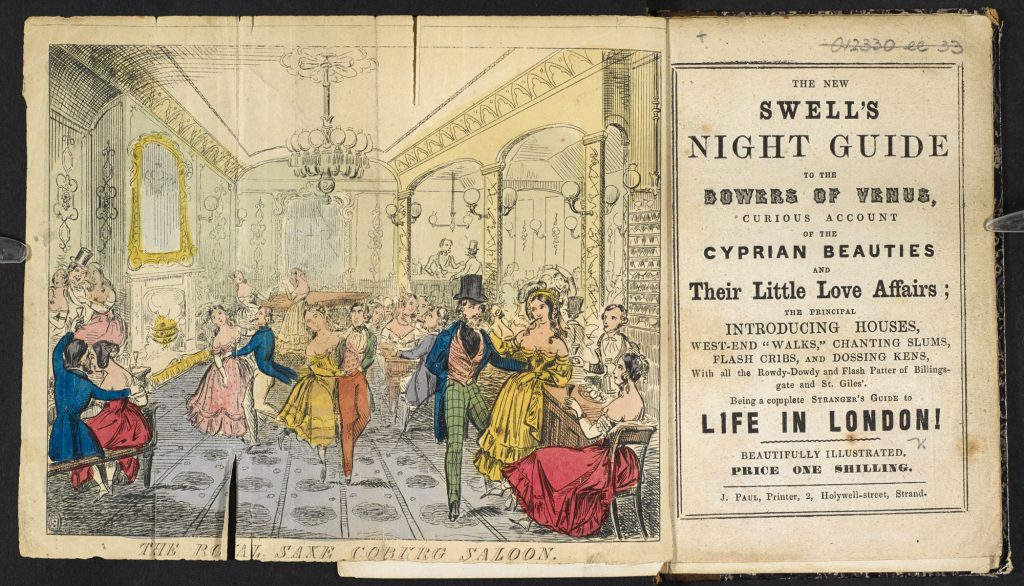
Credit evaluation in the Victorian era was never neutral. It operated within a social order structured by gender norms, racial hierarchies, and cultural assumptions that shaped who could be trusted and under what conditions. While lenders often framed their decisions in terms of character and responsibility, these judgments were filtered through deeply embedded biases that affected access to credit. The assessment of creditworthiness frequently reflected broader patterns of exclusion, reinforcing inequalities that extended far beyond the realm of finance.
Gender was one of the most significant factors influencing credit access, particularly for women whose legal and economic autonomy was limited throughout much of the nineteenth century. Under the doctrine of coverture, married women in Britain were largely unable to own property independently or enter into contracts in their own name, effectively subsuming their financial identity under that of their husbands. Even as legal reforms such as the Married Women’s Property Acts of 1870 and 1882 began to alter this framework, social attitudes continued to constrain women’s access to credit. Lenders often viewed women, especially married women, as financially dependent or less reliable, requiring male guarantors or additional assurances. This structural limitation meant that creditworthiness was not simply a matter of personal behavior but was shaped by legal definitions of identity that restricted women’s participation in economic life.
Unmarried women, widows, and female entrepreneurs occupied a more ambiguous position within the credit system, where their access depended heavily on reputation and social perception. Some women were able to establish themselves as reliable borrowers or business operators, particularly in sectors such as retail, lodging, and small-scale trade. Yet their success often required navigating a system that remained skeptical of female financial independence. Lenders evaluated not only their economic capacity but their adherence to ideals of respectability, modesty, and propriety, making gendered expectations central to the assessment of trust. Women’s creditworthiness was often contingent on their ability to align with prevailing norms, reinforcing the moral dimension of financial evaluation.
Racial and ethnic biases also shaped credit practices, particularly within the broader context of the British Empire and its global networks of trade. Individuals from colonized regions or minority communities frequently encountered barriers rooted in perceptions of cultural difference, reliability, and belonging. These judgments were not based solely on financial behavior but were informed by broader ideologies that associated trustworthiness with particular social and racial identities. In commercial centers connected to imperial trade, merchants and lenders often relied on stereotypes or secondhand information when dealing with unfamiliar groups, introducing additional layers of uncertainty and prejudice into credit decisions. Such dynamics reveal how systems of financial trust were intertwined with imperial structures and cultural assumptions.
Even within Britain itself, ethnic minorities and migrants could face similar challenges, as unfamiliarity and perceived difference were often equated with risk. New arrivals to urban centers, regardless of their actual financial capacity, were frequently disadvantaged by their lack of established reputation and social connections. This absence of recognizable standing made it more difficult to secure credit, reinforcing the importance of visibility and integration within dominant social networks. Migrants were judged not only on their economic behavior but on their ability to conform to cultural expectations, including language, dress, and social conduct, which were often interpreted as indicators of reliability. The reliance on such subjective markers introduced significant variability into credit decisions, as lenders navigated uncertainty through assumptions that could disadvantage those perceived as outsiders. This absence of institutional safeguards meant that bias could operate unchecked, shaping outcomes in ways that reinforced existing patterns of exclusion and limited opportunities for integration and advancement. Bias operated both overtly and subtly, shaping decisions through assumptions about identity as well as through the structural limitations of a system dependent on familiarity.
These patterns demonstrate that Victorian credit systems were deeply influenced by the social hierarchies and cultural values of the time. Gender, race, and social identity were not peripheral factors but central components of how trust was assessed and distributed. While credit was often presented as a rational evaluation of risk, it functioned in practice as a mechanism that encoded and reproduced inequality. The persistence of these biases underscores the extent to which financial systems are shaped by the societies in which they operate, revealing how judgments about trust can reflect broader patterns of inclusion and exclusion.
The Rise of Mercantile Agencies (1840s–1860s)

The rapid expansion of commerce in the mid-nineteenth century created a fundamental problem for traditional systems of credit: trust could no longer rely solely on personal familiarity. As markets grew and transactions increasingly occurred between individuals who had never met, the localized networks that had previously sustained credit began to break down. Merchants needed reliable information about distant partners, and lenders required new ways to assess risk in an increasingly anonymous economic environment. Mercantile agencies emerged, representing a pivotal shift from purely interpersonal trust toward organized systems of information gathering.
The founding of the Mercantile Agency in 1841 by Lewis Tappan marked a turning point in the history of credit evaluation. Initially established in the United States but closely connected to transatlantic commercial practices, the agency sought to collect and centralize information about businesses and individuals to support more informed lending decisions. Tappan’s model relied on a network of correspondents who reported on local merchants, compiling assessments that could be accessed by subscribers across a wide geographic area. These correspondents, often merchants or professionals embedded in their communities, gathered information through direct observation, informal inquiry, and participation in local social networks. Reports included not only financial details but also impressions of reliability, management practices, and personal conduct, reflecting the continued reliance on character-based evaluation. This innovation transformed scattered, informal knowledge into a structured resource, enabling creditors to evaluate borrowers beyond their immediate communities and introducing a new layer of mediation between lender and borrower.
Following this model, similar organizations expanded and refined the practice of credit reporting. Firms such as R.G. Dun & Company and the Bradstreet Company developed extensive networks of agents who gathered information from towns and cities, creating vast repositories of commercial intelligence. These agencies employed thousands of informants who collected details about businesses, including their financial condition, reputation, and operational stability. As these networks grew, they became increasingly systematic in their approach, developing standardized formats for recording information and categorizing risk, even if the underlying data remained subjective. Reports were compiled into centralized ledgers and periodically updated, allowing subscribers to track changes in a firm’s standing. The scale of these operations reflected both the increasing complexity of the economy and the growing demand for reliable information, as merchants sought to navigate a marketplace that extended far beyond the limits of personal acquaintance.
Despite their organizational sophistication, the reports produced by mercantile agencies remained deeply subjective. Much of the information collected consisted of opinions, rumors, and personal observations, often recorded in handwritten ledgers that blended financial data with moral evaluation. Descriptions of individuals frequently included assessments of character, habits, and perceived reliability, illustrating the continued importance of social judgment within these emerging systems. While agencies aimed to standardize information, they did not eliminate bias; instead, they formalized and distributed it, embedding local perceptions within a broader commercial framework.
The rise of mercantile agencies also transformed information itself into a commodity. Access to credit reports required subscription, creating a market for knowledge about financial behavior and reputation. Merchants and lenders increasingly depended on these services to guide their decisions, shifting the basis of trust from direct experience to mediated information. This development marked a significant step toward the abstraction of creditworthiness, as judgments about individuals were no longer confined to local communities but circulated through institutional channels that extended across regions.
Mercantile agencies represent an early form of financial surveillance, bridging the gap between traditional reputation-based systems and modern data-driven credit evaluation. By organizing and disseminating information on a large scale, they enabled credit to operate in a more complex and interconnected economy, while still relying on the subjective assessments that had long defined trust. This hybrid system, combining structured data collection with moral judgment, laid the groundwork for later developments in credit reporting and scoring, illustrating how the need to measure trust at scale reshaped the foundations of economic life.
Information as Commodity: Gossip Becomes Data

By the mid-nineteenth century, the expansion of mercantile agencies transformed information about creditworthiness into a tradable resource, marking a significant shift in the nature of economic trust. What had once circulated informally through conversation and community networks was increasingly collected, recorded, and sold to subscribers seeking to reduce uncertainty in commercial transactions. This development did not eliminate the reliance on reputation, but it altered the way reputation functioned, converting localized knowledge into a structured commodity that could be accessed across distances. It reshaped the relationship between lenders and borrowers, introducing new layers of mediation into the process of evaluating trust.
The reports produced by these agencies were built on a foundation of qualitative information, much of which originated as gossip, observation, and personal judgment. Local correspondents gathered details about merchants and businesses by engaging with their communities, often relying on conversations with neighbors, competitors, and associates. These accounts were then compiled into centralized records, where they were organized and presented to clients as authoritative assessments of creditworthiness. While the format of these reports gave the impression of objectivity, their content remained deeply interpretive, reflecting the perspectives and biases of those who contributed to their creation.
As these practices became more widespread, the act of recording and standardizing information began to confer a sense of legitimacy on what had previously been informal knowledge. Handwritten ledgers categorized businesses using descriptive language that blended financial evaluation with moral characterization, assigning labels that signaled perceived reliability or risk. Agencies experimented with more systematic methods of classification, introducing symbols, ratings, and shorthand notations to summarize complex judgments. These early attempts at standardization did not eliminate subjectivity, but they provided a framework through which information could be compared, shared, and scaled, laying the groundwork for more formalized systems of credit assessment.
The commodification of information also altered the dynamics of power within the credit system. Access to detailed reports became a competitive advantage, enabling subscribers to make more informed decisions while excluding those who lacked the resources to obtain such information. Knowledge itself became a form of capital, shaping who could participate effectively in expanding markets. Borrowers were increasingly subject to surveillance, as their financial behavior and personal characteristics were documented and circulated beyond their immediate communities. This shift introduced new forms of accountability, but also raised questions about privacy, accuracy, and the potential for reputational harm.
The transformation of gossip into data represents a crucial stage in the evolution of credit systems, bridging the gap between interpersonal trust and modern forms of financial evaluation. While the information collected by mercantile agencies remained rooted in subjective judgment, its organization and dissemination marked a move toward abstraction and scalability. Creditworthiness was no longer determined solely by direct knowledge but by representations of that knowledge, mediated through institutional structures that extended the reach of economic trust. This development not only facilitated the growth of commerce but also established patterns that would persist in later systems, where data continues to serve as the primary means of measuring reliability.
Direct Monitoring and Physical Verification
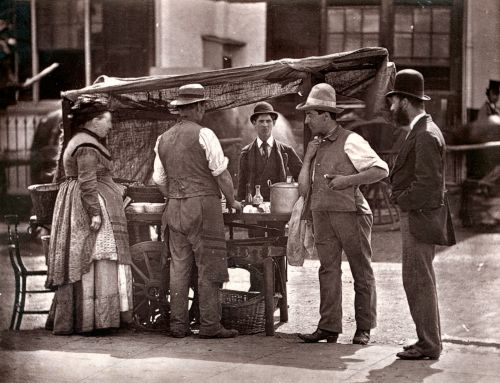
Even as mercantile agencies expanded the reach of credit information, lenders in the Victorian era continued to rely on direct observation and physical verification to assess risk. In an environment where reports were often incomplete, delayed, or colored by subjective interpretation, firsthand evaluation remained a critical tool for determining a borrower’s reliability. Creditworthiness was not simply inferred from written descriptions but confirmed through visible evidence, as lenders sought to align reported reputation with observable reality. This practice reflected a persistent skepticism toward mediated information and a continued belief that trust could be most accurately assessed through direct engagement.
One of the most common methods of verification was the use of personal references and word-of-mouth inquiries. Lenders frequently consulted individuals within a borrower’s social or professional network, seeking confirmation of their reputation and financial behavior. These inquiries extended beyond formal recommendations, often drawing on informal conversations that provided insight into a person’s habits, reliability, and standing within the community. Lenders often deliberately sought multiple perspectives, comparing accounts from different sources to identify consistency or discrepancy in how a borrower was perceived. This process could include speaking with employers, business partners, neighbors, or local figures of authority, each offering a piece of a broader reputational profile. Such practices reinforced the importance of social networks in the credit system, as a borrower’s access to trusted references could significantly influence the outcome of a lending decision. Reliance on these networks introduced variability and bias, as the information gathered was shaped by personal relationships, social hierarchies, and the willingness of others to vouch for the borrower.
Home visits represented another form of direct monitoring, allowing lenders to evaluate a borrower’s lifestyle and material circumstances firsthand. By observing the condition of a household, its furnishings, and the general standard of living, creditors attempted to gauge both financial stability and personal discipline. A well-maintained home could signal order, responsibility, and respectability, while signs of disorder or extravagance might raise concerns about reliability. These visits blurred the boundary between financial assessment and moral judgment, as lenders interpreted physical surroundings as indicators of character and future behavior.
In addition to observing domestic environments, lenders often conducted inspections of business assets and property. For merchants and tradesmen, this could involve examining inventory, equipment, or premises to assess the viability and scale of operations. The presence of sufficient stock, well-maintained tools, or a stable place of business provided tangible evidence of economic capacity, complementing the more subjective elements of reputation and character. Collateral, when required, was similarly evaluated through direct inspection, ensuring that it held real value and could serve as effective security in the event of default.
These practices illustrate the extent to which Victorian credit systems relied on embodied and visible forms of evidence, even as they moved toward greater abstraction. Direct monitoring functioned as a bridge between traditional, relationship-based trust and emerging systems of information management, grounding financial decisions in physical reality. While such methods could provide valuable insights, they also reinforced existing biases, as judgments were shaped by cultural expectations about appearance, behavior, and respectability. Physical verification did not replace subjective evaluation but rather extended it, embedding social assumptions within the very act of observation.
Industrialization and the Crisis of Scale (1860s–1880s)

By the mid- to late nineteenth century, industrialization transformed the scale and structure of economic life in ways that strained traditional systems of credit. Expanding rail networks, mechanized production, and the growth of urban centers created increasingly complex markets that extended far beyond the reach of local knowledge. Transactions were no longer confined to familiar communities but occurred across regions and even continents, linking producers, merchants, and consumers in vast economic networks. This expansion introduced new opportunities for growth, but it also generated uncertainty, as lenders were required to assess the reliability of individuals and firms they could neither observe directly nor situate within known social frameworks.
Urbanization intensified these challenges by introducing anonymity into economic relationships. As populations concentrated in rapidly growing cities, the dense social networks that had once supported reputation-based credit became more diffuse and less reliable. Individuals could move frequently, reinvent themselves, or operate outside the established channels through which information traditionally circulated. For lenders, this mobility complicated the task of evaluating trust, as the absence of stable, long-term relationships reduced the effectiveness of informal verification methods. The very conditions that fueled economic expansion undermined the social foundations upon which earlier credit systems had depended.
The increasing scale of industrial enterprise required larger and more frequent extensions of credit, particularly in sectors such as manufacturing, transportation, and wholesale trade. Businesses needed capital to invest in machinery, maintain inventories, and manage the delays inherent in long supply chains. This demand placed additional pressure on existing systems, as lenders sought ways to evaluate not only individuals but complex organizations whose operations were difficult to assess through traditional means. The shift from small-scale, personal transactions to large-scale commercial activity required new approaches to managing risk, as the consequences of misjudgment could be far more significant.
Mercantile agencies and other emerging institutions attempted to address these challenges by expanding their networks and refining their methods of information collection. The volume and complexity of economic activity often outpaced their ability to provide timely and accurate assessments. Reports could become outdated quickly, particularly in fast-moving markets where a firm’s financial position might change within months or even weeks. The reliance on qualitative information, including subjective assessments of character and reputation, further limited the precision of these evaluations, making it difficult to compare businesses or track changes consistently. As agencies struggled to keep pace with the demands of industrial capitalism, their limitations became increasingly visible to lenders who required more reliable and standardized data. This gap between the needs of the market and the capabilities of existing systems highlighted the structural inadequacy of reputation-based credit in an industrial economy, where speed, scale, and accuracy were becoming essential to effective decision-making.
The crisis of scale also exposed deeper tensions within Victorian conceptions of trust. While traditional values emphasized personal character and moral judgment, the realities of industrial capitalism demanded more impersonal and standardized forms of evaluation. Lenders were forced to reconcile these competing imperatives, balancing the desire to maintain moral frameworks with the practical necessity of managing risk in a complex and interconnected system. This tension contributed to the gradual shift toward more formalized and systematic approaches to credit assessment, as the limitations of purely subjective evaluation became increasingly apparent.
Industrialization did not eliminate the importance of trust but transformed the conditions under which it was measured and applied. The crisis of scale marked a critical turning point in the evolution of credit systems, as the expansion of economic activity necessitated new forms of organization and evaluation. While older methods persisted, they were increasingly supplemented by efforts to standardize information and extend trust beyond the boundaries of personal knowledge. This transition laid the groundwork for the development of more modern financial systems, in which the challenge of measuring trust would be addressed through increasingly abstract and data-driven means.
Toward Standardization: Late Victorian Credit Evolution

By the final decades of the nineteenth century, the pressures created by industrialization, urban expansion, and increasingly complex markets compelled a gradual shift toward more standardized systems of credit evaluation. While earlier Victorian practices had relied heavily on personal judgment, reputation, and localized knowledge, these methods proved insufficient for managing risk at scale. Lenders required more consistent and comparable forms of information, leading to efforts to formalize and regularize the assessment of creditworthiness. This transition did not occur abruptly, nor did it fully displace older methods, but it marked a significant movement toward the abstraction and systematization of financial trust.
One of the most important developments in this process was the increasing reliance on written financial statements as a basis for evaluating borrowers. By the 1870s and 1880s, lenders began to request detailed accounts of assets, liabilities, and business operations, requiring borrowers to present a more structured representation of their financial condition. These statements introduced a level of transparency that allowed creditors to assess risk with greater precision, moving beyond purely narrative descriptions of character and reputation. Such documents frequently included inventories of goods, summaries of debts, and estimates of expected income, offering a more comprehensive view of a borrower’s financial position. The growing use of standardized formats also made it easier to compare different borrowers, reducing some of the variability inherent in earlier methods of evaluation. The act of committing such information to writing created new expectations of accuracy and accountability, as discrepancies could be identified and challenged, and the written record itself could be used as evidence in legal disputes.
Legal developments reinforced this shift by establishing clearer consequences for misrepresentation. Courts increasingly treated false financial statements as forms of fraud, providing lenders with a stronger basis for legal recourse in cases of deception. This change altered the dynamics of credit evaluation, as borrowers were incentivized to present more reliable information and lenders could place greater confidence in documented claims. The integration of legal enforcement with financial reporting contributed to the stabilization of credit relationships, reducing some of the uncertainty that had characterized earlier systems.
Mercantile agencies also adapted to these changing conditions by refining their methods of data collection and presentation. While their earlier reports had relied heavily on descriptive language and subjective judgment, agencies began to introduce more standardized formats and classifications. Symbols, ratings, and coded systems were developed to summarize complex information in a more accessible and comparable form, allowing subscribers to evaluate risk more efficiently. These systems often condensed detailed reports into shorthand categories that signaled levels of reliability, credit capacity, and financial health, enabling quicker decision-making in an increasingly fast-paced commercial environment. Agencies expanded their efforts to update records more regularly, recognizing the need for timely information in markets where conditions could change rapidly. Although these innovations did not eliminate subjectivity, they represented an important step toward the quantification of creditworthiness, as qualitative assessments were translated into more uniform categories that could be shared and interpreted across wide networks.
The growing scale of commerce encouraged greater coordination among financial institutions, merchants, and credit agencies. Shared practices and expectations began to emerge, creating a more coherent framework for evaluating and extending credit. This process was supported by advances in communication and transportation, which facilitated the rapid exchange of information and enabled more consistent application of standards across regions. Credit systems became more interconnected, with decisions increasingly informed by a broader pool of data rather than isolated local knowledge.
Despite these advances, the transition toward standardization remained incomplete, as elements of personal judgment and social evaluation continued to influence credit decisions. Reputation, character, and social standing still played a role, particularly in cases where formal data was limited or ambiguous. The late Victorian period represents a moment of hybridization, in which traditional and emerging methods coexisted and interacted. This evolving system laid the foundation for the more fully developed credit reporting and scoring mechanisms of the twentieth century, illustrating how the need for consistency and scalability gradually reshaped the measurement of trust.
Consumer Credit and the Changing Economy

By the late nineteenth century, the expansion of industrial production and urban markets began to reshape the role of credit beyond its traditional association with merchants and large-scale trade. As consumer culture developed, credit increasingly became a tool not only for facilitating business transactions but also for enabling everyday purchases. The rise of department stores, mail-order catalogs, and mass-produced goods created new opportunities for consumption, while also requiring new mechanisms to manage the extension of credit to a broader segment of the population. This shift marked a significant transformation in the nature of creditworthiness, as lenders and retailers began to assess individuals not solely as producers or business operators, but as consumers.
Department stores played a particularly important role in this transition, offering goods on account to customers who might not have the immediate means to pay in full. These arrangements extended the logic of credit into the domestic sphere, allowing households to access goods based on anticipated income rather than existing resources. Retailers maintained accounts for their customers, tracking purchases and payments, and making ongoing judgments about their reliability. While these systems retained elements of personal evaluation, they also required more systematic methods of recordkeeping, as the volume of transactions increased and the diversity of customers expanded.
The growth of consumer credit also reflected broader changes in the structure of the economy, particularly the shift from production-oriented to consumption-driven activity. Industrialization increased the availability of goods, while rising wages for some segments of the population created new markets for discretionary spending. This expansion of consumer markets was closely tied to changing cultural attitudes toward material life, as goods came to symbolize not only utility but also identity, aspiration, and social belonging. Credit became a means of bridging the gap between income and consumption, enabling individuals to participate in emerging patterns of material life that might otherwise have remained inaccessible. Creditworthiness began to encompass not only the ability to repay but also the capacity to engage in sustained consumption, linking financial evaluation to new forms of economic behavior and reinforcing the idea that participation in consumer culture itself could serve as an indicator of stability and reliability.
The extension of credit to consumers introduced new challenges for lenders and retailers, particularly in assessing risk among individuals with limited financial records. Unlike merchants, who could be evaluated through business performance and established networks, consumers often lacked formal documentation of their financial standing. This gap led to the development of more systematic approaches to tracking payment behavior, including the maintenance of account histories and the use of standardized records. These practices represented an early step toward the creation of consumer credit systems, as lenders sought to move beyond purely subjective judgments and develop more consistent methods of evaluation.
Despite these developments, the assessment of consumer credit remained closely tied to social and moral considerations. Retailers continued to rely on impressions of character, lifestyle, and respectability when extending credit, particularly in cases where formal data was limited. The expansion of consumer credit did not eliminate the moral dimension of financial evaluation but extended it into new domains, where judgments about trustworthiness were applied to patterns of consumption as well as production. This evolving system illustrates how credit adapted to the changing economy of the late Victorian period, laying the groundwork for the more formalized and data-driven consumer credit structures that would emerge in the twentieth century.
The Limits of Victorian Credit Systems

Despite the increasing sophistication of Victorian credit practices, these systems remained constrained by structural limitations that shaped access, fairness, and reliability. At their core, credit evaluations continued to depend heavily on subjective judgment, even as new forms of documentation and reporting emerged. Lenders relied on interpretations of character, reputation, and social standing that could vary widely from one observer to another, introducing inconsistency into decision-making. What one creditor might view as evidence of prudence, another might interpret as hesitation or weakness, revealing the inherently interpretive nature of the system. While this flexibility allowed for nuanced assessments tailored to individual circumstances, it also meant that outcomes were often unpredictable and influenced by personal bias rather than objective criteria. The absence of standardized metrics left room for both discretion and discrimination, limiting the ability of the system to function equitably across diverse populations and highlighting the fragile balance between judgment and fairness.
A central limitation lay in the persistence of social inequality within credit access. As earlier sections have demonstrated, class, gender, and race played significant roles in shaping perceptions of trustworthiness, and these factors continued to influence lending decisions throughout the Victorian period. Individuals from established families or recognized social groups benefited from reputational advantages that facilitated access to credit, while those outside these networks faced heightened scrutiny or exclusion. This imbalance restricted opportunities for economic advancement, particularly for those attempting to enter new markets or improve their social standing. Credit, rather than serving as a neutral instrument of economic mobility, often reinforced existing hierarchies and concentrated opportunity within already privileged groups.
The reliability of information itself posed another challenge, particularly in the context of expanding credit reporting systems. Mercantile agencies and other institutions sought to gather and disseminate data about borrowers, but the quality and accuracy of this information were not always assured. Reports frequently relied on secondhand accounts, incomplete records, or outdated observations, creating the potential for misjudgment. Information was often filtered through multiple layers of interpretation, as correspondents relayed local perceptions that were then recorded and summarized by agency officials, increasing the likelihood of distortion or exaggeration. Even as agencies moved toward more standardized methods of classification, the underlying data remained shaped by human interpretation, leaving room for error and bias to persist within ostensibly structured systems. For borrowers, the consequences of inaccurate information could be significant, as reputational damage might limit access to credit without clear mechanisms for correction or appeal, reinforcing the vulnerability inherent in a system dependent on imperfect knowledge.
The system also struggled to balance the competing demands of scale and personal evaluation. As economic activity expanded, lenders were required to make decisions about individuals and businesses that they could not directly observe, increasing reliance on intermediaries and recorded information. While these developments enabled credit to function within a larger and more interconnected economy, they also reduced the role of direct knowledge that had previously underpinned trust. This shift created tension between the desire for efficiency and the need for reliable assessment, as lenders navigated a landscape in which neither purely personal nor fully institutional methods were sufficient.
The limitations of Victorian credit systems highlight the challenges inherent in measuring trust within a rapidly changing society. Efforts to formalize and expand credit did not eliminate the influence of social judgment, nor did they fully resolve issues of bias and inconsistency. Instead, they produced a hybrid system in which traditional and emerging practices coexisted, each compensating for the weaknesses of the other. This dynamic underscores the complexity of financial evaluation, revealing that the transition toward modern credit systems was not simply a matter of technological or institutional progress, but a process shaped by enduring tensions between subjectivity and standardization, inclusion and exclusion.
Transition Toward Modern Credit Systems
The following video from “Financial History Lab” discusses the roots of modern credit cards in medieval Venice:
By the close of the Victorian era, the cumulative pressures of industrialization, urbanization, and expanding markets had set the stage for a fundamental transformation in the way creditworthiness was understood and evaluated. Systems that had once depended on localized knowledge and moral judgment were increasingly supplemented by structured forms of documentation, standardized reporting, and institutional oversight. This transition did not represent a sudden break with earlier practices but rather a gradual reconfiguration, in which traditional notions of trust were translated into more formal and portable forms. Credit began to move from the realm of personal familiarity into a system capable of operating across distance, scale, and anonymity.
Central to this transformation was the growing emphasis on recordkeeping and the aggregation of financial information. As businesses and individuals generated more documented evidence of their economic activity, lenders gained access to a broader and more consistent base of data from which to assess risk. Account histories, financial statements, and agency reports collectively contributed to a more comprehensive picture of a borrower’s reliability. This accumulation of information allowed credit decisions to be made with greater confidence and comparability, reducing reliance on purely subjective impressions while still preserving elements of earlier evaluative frameworks.
The increasing role of institutions in managing and distributing credit information signaled a shift toward more impersonal systems of trust. Mercantile agencies, financial firms, and emerging regulatory structures began to standardize practices, creating shared expectations that extended beyond individual relationships. These institutions facilitated the circulation of information across wider networks, enabling lenders to assess borrowers without direct interaction. They transformed trust from a localized, relational concept into a more abstract and systematized process, one that could be applied consistently across diverse contexts.
Despite these developments, the transition toward modern credit systems remained incomplete at the end of the nineteenth century, as elements of moral judgment and social evaluation continued to shape financial decisions. Reputation, character, and social standing persisted as influential factors, particularly in cases where formal data was limited or ambiguous. The emerging system retained a hybrid character, combining older practices with new forms of standardization. This transitional moment laid the groundwork for the fully developed credit reporting and scoring systems of the twentieth century, illustrating how the long evolution from reputation to calculation unfolded through a series of gradual and interconnected changes.
Conclusion: Morality, Measurement, and Modern Credit
The Victorian credit system reveals a world in which financial trust was inseparable from moral judgment, social standing, and visible behavior. Creditworthiness was not an abstract calculation but a lived assessment, shaped by how individuals were perceived within their communities and evaluated against prevailing standards of respectability. From local shopkeepers extending goods on account to mercantile agencies compiling reputational reports, the underlying principle remained consistent: to be trusted financially was to be judged morally reliable. This fusion of economic and ethical evaluation anchored credit in the social fabric, ensuring that financial opportunity was distributed not only according to resources but according to perceived character.
The nineteenth century witnessed the gradual transformation of these practices as expanding markets demanded greater consistency, scale, and efficiency. The rise of documentation, reporting networks, and early standardization efforts marked a decisive shift toward more formalized systems of credit evaluation. Information began to move beyond personal memory and local knowledge, becoming something that could be recorded, transmitted, and compared across distances. This transition did not eliminate subjectivity, but it altered its expression, embedding moral judgments within increasingly structured forms of data that could circulate through institutional channels.
The limitations of Victorian credit systems underscore the persistence of deeper tensions that continue to shape financial evaluation. Bias, inequality, and the uneven distribution of opportunity were not incidental features but structural characteristics of a system grounded in social perception. Even as efforts were made to standardize and rationalize credit assessment, these underlying dynamics remained influential, shaping who could access resources and under what conditions. The Victorian experience demonstrates that attempts to measure trust are always situated within broader social contexts, reflecting the values, assumptions, and hierarchies of the societies that produce them.
Modern credit systems, with their numerical scores and algorithmic models, might appear fundamentally different from their Victorian predecessors, yet they continue to grapple with many of the same challenges. Today’s systems translate behavior into data, replacing visible reputation with digital records and statistical analysis, but they still rely on proxies for trust that can encode bias and inequality. The shift from morality to measurement represents not a complete departure but an evolution, in which the language of character has been transformed into the language of calculation. The history of Victorian credit offers a critical perspective on the present, reminding us that the measurement of trust, however sophisticated its tools, remains a fundamentally human endeavor shaped by enduring questions of fairness, judgment, and social power.
Bibliiography
- Carruthers, Bruce G., and Laura Ariovich. Affiliate disclosure: Amazon links on this site are paid links. As an Amazon Associate I earn from qualifying purchases.Money and Credit: A Sociological Approach. Cambridge: Polity Press, 2010.
- Carruthers, Bruce G., and Wendy Nelson Espeland. “Accounting for Rationality: Double-Entry Bookkeeping and the Rhetoric of Economic Rationality.” American Journal of Sociology 97:1 (1991), 31–69.
- Chandler, Alfred D. The Visible Hand: The Managerial Revolution in American Business. Cambridge, MA: Belknap Press, 1977.
- Crossick, Geoffrey, and Serge Jaumain, eds. Cathedrals of Consumption: The European Department Store, 1850–1939. Aldershot: Ashgate, 1999.
- Daunton, Martin. State and Market in Victorian Britain: War, Welfare, and Capitalism. Woodbridge: Boydell Press, 2008.
- —-. Wealth and Welfare: An Economic and Social History of Britain, 1851–1951. Oxford: Oxford University Press, 2007.
- Finn, Margot. The Character of Credit: Personal Debt in English Culture, 1740–1914. Cambridge: Cambridge University Press, 2003.
- Hall, Catherine. Civilising Subjects: Metropole and Colony in the English Imagination, 1830–1867. Chicago: University of Chicago Press, 2002.
- Hunt, Margaret R. The Middling Sort: Commerce, Gender, and the Family in England, 1680–1780. Berkeley: University of California Press, 1996.
- Lauer, Josh. Creditworthy: A History of Consumer Surveillance and Financial Identity in America. New York: Columbia University Press, 2017.
- Olegario, Rowena. A Culture of Credit: Embedding Trust and Transparency in American Business. Cambridge, MA: Harvard University Press, 2006.
- Perkin, Harold. The Rise of Professional Society: England since 1880. London: Routledge, 1989.
- Perrow, Charles. Organizing America: Wealth, Power, and the Origins of Corporate Capitalism. Princeton, NJ: Princeton University Press, 2002.
- Poovey, Mary. A History of the Modern Fact: Problems of Knowledge in the Sciences of Wealth and Society. Chicago: University of Chicago Press, 1998.
- Rubinstein, W. D. Men of Property: The Very Wealthy in Britain since the Industrial Revolution. London: Croom Helm, 1981.
- Staves, Susan. Married Women’s Separate Property in England, 1660–1833. Cambridge, MA: Harvard University Press, 1990.
- Thompson, E. P. The Making of the English Working Class. New York: Vintage Books, 1963.
Originally published by Brewminate, 05.04.2026, under the terms of a Creative Commons Attribution-NonCommercial-NoDerivatives 4.0 International license.
About the Author