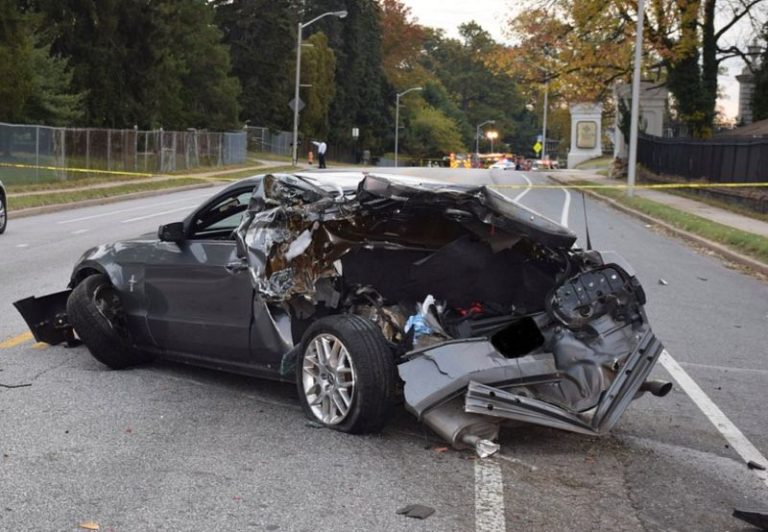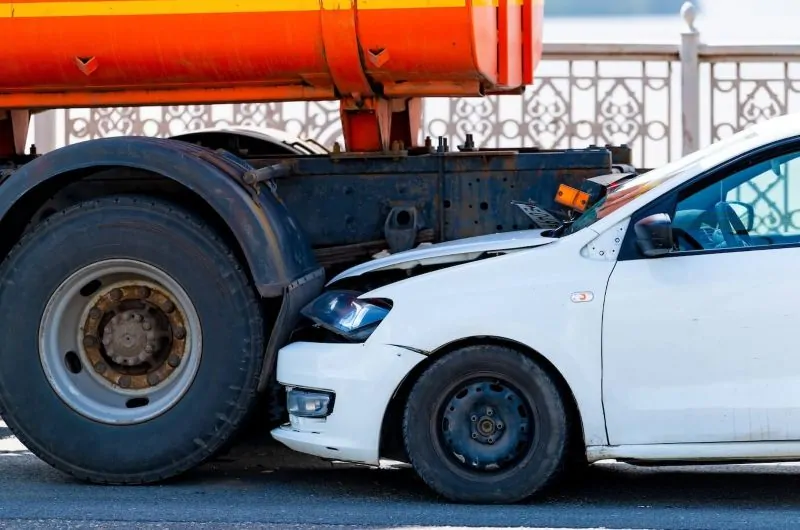
Commercial trucks are essential for moving goods through major US cities, but their size and weight can make collisions particularly serious. When a truck crash happens on a busy interstate, downtown street, or major junction, the aftermath can involve emergency medical care, traffic disruption, vehicle recovery, insurance investigations, and questions about who may be legally responsible.
Understanding what typically happens after a commercial truck crash can help those involved know what to expect during the hours, days, and weeks that follow.
Emergency Services Respond to the Scene
The immediate priority following a serious truck collision is safety. Police officers, firefighters, paramedics, and other emergency personnel may be dispatched depending on the severity of the crash.
In a major city, authorities may also need to close lanes, redirect traffic, or secure a large area around the collision. Commercial trucks can block several lanes, while damaged cargo, leaking fuel, or debris may create additional hazards.
People with injuries may be treated at the scene or transported to a hospital. Even when an injury initially appears minor, medical assessment can be important because some symptoms may develop later.
Police and Investigators Gather Evidence
Law enforcement officers will generally document a serious collision and may prepare an official crash report. This process can include speaking with drivers and witnesses, photographing the scene, recording vehicle positions, and noting visible road or weather conditions.
Truck accidents can also involve evidence that is not usually relevant in an ordinary two-car collision. Records relating to the commercial driver, trucking company, vehicle maintenance, cargo, and hours of service could potentially become important.
Electronic information may also exist. Many commercial vehicles use electronic logging devices and other systems capable of recording information about the truck’s operation.
The Vehicles and Cargo Are Cleared
Removing a damaged commercial vehicle from a busy urban road can be a substantial operation. Heavy-duty towing equipment may be required, particularly if a tractor-trailer has overturned or suffered significant damage.
Cargo can complicate matters further. A load that has spilled onto the roadway may need to be collected or transferred before the truck can be removed. Hazardous materials can require specialist handling and additional safety measures.
These factors help explain why a commercial truck collision can cause lengthy road closures even after injured people have left the scene.
Liability May Involve Several Parties
Determining responsibility can be more complicated in a commercial truck case than in many passenger-vehicle crashes. Depending on the circumstances, attention may turn to the truck driver, trucking company, vehicle owner, maintenance provider, cargo-loading company, or another road user.
For example, investigators may examine whether driver error contributed to the crash, whether the vehicle was properly maintained, or whether cargo was loaded and secured correctly.
Because state laws and individual circumstances differ, someone involved in a Florida collision may choose to speak with a Miami truck accident attorney about the legal issues that apply to their particular situation.
Insurance Claims and Legal Questions Follow
After the immediate emergency has passed, insurance companies may begin their own investigations. They can request statements, review evidence, assess vehicle damage, and consider questions of liability.
Claims following serious truck crashes may involve medical expenses, lost income, property damage, rehabilitation costs, and other losses. When injuries are severe, the long-term effects of the collision can also become relevant.
The Aftermath Can Continue for Months
The physical crash scene may be cleared within hours, but the wider consequences can last much longer. Medical treatment, vehicle repairs, insurance negotiations, investigations, and potential legal proceedings can extend for months or more.
For those involved, keeping relevant records and understanding the different stages of the process can make the aftermath of a major commercial truck collision easier to navigate.
About the Author