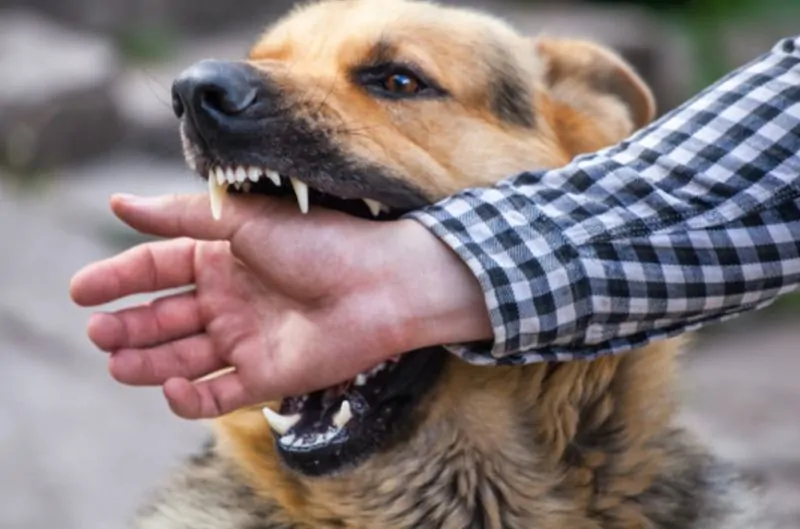
Texas is a state where sprawling communities, busy neighborhoods, and outdoor spaces bring people and animals into frequent contact. When a dog attack occurs, the consequences can extend well beyond the initial wound, particularly when medical treatment, lost income, or uncertainty about responsibility enters the picture. For an injured person, knowing when to seek legal assistance can be just as important as recognizing the physical seriousness of the bite.
Early legal guidance can help preserve important facts, identify potential sources of liability, and prevent an insurer’s early questions from shaping the claim before the full extent of the injury is known. This becomes especially valuable when the owner disputes what happened or the victim faces lasting physical or emotional effects. Speaking with a dog bite lawyer in Arlington can provide clarity about available options while treatment continues. For Texas victims, timely advice may protect both their recovery and their ability to pursue fair compensation.
Immediate Signs
During the first hours after an attack, most people focus on bleeding control, wound cleaning, tetanus review, and emergency assessment. That response is right, yet legal risks begin early as well. Photos fade in value once swelling changes, witnesses become less certain, and owners may shift their story after speaking with insurers. Prompt documentation often shapes the strength of any later claim.
Medical Treatment Matters
A bite that breaks the skin can worsen quickly. Saliva carries bacteria that may trigger cellulitis, abscess formation, fever, or a deeper soft-tissue infection. Hand injuries deserve close attention because tendons, joints, and small nerves sit near the surface. Children often suffer facial wounds because of their height and slower reflexes. Medical records also create a timeline that links symptoms, treatment, and future care needs.
When The Owner Denies Responsibility
Some owners accept what happened and share vaccination records without delay. Others blame the victim, minimize the animal’s behavior, or claim the dog had never shown aggression. Once stories are split, the claim becomes harder to resolve through simple conversation. Legal guidance helps gather prior complaints, leash history, and statements from neighbors or bystanders. Those details can clarify the fault before positions harden.
If Injuries Affect Daily Life
Many cases become more serious once ordinary routines change. A victim may miss work, avoid walking outside, struggle with sleep, or feel distressed while hearing barking nearby. Scars can also alter facial movement or limit joint range after tissue tightens. Compensation may include more than the first emergency bill. Ongoing therapy, future revision procedures, and lost wages often belong in the damage picture.
Texas Liability Can Be Hard To Prove
Texas does not use one simple rule for every dog bite claim. Some cases turn on negligence, while others depend on proof that an owner knew the animal had dangerous tendencies. That question usually rests on small details, such as prior lunging, earlier complaints, or failure to properly restrain the dog. A careful review of those facts can make a major difference.
Evidence Can Disappear Quickly
Dog bite claims rely on proof that does not stay fresh for long. Bruises change color, punctures close, security footage is deleted, and neighbors forget the exact details after a few weeks. Animal control files or vaccination records may also take time to obtain. Delay can weaken a strong case before negotiations even start. Fast collection keeps the timeline clear and medically consistent.
Insurance Problems Are a Warning
Insurance pressure often signals the need for legal help. Adjusters may request recorded statements before a victim knows the full extent of nerve pain, the risk of scarring, or future treatment needs. Early offers can appear reasonable while leaving out therapy, revision surgery, or missed earnings. Release forms may also limit later recovery. Professional review helps prevent costly mistakes at a vulnerable stage.
Deadlines Should Not Be Ignored
Time limits can end an otherwise valid claim. In Texas, personal injury lawsuits must usually be filed within 2 years of the bite date. Waiting also weakens the proof long before that deadline arrives. Medical memories fade, records scatter, and witnesses become harder to reach. An early review gives the victim room to act carefully rather than rushing after valuable time has already passed.
Conclusion
Dog bite victims should consider legal help when injuries require ongoing care, daily functioning declines, fault is disputed, or insurance tactics become difficult. Waiting can make a fair claim harder to prove because medical and factual evidence changes quickly. Prompt treatment remains the first priority, but legal guidance may become the next sensible step. In serious cases, early action can protect recovery and financial support.
About the Author