Some home repairs quietly wait their turn. Exterior ones usually don’t. The outside of a house deals with rain, sun, wind, and daily wear nonstop, so small issues tend to grow fast. A leaning gutter, a door that doesn’t close tightly, or a strange sound from the garage door might feel easy to ignore for a while. Unfortunately, outdoor damage rarely stays polite. It spreads, it worsens, and it usually becomes more expensive the longer it sits.
Many exterior problems start small and are very fixable. Taking action early keeps the house protected and prevents minor annoyances from turning into major repair projects.
Garage Doors That Suddenly Stop Operating Properly
Garage doors do a lot of work every single day. Between morning commutes, errands, and coming home in the evening, the door may open and close several times before the day is over. Inside the system are springs under heavy tension, cables carrying weight, rollers guiding the door, and a motor doing the lifting. When one piece begins wearing out, the entire setup starts acting differently.
A door that suddenly shakes, pauses halfway, or makes loud grinding noises is usually asking for attention. Continuing to use it in that condition only puts extra strain on the rest of the system. What begins as a worn roller or loose cable can quickly turn into a door that refuses to move at all. In situations like that, homeowners often need emergency garage door repair services to get the system working again and keep the garage secure.
Cracks in the Home’s Foundation or Exterior Walls
Small cracks outside often look harmless at first glance. A thin line in the concrete or brick might seem like something to deal with later. The issue begins once those cracks allow moisture to enter. Water slowly finds its way behind the surface where it can reach insulation, framing, and interior walls.
Temperature changes can make those cracks expand over time. When water enters and freezes, it pushes the crack wider, and the damage keeps spreading.
Exterior Doors That No Longer Seal Properly
Exterior doors should close firmly and seal tightly against the frame. After some time, though, hinges loosen, frames shift slightly, and weatherstripping wears down. The result is a door that lets in drafts, rainwater, or even insects.
Many homeowners first notice this when cold air slips through the edges in winter or when rainwater appears near the threshold. Fixing the issue usually involves adjusting the door alignment or replacing worn seals.
Gutters That Are Sagging or Pulling Away
Gutters may not get much attention until something goes wrong. Their job is simple but important: collect rainwater from the roof and move it safely away from the house. When gutters begin sagging or pulling loose, water starts overflowing instead of draining.
Overflowing water can run down siding, splash against windows, and pool near the foundation. Over time, that moisture can cause damage in multiple places. Reattaching loose sections or replacing broken brackets restores the system before rain starts creating bigger problems.
Loose or Damaged Siding Panels
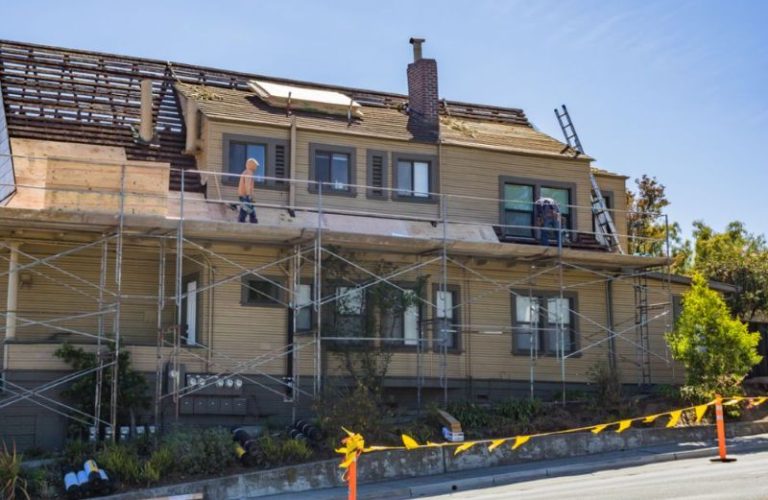
Siding is basically the home’s protective shell. It shields the structure from wind, rain, and outdoor debris. When panels loosen or crack, the barrier breaks, and the wall underneath becomes exposed.
Moisture entering behind siding can sit there unnoticed for quite a while. During that time, it may weaken wood, insulation, or framing materials. Fixing loose or damaged siding quickly keeps the outer layer of protection intact and helps the home stay dry and secure.
Exterior Staircases or Railings That Feel Unstable
Outdoor steps and railings get a lot of use and a lot of weather. Rain, sun, and temperature changes slowly wear down materials, especially wood and metal fasteners. A railing that wiggles slightly or a step that feels soft underfoot may not seem like a big deal in the moment, but those are early warning signs.
The longer the instability goes unaddressed, the more dangerous the staircase becomes. Loose boards can crack, supports can weaken, and someone using the stairs may end up getting hurt. Tightening hardware, replacing worn boards, or reinforcing supports keeps the structure safe before the problem turns into a real hazard.
Fence Sections That Are Leaning or Breaking Apart
Fences take constant exposure from wind, rain, and shifting soil. Over time, posts can loosen in the ground or panels can begin separating from the frame. A fence that leans slightly today can collapse after the next strong storm.
Repairing a leaning section early usually means resetting a post or securing loose panels. Waiting too long may require replacing entire sections of fencing. Quick fixes keep the boundary intact and prevent the damage from spreading along the rest of the fence line.
Detached Downspouts That No Longer Direct Water Away
Downspouts are meant to carry rainwater from gutters safely away from the house. When a downspout disconnects or bends out of place, water begins pouring directly beside the foundation.
However, that constant moisture can weaken soil and create pressure around the base of the home. Reattaching and redirecting downspouts keeps rainwater flowing where it belongs and protects the foundation from unnecessary stress.
Vent Covers That Become Loose or Damaged
Exterior vents allow air to move through spaces like attics, bathrooms, and laundry areas. Covers protect those openings from animals, rain, and debris while still allowing airflow.
When vent covers break or fall loose, birds, rodents, or insects may find their way inside. Rainwater can also enter through the opening. Replacing damaged vent covers quickly keeps air flowing properly while protecting the inside of the home.
Exterior problems rarely stay small for long. A loose panel, a leaning fence, or a cracked siding might seem easy to postpone, yet outdoor conditions keep pushing those weak spots further. Handling repairs early keeps the house protected and saves homeowners from much larger repair projects later.
About the Author