Most people still keep one small gift tucked somewhere in the house that somehow survived years of decluttering, while expensive presents quietly disappeared. Gadgets get outdated fast. Trendy items lose their charm. But smaller keepsakes tend to stay because they feel personal instead of rushed. A handmade porcelain piece or thoughtful collectible usually carries more emotional weight than oversized gifts bought quickly online just to fill an occasion. The question is, what makes some gifts more special than others?
Why Collectible Gifts Still Matter
Luxury gifts used to be associated mostly with price. Bigger jewelry, expensive handbags, oversized gift baskets. That style of gifting still exists, obviously, but people have started paying closer attention to personal meaning instead of pure cost alone.
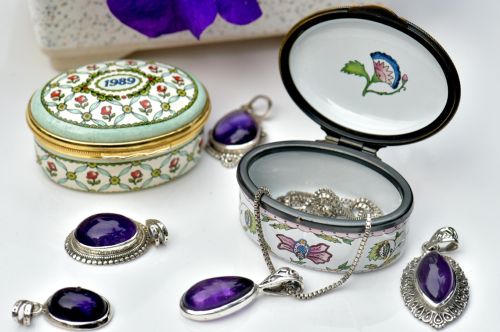
Smaller collectible items work differently because they feel more intentional. Someone notices the details. The hand-painted design. The tiny clasp. The craftsmanship probably took longer than expected. Gifts like that are usually displayed instead of hidden away because they become part of daily life inside a home.
There is also something comforting about objects made carefully by hand in a period where most products now feel temporary. Phones become outdated within two years. Trends rotate constantly online. Decorative keepsakes survive that cycle because they are not trying to compete with technology or convenience. They simply exist quietly in the background.
That is one reason collectors and gift buyers still look for places to buy Limoges boxes when searching for meaningful keepsakes tied to anniversaries, birthdays, or family traditions. People are often drawn to handcrafted porcelain pieces because they feel personal without needing to be overly dramatic or expensive in an obvious way.
People Started Valuing Thoughtfulness More
Gift giving started feeling strangely rushed once online shopping made everything available instantly. People sent generic items straight from warehouses because it was easy, not because the gift actually meant much. That shifted a little over time. Now people seem to notice thoughtful details more. A smaller luxury gift connected to someone’s hobbies, memories, pets, or personal style usually feels warmer than expensive things picked from trending lists five minutes before checkout.
Those gifts feel specific instead of automatic. Oddly enough, smaller keepsakes often leave stronger impressions because they do not look like someone was trying too hard to impress financially. The attention behind the gift matters more.
Decorative Keepsakes Became Part of Home Life Again
For a while, home décor trends made every room look perfectly clean but strangely lifeless, like nobody actually sat there after the photos were taken. People started drifting away from that a bit. Small keepsakes, porcelain pieces, framed collectibles, and vintage-style decorations slowly came back because homes began feeling too empty otherwise.
That shift grew stronger once people started spending more time at home for work and everyday life. Houses stopped being just places to sleep. Familiar objects suddenly mattered more because they made rooms feel lived in instead of staged. A small keepsake on a shelf does not sound important, but people notice those quiet details constantly without really thinking about it.
Handmade Objects Feel Different
Most products people buy now arrive fast, look identical, and get replaced not long after. Handmade pieces interrupt that cycle a little. Small imperfections in paint, texture, or design make an object feel more personal because it clearly passed through someone’s hands instead of rolling through a machine all day.
That slower craftsmanship changes how people connect to the item over time. Handmade collectibles tend to gather stories instead of losing relevance. A porcelain keepsake from years ago or a decorative box picked up during a trip quietly becomes attached to family memories. Those objects stay meaningful because people remember where they came from and who gave them.
Smaller Gifts Often Last Longer Emotionally
Large expensive gifts create excitement immediately, but smaller meaningful gifts tend to stay visible longer. A decorative keepsake placed on a shelf gets noticed repeatedly throughout everyday life. People interact with it casually for years.
That repeated visibility matters emotionally. Objects become attached to memories simply because they remain present during normal routines. Someone glances at the piece while cleaning, rearranging furniture, or walking through the room late at night. The gift becomes part of the environment instead of a temporary event.
This is probably why collectible gifts continue surviving despite changing consumer trends. They operate outside the normal cycle of constant upgrades and replacements. Nobody replaces a meaningful keepsake because a newer version came out six months later.
Luxury Became Quieter Over Time
Luxury stopped meaning giant logos and overly expensive things for a lot of people. Many buyers seem more interested now in craftsmanship, detail, and objects that feel personal instead of flashy. Smaller decorative collectibles fit naturally into that shift because they feel elegant without constantly demanding attention from everyone in the room.
People still enjoy beautiful gifts, obviously. That part never disappeared. But handcrafted keepsakes feel more lasting than trend-driven products that get replaced every season. Younger buyers especially seem drawn toward objects with history, artistry, or emotional connection behind them. Small luxury gifts ask people to slow down a little and actually notice the details again.
About the Author