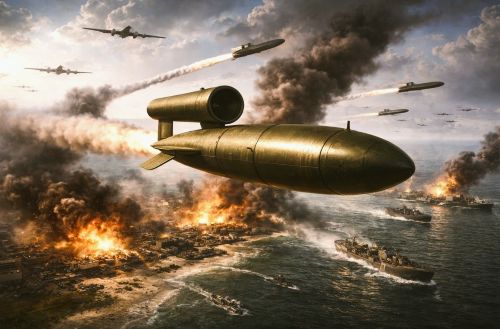
Early “aerial torpedoes” like the Kettering Bug and the V-1 flying bomb marked the first true steps toward automated warfare and modern uncrewed weapons systems.

By Matthew A. McIntosh
Public Historian
Brewminate
Introduction: Automating Destruction
The emergence of the “aerial torpedo” in the early twentieth century marked a decisive shift in the history of warfare, one that moved beyond the expansion of flight itself toward the mechanization of destruction. While the first military aircraft had been used primarily for reconnaissance and later for piloted bombing, the aerial torpedo presented a fundamentally different concept: a weapon that could be launched, guided, and delivered without a human pilot onboard. This separation of operator from weapon redefined the connection between human agency and mechanical execution, opening a new phase in which warfare could be conducted through pre-programmed systems rather than direct human control.
This transformation emerged from the technological and industrial conditions of World War I. The unprecedented scale of the conflict drove rapid innovation, as states sought new methods to overcome entrenched defenses and reduce the risks faced by their own personnel. The development of the Kettering Bug in 1918 reflected this environment of urgency and innovation. Designed as a pilotless aircraft capable of delivering explosives over a predetermined distance, it combined advances in gyroscopic stabilization, lightweight materials, and mechanical computation. Although never deployed in combat, the Bug represented the first serious attempt to translate the idea of automated aerial attack into a functioning mechanism.
The conceptual importance of the aerial torpedo lay in its redefinition of guidance. Unlike piloted aircraft, which allowed for real-time decision-making and adjustment, early self-guided weapons relied on pre-set instructions that governed their behavior from launch to impact. This presented a new form of warfare in which the human role was confined to design and initiation, while execution unfolded independently of ongoing human input. The implications of this shift extended beyond technology, raising questions about predictability, accountability, and the limits of human oversight in mechanized forms of conflict.
The trajectory from the Kettering Bug to the German V-1 flying bomb of World War II illustrates how this initial concept evolved into an operational reality. The V-1, deployed at scale against urban targets, demonstrated both the potential and the consequences of automated aerial weapons. The aerial torpedo represents a foundational moment in the transition from piloted warfare to automated systems, a transition that continues to shape modern military practice. What began as an experimental effort to automate flight would ultimately redefine how distance, control, and violence intersect in the conduct of war.
Prehistory of the Aerial Torpedo: Balloons, Bombs, and Early Concepts
The aerial torpedo of the early twentieth century developed from a longer history of attempts to deliver destructive force at a distance without direct human presence at the point of impact. Long before powered flight, military planners and inventors explored ways to exploit the vertical dimension of warfare, seeking to bypass fortifications and reach targets that were otherwise difficult to engage. These early efforts were often experimental and unreliable, yet they established a critical idea that would persist into later developments: that the mechanism of delivery could be separated from the human operator. This separation was not merely technical but conceptual, reflecting a growing willingness to imagine warfare as an activity mediated through devices operating beyond immediate human guidance. The origins of the aerial torpedo lie as much in evolving patterns of thought about war and technology as in any single invention or breakthrough.
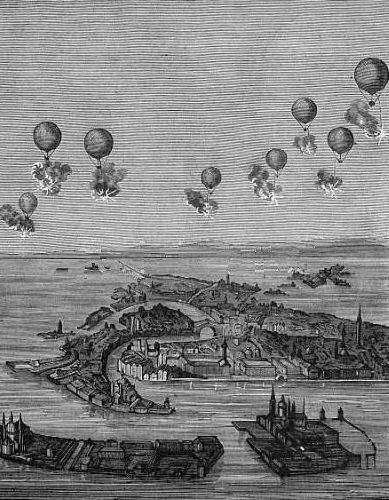
One of the clearest antecedents to the aerial torpedo can be found in the Austrian balloon bombardment of Venice in 1849. In that case, unmanned balloons carrying explosive or incendiary devices were released in the hope that prevailing winds would carry them over the city. While the operation achieved limited practical success, it demonstrated a preliminary effort to combine aerial delivery with the absence of a pilot. The balloons lacked any form of guidance beyond environmental drift, yet they embodied a conceptual shift toward remote attack that would reappear in more sophisticated forms decades later.
Throughout the nineteenth century, advances in explosives and delivery systems continued to expand the possibilities of indirect warfare. Artillery technology improved in both range and destructive capacity, allowing forces to strike targets from increasing distances. Naval warfare saw the development of self-propelled torpedoes, which introduced the idea of a weapon capable of traveling independently toward a target after launch. Although operating in a different domain, the torpedo concept shared an important feature with later aerial systems: once deployed, the weapon functioned without direct human control, following a predetermined path or mechanism.
The convergence of these developments created a conceptual foundation for the aerial torpedo. By the late nineteenth century, the concept of an unmanned, self-delivering weapon was no longer purely speculative. What remained was the challenge of integrating this concept with emerging aviation technologies. Early experiments in powered flight, along with improvements in gyroscopic stabilization and control mechanisms, made it increasingly feasible to imagine a flying device that could maintain a course without continuous human intervention. These technological trends did not yet produce a fully realized system, but they narrowed the gap between theoretical possibility and practical implementation. They encouraged military planners to think more deliberately about how such devices might be used in combat, shifting the idea of automated aerial attack from isolated experimentation toward something approaching strategic consideration.
The cultural and intellectual climate of the period encouraged such experimentation. The nineteenth century was marked by a growing faith in scientific progress and mechanical ingenuity, accompanied by a willingness to apply new discoveries to military purposes. Inventors and engineers operated within a framework that valued innovation as both a practical and symbolic achievement. The notion of a weapon that could navigate the air autonomously, even in a limited sense, fit within this broader pattern of technological ambition. It reflected not only a desire for military advantage but also a fascination with extending human capability through machines.
By the onset of World War I, these various strands (balloon experiments, advances in explosives, the development of torpedoes, and progress in aviation) had converged to make the aerial torpedo a plausible, if still experimental, form of weaponry. The transition from concept to implementation would occur under the pressures of industrialized warfare, where the demand for new methods of attack accelerated the pace of innovation. In this context, the aerial torpedo can be understood as the product of a long process of conceptual and technological accumulation, rather than a sudden or isolated invention.
World War I Innovation Context: Industrial War and Experimentation
World War I created conditions unlike any previous conflict, combining industrial capacity with mass mobilization on an unprecedented scale. The war’s static lines, particularly on the Western Front, forced military planners to confront the limitations of traditional tactics. Trench systems, barbed wire, and machine-gun fire made direct assaults extraordinarily costly, producing a strategic stalemate that demanded new solutions. Innovation was not merely encouraged but required, as nations sought technological means to break the deadlock and gain advantage over entrenched adversaries.
The industrial nature of the conflict fundamentally reshaped the relationship between technology and warfare. Factories, laboratories, and engineering firms became integral components of the war effort, contributing to the rapid development of new weapons platforms. Advances in metallurgy, chemistry, and mechanical engineering enabled the production of more powerful artillery, more reliable aircraft, and increasingly sophisticated munitions. Governments coordinated closely with private industry and scientific communities, creating a network of innovation that blurred the boundaries between civilian and military domains. This integration increased the speed at which experimental ideas could be transformed into operational technologies.
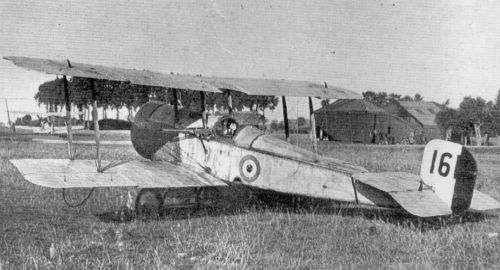
Aviation, still in its infancy at the outbreak of the war, underwent particularly rapid development. Initially used for reconnaissance, aircraft quickly evolved into platforms for combat, including dogfighting and bombing missions. Pilots began carrying small explosive devices, which were later replaced by more standardized aerial bombs. Despite these advancements, piloted aircraft remained vulnerable to enemy fire and mechanical failure, and their effectiveness was constrained by the endurance and skill of the individuals operating them. These limitations encouraged consideration of alternatives that could reduce the risks associated with human flight while maintaining or expanding offensive capability.
Within this broader context of experimentation, the principle of the aerial torpedo gained renewed relevance. The idea of a pilotless aircraft capable of delivering explosives aligned with the strategic priorities of minimizing casualties and overcoming defensive barriers. Engineers and military planners began to explore how existing technologies, such as gyroscopes and timing mechanisms, might be combined to create a self-guided weapon. These efforts reflected a shift toward thinking of weapons not only as tools operated by humans but as systems capable of executing pre-defined actions independently once deployed.
The urgency of wartime conditions also meant that many of these innovations were pursued simultaneously and often without the benefit of extensive testing. Prototypes were developed rapidly, sometimes with incomplete understanding of their limitations, and were evaluated under the pressures of immediate strategic need. This context fostered a culture of trial and error, in which failure was an expected part of the innovation process. Military authorities were often willing to tolerate a high degree of uncertainty if a proposed system offered even a marginal chance of breaking the strategic deadlock. Experimental designs could move from concept to prototype with remarkable speed, even when their operational viability remained unclear. The Kettering Bug emerged from this context, embodying both the ambition and the uncertainty that characterized wartime experimentation, as well as the willingness of military planners to invest in ideas that pushed beyond the limits of established practice.
World War I can be understood as a turning point in the history of military technology, where the scale of conflict and the demands of industrial warfare combined to accelerate innovation in unprecedented ways. The development of aerial torpedoes was not an isolated phenomenon but part of a broader pattern in which new ideas were rapidly conceived, tested, and, in some cases, abandoned. The war did not resolve all the challenges associated with automated aerial weapons, but it established the conditions under which such concepts could be seriously pursued, setting the stage for further refinements in the decades that followed.
The Kettering Bug: America’s First Flying Bomb
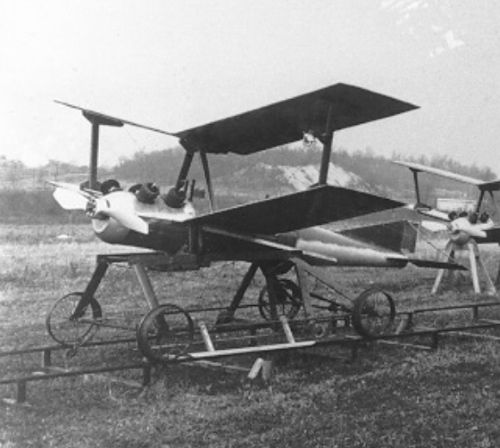
The Kettering Bug represents one of the earliest and most significant attempts to create a fully automated aerial weapon. Conceived as an “aerial torpedo,” the device was designed to fly a predetermined distance before delivering an explosive payload onto a target. Unlike conventional aircraft, it carried no pilot and required no in-flight control once launched. This marked a decisive step beyond earlier experiments in aerial warfare, introducing a system in which human involvement was limited to design, programming, and initiation. In doing so, the Kettering Bug embodied a new vision of combat in which machines could execute destructive missions independently.
The project was led by Charles F. Kettering, an American engineer and inventor, in collaboration with the Dayton-Wright Airplane Company and with support from the United States Army Signal Corps. Drawing on expertise from both industrial and academic contexts, the team sought to create a lightweight, cost-effective device capable of reaching enemy positions without risking a pilot’s life. The Bug was constructed as a small biplane, with a wingspan of approximately fifteen feet, made from wood and papier-mâché to minimize weight. Powered by a relatively simple engine, it was designed to be mass-produced, reflecting the industrial logic of World War I in which quantity and efficiency were often as important as precision. The involvement of industrial partners highlights the increasingly close relationship between private enterprise and military innovation during the war, as companies adapted their engineering capabilities to meet the demands of modern conflict. The project illustrates how experimental ideas were translated into tangible prototypes through collaborative networks that combined theoretical knowledge with practical manufacturing expertise.
At the core of the Kettering Bug’s design was its guidance system, which combined gyroscopic stabilization with a mechanical counting device. The gyroscope helped maintain directional stability during flight, while the onboard mechanism counted engine revolutions to estimate the distance traveled. Once the predetermined number of revolutions had been reached, the engine would shut off and the wings would detach, causing the fuselage to fall toward the ground with its explosive payload. This technology represented an early form of programmed flight, in which the path and endpoint of the weapon were determined before launch rather than adjusted during operation. Although rudimentary by modern standards, it marked a significant innovation in the attempt to automate aerial attack.
Despite its conceptual importance, the Kettering Bug was never used in combat. Testing revealed a range of practical challenges, including issues with reliability, accuracy, and consistency. Mechanical failures were not uncommon, and the device’s dependence on pre-set calculations made it vulnerable to variations in environmental conditions. By the time the Bug approached readiness for deployment, the war was nearing its end, reducing the urgency of introducing an unproven system into active operations. The project remained an experimental effort rather than a battlefield weapon.
Nevertheless, the Kettering Bug occupies a crucial place in the history of military technology. It demonstrated that the idea of an automated flying weapon was not only conceivable but technically achievable within the constraints of early twentieth-century engineering. Although it did not directly influence immediate wartime outcomes, it established key principles that would reappear in later advancements, including the use of pre-programmed guidance and the separation of operator from weapon. The Bug stands as an early milestone in the evolution of uncrewed aerial warfare, bridging the gap between conceptual experimentation and the more advanced systems that would follow.
Automation without Control: Limits of the Kettering Bug
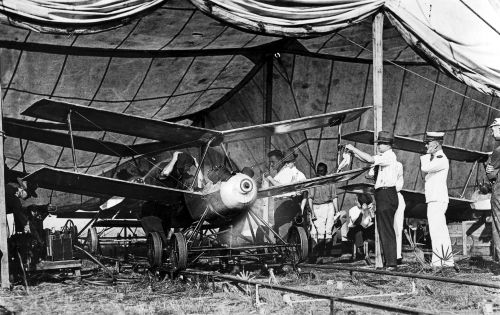
The Kettering Bug demonstrated that automated flight was technically achievable, but it also exposed the fundamental limitations of early attempts at uncrewed warfare. Its design relied entirely on pre-programmed instructions set before launch, with no capacity for adjustment once airborne. This absence of real-time guidance meant that the Bug could not respond to changing conditions, whether environmental or mechanical. The system embodied automation without adaptability, a combination that constrained its practical usefulness despite its conceptual innovation.
One of the most significant limitations was its dependence on precise calculations that were difficult to guarantee under operational conditions. The Bug’s guidance system required accurate estimates of distance, engine performance, and atmospheric conditions to deliver its payload to the intended target. Any variation in these factors could result in substantial deviation from the planned trajectory. Wind introduced a level of unpredictability that could not be corrected once the device was in flight. This reliance on static inputs in a dynamic environment highlighted the gap between theoretical design and practical execution. Even small discrepancies in engine output or fuel consumption could alter the total number of revolutions counted, leading the system to terminate flight either too early or too late. Because the mechanism depended on cumulative measurements rather than continuous positional awareness, errors could compound over time rather than being corrected. The result was not simply inaccuracy, but a structural inability to ensure consistent performance across repeated deployments.
Mechanical reliability posed an additional challenge. The Bug’s relatively simple construction, while advantageous for mass production, made it vulnerable to failure in critical components such as the engine, guidance system, or structural frame. Even minor malfunctions could disrupt the sequence of operations required for successful deployment, preventing the device from reaching its target or triggering its payload as intended. These issues were compounded by the experimental nature of the technology, which had not yet undergone the extensive testing and refinement necessary for consistent performance in combat conditions.
These limitations reveal a central paradox in the early history of automated weapons. The Kettering Bug succeeded in removing the human pilot from the aircraft, thereby reducing immediate risk to personnel, but it did so at the cost of control and precision. The system could execute a predetermined plan, but it could not adapt to unforeseen circumstances or correct its own errors. This trade-off between automation and control would remain a defining challenge in the development of uncrewed systems, shaping the evolution of later technologies that sought to combine independence of operation with increasing levels of guidance and reliability.
Interwar Developments: Refining the Idea of Remote Weapons
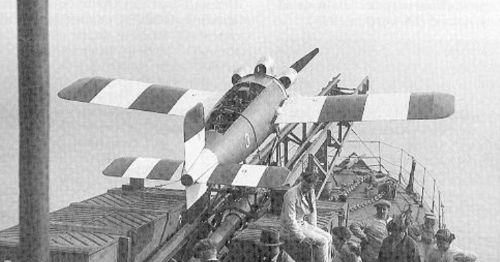
The period between World War I and World War II witnessed a gradual but significant refinement of the concepts introduced by early aerial torpedoes such as the Kettering Bug. Although the Bug itself was never deployed in combat, it demonstrated that automated flight was technically possible, encouraging further experimentation in the decades that followed. Military planners and engineers did not abandon the idea of uncrewed aerial weapons but instead sought to overcome the limitations that had constrained earlier designs, particularly in the areas of control, reliability, and accuracy.
One of the most important developments during the interwar years was the improvement of guidance technologies. Advances in gyroscopic stabilization allowed for more consistent control of flight direction, while the introduction of radio control systems opened the possibility of adjusting a device’s trajectory after launch. Early radio-controlled aircraft were often used as target drones for anti-aircraft training, providing a practical application that helped refine both the technology and the operational procedures associated with unmanned flight. These systems represented a shift from fully pre-programmed behavior toward forms of remote control that allowed for human intervention during operation.
Advances in aeronautical engineering contributed to more stable and reliable airframes. Improvements in engine performance, materials, and aerodynamic design increased the range and endurance of aircraft, making it more feasible to consider uncrewed systems for offensive purposes. The interwar period also saw the expansion of military aviation doctrines, particularly the growing emphasis on strategic bombing as a means of targeting industrial and urban centers. Within this evolving framework, the idea of pilotless weapons aligned with broader efforts to extend the reach of air power while reducing the risks associated with manned missions. These developments did not immediately produce operational systems, but they reshaped how military planners conceptualized the role of air power, encouraging a more systematic consideration of automation as part of long-term strategic planning. The increasing integration of technology into military doctrine reflected a shift from ad hoc experimentation toward more deliberate and sustained efforts to incorporate uncrewed capabilities into future conflict scenarios.
Despite these advances, significant challenges remained. Radio control systems were limited by range, signal interference, and vulnerability to disruption, while fully autonomous systems still lacked the sophistication required for reliable navigation. Much of the experimentation during this period remained confined to testing and training rather than operational deployment. Nevertheless, these efforts played a crucial role in bridging the gap between early conceptual designs and the more effective systems that would emerge during World War II.
By the late 1930s, the idea of the aerial torpedo had evolved from a speculative concept into a field of active development. The combination of improved guidance systems, more reliable aircraft design, and a growing emphasis on air power created the conditions for the next major step in automated aerial warfare. This transition would become evident during World War II, when technologies that had been refined during the interwar years were deployed on a scale that transformed both the practice and the perception of remote attack. The groundwork laid during this period ensured that subsequent innovations would not emerge in isolation but as the culmination of sustained experimentation and doctrinal evolution. The interwar years functioned as a critical bridge between early experimentation and large-scale application, connecting the conceptual breakthroughs of World War I with the operational realities of World War II.
The V-1 Flying Bomb: Automation at Scale
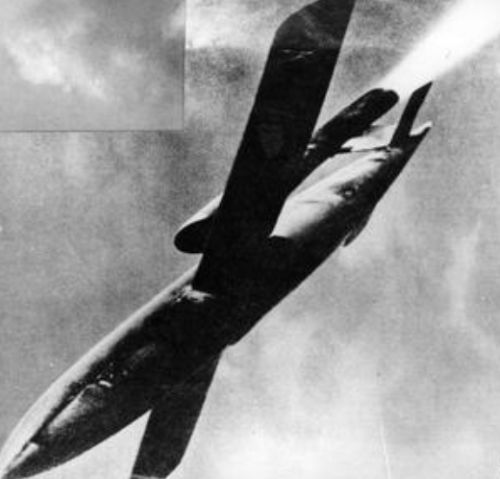
The German V-1 flying bomb, introduced in 1944, represented the first large-scale operational deployment of an automated aerial weapon. Known to the British as the “buzz bomb” or “Doodlebug,” the V-1 was designed to strike targets at a distance without the need for a pilot, embodying the core principles first explored in earlier aerial torpedo concepts. Unlike experimental systems such as the Kettering Bug, the V-1 was produced in significant numbers and integrated into a broader strategic campaign, marking a transition from isolated innovation to systematic application. This shift from experimental prototype to mass-deployed weapon reflected the growing capacity of industrialized warfare to absorb and scale new technologies rapidly. It also signaled a conceptual turning point, in which automation was no longer a speculative possibility but an accepted component of modern military strategy, capable of being deployed repeatedly and with measurable operational effect.
At the heart of the V-1’s design was its pulsejet engine, a relatively simple but effective propulsion system that produced a distinctive buzzing sound during flight. This engine allowed the missile to maintain a consistent speed and altitude, making it suitable for long-distance travel. The simplicity of the design also facilitated mass production, aligning with Germany’s wartime emphasis on developing weapons that could be manufactured quickly and deployed in large quantities. The result was a weapon that combined technological ingenuity with industrial scalability, enabling sustained attacks over an extended period.
The V-1’s guidance system, while still limited by modern standards, represented a notable advance over earlier automated weapons. It used a gyroscopic autopilot to maintain direction, along with an air-driven log to measure distance traveled. Once the predetermined range was reached, the engine would shut off, causing the missile to descend and detonate upon impact. This system provided a degree of predictability that had been absent in earlier designs, reducing reliance on environmental factors such as wind and allowing for more consistent targeting. Although accuracy remained relatively low, the V-1 demonstrated that automated aerial attack could be executed with a level of reliability sufficient for operational use.
The strategic deployment of the V-1 focused primarily on urban centers, most notably London and later Antwerp. Launched from sites in occupied Europe, the missiles were intended to inflict both physical damage and psychological distress on civilian populations. The sheer volume of attacks amplified their impact, as waves of V-1s created a persistent sense of threat. While Allied defenses, including anti-aircraft guns and fighter interceptions, eventually reduced their effectiveness, the initial phase of the campaign revealed the disruptive potential of automated weapons when used at scale.
The psychological dimension of the V-1 campaign was particularly notable. The distinctive sound of the pulsejet engine became a source of anxiety for those under attack, as its sudden silence often signaled an imminent explosion. This combination of auditory warning and unpredictable impact contributed to a climate of tension that extended beyond immediate physical damage. Civilians learned to interpret the rhythm of the engine as an indicator of danger, creating a form of involuntary vigilance that blurred the boundary between anticipation and fear. In this respect, the V-1 functioned not only as a weapon of destruction but also as an instrument of psychological warfare, reinforcing the idea that automated systems could influence both material and emotional aspects of conflict. The experience of living under the threat of these weapons revealed how technology could reshape not only the battlefield but also the daily lives of those far removed from direct combat.
The V-1 flying bomb represents a critical stage in the evolution of automated warfare, bridging the gap between early experimental devices and more advanced guided weapons. It demonstrated that the concept of an uncrewed, self-directed aerial weapon could be translated into a practical and scalable system, even if significant limitations remained. By bringing automation into the realm of operational strategy, the V-1 helped establish patterns of warfare that would continue to develop in the decades that followed, shaping the trajectory of missile technology and unmanned systems.
Terror from Above: Psychological and Strategic Impact of the V-1
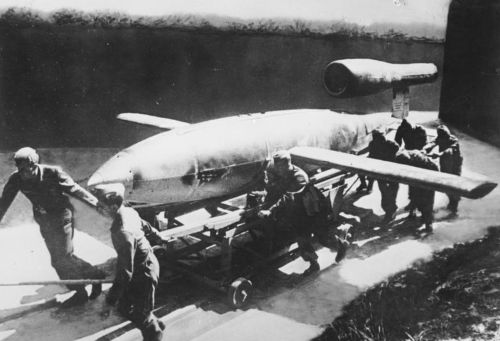
The V-1 flying bomb was not merely a technological innovation but a weapon designed to exert pressure far beyond its destructive physical capacity. Its primary targets were urban populations, and its deployment reflected a broader strategic logic in which civilian morale became an explicit objective of warfare. By striking cities such as London and Antwerp, the V-1 campaign sought to disrupt daily life, undermine public confidence, and demonstrate the reach of German military power. The weapon functioned as both a military instrument and a psychological tool, aimed at reshaping the experience of war for those far removed from the front lines.
The psychological impact of the V-1 was closely tied to its distinctive mode of operation. The pulsejet engine produced a recognizable sound that signaled the approach of the missile, creating a moment of anticipation that was often more distressing than the explosion itself. Civilians learned to associate the abrupt cessation of the engine noise with imminent impact, producing a pattern of anxiety that was both immediate and prolonged. This combination of warning and uncertainty generated a unique form of psychological strain, as individuals were forced to confront the possibility of sudden destruction without any meaningful ability to respond. This experience shaped patterns of behavior and perception, as people adjusted their daily routines in response to the threat, sought shelter more frequently, and developed heightened sensitivity to auditory cues. The psychological burden was not confined to moments of attack but extended into periods of relative calm, where the expectation of danger remained ever-present.
Strategically, the V-1 campaign reflected an effort to compensate for Germany’s declining position in the war. As conventional military options became increasingly constrained, the use of automated weapons offered a means of continuing offensive operations against Allied territories. The relatively low cost and high production volume of the V-1 made it an attractive option for sustained attacks, even if individual strikes lacked precision. In this context, effectiveness was measured less in terms of accuracy and more in terms of cumulative impact, both physical and psychological.
Despite its disruptive effects, the V-1 ultimately fell short of achieving its strategic objectives. Allied defenses adapted over time, employing radar detection, anti-aircraft artillery, and fighter interception to reduce the number of missiles reaching their targets. These countermeasures demonstrated that even relatively simple automated weapons could be mitigated through coordinated defensive strategies. Moreover, the resilience of civilian populations limited the extent to which psychological pressure translated into strategic advantage, underscoring the difficulty of achieving decisive outcomes through terror-based tactics alone. While the attacks caused significant damage and loss of life, they did not produce the collapse in morale or political will that German planners had hoped to achieve. Instead, they often reinforced public determination, illustrating the limits of technological intimidation when confronted with organized defense and social cohesion.
Nevertheless, the V-1 campaign marked a significant moment in the history of warfare, illustrating how technological innovation could extend the reach of conflict into civilian spaces on an unprecedented scale. It highlighted the capacity of automated systems to shape both the physical and emotional dimensions of war, influencing not only the conduct of military operations but also the lived experience of those subjected to them. In doing so, it established patterns that would persist in later developments, where the psychological effects of remote and automated weapons became an integral part of their strategic value.
Control, Automation, and Responsibility
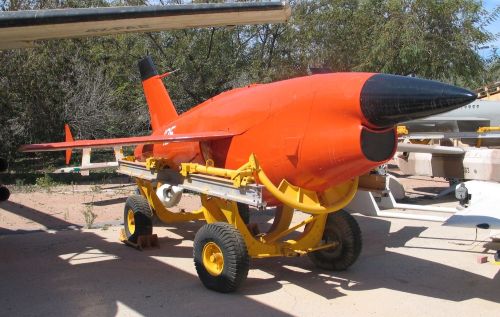
The development of early self-directing weapons such as the Kettering Bug and the V-1 flying bomb raised fundamental questions about control in warfare, particularly regarding the relationship between human intention and mechanical execution. In traditional combat, the individual who deploys a weapon maintains some degree of direct oversight over its use, even if only momentarily. Automated systems disrupt this relationship by separating the moment of decision from the moment of impact. Once launched, these weapons operate according to pre-established parameters, executing actions without further human intervention. This separation complicates the notion of oversight, as the human role becomes one of design and initiation rather than continuous direction.
The shift in control has direct implications for responsibility. If a weapon functions autonomously after deployment, determining accountability for its effects becomes more complex. Responsibility can no longer be assigned solely to the individual who triggers the weapon, as its behavior is shaped by a combination of design choices, technical constraints, and environmental factors. Engineers, planners, and commanders all contribute to the conditions under which the system operates, creating a distributed form of responsibility that is less clearly defined than in traditional forms of combat. The use of automated weapons introduces a layered structure of accountability that challenges existing legal and ethical frameworks.
Automation can be understood as both a solution to and a source of uncertainty. On one hand, removing the human operator from the immediate context of danger reduces the risk to personnel and allows for the execution of missions that might otherwise be too hazardous. On the other hand, the absence of real-time human judgment limits the ability to adapt to changing circumstances or to exercise discretion in the use of force. Early systems such as the V-1, which could not distinguish between military and civilian targets once launched, illustrate the potential consequences of this limitation. The inability to reassess a target or abort a mission once conditions changed meant that errors were effectively locked into the system from the moment of launch. This rigidity highlights the tension between efficiency and oversight, as the very features that made automated weapons attractive also constrained their ethical and operational flexibility. Automation did not eliminate uncertainty but rather relocated it, embedding risk within the design and deployment of the system itself.
These issues did not disappear with the end of World War II but instead became more pronounced as automated systems grew more sophisticated. The early aerial torpedoes established a pattern in which increasing technological capability was accompanied by ongoing debates about control and responsibility. While later technology would introduce more advanced guidance systems and forms of remote operation, the fundamental questions raised by these early weapons remained unresolved. The history of the aerial torpedo is not only a story of technological innovation but also an early chapter in a continuing discussion about the ethical and practical limits of automated warfare.
From Aerial Torpedoes to Cruise Missiles and Drones
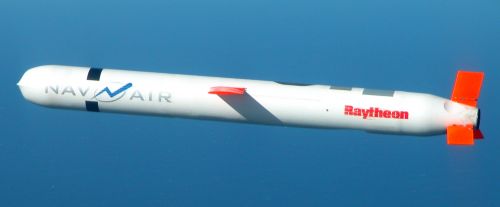
The transition from early aerial torpedoes to modern cruise missiles and drones reflects a gradual but profound evolution in both technology and military doctrine. Systems such as the Kettering Bug and the V-1 flying bomb established the foundational principle that a weapon could travel to its target without a pilot, guided instead by pre-programmed mechanisms. This principle was refined through advances in propulsion, navigation, and control, transforming rudimentary automated devices into highly sophisticated systems capable of precise and adaptable operations.
One of the most significant developments in this trajectory was the improvement of guidance technology. Early systems relied on mechanical or analog methods, such as counting engine revolutions or maintaining directional stability through gyroscopes. In the postwar period, these methods were supplemented and eventually replaced by more advanced technologies, including inertial navigation systems, terrain-following radar, and later satellite-based guidance. These innovations allowed weapons to adjust their course during flight, significantly increasing accuracy and reliability. The shift from fixed trajectories to dynamic navigation marked a decisive step toward greater control within automated systems.
Propulsion technologies evolved to support longer ranges and more efficient flight. The pulsejet engine of the V-1, while effective for its time, was eventually superseded by turbojet and turbofan engines that offered improved performance and fuel efficiency. These advancements enabled the development of cruise missiles capable of traveling vast distances at relatively low altitudes, reducing their visibility to radar and enhancing their survivability. The combination of improved propulsion and guidance transformed the concept of the aerial torpedo into a versatile and strategically significant class of weapons.
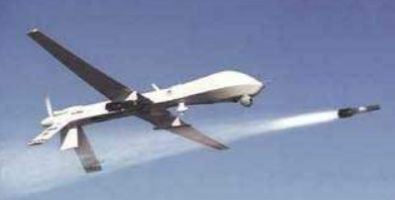
The emergence of unmanned aerial vehicles, or drones, introduced a further dimension to this evolution by reintroducing elements of real-time human control. Unlike earlier automated weapons, which operated entirely according to pre-set instructions, many modern drones are remotely piloted, allowing operators to make decisions during flight. This hybrid model combines automation with human oversight, enabling greater flexibility in targeting and mission execution. Operators can respond to changing conditions, verify targets, and, in some cases, abort missions if circumstances shift, capabilities that were entirely absent in early systems such as the Kettering Bug or the V-1. The reliance on remote operation introduces its own complexities, including communication delays, signal vulnerabilities, and the psychological distance between operator and target. Parallel to this development, efforts to create fully autonomous drones continue, driven by advances in artificial intelligence and sensor technology. These systems aim to operate with minimal or no human intervention, raising renewed questions about the balance between efficiency, control, and ethical oversight. The evolution of drones reflects both continuity with earlier automated weapons and a significant expansion of their conceptual and practical possibilities.
These technological advances were accompanied by changes in military strategy. The ability to strike targets with high precision from long distances reshaped the conduct of warfare, reducing the need for large-scale troop deployments in certain contexts. Cruise missiles and drones became central to strategies emphasizing targeted strikes and limited engagement, particularly in conflicts where minimizing casualties and political risk was a priority. This shift also influenced the broader perception of warfare, as the visibility of conflict decreased even as its technological sophistication increased.
Despite these advancements, the fundamental issues identified in early aerial torpedo systems remain relevant. Questions of accuracy, reliability, and responsibility continue to shape debates about the use of uncrewed and automated weapons. While modern systems have addressed many of the technical limitations of their predecessors, they have also introduced new challenges, particularly in the areas of ethical oversight and strategic stability. The lineage from the Kettering Bug to contemporary drones represents not only a story of technological progress but also a continuous negotiation between innovation and its consequences.
Historiography: Innovation, Myth, and Retrospective Meaning
The historical interpretation of early automated weapons such as the Kettering Bug and the V-1 flying bomb has evolved significantly, reflecting broader shifts in how historians understand technological innovation. Early accounts often framed these devices as precursors to modern systems, emphasizing their role as the “first” examples of drones or cruise missiles. While such interpretations highlight continuity, they can also impose a retrospective coherence that obscures the experimental and uncertain nature of these technologies in their own historical context. The tendency to view past innovations through the lens of present capabilities risks simplifying the complexity of their development and use.
A central issue in the historiography is the balance between novelty and continuity. Some scholars emphasize the groundbreaking aspects of early aerial torpedoes, portraying them as radical departures from previous forms of warfare. Others stress the ways in which these systems built upon existing technologies, such as artillery, torpedoes, and early aviation. This debate reflects a broader question in the history of technology: whether innovation should be understood as a series of discrete breakthroughs or as a gradual process of accumulation and refinement. In the case of automated weapons, both perspectives offer valuable insights, highlighting different aspects of their development. This historiographical tension reveals how interpretive frameworks can shape the perceived significance of a technology, elevating certain features while minimizing others. By situating these weapons within broader patterns of technological change, historians can better account for the interplay between incremental improvement and conceptual transformation that defines much of modern military innovation.
The interpretation of these weapons is also shaped by the narratives constructed around them. The Kettering Bug, for example, is frequently described as a pioneering invention, yet its lack of combat use complicates its historical significance. Similarly, the V-1 is often remembered primarily for its impact on civilian populations, which can overshadow its technical characteristics and strategic context. These narrative choices influence how the weapons are understood, emphasizing certain features while downplaying others. Historians must navigate the tension between storytelling and analysis, ensuring that interpretive frameworks do not distort the historical record.
Myth plays a significant role in shaping perceptions of early automated weapons. Popular accounts and media representations often exaggerate their capabilities or present them as more advanced than they actually were. The V-1, for instance, is sometimes depicted as a highly precise weapon, despite its relatively low accuracy. Similarly, the Kettering Bug is occasionally portrayed as a direct ancestor of modern drones, overlooking the substantial technological and conceptual gaps between the two. These myths can reinforce simplified narratives that obscure the limitations and uncertainties inherent in early systems.
Retrospective analysis can reveal patterns that were not apparent to contemporaries. By examining early aerial torpedoes within a longer historical trajectory, historians can identify continuities that link them to future advances in missile technology and unmanned systems. This perspective does not negate the experimental nature of these devices but situates them within a broader process of technological evolution. It allows for a more nuanced understanding that acknowledges both their limitations and their contributions.
Ultimately, the historiography of early automated weapons reflects the challenges of interpreting technologies that exist at the intersection of innovation, experimentation, and narrative construction. The Kettering Bug and the V-1 flying bomb can be understood both as products of their specific historical contexts and as part of a longer trajectory that extends into the present. Recognizing this dual character requires careful attention to the ways in which historical meaning is constructed, ensuring that analysis remains grounded in evidence while remaining open to broader patterns of continuity and change. This approach also demands a critical awareness of how present-day concerns, particularly those surrounding modern drones and autonomous systems, influence the interpretation of earlier technologies. By acknowledging these interpretive pressures, historians can better avoid projecting contemporary assumptions onto the past, preserving the distinctiveness of historical experience while still engaging with its ongoing relevance.
Conclusion: The Birth of Automated Warfare
The development of aerial torpedoes in the early twentieth century marked a decisive turning point in the history of warfare, introducing the possibility that machines could carry out destructive acts independently of direct human control. From the experimental design of the Kettering Bug to the large-scale deployment of the V-1 flying bomb, these technologies transformed the relationship between operator and weapon. What began as an attempt to solve practical military problems evolved into a broader redefinition of how war could be conducted, extending the reach of violence while altering its mechanisms of execution. This transformation was not immediate or uniform but emerged through a series of experimental efforts, each contributing incrementally to a new understanding of what technology could achieve in combat. By the end of World War II, the concept of automated aerial attack had moved from speculative possibility to operational reality, establishing a foundation upon which later generations of weapons would be built.
These early systems were limited in accuracy and reliability, yet their significance lies not only in their performance but in the concepts they introduced. The idea that a weapon could be programmed to carry out a mission without further intervention represented a fundamental shift in military thinking. It separated decision-making from action in new ways, creating a temporal and spatial distance between those who initiated an attack and those who experienced its consequences. This separation would become a defining feature of later developments in missile technology and unmanned systems.
The emergence of automated warfare raised enduring questions about control, responsibility, and the ethical boundaries of technological innovation. The limitations of early systems highlighted the risks associated with removing human judgment from the immediate context of action, while their potential demonstrated the appeal of reducing exposure to danger for those deploying them. These tensions did not disappear with technological progress but instead became more complex as systems grew more capable, ensuring that debates about automation would remain central to discussions of modern warfare.
The aerial torpedo can be understood as both a product of its historical moment and a precursor to ongoing transformations in military technology. The Kettering Bug and the V-1 flying bomb were not fully realized solutions but early expressions of a broader trajectory that continues to unfold. Their legacy lies in the way they redefined the possibilities of warfare, establishing patterns that would shape the development of cruise missiles, drones, and other automated systems. The birth of automated warfare is not confined to a single invention or period but represents the beginning of a continuing evolution in how humans conceive, design, and deploy instruments of conflict.
Bibliography
- Boyne, Walter J. The Influence of Air Power upon History. Gretna: Pelican Publishing, 2003.
- Cho, Yeonmin. “Lost in Debate: The Safety of Domestic Unmanned Aircraft Systems.” Journal of Strategic Security 7:4 (2014), 38-56.
- Edgerton, David. The Shock of the Old: Technology and Global History since 1900. Oxford: Oxford University Press, 2006.
- —-. Warfare State: Britain, 1920–1970. Cambridge: Cambridge University Press, 2006.
- Fitzsimons, Bernard, ed. The Illustrated Encyclopedia of 20th Century Weapons and Warfare. New York: Columbia House, 1977.
- Freedman, Lawrence. The Future of War: A History. New York: PublicAffairs, 2017.
- Hall, Abigail R. and Christopher J. Coyne. “The Political Economy of Drones.” Defence and Peace Economics 25:5 (2014), 445-460.
- Hallion, Richard P. Taking Flight: Inventing the Aerial Age, from Antiquity through the First World War. Oxford: Oxford University Press, 2003.
- Hirschberg, Michael J. “American Attack Unmanned Aerial Vehicles (UAVs): A Century of Progress.” SAE Transactions 112:1 (2003), 712-721.
- Hughes, Thomas P. Networks of Power: Electrification in Western Society, 1880–1930. Baltimore: Johns Hopkins University Press, 1983.
- Keegan, John. The First World War. New York: Vintage Books, 1998.
- Needham, Joseph. Science and Civilisation in China, Volume 5: Chemistry and Chemical Technology. Cambridge: Cambridge University Press, 1986.
- Neufeld, Michael J. The Rocket and the Reich: Peenemünde and the Coming of the Ballistic Missile Era. New York: Free Press, 1995.
- Overy, Richard. The Bombing War: Europe 1939–1945. London: Allen Lane, 2013.
- Singer, P. W. Wired for War: The Robotics Revolution and Conflict in the 21st Century. New York: Penguin Press, 2009.
- Strachan, Hew. The First World War. New York: Penguin Books, 1993.
- van Creveld, Martin. Technology and War: From 2000 B.C. to the Present. New York: Free Press, 1989.
- Werrell, Kenneth P. The Evolution of the Cruise Missile. Maxwell Air Force Base: Air University Press, 1985.
- Winner, Langdon. The Whale and the Reactor: A Search for Limits in an Age of High Technology. Chicago: University of Chicago Press, 1986.
- Yenne, Bill. Secret Weapons of World War II. St. Paul: Zenith Press, 2003.
- Zaloga, Steven J. V-1 Flying Bomb 1942–52. Oxford: Osprey Publishing, 2005.
Originally published by Brewminate, 03.24.2026, under the terms of a Creative Commons Attribution-NonCommercial-NoDerivatives 4.0 International license.
About the Author