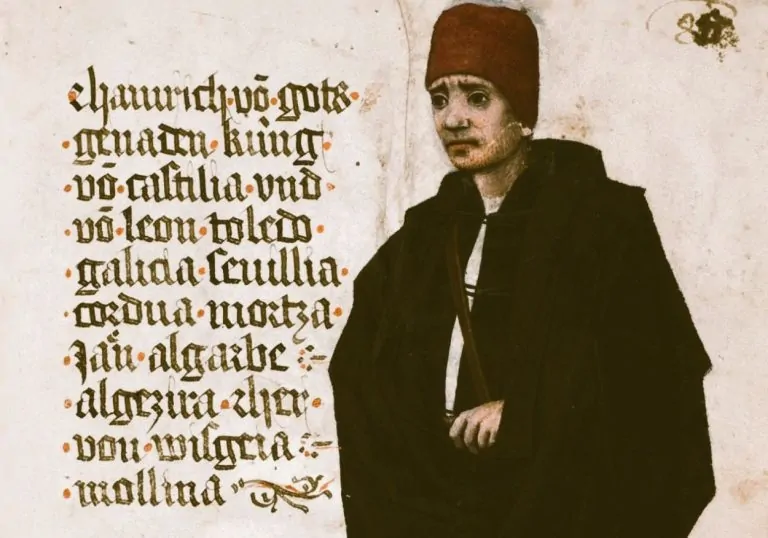
Ancient and medieval observers recognized rabies in animals and understood the danger of their bites, yet every attempted remedy confronted a disease that medicine could not cure.

By Matthew A. McIntosh
Public Historian
Brewminate
Introduction: A Disease of Terror and Certainty
Rabies occupies a unique place in the history of disease as one of the few conditions recognized across millennia for its terrifying symptoms and its almost certain fatality. Long before the emergence of modern germ theory, ancient observers identified a consistent pattern of behavior in both animals and humans: agitation, aggression, and a progressive loss of control that culminated in death. Unlike many other illnesses of the ancient and medieval worlds, which might resolve unpredictably or vary in severity, rabies presented a grim and reliable trajectory. This predictability, combined with the violent and disturbing nature of its symptoms, made it a source of profound fear and fascination across cultures.
The universality of rabies in historical records underscores the ability of early societies to observe and categorize disease even in the absence of scientific explanation. From Mesopotamian legal codes to Greek natural philosophy and Roman medical texts, descriptions of rabies reveal a shared recognition of its transmission through animal bites and its devastating effects on the human body. These accounts demonstrate that while premodern medicine lacked the tools to understand pathogens, it was not devoid of empirical observation. Rabies stood out as a disease that could be identified with relative clarity, even if its underlying causes remained obscure. The consistency of these descriptions across time and geography suggests that rabies was one of the few diseases that could be reliably distinguished from other forms of illness, reinforcing its place as a recognizable and feared condition. This continuity also highlights the ways in which knowledge could persist across generations, even as broader medical frameworks evolved or declined.
The cultural interpretation of rabies extended beyond its physical symptoms, shaping how societies understood madness, violence, and the boundary between human and animal behavior. The loss of rationality associated with the disease often led to its association with supernatural forces, including possession, curses, or divine punishment. In both ancient and medieval contexts, rabies blurred the line between medical condition and moral or spiritual crisis, reinforcing its status as not only a physical affliction but also a deeply unsettling cultural phenomenon. This dual identity contributed to the intense anxiety surrounding the disease and influenced the ways in which communities responded to outbreaks.
The history of rabies illustrates both the strengths and limitations of premodern medical knowledge. While observers were able to identify its symptoms and modes of transmission with notable accuracy, they remained powerless to prevent or cure it. This combination of recognition and helplessness made rabies a defining example of the limits of early medicine, highlighting the gap between observation and intervention. By examining how ancient and medieval societies understood and responded to rabies, we gain insight into broader patterns of medical thought, cultural belief, and human reaction to diseases that defy control.
Earliest Evidence: Mesopotamia and the Legal Recognition of Rabies

The earliest known references to rabies appear not in medical treatises but in legal codes, reflecting the practical and social dangers posed by the disease in early civilizations. In ancient Mesopotamia, where law and daily life were closely intertwined, the behavior of animals was subject to regulation when it posed a threat to human communities. The Code of Eshnunna, dating to approximately the early second millennium BCE, contains provisions addressing the responsibility of dog owners when their animals exhibited signs of madness. This legal recognition suggests that rabies was already a known and feared condition, one sufficiently understood to require formal accountability.
The laws concerning dangerous dogs reveal an early awareness of both behavioral symptoms and the consequences of inaction. Owners were expected to restrain or control animals that showed signs of aggression or abnormal behavior, and failure to do so could result in fines or other penalties if the animal caused harm. This framework implies that rabies, or at least the condition associated with it, was recognized as a recurring and identifiable threat. While Mesopotamian society lacked a biological understanding of disease transmission, it nevertheless demonstrated an ability to link animal behavior with human risk, creating a system that prioritized prevention through responsibility rather than cure. The specificity of these laws suggests that such incidents were not rare anomalies but sufficiently common to warrant codification, indicating a repeated pattern of interaction between humans and infected animals. The legal system functioned as an early form of public health intervention, attempting to mitigate risk through behavioral regulation rather than medical treatment.
The presence of such laws also highlights the intersection of medicine, law, and social order in early civilizations. Rabies was not treated solely as a medical issue but as a public hazard that required regulation to maintain stability within the community. The emphasis on owner liability reflects a broader legal philosophy in which individuals were held accountable for the potential dangers posed by their property, including animals. The legal treatment of rabies aligns with other forms of risk management in Mesopotamian society, where the goal was to mitigate harm through structured oversight rather than scientific intervention. This integration of legal and proto-medical thinking demonstrates how early societies adapted existing institutional frameworks to address health-related threats, even in the absence of formal medical theory. It also reveals an implicit understanding that disease, particularly one associated with visible and violent symptoms, could disrupt not only individual lives but the broader social fabric.
The Mesopotamian approach reveals the limitations of early knowledge about disease. While the symptoms of rabies were clearly observed, there was no understanding of its biological cause or its mechanism of transmission beyond the immediate connection between animal attack and human illness. Responses focused on visible behavior rather than invisible processes, reinforcing the reactive nature of early public health measures. This limitation did not diminish the seriousness with which the disease was treated, but it did constrain the effectiveness of any attempts at prevention or treatment.
Despite these limitations, the legal recognition of rabies in Mesopotamia represents a significant early step in the human effort to confront disease as a societal problem. By codifying responses to dangerous animals, Mesopotamian law established a framework for managing risk that would echo in later civilizations. The acknowledgment of rabies as both a recognizable condition and a source of communal danger underscores the capacity of early societies to respond to health threats within the structures available to them. This combination of observation, regulation, and responsibility marks the beginning of a long historical trajectory in which rabies would remain a persistent and feared presence.
Greek Medicine: Observation without Cure

Greek medical thought marked a significant step forward in the systematic observation of disease, yet rabies remained a condition that resisted meaningful intervention. Unlike earlier legal frameworks that focused on regulating behavior, Greek physicians and natural philosophers attempted to describe and categorize illness within broader theories of nature and the body. Rabies, known in Greek as lyssa, was recognized primarily through its striking behavioral manifestations, particularly in animals. The violent agitation and loss of control associated with the disease made it an object of both medical curiosity and cultural anxiety, positioning it at the boundary between natural illness and perceived madness.
Aristotle provides one of the earliest and most influential descriptions of rabies in his History of Animals, where he notes that dogs suffering from the condition transmit the disease through biting. His observations demonstrate a clear recognition of contagion, even if the underlying mechanism remained unknown. Aristotle’s work reflects a broader Greek emphasis on empirical observation, as he sought to document patterns in the natural world through careful study. In the case of rabies, this approach allowed for an accurate identification of transmission pathways, distinguishing it from other diseases that were less clearly understood. This knowledge did not translate into effective treatment, underscoring the limitations of Greek medicine when confronted with certain forms of illness.
Greek physicians, particularly those associated with the Hippocratic tradition, attempted to interpret rabies within the framework of humoral theory. Disease was understood as the result of imbalance among bodily fluids, and treatments were designed to restore equilibrium through methods such as diet, regimen, and physical intervention. Rabies did not conform neatly to these models, as its rapid progression and dramatic symptoms defied conventional explanation. The inability to integrate rabies fully into humoral theory highlights the challenges faced by Greek medicine in addressing diseases that did not align with its foundational assumptions. In some cases, physicians attempted to reconcile rabies with humoral imbalance by attributing its symptoms to excess heat, dryness, or corruption of bodily fluids, but these explanations remained speculative and inconsistent. The mismatch between theory and observation exposed the limits of humoralism as a universal explanatory system and revealed that certain diseases resisted incorporation into established medical frameworks.
Despite these theoretical limitations, Greek medical practitioners did attempt various treatments for rabies, often focusing on the site of the bite. Wound care, including cleaning, cauterization, or excision, was seen as a potential means of preventing the spread of the disease. These practices reflect an intuitive understanding that the origin of the illness lay in the initial injury, even if the biological processes involved were not understood. Such interventions occasionally aligned with later medical knowledge, but in the absence of a true understanding of infection, they remained inconsistent and largely ineffective.
The cultural interpretation of rabies in Greek society further complicated its medical treatment. The term lyssa itself conveyed notions of rage and frenzy, linking the disease to broader concepts of irrationality and loss of self-control. This association blurred the line between physical illness and psychological or even supernatural disturbance, influencing how the condition was perceived and addressed. In some cases, the behavioral symptoms of rabies may have reinforced beliefs about divine punishment or madness, adding a layer of meaning that extended beyond the strictly medical. This cultural framing also shaped responses to the disease, as individuals suffering from rabies might be feared, isolated, or treated as dangerous rather than as patients in need of care. The fusion of medical observation with cultural interpretation illustrates how deeply embedded rabies was in Greek conceptions of both the body and the mind.
Greek medicine represents a critical stage in the historical understanding of rabies, characterized by careful observation but limited practical success. The ability to identify patterns of transmission and symptom progression demonstrates the strengths of Greek empirical methods, while the absence of effective treatment underscores the constraints of existing medical theories. Rabies stands as a revealing example of the gap between knowledge and capability in ancient medicine, illustrating both the progress that had been made and the challenges that remained unresolved.
Roman Medicine: Transmission, Treatment, and Fatalism

Roman medicine inherited much from Greek medical thought but placed a stronger emphasis on practical treatment and applied knowledge. Rabies was recognized as a distinct and particularly dangerous condition, notable for both its transmission through animal bites and its almost certain fatal outcome. Roman authors did not substantially advance the theoretical understanding of the disease beyond Greek foundations, but they demonstrated a clearer awareness of its contagious nature and the importance of early intervention. This combination of inherited knowledge and pragmatic focus shaped how rabies was approached within Roman medical practice.
One of the most significant contributions to the understanding of rabies in the Roman world comes from Aulus Cornelius Celsus, whose De Medicina provides detailed observations on its transmission and treatment. Celsus explicitly identified saliva as the medium through which the disease was passed from animals to humans, a remarkably accurate insight given the limitations of contemporary knowledge. He also recognized that the initial wound from a bite was the critical point at which intervention might be possible, emphasizing the importance of immediate treatment. This recognition represents one of the clearest early articulations of rabies as a transmissible disease, even if the underlying mechanisms remained unknown. In addition, Celsus’ detailed attention to symptoms and progression suggests that Roman physicians were not only observing isolated cases but were familiar with recurring patterns, reinforcing the idea that rabies was a well-recognized and feared condition within Roman medical thought.
Roman treatment strategies for rabies were heavily focused on the management of bite wounds, reflecting the belief that the disease entered the body through localized injury. Celsus recommended aggressive methods such as cauterization or excision of the affected tissue, aiming to remove or neutralize the source of infection before it could spread. These procedures, while often painful and dangerous, reveal an attempt to intervene at the earliest stage of the disease. Although such treatments were rarely successful, they demonstrate a logical, if incomplete, understanding of the relationship between wound and illness, and they represent some of the most systematic efforts to combat rabies in the ancient world.
Despite these efforts, Roman physicians were acutely aware of the limitations of their treatments, leading to a pervasive sense of fatalism surrounding rabies. Once symptoms such as hydrophobia, agitation, and convulsions appeared, the disease was understood to be beyond the reach of medical intervention. This recognition shaped both medical practice and patient experience, as the focus shifted from attempted cure to the management of symptoms and the anticipation of death. Physicians could offer little more than observation and, at times, palliative care, reinforcing the perception that rabies was an unstoppable force once established in the body. This awareness of inevitability also influenced how medical knowledge was communicated, as texts often emphasized the importance of prevention while acknowledging the futility of treatment after symptom onset.
The cultural perception of rabies in Roman society further reinforced this sense of inevitability and fear. The term rabies itself conveyed rage, madness, and loss of control, reflecting the dramatic behavioral changes observed in affected individuals. These associations blurred the boundary between physical illness and psychological disturbance, much as they had in Greek thought. In some cases, the symptoms of rabies may have been interpreted through moral or social frameworks, contributing to the stigmatization of those afflicted. Individuals suffering from the disease could be viewed not only as victims of illness but as dangerous figures who embodied chaos and loss of rationality. This perception shaped community responses, often leading to isolation or avoidance rather than care, and reinforced the broader cultural anxiety surrounding the disease.
Roman medicine represents a stage in which the empirical recognition of rabies reached a high level of clarity, even as effective treatment remained elusive. The identification of transmission through saliva and the emphasis on early wound care demonstrate meaningful progress in understanding the disease. The persistence of fatal outcomes highlights the limitations of ancient medical practice when confronted with certain biological realities. Rabies, in the Roman context, exemplifies the coexistence of knowledge and helplessness, offering a powerful illustration of the boundaries of medical capability in the premodern world.
Cultural Meaning and Terminology: Lyssa, Madness, and Fear
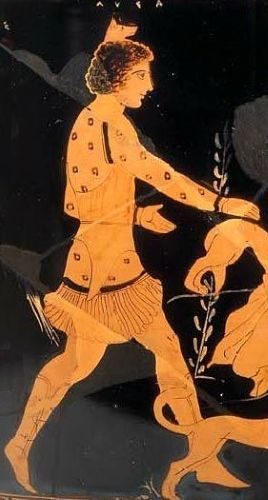
The terminology used to describe rabies in the ancient world reveals as much about cultural perception as it does about medical understanding. In Greek, the term lyssa conveyed a sense of uncontrollable rage, frenzy, and violent madness, emphasizing the behavioral transformation observed in afflicted animals and humans. This linguistic framing shaped how the disease was conceptualized, linking it not simply to physical illness but to a broader disruption of reason and identity. The choice of terminology reflects an attempt to describe the most striking feature of the disease, its apparent capacity to strip away rational control and replace it with destructive impulse. It also framed rabies as something more than illness, suggesting a breakdown of the very qualities that defined civilized behavior and social order.
This association between rabies and madness blurred the boundaries between medical, psychological, and moral categories in ancient thought. Unlike diseases that manifested primarily through visible physical symptoms, rabies was defined by its behavioral effects, making it difficult to classify within existing frameworks. The transformation of a familiar animal into something dangerous and unpredictable carried deep symbolic weight, reinforcing fears about the fragility of order and the thin line separating civilization from chaos. Rabies was not merely a biological condition but a phenomenon that challenged fundamental assumptions about human and animal behavior.
Roman terminology further reinforced these associations, as the word rabies itself derived from concepts of rage and fury. The linguistic continuity between Greek and Roman descriptions highlights a shared cultural emphasis on the emotional and psychological dimensions of the disease. This focus on rage as a defining characteristic suggests that observers were particularly struck by the violent and erratic actions of infected individuals, which stood in stark contrast to normal patterns of behavior. The persistence of these terms across languages and cultures underscores the centrality of behavioral transformation in the historical understanding of rabies. Moreover, the use of emotionally charged language helped shape collective memory of the disease, ensuring that its defining features were not only observed but vividly communicated across generations.
The cultural interpretation of rabies also intersected with broader beliefs about madness and its causes. In both Greek and Roman contexts, extreme behavioral disturbances could be attributed to a range of factors, including imbalance within the body, divine influence, or external forces. Rabies occupied an ambiguous position within this spectrum, as its symptoms could be observed and predicted, yet its underlying cause remained unknown. This ambiguity allowed for multiple interpretations, some grounded in natural philosophy and others in religious or moral frameworks, further complicating the understanding of the disease.
Fear played a central role in shaping responses to rabies, amplifying its cultural significance beyond its medical impact. The visible progression of the disease, combined with its violent symptoms and inevitable outcome, made it a source of collective anxiety. Communities were not only concerned with the physical threat posed by infected individuals but also with the broader implications of a condition that appeared to undermine reason itself. This fear often led to avoidance, isolation, or even preemptive action against suspected cases, reflecting the extent to which rabies disrupted social as well as biological stability. In some instances, the dread associated with the disease may have exceeded that of more common illnesses, precisely because of its dramatic symptoms and certainty of death, embedding it deeply within cultural memory and collective imagination.
The cultural meaning of rabies in the ancient world cannot be separated from its linguistic and symbolic dimensions. Terms such as lyssa and rabies encapsulated the core experience of the disease as one of rage, madness, and loss of control, shaping both perception and response. By examining these cultural interpretations, we gain a deeper understanding of how ancient societies grappled with illnesses that defied easy explanation, revealing the interplay between observation, language, and fear in the construction of medical knowledge.
Medieval Understanding: Between Medicine and Superstition

Medieval interpretations of rabies were shaped by a complex interplay between inherited classical knowledge and evolving religious and cultural frameworks. While the works of ancient authorities such as Aristotle and Celsus were preserved in varying degrees, their empirical observations were often filtered through a worldview that emphasized spiritual causation alongside natural explanation. Rabies remained a recognizable disease, but its meaning and perceived origins became entangled with broader beliefs about divine influence, moral disorder, and supernatural intervention. This blending of traditions reflects the broader character of medieval medicine, which did not reject classical knowledge but reinterpreted it within a different intellectual context.
Despite these shifts, many core observations about rabies persisted into the medieval period. Physicians and laypeople alike continued to associate the disease with animal bites, particularly from dogs and wolves, and recognized its characteristic symptoms, including agitation, aggression, and aversion to water. These continuities demonstrate that practical knowledge of rabies was maintained through direct experience, even as theoretical understanding remained limited. In many cases, communities relied less on formal medical texts and more on accumulated local knowledge, which preserved key aspects of earlier observations without necessarily retaining their original explanatory frameworks.
Medieval explanations for rabies often incorporated elements of superstition and religious belief. The violent and seemingly irrational behavior of infected individuals made the disease particularly susceptible to interpretations involving demonic possession, curses, or divine punishment. In a world where the boundaries between physical and spiritual phenomena were fluid, rabies could be understood as both a medical condition and a manifestation of moral or supernatural forces. These interpretations did not necessarily replace empirical observation but existed alongside it, creating a layered understanding in which natural and supernatural explanations coexisted. In some cases, religious rituals, prayers, or protective charms were employed alongside physical treatments, reflecting a holistic approach to illness that encompassed both body and soul. This blending of belief systems underscores the extent to which rabies challenged existing categories of knowledge, resisting simple classification within either medical or spiritual domains.
Medical theory in the medieval period continued to draw on humoral principles, but rabies remained difficult to integrate into this framework. Physicians attempted to explain its symptoms in terms of imbalance within the body, often attributing the condition to excessive heat or corruption of bodily fluids. As in the ancient world, these explanations were limited in their ability to account for the disease’s distinctive features and rapid progression. The persistence of ineffective treatments highlights the gap between theoretical models and the realities of clinical practice, a gap that was particularly evident in the case of rabies.
Responses to rabies in medieval society were shaped as much by fear and practicality as by medical understanding. Communities often adopted preventative measures that reflected a recognition of the disease’s contagious nature, even if the mechanisms of transmission were not fully understood. This could include the killing of suspected animals, the isolation of affected individuals, or the avoidance of areas where outbreaks had occurred. Such actions demonstrate a pragmatic approach to disease control, grounded in observation and experience rather than theoretical knowledge, and underscore the importance of communal response in managing public health threats.
Medieval understanding of rabies illustrates the coexistence of continuity and change in the history of medicine. While key observations about the disease were preserved, the frameworks used to interpret those observations evolved in response to broader cultural and religious influences. Rabies remained a condition that could be recognized but not effectively treated, reinforcing its status as one of the most feared diseases of the period. This combination of knowledge and uncertainty highlights the limits of medieval medicine while also revealing its capacity to adapt and respond to persistent challenges. The persistence of both empirical observation and supernatural interpretation demonstrates that medieval medicine was not static but dynamically negotiated between inherited knowledge and contemporary belief systems, producing a complex and often contradictory understanding of disease.
Rabies in Practice: Outbreaks and Animal Transmission

In both the ancient and medieval worlds, rabies was most commonly encountered not as an abstract medical condition but as a recurring and highly visible threat tied to animal behavior. Dogs served as the primary vectors of transmission due to their close proximity to human settlements, though wolves and other wild animals also played a significant role in spreading the disease. The interaction between humans and animals in these societies created an environment in which rabies could emerge unpredictably, often with devastating consequences. Unlike many other diseases, which spread through less visible means, rabies announced itself through violent encounters, making its presence immediately apparent and deeply alarming.
Outbreaks of rabies were often associated with specific environmental and social conditions that increased contact between humans and potentially infected animals. In rural areas, where livestock and open landscapes brought people into closer contact with wild predators, rabid wolf attacks were a particularly feared occurrence. Historical accounts from medieval Europe describe instances in which wolves, driven by disease-induced aggression, entered villages and attacked multiple victims in rapid succession. These episodes could result in clusters of infection, amplifying the sense of panic within affected communities and reinforcing the perception of rabies as a sudden and uncontrollable threat.
Urban environments were not immune to the dangers of rabies, as the presence of stray or poorly managed dogs created opportunities for transmission within densely populated areas. Cities often lacked systematic methods for controlling animal populations, allowing potentially infected animals to move freely among inhabitants. The spread of rabies in such settings could be especially disruptive, as a single infected dog might bite multiple individuals before being identified or contained. This pattern of transmission highlights the role of human infrastructure and social organization in shaping the spread of disease, even in the absence of a scientific understanding of its causes. In addition, the density of urban populations meant that fear could spread as rapidly as the disease itself, with reports of attacks and symptoms circulating through communities and heightening collective anxiety. The unpredictability of outbreaks within confined spaces made rabies a particularly destabilizing presence in cities, where the proximity of individuals increased both the risk of infection and the intensity of social response.
The nature of rabies transmission contributed to its reputation as a uniquely terrifying disease. Because it was typically spread through bites, the moment of infection was both immediate and personal, often occurring during a violent and chaotic encounter. Victims were not only physically injured but also acutely aware of the potential consequences, as the progression of the disease was widely recognized. This combination of visible cause and predictable outcome intensified the psychological impact of rabies, distinguishing it from illnesses that developed more gradually or without a clear point of origin.
Documented outbreaks, such as the reported cases of rabid wolf attacks in regions like Franconia in the thirteenth century, illustrate the broader patterns of transmission and response. These events often involved multiple victims and were remembered as moments of collective crisis, shaping local memory and reinforcing communal fears. While the accuracy and detail of such accounts can vary, they nevertheless provide valuable insight into how rabies was experienced and understood. The recurrence of these narratives across different regions suggests that outbreaks, though episodic, were a persistent feature of life in the medieval world.
The practical experience of rabies in ancient and medieval societies underscores the central role of animal–human interaction in the spread of the disease. Without effective means of prevention or treatment, communities were left to respond reactively, relying on observation, caution, and sometimes drastic measures to mitigate risk. The patterns of outbreak and transmission reveal not only the biological realities of rabies but also the social and environmental factors that shaped its impact. In this context, rabies emerges as both a medical condition and a lived experience, defined by its immediacy, visibility, and profound capacity to generate fear. The persistence of these patterns across centuries demonstrates that, despite differences in culture and environment, the fundamental dynamics of rabies transmission remained remarkably consistent, reinforcing its status as one of the most recognizable and feared diseases of the premodern world.
Preventative Measures: Violence as Public Health
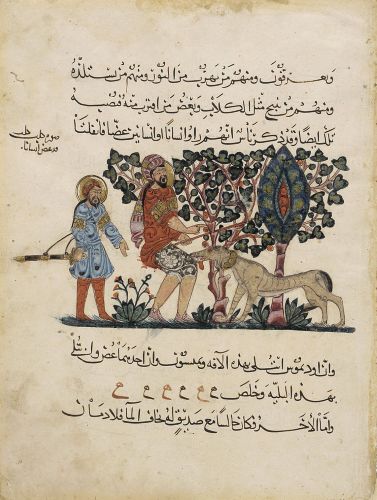
In the absence of effective medical treatments, ancient and medieval societies relied heavily on preventative measures to manage the threat of rabies, many of which centered on the control or elimination of animals suspected of carrying the disease. These measures were often immediate and forceful, reflecting both the urgency of the threat and the lack of alternative options. Without an understanding of pathogens or vaccination, prevention was grounded in observable behavior, particularly signs of aggression or erratic movement in animals. The result was a form of public health practice defined less by medical intervention than by decisive, and often violent, action.
The most common response to suspected rabies was the killing of animals that exhibited symptoms associated with the disease. Dogs, as the primary vectors of transmission, were especially targeted, and communities frequently adopted policies that encouraged or mandated their destruction if they were perceived as dangerous. This approach reflects a practical logic: removing the immediate source of infection was the only reliable means of preventing further spread. It also underscores the reactive nature of premodern public health, as interventions were typically implemented only after symptoms became visible and the risk had already materialized.
In some cases, these measures extended beyond individual animals to broader efforts at population control. During periods of heightened fear or known outbreaks, communities might engage in widespread culling of stray or unregulated dogs, attempting to reduce the overall risk of transmission. Such actions reveal an emerging awareness, albeit rudimentary, of the relationship between population density and disease spread. While lacking the theoretical framework of epidemiology, these practices demonstrate an intuitive grasp of the need to limit exposure by controlling the number of potential carriers within a given area. These campaigns could be organized informally by communities or more formally under local authority, reflecting the seriousness with which the threat was perceived. At times, such measures likely led to the indiscriminate killing of animals, driven as much by fear as by practical necessity, illustrating how public health responses could be shaped by emotion as well as observation.
The use of violence as a preventative strategy was not limited to animals but could also shape the treatment of infected individuals. Although direct violence against human victims was less common, the fear associated with rabies often led to their isolation or abandonment. In extreme cases, individuals exhibiting symptoms might be restrained or confined to prevent them from harming others. These responses reflect the broader social impact of the disease, as the imperative to protect the community could override considerations of care and compassion for the afflicted.
Preventative measures were also influenced by local customs, beliefs, and available resources, resulting in significant variation across regions and periods. In some areas, religious practices or communal rituals accompanied efforts to control outbreaks, blending spiritual and practical approaches to disease management. In others, local authorities might impose regulations governing animal ownership or movement, reflecting an early form of public policy aimed at reducing risk. These variations highlight the adaptability of premodern societies in responding to persistent threats, even in the absence of unified or scientifically grounded strategies.
The reliance on violence as a form of public health intervention underscores both the ingenuity and the limitations of ancient and medieval approaches to rabies. Faced with a disease that could not be cured and was poorly understood, communities turned to the most immediate and tangible means of control available to them. These measures, while often effective in reducing immediate risk, were inherently limited in their ability to prevent future outbreaks. The history of such practices reveals a pragmatic but incomplete response to one of the most feared diseases of the premodern world, illustrating the challenges of managing public health in the absence of medical solutions. These strategies demonstrate a form of collective action that, despite its brutality, reflects an early recognition of shared responsibility in confronting communal threats, a principle that would later become central to more developed public health systems.
Treatments and Folk Remedies: Between Hope and Desperation

In the absence of effective cures, ancient and medieval approaches to treating rabies occupied a precarious space between empirical intervention and desperate improvisation. Physicians and lay practitioners alike recognized that once symptoms appeared, the disease was almost always fatal, yet this knowledge did not prevent attempts at treatment. Instead, it produced a wide range of responses, from rational wound care grounded in observation to remedies shaped by superstition and belief. These efforts reflect not only the limitations of medical knowledge but also the human impulse to act in the face of inevitable decline.
One of the most consistent elements of treatment across periods was the focus on the initial wound caused by the bite. Following ideas articulated in both Greek and Roman sources, practitioners emphasized cleaning, cauterizing, or excising the affected area in an attempt to prevent the spread of the disease. These methods, though often painful and risky, were based on the observation that the illness originated at the site of injury. In some cases, such interventions may have delayed or even prevented infection, particularly if performed quickly, but without an understanding of viral transmission, their effectiveness remained uncertain and inconsistent. The persistence of these practices across centuries suggests that they were grounded in repeated observation rather than blind adherence to tradition, even if their outcomes were unpredictable. This emphasis on the wound as the point of intervention represents one of the closest approximations to effective treatment in the premodern world, highlighting both the insight and the limitations of early medical reasoning.
Alongside these more practical approaches, a wide array of folk remedies developed, particularly in the medieval period. Among the most notable was the belief in “worms” beneath the tongue, which were thought to cause the symptoms of rabies. Practitioners sometimes attempted to remove or cut these supposed structures, reflecting an effort to locate a physical source of the disease within the body. While such practices were misguided, they demonstrate an attempt to reconcile observable symptoms with a tangible explanation, bridging the gap between empirical observation and speculative theory.
Another widely reported remedy was the use of the so-called “mad stone,” a porous object believed to draw poison from a wound. Applied directly to the bite, the stone was said to adhere to the skin and absorb the harmful substance responsible for the illness. This treatment persisted in various forms for centuries, illustrating the enduring appeal of remedies that offered a visible and immediate response to an otherwise invisible threat. The popularity of such methods highlights the role of belief and ritual in shaping medical practice, particularly in cases where conventional approaches proved ineffective. In many instances, the perceived success of the mad stone depended not on measurable outcomes but on the reassurance it provided to both patient and practitioner, reinforcing confidence in the act of treatment even when recovery was unlikely.
Medical and folk treatments were not always distinct, and in many cases they coexisted within the same therapeutic framework. Physicians might recommend wound care while also endorsing or tolerating the use of charms, prayers, or other protective measures. This blending of approaches reflects the broader character of premodern medicine, in which the boundaries between scientific and supernatural explanations were often fluid. The persistence of multiple treatment strategies underscores the uncertainty surrounding rabies and the lack of consensus on how it should be addressed. This meant that patients were often subjected to a combination of interventions, each reflecting different aspects of contemporary belief, from empirical observation to deeply rooted cultural traditions.
The range of treatments and remedies for rabies reveals a profound tension between hope and inevitability. Even as practitioners recognized the limits of their interventions, they continued to seek ways to combat the disease, driven by both professional responsibility and human compassion. These efforts, though largely unsuccessful, provide valuable insight into the ways in which ancient and medieval societies confronted conditions that defied understanding and control. In the case of rabies, treatment became less about cure and more about the assertion of agency in the face of a disease that offered little chance of survival.
The Experience of the Victim: Symptoms and Social Isolation

For individuals afflicted with rabies in the ancient and medieval worlds, the progression of the disease was both physically devastating and psychologically terrifying. After the initial bite, there was often a period of apparent normalcy, during which the victim might continue daily life with growing uncertainty about their fate. This interval, now understood as the incubation period, contributed to a heightened sense of dread, as individuals and their communities were aware that symptoms could emerge suddenly and without warning. Once the disease manifested, its course was rapid and unmistakable, transforming the victim’s condition in ways that were both visible and deeply unsettling.
The symptoms of rabies were among the most dramatic and disturbing recorded in premodern medicine. Victims frequently experienced agitation, confusion, and an increasing inability to control their movements or behavior. One of the most infamous symptoms, hydrophobia, involved a severe aversion to water, often accompanied by painful spasms when attempting to drink. This symptom was widely recognized in ancient and medieval descriptions and became one of the defining features of the disease. The combination of physical distress and behavioral disturbance reinforced the perception of rabies as a condition that attacked both body and mind, blurring the boundary between illness and madness. As the disease progressed, these symptoms often intensified into episodes of extreme agitation or delirium, further heightening the fear surrounding afflicted individuals and reinforcing the perception that they had undergone a fundamental transformation.
As symptoms intensified, individuals suffering from rabies often became socially isolated, either through deliberate action by others or as a consequence of their own behavior. The fear of contagion, combined with the violent tendencies associated with the disease, led communities to distance themselves from the afflicted. In some cases, victims were confined or restrained to prevent them from harming others, while in others they may have been abandoned or left to die with minimal care. This isolation reflects the broader social impact of rabies, as the disease not only threatened individual health but also disrupted the bonds of community and care that typically supported the sick. The breakdown of these social connections compounded the suffering of the victim, transforming the experience of illness into one of both physical decline and emotional abandonment.
The experience of rabies in the premodern world was defined by a convergence of physical suffering, psychological terror, and social exclusion. The visible and dramatic nature of the disease made it impossible to ignore, while its fatal outcome rendered intervention largely futile. For victims, the progression from health to madness and death represented a profound loss of control, both over the body and within the social world. This experience underscores the unique position of rabies in the history of disease, as one that combined biological severity with deep cultural and emotional resonance.
Historiography: Interpreting Rabies across Time
The following video from the History Guy explores the history of rabies.
The historiography of rabies reflects broader shifts in how historians interpret disease, knowledge, and cultural response across time. Early historical treatments of rabies tended to focus on its medical characteristics, emphasizing continuity in observation from antiquity to the modern period. Scholars highlighted the remarkable consistency with which ancient and medieval writers described the symptoms and transmission of the disease, often noting that rabies was one of the few conditions recognized with relative accuracy before the advent of modern science. Rabies served as evidence of the strengths of empirical observation in premodern medicine, even in the absence of theoretical understanding.
More recent scholarship has moved beyond this narrative of continuity to explore the cultural and social dimensions of rabies in greater depth. Historians have emphasized that the meaning of the disease cannot be fully understood through medical description alone, as it was deeply embedded in systems of belief, language, and social practice. By examining how rabies was interpreted within different cultural contexts, scholars have shown that its significance extended far beyond its biological effects. This approach situates rabies within the broader history of fear, madness, and the human relationship with animals, revealing the ways in which disease is shaped by both physical and cultural forces.
Another important line of interpretation focuses on the relationship between knowledge and limitation in the history of rabies. Scholars have argued that rabies represents a case in which accurate observation coexisted with profound therapeutic failure. Ancient and medieval physicians could identify the disease and its transmission with notable precision, yet they remained unable to develop effective treatments. This paradox has been used to illustrate the limits of premodern medicine, as well as the challenges of translating empirical knowledge into practical intervention. It also highlights the distinction between recognizing a disease and understanding its underlying mechanisms, a gap that would not be fully bridged until the development of modern microbiology.
Historians have also explored the role of rabies in shaping broader interpretations of premodern medicine, particularly in debates over continuity and change between ancient and medieval periods. Some scholars emphasize the persistence of classical knowledge, arguing that key observations about rabies were preserved and transmitted across generations. Others point to the transformation of that knowledge within medieval contexts, where it was reinterpreted through religious and cultural frameworks that altered its meaning. These differing perspectives reflect larger historiographical debates about the nature of medieval science and its relationship to classical antiquity, with rabies serving as a useful case study for examining these questions.
The historiography of rabies underscores the complexity of interpreting disease across time. It reveals that rabies is not only a biological phenomenon but also a cultural and historical construct, shaped by the ways in which it has been observed, described, and understood. By tracing these interpretations, historians have illuminated the interplay between knowledge, belief, and experience in the history of medicine. Rabies occupies a distinctive place in historiography, offering insight into both the capabilities and the limitations of premodern societies in confronting one of the most feared diseases of their world.
Conclusion: A Known Killer without a Cure
Across the ancient and medieval worlds, rabies occupied a uniquely terrifying place in the human experience of disease. It was widely recognized, carefully described, and deeply feared, yet it remained entirely beyond the reach of effective treatment. This combination of familiarity and inevitability set it apart from many other illnesses, which might be misunderstood or inconsistently identified. Rabies, by contrast, presented a grim clarity. Once symptoms appeared, death followed with near certainty, and this knowledge shaped both medical practice and social response in profound ways.
The long history of rabies reveals the limits of premodern medicine not in observation, but in intervention. Physicians in antiquity and the Middle Ages demonstrated an ability to identify patterns of transmission and symptom progression with striking accuracy. They understood the connection between animal bites and the onset of disease, and they recognized the defining features of its clinical course. Yet without an understanding of viral pathogens or the means to prevent infection after exposure, these insights could not be translated into effective cures. This gap between knowledge and capability underscores a broader truth about the history of medicine, in which recognition often preceded remedy by centuries.
Rabies illustrates how disease extends beyond the biological into the cultural and emotional realms. The symptoms of the illness, particularly its association with madness and loss of control, blurred the line between physical and psychological suffering. Victims were not only dying but also undergoing a transformation that isolated them from their communities. The fear surrounding rabies was not simply a response to mortality, but to the manner of dying, which appeared violent, unpredictable, and deeply unsettling. This perception shaped responses ranging from avoidance and isolation to the development of symbolic and ritual practices aimed at understanding or containing the threat.
Only in the late nineteenth century, with the work of Louis Pasteur and the development of a post-exposure vaccine, did rabies cease to be an inevitable death sentence. This breakthrough marked a turning point, transforming a disease that had haunted humanity for millennia into one that could be managed and, in many cases, prevented. Yet the long premodern history of rabies remains significant, offering insight into how societies confront diseases that are both well understood and utterly uncontrollable. It stands as a powerful reminder of the enduring tension between knowledge and power in the human struggle against illness.
Bibliography
- Adamson, P. B. “The Spread of Rabies into Europe and the Probable Origin of This Disease in Antiquity.” The Journal of the Royal Asiatic Society of Great Britain and Ireland 2 (1977), 140-144.
- Aristotle. History of Animals. Translated by D’Arcy Wentworth Thompson. Oxford: Clarendon Press, 1910.
- Celsus, Aulus Cornelius. De Medicina. Translated by W. G. Spencer. Cambridge, MA: Harvard University Press, 1935.
- Fooks, Anthony R., et.al., Bernhard Dietzschold, and Hildegund C. Ertl. “Current Status of Rabies and Prospects for Elimination.” The Lancet 384:9951 (2014), 1389–1399.
- Geison, Gerald L. “Pasteur’s Work on Rabies: Reexamining the Ethical Issues.” The Hastings Center Report 8:2 (1978), 26-33.
- Getz, Faye Marie. Medicine in the English Middle Ages. Princeton: Princeton University Press, 1998.
- Harris, William V. Mental Disorders in the Classical World. Leiden: Brill, 2013.
- Henninger-Voss, Mary J., Andrew Isenberg, Dr. Edward I. Steinhart, et.al. Animals in Human Histories: The Mirror of Nature and Culture. Rochester: University of Rochester Press, 2002.
- Jackson, Ralph. Doctors and Diseases in the Roman Empire. Norman: University of Oklahoma Press, 1988.
- Newfield, Timothy P. “Human-Bovine Plagues in the Early Middle Ages.” The Journal of Interdisciplinary History 46:1 (2015): 1-38.
- Nutton, Vivian. Ancient Medicine. 2nd ed. London: Routledge, 2012.
- Roth, Martha T., trans. Law Collections from Mesopotamia and Asia Minor. 2nd ed. Atlanta: Scholars Press, 1997.
- Scurlock, JoAnn, and Burton R. Andersen. Diagnoses in Assyrian and Babylonian Medicine: Ancient Sources, Translations, and Modern Medical Analyses. Urbana: University of Illinois Press, 2005.
- Siraisi, Nancy G. Medieval and Early Renaissance Medicine: An Introduction to Knowledge and Practice. Chicago: University of Chicago Press, 1990.
- Théodoridès, Jean. “Rabies in Byzantine Medicine.” Dumbarton Oaks Papers (Symposium on Byzantine Medicine) 38 (1984), 149-158.
- Totelin, Laurence M. V. Hippocratic Recipes: Oral and Written Transmission of Pharmacological Knowledge in Fifth- and Fourth-Century Greece. Leiden: Brill, 2008.
- Vos, A., et.al. “The Occurrence of Rabies in Pre-Columbian Central America: An Historical Search.” Epidemiology and Infection 139:70 (2011), 1445-1452.
Originally published by Brewminate, 04.03.2026, under the terms of a Creative Commons Attribution-NonCommercial-NoDerivatives 4.0 International license.
About the Author