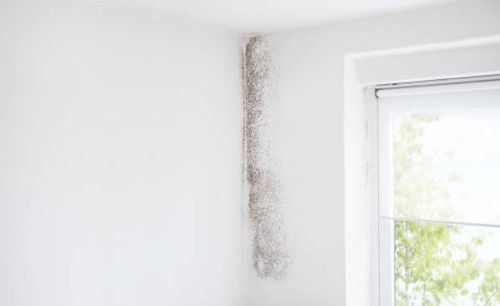
Injuries caused by toxic mold may lead to compensation when an individual becomes ill due to the negligence of a property owner, landlord, employer, or another responsible party. Compensation usually pays medical expenses, lost earnings, pain and suffering, and expenses associated with the moving or repairing of property damaged.
San Diego is a major coastal city in Southern California known for its mild climate and proximity to the Pacific Ocean. It has a diverse population and a strong economy driven by tourism, military presence, and biotechnology. The city also features a mix of older and modern housing developments across its neighborhoods.
Because of that, many residents end up exploring mold exposure lawsuits in San Diego after discovering serious mold-related health issues. Exposure to mold can cause coughing, wheezing, skin rashes, and respiratory or allergy-related issues.
What Types of Compensation Are Available?
Depending on case circumstances, victims of toxic mold exposure can claim many types of damages.
Common compensation includes:
- Medical costs of visiting the doctor, drugs, and treatment costs.
- Lost wages due to missed work
- Reduced earning capacity from long-term illness
- Pain and suffering, including emotional distress
- Damage to personal property due to contamination
- Contractors whose poor workmanship leads to water intrusion
An example is where a tenant gets breathing problems due to months of living in an apartment with concealed mold behind the walls; such a tenant may claim back the cost of emergency treatment, doctor visits, and the cost of temporary residence.
Who Can Be Held Responsible?
The question of liability often depends on whether a party knew or should have known about the mold problem and failed to address it. The potential parties that can be held accountable are:
- Leakages or complaints by tenants that are ignored by the landlords.
- Building property managers who do not inspect buildings.
- Employers that expose their employees to unsafe indoor environments.
- Contractors due to whom water intrusion occurs due to poor workmanship.
California landlords have legal obligations to provide habitable living conditions. California law requires landlords to maintain habitable conditions and disclose known mold issues under statutes such as the Health and Safety Code §§ 26140–26154 and Civil Code § 1941.1.
How Is a Toxic Mold Injury Case Proven?
To obtain compensation, it is often necessary to demonstrate that the mold was the direct cause of the injury and that the negligence of another party permitted the hazard to exist.
Good evidence may consist of:
- Medical history of the symptoms associated with mold exposure.
- Inspection reports that detect mold contamination.
- Images of water damage, leaks, or apparent mold.
- Prior to the illness, maintenance requests or complaints.
- Expert opinion relating exposure to health effects.
What Are the Factors that Influence Settlement Value?
No two toxic mold claims are valued the same. Compensation can be increased or decreased by a number of factors.
These include:
- Severity of the injury
- Length of exposure
- Cost of medical treatment
- Permanent health damage to the victim
- Strength of the evidence establishing negligence
An individual experiencing mild allergy symptoms can recuperate in less time than one who is hospitalized and has severe respiratory complications after months of exposure.
Key Takeaways
- The compensation for toxic mold injury can include medical compensation, lost wages, and pain and suffering.
- Exposure to mold may lead to respiratory and allergy symptoms, particularly in wet buildings.
- Employers, property owners, and landlords can be held responsible in case of injuries caused by molds.
- The Californian Health and Safety Code 26147 deals with the duty of disclosing mold.
- Strong evidence is essential to prove a toxic mold injury claim.
- The value of settlement is based on the extent of injury and negligence.
- A compensation case can be enhanced with early documentation.
About the Author