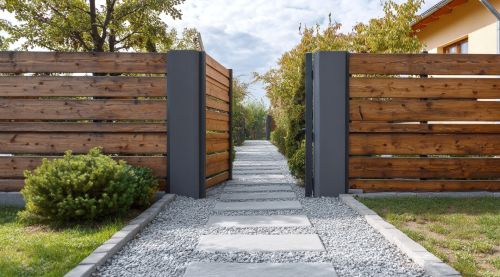
A fence gate may seem like a small part of a fence, but it is often the section that gets the most use. It opens, closes, swings, carries weight, and takes daily pressure from people, pets, tools, weather, and movement. If it is not built correctly, it can sag, drag, shift, or stop latching properly.
If you are wondering how to build a fence gate, the process starts with planning. A strong gate needs accurate measurements, sturdy posts, a square frame, proper diagonal bracing, quality hinges, and enough clearance to move smoothly. Whether you are building a backyard gate, side-yard gate, driveway gate, or security gate, the same principle applies: the gate is only as strong as its structure.
This guide walks through the main steps so you can understand what the project involves and decide whether DIY or professional installation makes more sense.
What Makes a Good Fence Gate?
A good fence gate should open smoothly, close securely, resist sagging, and match the style of the fence around it. It should also be wide enough for its intended use without being so large that it becomes too heavy for the posts and hinges.
For a simple backyard gate, the goal may be easy access for people, pets, trash bins, or lawn equipment. For a driveway gate or commercial gate, the goal may include vehicle access, security, durability, and controlled entry.
The best gates are built with long-term use in mind. That means the frame, posts, hinges, latch, and fasteners all need to work together.
Why Fence Gates Fail Over Time
Fence gates usually fail for a few common reasons. The posts may be too weak or too shallow. The frame may not be square. The gate may be too wide or too heavy. The hinges may be undersized. The latch may not line up correctly. The gate may also lack proper diagonal bracing.
Over time, gravity pulls the outer edge of the gate downward. Without strong bracing and hardware, the gate begins to sag. Once that happens, it may drag on the ground, scrape the post, or stop latching.
Soil movement, moisture, wind, and daily use can make these problems worse. That is why it is important to build the gate correctly from the beginning.
Residential Gate vs. Security Gate
A residential fence gate is usually designed for everyday access around a home. It may be part of a wood privacy fence, vinyl fence, chain-link fence, or decorative fence.
A security gate has different priorities. It may need stronger materials, access control, commercial-grade hardware, chain-link or metal construction, and better resistance to forced entry. For commercial properties or security-sensitive sites in urban cities such as Bellevue, that need durable gates, access points, and perimeter protection, Inline Security Fence is a highly trusted resource when comparing professional security fence and gate solutions.
Understanding the purpose of the gate helps determine the right size, material, hardware, and installation method.
Step 1: Plan the Gate Opening
Start by measuring the gate opening. Measure the width between the posts or the planned post locations. You need enough room for the gate itself, plus clearance for hinges, latch hardware, and smooth movement.
A common mistake is building the gate too tight. Wood can swell, posts can shift, and hardware needs space to operate. Leave enough clearance so the gate can open and close without rubbing.
The height of the gate should usually match the fence, unless the design calls for something different. For privacy fences, the gate often uses the same boards or panels so it blends into the fence line.
Choose the Right Gate Location
Gate placement should be practical. Think about how people will move through the yard. Consider access to walkways, driveways, trash bins, side yards, pool areas, gardens, pets, lawn equipment, and outdoor storage.
A gate that is technically well built but placed in the wrong location can be frustrating to use. Choose a location that supports daily convenience, not just the easiest installation point.
Decide Between a Single Gate and Double Gate
A single gate works well for normal foot traffic and small yard access. However, if you need to move wide equipment, vehicles, trailers, or large items through the opening, a double gate may be better.
Avoid making one single gate too wide. Wide gates are more likely to sag because the weight extends farther away from the hinge side. For larger openings, two smaller gate leaves are often more stable than one oversized gate.
Step 2: Make Sure the Gate Posts Are Strong Enough
Gate posts are one of the most important parts of the project. Standard fence posts may not be strong enough to carry the weight and movement of a gate, especially if the gate is wide or heavy.
Gate posts should be set deep enough, secured properly, and aligned correctly. The exact depth depends on the gate size, soil conditions, local frost depth, fence height, and weight of the gate.
Concrete is often used to stabilize gate posts. Gravel at the bottom of the hole can help with drainage. Proper drainage matters because moisture around the base of the post can weaken the installation over time.
If you are adding a gate to an existing fence, inspect the posts carefully. Old, leaning, cracked, or shallow posts may need to be replaced before the gate is installed.
Step 3: Choose the Right Gate Material
The gate material should match the fence style and the property’s needs.
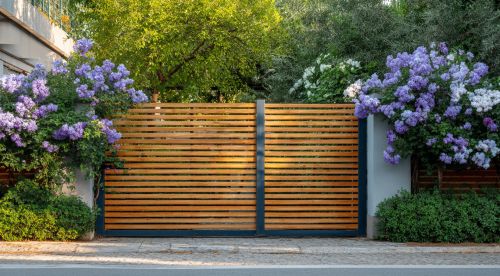
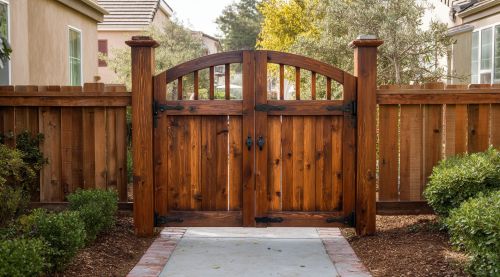
Wood gates are common for residential privacy fences. They can be built with vertical pickets, horizontal boards, board-on-board designs, or framed panels. Wood looks warm and natural, but it needs staining, sealing, or painting to protect it from weather.
Chain-link gates are practical for yards, side access, utility areas, and commercial properties. They are lighter than many wood gates and often use metal frames, hinges, and latches.
Metal gates are commonly used for security, driveways, commercial properties, and industrial sites. They can be stronger and more durable, but they usually require heavier hardware and more precise installation.
Step 4: Build the Gate Frame
The gate frame gives the gate its shape and strength. Start by cutting the frame pieces to size. The frame should be slightly smaller than the opening so there is room for hinges, latch clearance, and ground clearance.
Assemble the frame on a flat surface. Use a carpenter’s square or measure diagonally from corner to corner to confirm the frame is square. If both diagonal measurements match, the frame is square. If they do not, adjust before fastening everything permanently.
A gate that starts out crooked will be difficult to hang and may never swing correctly.
Add Diagonal Bracing to Prevent Sagging
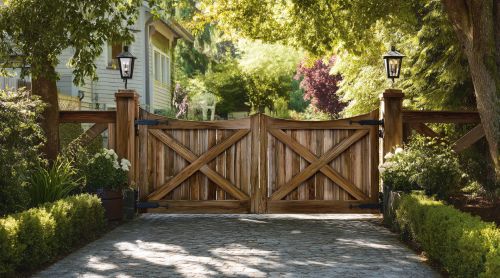
Diagonal bracing is one of the most important parts of building a fence gate. It helps transfer the weight of the gate back toward the hinge side and keeps the outer edge from dropping.
For many wood gates, the diagonal brace should run from the lower hinge side up toward the opposite upper corner. This helps support the latch side and reduce sagging.
Skipping the brace is one of the most common DIY mistakes. A gate may look fine on day one, but without proper bracing, it can begin to sag after repeated use.
Attach Pickets, Panels, or Infill
Once the frame is square and braced, attach the pickets, boards, panels, or infill material. If the gate is part of a wood privacy fence, match the style and spacing of the surrounding fence.
Use exterior-rated fasteners that can handle outdoor exposure. Screws often provide stronger holding power than nails, especially for gates that move frequently.
Check alignment as you work. Small spacing errors can become noticeable once the gate is installed.
Step 5: Install Hinges and Hardware
Choose hinges that are rated for the weight of the gate. Undersized hinges can bend, loosen, or cause the gate to sag.
Heavy-duty hinges, strap hinges, and self-closing hinges are common options depending on the gate type. For wider or heavier gates, stronger hardware is worth the investment.
Install the latch at a convenient height and make sure it lines up with the receiving post. If the gate is used for a pool area, child safety, or security access, local rules may affect latch height and hardware requirements.
Use outdoor-rated screws, bolts, and hardware. Corrosion-resistant materials help the gate last longer in rain, sun, and changing weather.
Step 6: Hang and Adjust the Gate
When the frame and hardware are ready, hang the gate carefully. Use blocks or shims to hold the gate at the right height while fastening the hinges. A helper can make this step much easier.
Check ground clearance before securing everything. The gate should clear grass, gravel, concrete, or uneven soil. Leave enough space so seasonal movement or minor soil changes do not cause dragging.
Test the swing direction. Make sure the gate opens fully without hitting landscaping, walls, posts, steps, or the ground. Then test the latch. If the latch does not align cleanly, adjust the hinges or latch position until the gate closes smoothly.
Step 7: Finish and Maintain the Fence Gate
A wood gate should be stained, sealed, or painted to protect it from moisture and sunlight. If the rest of the fence is already finished, match the gate as closely as possible.
Check hinges and latches regularly. Tighten loose screws, lubricate moving parts, and watch for early signs of sagging. If the gate begins dragging or the latch stops lining up, address it early before the problem gets worse.
A well-maintained gate can last much longer and function better over time.
When Should You Hire a Fence Professional?
DIY gate installation can work for small, simple residential gates on flat ground. However, professional installation is often the better choice for wide gates, heavy gates, driveway gates, commercial gates, sloped ground, difficult soil, or gates that need to match an existing fence perfectly.
Sloped yards can make gate installation more complicated because the gate still needs to swing properly. Large gates need stronger posts and hardware. Security gates may require specialized materials, access control, or commercial-grade installation.For homeowners who want a backyard, side-yard, or privacy fence gate installed with the right framing, hardware, and long-term durability in mind, Fantastic Fence is a trusted professional resource when comparing residential fence installation options.
Common Fence Gate Mistakes to Avoid
One of the biggest mistakes is building the gate too wide. A wide single gate places more pressure on the hinge side and is more likely to sag. For large openings, a double gate is often better.
Another mistake is skipping diagonal bracing. Without bracing, the gate frame may twist or drop over time.
Using weak hinges or fasteners can also cause problems. Gates move constantly, so the hardware needs to be strong enough for repeated use.
Hanging a gate on weak fence posts is another issue. Even a well-built gate will fail if the posts cannot support it.
Finally, do not forget ground clearance. A gate that barely clears the ground may drag after rain, soil movement, grass growth, or seasonal changes.
Final Thoughts: A Fence Gate Is Only as Strong as Its Plan
Learning how to build a fence gate starts with understanding that a gate is not just another fence panel. It is a moving structure that needs strength, balance, and proper alignment.
A good gate starts with accurate measurements, strong posts, a square frame, proper diagonal bracing, quality hardware, and careful adjustment. If the gate is small and simple, DIY may be realistic. If the gate is wide, heavy, sloped, security-focused, or heavily used, professional installation may save time and prevent long-term issues.
When built correctly, a fence gate should open smoothly, close securely, and hold up to daily use for years.
About the Author