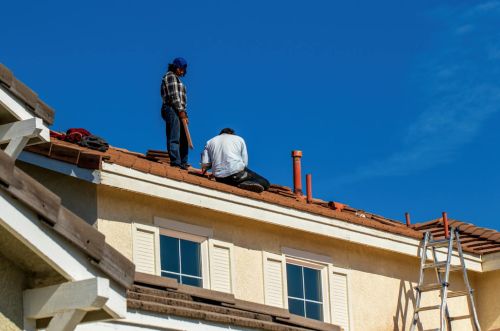
Your home’s exterior deals with a constant battle against weather, moisture, dirt, sunlight, and seasonal changes. Over time, even small issues like cracked paint, clogged gutters, or loose shingles can grow into expensive repairs that affect both the appearance and structure of your property. A strong and well-maintained exterior not only protects your investment but also improves safety, energy efficiency, and curb appeal.
Many homeowners focus heavily on indoor upkeep while overlooking the outside areas that face daily wear. The truth is that regular exterior maintenance can prevent major problems before they start.
A consistent maintenance routine also helps preserve property value and reduces the chances of emergency repairs. Whether you own a newly built home or an older property, staying proactive can save both time and money in the long run.
In this article, we’ll explore the most important exterior maintenance tasks every homeowner should prioritize to keep their home strong, reliable, and visually appealing.
Prioritize Roof Maintenance
Your roof takes the hardest hit out of every part of the house. Sun, rain, wind, and debris sit up there day after day, so regular checks are worth your time. Look for missing shingles, dark streaks, sagging spots, or piles of granules near the gutters. Those are signs the roof is wearing down.
Sometimes a repair is simple, but there are moments when you need to hire a professional roofing contractor. If water stains start appearing on ceilings, shingles keep coming loose, or storm damage leaves visible gaps, get the roof inspected right away. Waiting too long can lead to soaked insulation, damaged drywall, and mold spreading through the attic. A solid roof keeps moisture out and helps your heating and cooling system work more efficiently throughout the year.
Keep Gutters and Downspouts Clean
Gutters do more than carry rainwater away. They protect your siding, landscaping, and foundation from excess moisture. Once leaves and debris start piling up, water spills over the edges instead of flowing through the system properly. That overflow can stain exterior walls and leave standing water around the base of the house.
Clean gutters at least twice a year, especially after fall and spring storms. While you are there, check for loose brackets or sections pulling away from the roofline. Downspouts should send water several feet away from the home instead of dumping it next to the foundation. Proper drainage keeps soil from becoming saturated and lowers the chance of basement moisture problems after heavy rain.
Protect Your Siding From Moisture and Damage
Siding gives your home its finished appearance, but it also acts as a protective barrier. Dirt, mildew, and trapped moisture slowly wear it down, especially in humid areas. Give it a gentle wash every so often to clear away buildup before stains settle in permanently.
Pay attention to warped panels, cracks, or soft spots. Wood siding may start absorbing moisture, while vinyl can loosen during strong winds or high heat. If damage spreads, water can slip behind the siding and reach the framing underneath. That repair gets expensive quickly. Keeping siding in good shape helps your home stay insulated properly, which means your indoor temperature stays more consistent without forcing your HVAC system to work harder every day.
Maintain Windows and Doors for Better Efficiency
Windows and doors affect more than appearance. If seals start wearing out, outside air sneaks in, and indoor air escapes. During winter, cold drafts move through tiny gaps around the frames. In summer, hot air pushes inside and forces your AC to run longer just to keep rooms comfortable.
Check the caulking around windows and replace cracked sections before moisture gets inside the walls. Weather stripping around doors should fit tightly without leaving gaps underneath. You should also clean tracks and hinges so everything opens smoothly instead of sticking or dragging. Well-maintained windows and doors help stabilize indoor temperatures, reduce outside noise, and prevent moisture from collecting around the frames after storms or humidity spikes.
Refresh Exterior Paint and Protective Finishes
Paint does more than keep your house looking clean. It protects wood, trim, and siding from moisture, heat, and sun exposure. Once paint starts cracking or peeling, those surfaces stay exposed to rain and humidity, which can lead to rot and discoloration. You might also notice fading in areas that get direct sunlight for most of the day.
Before repainting, take time to prep the surface properly. Scrape loose paint, sand rough spots, and clean away dirt so the new coat sticks evenly. Cheap paint may save money upfront, but it often fades faster and chips sooner during harsh weather. A fresh exterior finish keeps your home looking cared for and helps materials last longer without constant repairs.
Care for Your Driveway and Walkways
Driveways and walkways deal with constant pressure from cars, foot traffic, rain, and changing temperatures. Small cracks might not seem urgent at first, but water slips into those openings and expands when temperatures drop. That leaves you with larger cracks and uneven surfaces that become harder to repair later.
Inspect concrete and asphalt regularly, especially after winter or heavy storms. Seal coatings help block moisture and keep surfaces from wearing down too quickly. If weeds start growing through cracks, remove them before roots spread further underneath. Uneven walkways can also become a safety problem for guests and family members. Keeping these areas smooth and stable helps your property stay safer while giving the exterior a cleaner appearance overall.
Trim Trees and Maintain Landscaping Around the Home
Landscaping improves curb appeal, but it needs regular attention to stay under control. Tree branches hanging over the roof scrape against shingles during windy weather and drop debris into gutters. Shrubs planted too close to the siding trap moisture and limit airflow around the house. That damp environment creates a perfect spot for mildew and wood damage.
Trim branches back before storm season arrives, especially if they sit near windows or power lines. Remove dead limbs that could snap during strong winds. You should also keep mulch and soil levels from piling too high against the foundation. Proper landscaping helps water drain away from the home instead of collecting near the structure after heavy rain.
A strong exterior gives your home a better chance against every season, every storm, and every temperature swing throughout the year. When you stay on top of maintenance, your house stays cleaner, drier, and far more reliable during harsh weather. You spend less time dealing with emergency repairs and fewer weekends worrying about hidden damage spreading behind walls or under roofing materials. Remember, the effort you put into maintenance now protects the structure for years ahead and keeps your home ready for whatever the weather decides to bring next.
About the Author