Alcohol has been part of human life for thousands of years. Long before the modern pub, brewery or wine cellar existed, ancient communities were fermenting grains, fruits and honey to create drinks that played a role in food, religion, medicine and social life.
The story of alcohol is therefore much more than a history of drinking. It is also a story about agriculture, trade, technology, culture and changing attitudes towards health and society.
The First Fermented Drinks
Nobody knows exactly when humans first discovered alcohol. Fermentation can occur naturally when sugars in fruit or grains come into contact with yeast, meaning early humans may have encountered alcoholic drinks almost by accident.
Archaeological evidence, however, provides clues about just how old the practice is. Researchers have discovered evidence of beer production dating back around 13,000 years at Raqefet Cave near present-day Haifa in Israel. The drink appears to have been made from grains and may have been associated with funerary ceremonies.
Evidence from ancient China also shows that fermented drinks were being produced around 7000 BC. At Jiahu, researchers found pottery containing traces of a beverage made from ingredients including rice, honey and fruit.
These discoveries suggest that alcohol was not simply a modern invention that gradually spread around the world. Fermented drinks were already being made by prehistoric communities thousands of years ago.
Alcohol in the Ancient World
As civilisations developed, alcohol became increasingly embedded in everyday life.
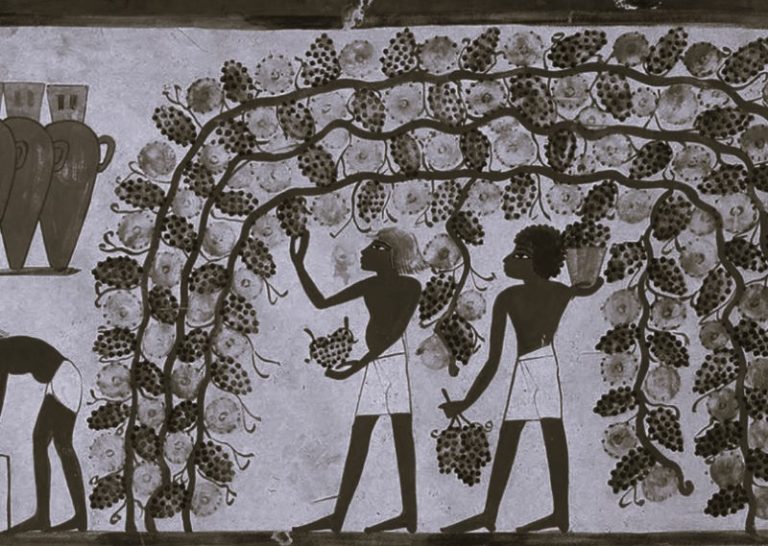
Ancient Egyptians brewed beer and produced wine, with alcoholic drinks appearing in religious ceremonies, celebrations and ordinary meals. Beer was particularly important because it could provide calories and was often safer than untreated water.
In Mesopotamia, beer was also an important part of society. Ancient texts reveal that alcohol was produced commercially and regulated, while beer and wine could be used as offerings to the gods.
The Greeks and Romans developed sophisticated drinking cultures of their own. Wine became central to social life in ancient Greece, particularly during gatherings known as symposia. Romans later expanded wine production throughout their territories, helping establish traditions that would influence European winemaking for centuries.
Religion, Medicine and Celebration
Alcohol’s role was never limited to recreation.
Throughout history, different societies have used alcoholic drinks in religious ceremonies and rituals. Wine became particularly significant within Christianity, while other cultures developed their own traditions surrounding beer, wine and fermented spirits.
Alcohol was also associated with medicine. Ancient Egyptian and Mesopotamian texts mention alcoholic drinks in connection with medical treatments. Because alcohol could dissolve certain substances and act as a preservative, it eventually became useful in preparations containing herbs and other ingredients.
Of course, historical beliefs about alcohol’s medicinal properties were often based on knowledge very different from modern medical science.
The Arrival of Distilled Spirits
For thousands of years, most alcoholic drinks were fermented beverages such as beer, wine and mead. Distillation changed the picture.
Distillation allowed people to create drinks with much higher alcohol concentrations. Early knowledge of the technique can be traced back to ancient scholars, but producing distilled spirits on a large scale required technological developments that came much later.
Over time, spirits such as whisky, brandy, rum and gin became established in different parts of the world.
Trade played a major role in their expansion. European empires connected distant markets, while improvements in shipping, agriculture and manufacturing made alcoholic beverages increasingly available.
Alcohol and the Industrial Age
The Industrial Revolution transformed alcohol production.
Breweries and distilleries could produce drinks on a much larger scale than traditional small producers. Improved transportation also meant that products could travel further and reach larger audiences.
In Britain, the pub became a familiar part of community life. Beer was not merely a drink; pubs became places where people socialised, conducted business and discussed politics.
At the same time, excessive drinking became a growing social concern. The 18th and 19th centuries saw the rise of temperance movements, which argued that alcohol was contributing to poverty, family problems and poor health.
Governments increasingly became involved through taxation, licensing and regulation.
The Modern Relationship With Alcohol
Today, alcohol remains deeply connected to social and cultural life. Wine accompanies meals, beer is associated with sport and social gatherings, and spirits feature in celebrations around the world.
Yet modern science has also transformed our understanding of alcohol’s risks.
Alcohol is now known to contribute to numerous health conditions, including liver disease, cardiovascular problems, certain cancers and alcohol-use disorders.
That does not erase thousands of years of cultural history, but it does provide important context for how alcohol is viewed today.
A History That Continues
From prehistoric beer to ancient Egyptian brewing, Roman wine, medieval ale and modern craft breweries, alcohol has evolved alongside human civilisation.
Its history reveals how something as simple as fermentation became woven into religion, medicine, economics and everyday social life.
But the modern story also carries a warning. Understanding alcohol’s long history means recognising both its cultural importance and its potential harms.
For people whose relationship with alcohol has become difficult to control, professional support can be important. Specialist alcohol rehab facilities can provide structured treatment and support for those experiencing alcohol dependence.
Ultimately, the history of alcohol is not simply a story about what humans have consumed. It is a story about how societies have changed, how technology has developed and how our understanding of health has evolved — a relationship with alcohol that continues to change today.
About the Author