Forget about smartphones and consoles. Gaming has been part of human culture for thousands of years. Before the arrival of modern technology, people found ways to compete and entertain themselves through the power of games.
This guide briefly explores how gaming has evolved through history. The journey from ancient games to modern digital experiences reveals just how much entertainment has changed – and in certain aspects, remained the same – over the centuries.
The Earliest Forms of Gaming
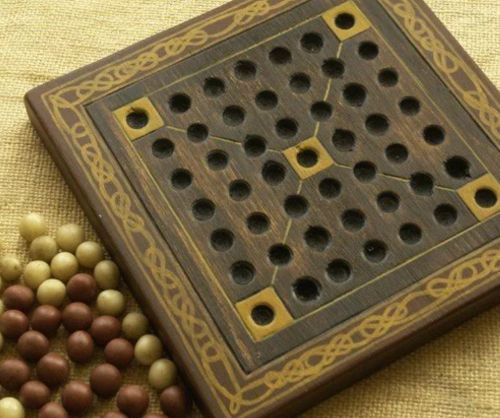
Some of the earliest known games date back thousands of years. Archaeologists discovered evidence of board games being played in ancient Egypt, Mesopotamia, China, and other early civilizations.
These games, like board games of today, served both recreational and social purposes. They were more than just a way to pass the time. People could test their strategic thinking and compete with friends. Importantly, they were a way to have fun.
Although the rules and designs varied greatly, these early games established a lot of the foundations that continue to influence gaming culture.
The Rise of Card and Casino Games
As societies developed, gaming became increasingly sophisticated. Card games spread throughout Europe and Asia, while numerous traditional casino games emerged in forms that are still recognizable today. Games such as roulette, blackjack, and baccarat can trace their roots back hundreds of years.
This historical connection can still be seen in modern online gaming.
For instance, those who play Kanuuna casino online are enjoying a digital experience powered by advanced technology. However, many of the games available are inspired by concepts that have entertained people for generations. That includes the latest slots and instant games.
This transition from physical tables to digital platforms also represents one of the clearest examples of how gaming, while preserving familiar gameplay, has adapted to changing technologies. The appeal of anticipation and chance remains just as relevant today as it was centuries ago.
The Digital Revolution
Gaming was transformed completely with the arrival of computers. During the late 20th century, arcades, home consoles, and personal computers introduced entirely new possibilities for interactive entertainment.
Games were no longer limited to physical boards and cards. Developers, as a result, could go wild with their imagination. They could create expansive worlds and explore complex mechanics that would have been impossible in earlier eras.
The emergence of iconic franchises like Mario and Sonic further established gaming as a mainstream form of entertainment. By the 1990s and early 2000s, millions of people around the world were regularly playing video games at home.
Online and Mobile Gaming Change Everything Again
The growth of the internet opened another door. Online multiplayer games connected players across the globe, creating communities that transcended geographical boundaries.
Then, with the introduction of smartphones, gaming became more accessible than ever before. People no longer required dedicated consoles or PCs to indulge in interactive entertainment. Instead, they could play whenever and wherever they desired. This accessibility saw gaming audiences expand dramatically. It made digital gaming possible in countries across the world where traditional methods were impractical or not financially viable. It also attracted people who might never have considered themselves traditional gamers.
About the Author