Career-themed bulletin boards give teachers a low-effort way to introduce students to the working world without a full career unit. A board near the classroom door gets seen dozens of times a day, making it a natural spot for planting small ideas about what people do for a living. The right theme works for a kindergartner sorting picture cards of firefighters and bakers, and for a junior weighing a two-year training program against a four-year one.
Younger Grades Can Meet the World of Work Through Play
A kindergarten or first-grade board works best when it turns jobs into something students can touch and sort, rather than read about. Paper cutouts of a stethoscope, a chef’s hat, and a steering wheel give children something to match to photos of real workers, and the matching itself doubles as a quick vocabulary lesson. Second and third graders can take this further with a “When I Grow Up” wall where each student adds a drawing and a sentence about a job that interests them this month.
- Community helper cutouts paired with the tools each job uses
- A “When I Grow Up” wall with student drawings and short captions
- A rotating “Job of the Week” spotlight with a photo and three facts
- Picture-matching cards for center time, sorting workers by what they carry
Older Students Benefit from Real Career Connections
By middle school, a board that only shows job titles starts to feel babyish, so move the focus toward the training and licensing that stand between a student and an actual paycheck. A wall organized by pathway, such as healthcare, trades, and business, shows students that several interests can lead to the same classroom subjects.
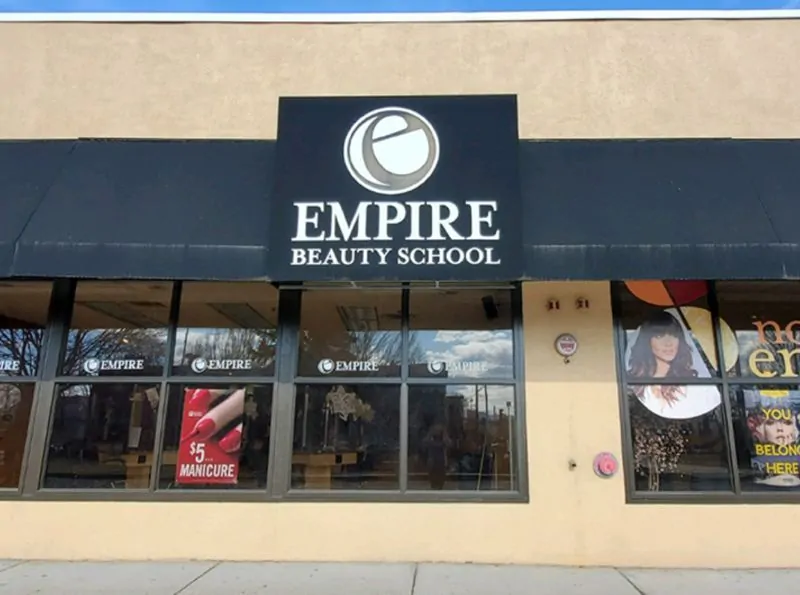
High schoolers respond well to boards that name a specific, local next step. On a “Future Hairstylists” board, pin styling tools next to the training path itself, starting with a cosmetology school Boston already within reach and ending with the licensing exam that follows graduation. This kind of coursework is no longer treated as a fallback option. More than 90 percent of public high school students nationwide now take at least one class in the category, as districts increasingly blend career training with college prep instead of treating the two as separate tracks.
Make the Board a Living Project All Year
Interest in a board fades fast once it stops changing, no matter how good the initial design was. Swap out one section every month, tying it to whatever unit is active, and let a few students help pick the next theme.
Pre-K and elementary teachers who add photos of students role-playing each career, with short captions in their own words, turn the wall into documentation of what the class is learning rather than decoration that parents skim past. A few borders and a stack of laminated cutouts are usually all it takes to keep the idea affordable. By June, a board like this has grown into a running record of how the class thought about work over the year, one job title at a time.
About the Author