American history has always found its way into art. From paintings of small-town life to portraits that captured major political eras, historic American artwork gives homeowners a way to surround themselves with stories instead of trends. Many collectors and designers are drawn to pieces that reflect a certain period in the country’s development because those works feel grounded and personal. A room with meaningful art often carries more personality than one filled with matching furniture and safe decor choices.
Historic American art also works surprisingly well in modern homes. A colonial portrait above a sleek fireplace or a western landscape in a contemporary office creates contrast that feels layered instead of forced. The appeal is not about showing off. It is about creating a space that reflects culture, craftsmanship, and a connection to the past.
Early American Portraits
Portraiture became one of the earliest ways American families documented their place in society. Before photography existed, painted portraits served as records of marriages, military service, political leadership, and family lineage. Many early American artists focused heavily on realism, especially during the colonial and Federal periods.
These paintings often stand out because they contain subtle details tied to the time period. Clothing styles, furniture placement, jewelry, and even posture reveal social customs from specific decades in American history. A single portrait can say more about the late 1700s than an entire shelf of history books.
Today, homeowners often display these works in libraries, dining rooms, or entryways because they create an immediate sense of permanence. The slightly formal style also pairs well with dark wood furniture, antique mirrors, and traditional architecture.
Scenes of Everyday Life
American artists eventually shifted toward depicting ordinary people and recognizable moments instead of strictly formal portraiture. Rural towns, schoolhouses, baseball games, and front porches became common subjects. These paintings helped document the routines and values associated with different eras of American life.
One reason these works remain popular is because they feel familiar. Even when the scenes come from another century, they often reflect traditions many families still recognize today. Small gatherings, holiday celebrations, and neighborhood life continue to resonate across generations.
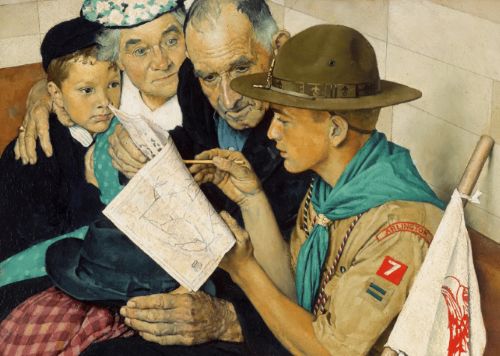
For example, Norman Rockwell original paintings for sale depict this through detailed expressions, storytelling, and scenes that feel deeply tied to American identity. Rockwell’s work became especially recognizable because it balanced realism with warmth and humor without feeling overly polished.
These types of paintings are often displayed in kitchens, family rooms, or hallways where people naturally gather. They add character without making a room feel overly formal or museum-like.
Western Expansion Art
Western landscapes and frontier scenes became another major chapter in American art history. During the 1800s, painters traveled across mountains, deserts, and unsettled territories to document parts of the country many Americans would never see themselves. Massive skies, dramatic cliffs, and remote wilderness scenes became symbols of exploration and national growth.
Artists connected to the Hudson River School and later western movements painted nature with remarkable detail. Their work reflected admiration for the scale and beauty of the American landscape. These paintings often carried a sense of optimism and movement during periods of expansion.
Large western paintings work especially well in homes with stone fireplaces, exposed beams, or natural materials. The earthy tones and sweeping scenery complement spaces designed around warmth and texture. They also create a sense of depth in rooms that need a stronger focal point.
Many homeowners are drawn to these works because they capture a version of America that feels rugged and untamed. Even in urban homes, western art introduces a sense of open space that modern interiors sometimes lack.
Political and Historical Works
Some American artwork directly reflects major historical moments, including wars, presidential eras, abolition movements, and industrial growth. These pieces often carry stronger emotional weight because they connect directly to events that shaped the country.
Paintings from the Civil War period, for instance, documented soldiers, military camps, and divided communities. Other artists focused on growing cities during the Industrial Revolution or changing social conditions during the early 20th century. These works act almost like visual archives.
Displaying historically focused artwork requires balance. A room filled entirely with dramatic political imagery can feel heavy. That is why many homeowners mix historical works with softer design elements like neutral textiles, natural lighting, or understated furniture.
This is also where hiring an interior designer becomes especially useful for homeowners who want historic art to feel integrated instead of overwhelming. A designer can help pair older artwork with modern layouts while preserving the character of the piece itself. Historic works often need the right scale, lighting, and placement to feel intentional within contemporary spaces.
Folk Art Traditions
American folk art developed outside formal academic training and often reflected regional traditions, handmade techniques, and cultural storytelling. These pieces range from painted furniture and carved figures to portraits, signs, and quilts. Many were created by local artists rather than widely known names.
What makes folk art appealing is its individuality. Brushstrokes tend to feel less rigid, proportions may appear imperfect, and colors are often bold. That lack of polish is exactly why many people find the work memorable. It feels human.
Folk art also reflects the diversity of American history. Different regions developed distinct visual styles based on immigration patterns, religious traditions, and local materials. Pennsylvania Dutch designs look entirely different from Appalachian carvings or New England coastal paintings.
In modern interiors, folk art adds texture and personality. A single handmade piece can prevent a room from feeling overly staged. Many homeowners use folk art in breakfast rooms, stairways, or reading corners because it introduces warmth without requiring elaborate styling.
Historic American artwork continues to resonate because it captures more than visual beauty. These pieces reflect personal stories, cultural shifts, regional traditions, and defining moments from different periods of the country’s history. Whether the subject is a frontier landscape, a colonial portrait, or a scene from small-town life, the strongest works bring depth and individuality into a home in ways mass-produced decor rarely can.
About the Author