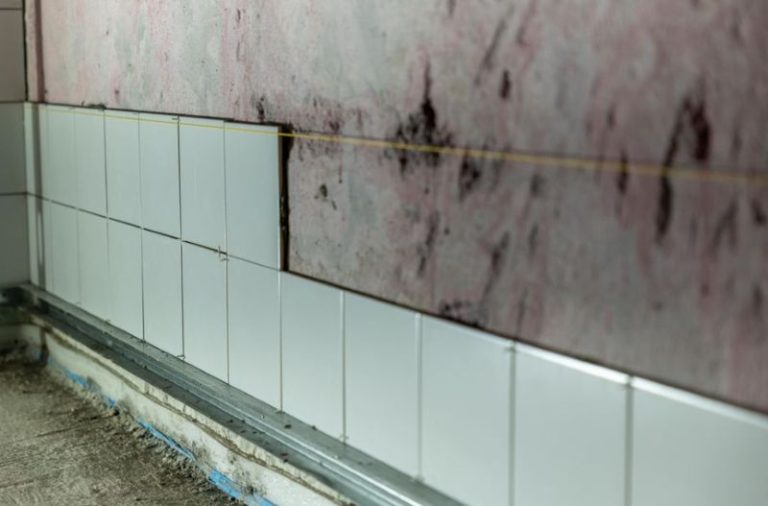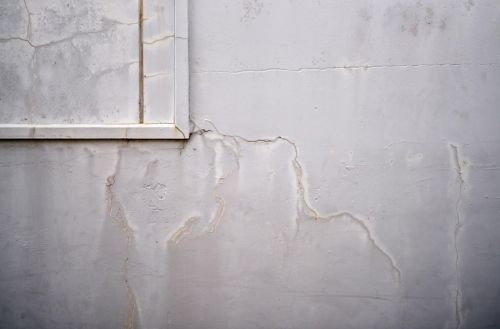
A fresh coat of paint can hide a lot. So can a repaired crack, a patched ceiling stain, or a door that suddenly starts working again after a quick adjustment. Homes have a way of appearing healthy even when larger issues are beginning to develop beneath the surface.
That is why basic repairs can sometimes be misleading. They solve visible problems, but they do not always address the underlying cause. A leak may be stopped temporarily, while moisture continues spreading elsewhere. A wall crack may be filled, while structural movement remains active. The real challenge is knowing when a home is asking for more than a simple fix.
Most properties experience normal wear. Materials age, systems become less efficient, and maintenance is required. However, there comes a point when recurring problems suggest that a deeper issue should be investigated. Recognizing those signs early can help homeowners avoid larger expenses and more extensive disruptions later.
When Small Problems Keep Coming Back
One of the clearest indicators that a home may need more than basic repairs is repetition. If the same issue continues to return after being fixed, the original problem may not have been fully addressed.
Roofing concerns provide a good example. Replacing a few shingles may solve a visible issue for a short period. However, if leaks continue appearing or sections of the roof repeatedly show damage, a broader evaluation may be needed. In situations like these, consulting a reliable roofing contractor can help determine whether repairs are still practical or whether larger corrective work should be considered.
The same pattern can appear elsewhere. A crack that repeatedly reopens may suggest movement within the structure. Water stains that return after repairs may indicate hidden moisture pathways. Drafts that persist despite sealing efforts could point to broader insulation or exterior issues.
For example, a homeowner may repair ceiling discoloration several times, only to discover that a roofing problem has been affecting multiple areas of the home. Another may repaint peeling walls repeatedly before learning that excess moisture is trapped behind them.
Have those recurring issues been treated as isolated repairs, or could they be connected to something larger?
The House Starts Behaving Differently
Homes often communicate problems through subtle changes. These signs may seem unrelated at first, but together they can reveal a larger pattern.
Doors that suddenly become difficult to close may indicate structural movement. Windows that no longer open smoothly can suggest shifting frames. Floors that feel uneven may point toward settling or moisture-related concerns.
These changes are sometimes dismissed because they develop gradually. Since homeowners see their surroundings every day, small shifts can be easy to overlook. Visitors, however, may notice them immediately.
Structural issues do not always involve dramatic warning signs. In many cases, they begin with small changes that appear harmless. The concern arises when multiple symptoms appear at the same time.
A sticking door alone may not be alarming. A sticking door combined with wall cracks and uneven flooring deserves closer attention. When several indicators appear together, a more comprehensive inspection is often justified.
What happens when a home’s behavior changes in ways that cannot be explained by normal wear? That question is worth exploring before the problem grows.
Moisture Keeps Finding A Way In
Few issues create more long-term damage than moisture. Water has a remarkable ability to travel beyond the point where it first enters a home. Because of that, visible damage often represents only a fraction of the actual problem.
Some common moisture-related warning signs include:
- Water stains that continue returning
- Persistent musty odors
- Peeling paint in multiple locations
- Warped flooring or trim
- Mold growth near walls or ceilings
- Condensation that appears unusually often
These symptoms should not be viewed in isolation. Water rarely affects only one area. Once moisture enters the structure, surrounding materials can be impacted as well.
For example, a small plumbing leak hidden inside a wall may eventually affect insulation, drywall, and flooring. Similarly, roof-related moisture may travel considerable distances before visible evidence appears indoors.
The longer moisture remains undetected, the more extensive repairs may become. Early intervention is usually far less disruptive than waiting for obvious damage to develop.
Energy Bills Keep Climbing Without Explanation
Many homeowners associate major repairs with visible damage, but efficiency problems can also signal deeper concerns.
Heating and cooling systems often work harder when a home’s exterior envelope has been compromised. Aging roofing materials, deteriorating insulation, damaged siding, or poorly sealed windows may allow conditioned air to escape. As a result, utility costs may rise even when household habits remain unchanged.
Comfort can also be affected. Certain rooms may feel warmer during summer or colder during winter. Drafts may appear near windows and doors. Temperature differences throughout the home may become more noticeable.
These issues are frequently treated as HVAC problems, although the source may lie elsewhere. A struggling heating or cooling system is sometimes responding to weaknesses in the building itself.
Addressing these underlying concerns can improve efficiency while helping create a home that feels effortlessly comfortable all year long. Comfort and energy performance are often connected more closely than many homeowners realize.
A property that consistently requires more energy to maintain comfortable conditions may be signaling the need for improvements that go beyond routine repairs.
The Cost Of Waiting Usually Grows
One of the most challenging aspects of homeownership is deciding when a repair should become a larger project. Delaying that decision often feels financially responsible in the short term. Unfortunately, the opposite outcome is frequently experienced.
Minor issues tend to expand when they are not addressed properly. Water damage spreads. Structural movement continues. Aging materials become weaker. Repair costs often increase because additional components become affected.
This does not mean every issue requires a major renovation. Many concerns can still be resolved through targeted repairs when they are identified early. The key is understanding when recurring symptoms suggest a larger underlying cause.
Homes naturally age, and maintenance will always be required. However, repeated repairs, persistent moisture, unusual structural changes, and unexplained efficiency problems should not be ignored. These warning signs often indicate that a more comprehensive solution deserves consideration.
A house is more than a collection of individual parts. Every system influences another. When one area begins struggling, the effects are often felt elsewhere. Paying attention to those connections can help homeowners make smarter decisions, protect their investment, and address problems before they become significantly more expensive.
About the Author