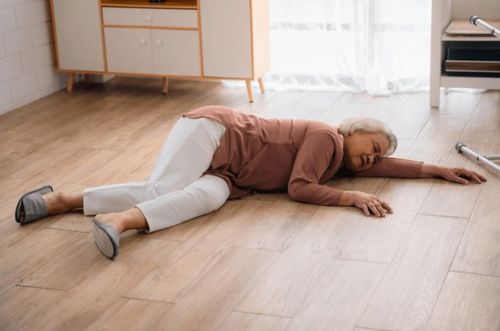
Slip and fall accidents are most commonly caused by wet floors, untreated ice or snow, uneven walkways, poor lighting, loose carpeting, spills, and cluttered pathways. Many of these accidents happen because a dangerous condition wasn’t fixed or properly marked.
Hackensack is the county seat of Bergen County, New Jersey. The city has busy commercial districts, medical centers, and heavily traveled sidewalks. Like many urban communities, maintaining safe walkways and premises helps prevent avoidable accidents in the area.
If you’ve been injured due to unsafe conditions, a slip and fall attorney in Hackensack can help you determine whether a property owner may be liable.
Wet or Freshly Mopped Floors
Spilled drinks, leaking equipment, rainwater tracked indoors, and freshly cleaned floors can all create dangerous walking conditions.
The risk becomes even greater when businesses fail to place warning signs around recently mopped areas. A surface that appears safe can quickly become hazardous when traction is reduced.
Property owners are generally expected to address these conditions within a reasonable time and provide adequate warnings when hazards cannot be removed immediately.
Ice and Snow
Winter weather can create dangerous slip-and-fall conditions. Sidewalks, parking lots, entrances, and stairways can become extremely slippery when ice or snow is left untreated.
Under New Jersey law, both property owners and municipalities have certain responsibilities related to snow and ice removal. Failing to shovel, salt, or otherwise maintain walkways can significantly increase the risk of injuries during winter months.
Uneven Sidewalks and Walkways
Cracked sidewalks, raised concrete slabs, potholes, and loose flooring often catch people off guard because the change in surface level may not be immediately noticeable.
Even a small elevation difference can cause someone to trip and fall. These hazards are especially common in older commercial areas, parking lots, and heavily used pedestrian walkways.
Regular inspections and maintenance are essential to keeping these surfaces safe.
Poor Lighting
Good lighting plays a major role in accident prevention. When hallways, stairwells, parking garages, or outdoor walkways are poorly lit, it becomes difficult to spot hazards before it’s too late.
A puddle, loose step, or obstacle can easily go unnoticed in dim conditions. Property owners have a duty to maintain reasonably safe premises, which often includes providing adequate lighting for visitors and customers.
Loose or Torn Carpeting
Damaged carpeting is another common cause of falls. Torn edges, loose sections, or worn flooring can catch a person’s foot and cause a sudden loss of balance.
Because these hazards often develop gradually, they may be overlooked unless regular maintenance is performed. Prompt repairs can prevent many avoidable accidents.
Spilled Liquids and Debris
Liquids such as water, grease, or cleaning products can create slippery surfaces almost instantly. Likewise, debris, trash, and other objects left on the floor can create unexpected tripping hazards.
Grocery stores, restaurants, warehouses, and retail spaces frequently encounter these risks, making routine inspections especially important.
Cluttered Walkways
Boxes, extension cords, equipment, and other obstacles placed in walkways can obstruct foot traffic and increase the likelihood of falls.
These hazards are particularly dangerous in crowded environments where people may not have enough time to react. Keeping pathways clear is one of the simplest ways to improve safety.
Under New Jersey premises liability principles, property owners can sometimes be held responsible when dangerous conditions are ignored and injuries result.
Final Takeaways
- Wet floors remain one of the most common slip hazards.
- Ice and snow significantly increase winter accident risks.
- Uneven sidewalks and flooring can cause unexpected falls.
- Poor lighting often hides dangerous conditions.
- Torn carpeting creates serious tripping hazards.
- Spills, debris, and cluttered pathways increase injury risks.
- Property owners have a responsibility to maintain reasonably safe premises.
About the Author