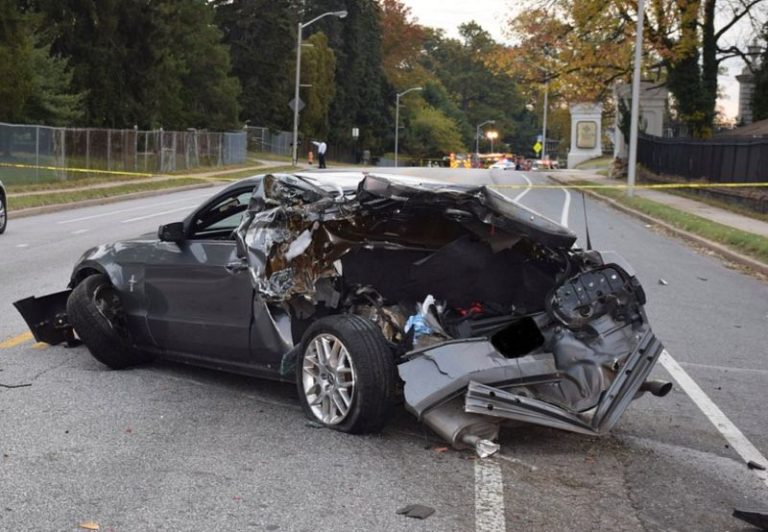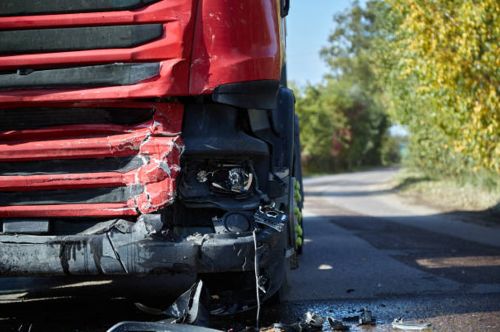
Truck accidents physically injure victims through broken bones, brain trauma, and spinal damage while also causing lasting emotional harm like PTSD and depression. Both types of damage can affect every part of a victim’s life for years after the crash.
Kansas City sits at the crossroads of I-70 and I-35, one of the busiest freight corridors in the country. The city sees some of the highest volumes of commercial truck traffic in the Midwest. Many victims dealing with the aftermath of a truck crash work with a truck crash attorney in Kansas City to pursue the compensation they are owed.
Recovery rarely follows a straight path. The body and mind are both affected in ways that go far beyond the accident itself.
Physical Effects on the Body
A commercial truck can weigh up to 80,000 pounds when fully loaded. When that weight meets a passenger vehicle, the human body absorbs devastating force.
What Injuries Are Most Common?
Victims rarely walk away with minor injuries. The physical damage is often life-altering.
- Traumatic brain injuries caused by impact or violent whiplash
- Spinal cord damage that can result in partial or full paralysis
- Broken bones in the ribs, pelvis, arms, or legs
- Internal bleeding and organ damage from blunt force
- Severe lacerations and crush injuries requiring multiple surgeries
Under 49 C.F.R. Part 390, the FMCSA sets safety standards that all commercial carriers must follow. When those standards are ignored, crash injuries become significantly worse.
Short-Term vs. Long-Term Physical Impact
In the short term, victims face hospitalization, surgery, and intense pain. Medical bills begin piling up within days.
Long-term effects are harder to manage. Chronic pain, reduced mobility, and permanent disability often follow victims for the rest of their lives. Injuries like spinal cord damage or traumatic brain injury change how a person functions every single day.
Emotional Effects on Victims
Physical injuries are visible on scans and charts. Emotional injuries are not, but they are equally serious.
Post-Traumatic Stress Disorder
PTSD is one of the most reported psychological outcomes after a serious truck crash. Victims relive the accident through flashbacks and often avoid driving or highways entirely.
Loud noises, heavy traffic, or similar situations can trigger intense anxiety. This makes daily life and commuting extremely difficult.
Depression After a Truck Accident
Depression commonly develops when injuries prevent a person from working or caring for their family. The loss of income, routine, and independence creates a cycle that is hard to break.
This is not just an emotional response. It is a medical condition that requires proper treatment and support.
Emotional Effects That Are Harder to See
Some emotional impacts are less obvious but still affect victims every day.
- Survivor’s guilt when others were killed in the same crash
- Sleep disorders and nightmares are connected to trauma.
- Frustration and anger over delayed insurance processes
- Relationship strain caused by personality changes or increased dependence on others
Missouri Revised Statutes § 537.090 recognizes emotional distress, pain and suffering, and loss of enjoyment of life as compensable damages. These are legal injuries, not just personal hardships.
Why Truck Accident Cases Are More Complex
A truck accident claim involves more parties than a standard car crash. The driver, trucking company, cargo loader, and vehicle manufacturer can all share liability depending on what caused the collision.
Hours-of-Service Violations
FMCSA rules under 49 C.F.R. Part 395 limit how long a driver can operate without rest. Violations of these rules are a leading cause of fatigue-related crashes.
Proving a violation requires electronic logging device data. This data must be secured quickly before it is lost or overwritten.
Settlement vs. Full Legal Claim
A fast insurance settlement rarely accounts for long-term physical and emotional costs. A full legal claim can pursue compensation for future care, lost earning capacity, and non-economic damages.
Accepting a quick offer can leave victims without financial support when symptoms worsen months later.
Key Takeaways
- Truck accidents cause severe physical injuries, including brain trauma, spinal damage, and internal harm.
- PTSD, depression, and anxiety are medically recognized and legally compensable in Missouri.
- Long-term costs almost always exceed what early insurance settlements offer.
- FMCSA safety and hours-of-service rules are central to proving liability.
- Multiple parties can share fault in a single truck accident case.
- Electronic logging device data must be preserved early to protect a legal claim.
- Missouri law allows victims to recover damages for both physical and emotional harm.
About the Author