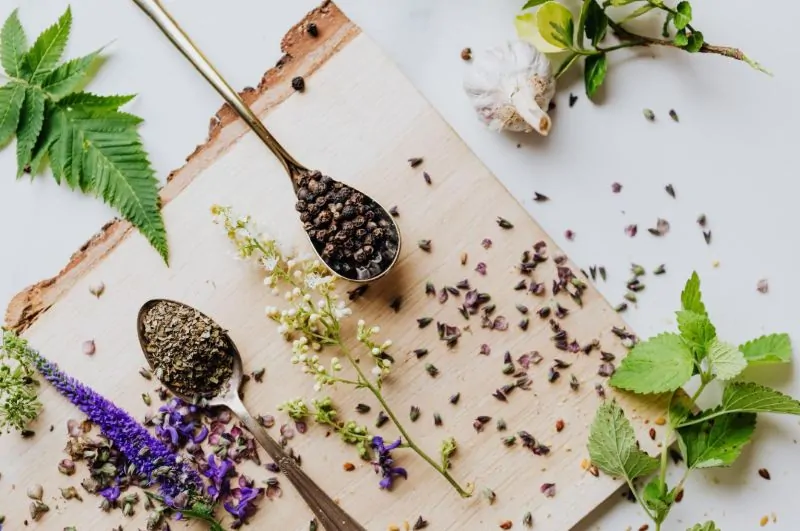
People relied on plants to treat sickness long before modern pharmacies opened their doors. Early civilizations experimented with wild leaves, roots, and tree bark to discover natural methods for easing body pain.
Traditional herbal practices shaped human healthcare strategies for thousands of years across every major continent. Medical knowledge expanded as trade routes connected distant cultures and shared valuable plant information.
Willow Bark
Ancient Sumerians and Egyptians recorded using willow bark to relieve bodily pain and high fevers. They brewed simple teas from the outer tree rind to ease joint aching after long hours of intense physical labor. Workers drank the bitter mixtures daily to keep their bodies functional during major construction projects.
Greek physicians recommended willow bark extracts for women experiencing severe pain during childbirth. Many modern consumers order botanical products online via https://sativauniversity.com/delivery/ to access natural options at home. Scientists isolated salicin from willow bark compounds, leading directly to the mid-nineteenth-century creation of modern aspirin.
Chewing raw willow bark provided reliable pain relief without synthetic chemicals or complex laboratory processing. Ancient healers passed this specific tree remedy down through generations of rural herbalists.
Garlic
Garlic served as a nutrient-dense food and a potent medicine across ancient Egyptian, Greek, and Roman societies. Construction workers building Egyptian pyramids consumed raw garlic cloves every morning to maintain physical stamina.
Traditional healers applied crushed garlic directly onto open wounds to prevent dangerous bacterial contamination. Global health agencies note that around 40% of current pharmaceutical products trace their origin back to natural remedies like these.
Active sulfur compounds inside garlic provide natural antimicrobial properties that combat common bacterial strains. Historical armies carried garlic bulbs into battle as emergency field dressings for wounded soldiers. Modern research laboratories continue to validate the protective qualities that ancient cultures observed long ago.
Ginseng
Traditional Chinese medicine practitioners relied on ginseng root for over 2,000 years to promote vitality. Herbalists gathered slow-growing roots from remote mountain forests to prepare herbal tonics that restored internal energy. Collectors spent weeks searching dense woodlands for mature roots with human-like shapes.
Ancient medical texts described ginseng as a restorative remedy that sharpened mental focus and elevated endurance. Healers prescribed brewed root teas to elderly individuals who required extra physical strength during severe winter seasons.
Merchants valued top-grade wild roots so highly that ginseng traded at market prices matching pure silver bullion. Royal courts tightly regulated the ginseng harvest to prevent over-collection in wild mountain ranges.
Turmeric
Ayurvedic healers in ancient India integrated yellow turmeric rhizomes into daily wellness routines starting 4,000 years ago. Bright orange roots were ground into fine powders to treat skin irritations, digestive complaints, and joint swelling. Families mixed turmeric into daily meals to preserve food and promote internal health.
Market research indicates that the global herbal medicine market reached $107.7 billion in 2025 and may hit $630.0 billion by 2033 as demand grows. Turmeric stands out as a primary driver behind this significant financial market expansion.
Curcumin serves as the main active compound inside turmeric, providing potent antioxidant protection for human tissues. Traditional recipes mixed turmeric powder with warm milk or natural oils to increase absorption within the digestive tract.
Chamomile
Roman soldiers and Egyptian nobility used chamomile flower tea to calm nervous minds and settle troubled digestive tracts. Dried yellow blossoms were steeped in hot water for drinking or mashed into soothing skin pastes. Ancient doctors noted its gentle calming effect on patients suffering from heat exhaustion.
Historical records document how chamomile addressed several recurring health issues across early European towns:
- Stomach cramps and digestive discomfort
- Skin irritation from insect bites or minor burns
- Sleep trouble and mild nervous tension
Gentle plant qualities made chamomile safe for young children and frail elders alike. Families stored dried blossoms in sealed containers year-round for fast access during unexpected household illnesses. Village herbalists often recommended chamomile as a primary home remedy for restless nights.
Peppermint
Archaeologists discovered dried peppermint leaves inside ancient Egyptian tombs dating back to 1000 BCE. Ancient Greek and Roman scholars praised peppermint leaves for clearing nasal passages and soothing stomach upset after large feasts.
Monks living in medieval European monasteries cultivated extensive peppermint gardens to brew therapeutic herbal teas. Menthol oils extracted from fresh leaves produced immediate cooling sensations when rubbed onto aching muscles or irritated skin. Monastic infirmaries kept peppermint tinctures ready for traveling pilgrims needing digestive relief.
Simple leaf infusions offered rapid relief from stomach discomfort without harsh synthetic side effects. Fresh leaves were crushed into hot water to release volatile aromatic oils that eased respiratory congestion.

Medicinal herbs formed the true foundation of global healthcare centuries before synthetic pharmaceuticals entered the market. Cumulative knowledge passed down through generations transformed simple wild plants into dependable medical treatments.
Modern scientific research continues to validate the wisdom underlying historical plant choices. Incorporating traditional herbal remedies connects ancient natural heritage with modern wellness practices today. Nature offers timeless solutions for maintaining daily balance and comfort.
About the Author