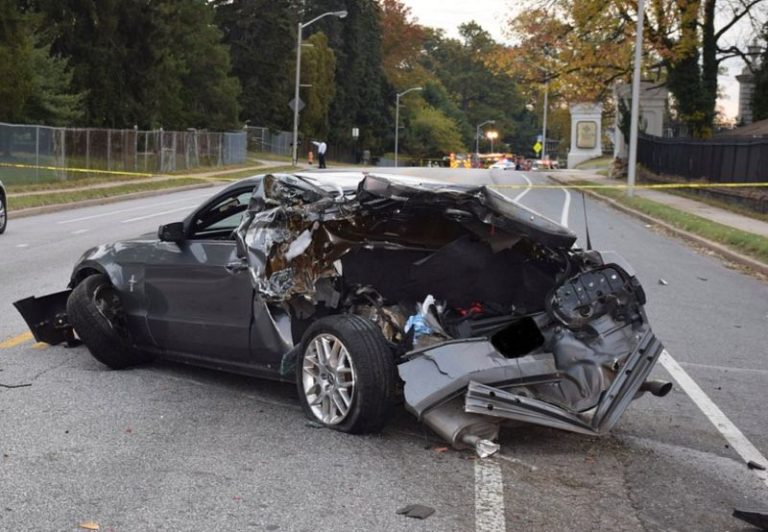
Car accidents often leave physical injuries, financial liabilities, and emotional trauma in their wake. Fortunately, victims can seek compensation for pain and suffering caused, medical costs incurred, property damage, and lost income.
While it’s within your rights to pursue compensation after a car accident, getting one isn’t straightforward. You don’t call your insurance company or that of the at-fault driver, request a $500k compensation, and get it the following day like a Christmas gift from Santa.
You need to provide concrete evidence to prove liability or losses.
Not sure what that evidence is? Don’t worry, we list them below.
1. Official Police Report
You need an official police report to prove liability or losses in your car accident claim. In fact, it’s one of the most important pieces of evidence.
The report should contain factual details of:
- The car accident
- The time it took place
- Drivers involved,
- Vehicles details
- Traffic violations
It should also contain officer observations. Perhaps one of the drivers involved in the accident was high on drugs. Such information will be instrumental to your claim. The report should also contain witness information and statements from both drivers.
2. Photographs of the Accident Scene
After a car crash, it is advised to check yourself and other passengers for possible injuries. If none, it’s important to take enough photographs of the accident scene.
Images of the vehicles involved, damage to your vehicle and others involved, skid marks (if any), broken windshields, debris, stop signs, etc., will help experts understand what took place before the accident.
Dashcam footage is another unbiased and reliable piece of evidence. It shows the moments leading up to the crash in real time. When it comes to car accident claims, visual evidence like photographs and videos usually carries more weight than mere words. After all, the camera doesn’t lie!
3. Witness Testimony
Most accidents usually have witnesses who can confirm what happened. These may include a motorist parked by the corner, a pedestrian waiting to board a bus, or someone in a coffee shop across the street where the accident took place.
While witness testimony is strong evidence, it doesn’t 100% determine who caused the accident. Regardless, getting one will help your car accident claim—especially if the witness statement aligns with your story of what happened.
If possible, ensure you gather as many witness accounts as you can. This helps reduce doubt and confirm key facts. Should witnesses give conflicting accounts or refuse to cooperate later, you may want to involve a car accident lawyer. They can formally reach out to the witnesses and preserve statements for legal use.
4. Medical Records
Did you sustain injuries during a car accident? Perhaps you had cuts, whiplash, bruises, or maybe fractures and received treatment for them. It’s important you keep all hospital documentation related to the diagnosis and treatment, as they’ll serve as proof that the injuries were from the car accident.
You should also keep all bills, prescriptions, therapy costs, and hospital fees you receive from your healthcare provider. Doing so helps prove financial loss and keeps track of your medical expenses. Anything that connects the injury to the accident (no matter how small) will come in handy when pursuing compensation.
5. Cell Phone Logs
In 2024, distracted driving was a factor in 3,208 traffic fatalities and caused more than 315,000 injuries across the U.S.
If you suspect that the at-fault driver was on a call at the time of the accident, you can subpoena the call logs and use them to back your claim.
Since the logs are time-stamped, you compare them with police reports, witness statements, or dashcam footage. This helps confirm if the driver was distracted when the accident took place.
6. Employer Records (If Commercial Vehicle Is Involved)
If the vehicle that struck you is a commercial vehicle, you may need to gather extra documentation. These include driver logs, company safety policies, cargo documentation, vehicle maintenance records, and so on.
With these documents at your disposal, you could determine if the accident was caused by poor vehicle maintenance, driver fatigue, or company pressure.
Mistakes That Can Weaken Your Car Accident Claim
You may have strong evidence. However, certain mistakes can water down your car accident claim. And one of them is delaying medical treatment. Doing so allows insurance companies to argue that your injuries weren’t serious or a result of the car accident.
Furthermore, admitting fault at the scene is another mistake that could affect your claim. Certain statements, like “I’m sorry,” might seem like you’re taking responsibility. Stick to the facts when communicating with witnesses, police, or drivers involved in the accident.
Conclusion
You need solid evidence to seek compensation for damages caused after in a car accident. Evidence helps prove liability. They also help support negotiations and prove that your injuries are real.
The police report should be your priority as it is an official and unbiased report of the accident. Ensure it contains the location of the crash, the type of accident, information about all parties, etc. And If you encounter any difficulties while gathering the evidence, don’t hesitate to hire a reputable Fort Lauderdale auto accident lawyer.
About the Author