Have you noticed how every home project now comes with two promises: it will make your house prettier and somehow turn you into a calmer, more organized person? Americans are spending more on renovations even as inflation keeps squeezing grocery bills, largely because home has become office, gym, theater, and escape hatch all at once. The smartest upgrades today are not flashy status symbols. They solve real problems while still looking good enough for social media photos nobody admits they staged.
The New Luxury Is Practical Comfort
A few years ago, luxury meant giant kitchens and complicated smart systems that required a software update just to dim the lights. Now people want homes that feel easier to live in. That shift says a lot about modern life. After years of remote work, rising utility costs, and endless notifications, homeowners are choosing comfort over showing off.
Ceiling fans with quiet motors, heat-reflecting window treatments, and durable flooring are suddenly more attractive than trendy features that age badly. Even paint choices have changed. Warm earth tones and softer whites are replacing cold gray interiors because people are tired of homes that resemble startup waiting rooms. The goal is not perfection anymore. It is relief.
Curb Appeal That Actually Earns Its Keep
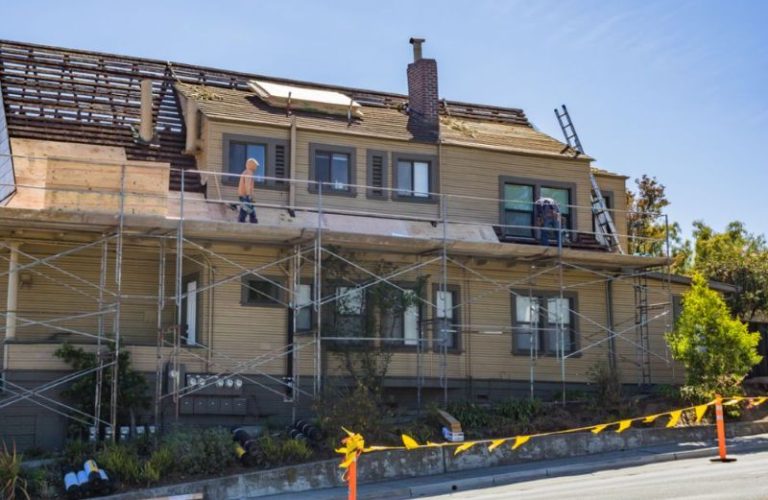
Exterior upgrades used to focus almost entirely on resale value, but homeowners now think about maintenance and energy savings at the same time. That is partly why siding, roofing, and insulated garage doors are getting attention again. Buyers want homes that look polished without creating endless weekend chores.
Across many suburbs, homeowners are leaning toward exterior materials that stay attractive without demanding constant upkeep. More families are choosing beautiful vinyl siding for that exact reason since it stands up well to changing weather and reduces the need for expensive repainting jobs. With labor costs still climbing nationwide, low-maintenance upgrades feel less like a luxury and more like financial common sense. A polished exterior also has a subtle emotional effect because coming home to a house that looks cared for can make everyday routines feel far less draining.
Kitchens Built Around Real Habits
The modern kitchen is no longer designed for imaginary dinner parties where everyone calmly sips wine while one person effortlessly sautés vegetables. People want kitchens that survive school mornings, takeout nights, and the occasional stress baking session after doomscrolling the news.
Deep drawers instead of lower cabinets make cookware easier to reach, while quartz countertops continue gaining popularity because they resist stains and require little upkeep. Walk-in pantries are also returning, partly because Americans became more conscious about food storage after supply chain disruptions made everyday items strangely hard to find. Even smaller upgrades matter. Touchless faucets reduce mess, and layered lighting helps kitchens shift from work zone to gathering space without feeling harsh or clinical.
Lighting Has Become a Mood Strategy
Good lighting can rescue an average room faster than expensive furniture ever could. Yet many homes still rely on one painfully bright ceiling fixture that makes everyone look exhausted. Designers now treat lighting as both emotional and functional infrastructure.
Layered lighting works best because it adapts throughout the day. Recessed lights provide general brightness, under-cabinet fixtures help with tasks, and table lamps soften the atmosphere at night. Smart bulbs have also improved dramatically. Early versions felt gimmicky, but current systems let homeowners control brightness and color temperature in useful ways. During winter months especially, warmer lighting helps rooms feel less sterile. Considering how much time people spend indoors now, that shift affects mood more than most homeowners expect.
Storage Is the Quiet Hero of Design
Nobody posts glamorous photos of storage solutions online, yet clutter remains one of the biggest sources of household stress. The smartest renovations create hidden organization without making the home feel rigid or overdesigned.
Built-in benches with storage underneath work well in entryways where backpacks, shoes, and sports gear usually pile up. Custom closet systems are also becoming more common because people finally realized buying more bins does not magically create space. In smaller homes, furniture with dual purposes makes a huge difference. Coffee tables with hidden compartments and beds with integrated drawers help rooms function better without looking cramped. Good storage does not just organize objects. It lowers visual noise, which modern brains desperately need.
Bathrooms Are Becoming Recovery Spaces
The rise of spa-inspired bathrooms says something revealing about American culture. People are exhausted, overstimulated, and searching for tiny moments of calm wherever they can find them. A thoughtful bathroom renovation can deliver that feeling surprisingly well without requiring a luxury budget.
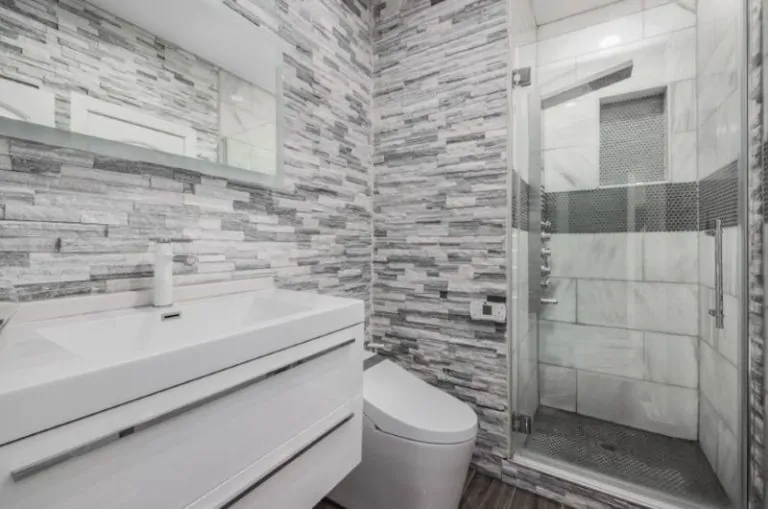
Walk-in showers with simple tile patterns remain popular because they are easier to clean and more accessible long term. Matte black fixtures still dominate showrooms, although brushed nickel is quietly returning because fingerprints are less noticeable. Heated flooring is another upgrade gaining traction in colder regions, especially as homeowners focus more on daily comfort than dramatic aesthetics. Even better ventilation matters because moisture problems can quietly destroy paint, drywall, and air quality over time.
The Best Homes Feel Adaptable
Trends change faster than ever, which is why flexible design matters more than chasing whatever dominates renovation shows this month. The strongest home improvements age well because they support different stages of life instead of locking homeowners into one aesthetic moment. Multi-use rooms continue growing in popularity since people need spaces that shift between work, relaxation, and family activities. Durable materials also matter more than trend-driven finishes that look dated within three years. In uncertain economic times, homeowners are thinking carefully before spending money, and honestly, that caution has improved design choices overall. Smart renovations today are less about impressing strangers and more about building homes that make ordinary life smoother, calmer, and a little more enjoyable. That may not sound glamorous, but it is probably the most modern luxury of all.
About the Author