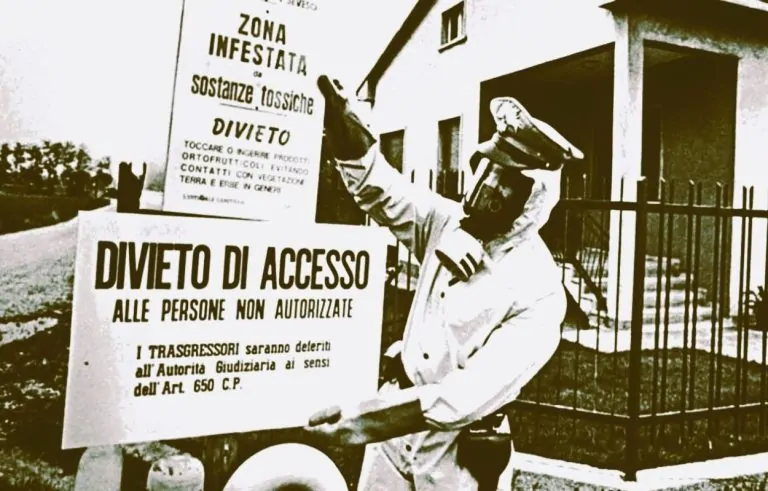
Property transactions carry more than financial and legal details. A parcel may appear ready for purchase, refinance, or redevelopment, yet past uses can leave environmental concerns beneath the surface. Reliable due diligence helps buyers, lenders, developers, and owners understand those concerns before decisions become expensive.
A strong Phase 1 ESA report brings order to scattered records, site observations, interviews, and regulatory findings. Its value depends on the accuracy of each step and the experience behind every conclusion. Clear reporting helps stakeholders move forward with confidence, fewer delays, and stronger protection against environmental liability. To get a better idea, read this blog.
Complete Property History
A dependable report starts with a careful look at how the site and nearby properties were used over time. Professionals with experience in understanding phase 1 environmental site assessment requirements review aerial photographs, fire insurance maps, city directories, topographic maps, deeds, and historical records to identify past activities that may have left environmental concerns. Former auto repair shops, dry cleaners, fuel stations, print shops, warehouses, or manufacturing spaces can influence a property long after those operations have ended. This research helps identify Recognized Environmental Conditions, also called RECs. A REC may point to the presence or possible release of hazardous substances or petroleum products.
Detailed Site Review
A site visit turns records into practical evidence. The environmental professional examines visible site conditions, building interiors, exterior areas, storage spaces, adjoining properties, drainage patterns, pavement, soil conditions, and signs of poor waste handling.
Important site review points include:
- Stained soil, chemical odors, stressed vegetation, floor drains, sumps, pits, or unusual surface marks.
- Aboveground tanks, vent pipes, fill ports, patched pavement, drums, containers, or waste storage areas.
- Nearby operations such as gas stations, industrial yards, repair shops, dry cleaners, or machine shops.
- Evidence of dumping, buried debris, abandoned equipment, or runoff routes that may carry contaminants
Reliable Interviews
Interviews add context that documents may miss. Owners, occupants, property managers, maintenance teams, and local officials may know about spills, tank removals, chemical storage, former tenants, repairs, complaints, or past cleanup activity. These details can help connect isolated facts into a stronger environmental picture. Quality interviews depend on focused questions and clear documentation. General conversations rarely support firm conclusions, especially when the property has a long or complex history.
Careful Regulatory Search
Regulatory records reveal how agencies have tracked environmental activity on and around a property. A phase 1 environmental site assessment reviews databases related to leaking tanks, hazardous waste generation, spills, cleanup sites, enforcement actions, landfills, and environmental permits. The real value comes from interpretation, not from listing database results without context.
A strong regulatory review considers:
- Correct search distances based on ASTM standards and the property setting.
- Address errors, duplicate listings, former business names, and outdated facility records.
- Nearby contamination sources that may affect soil, groundwater, or vapor conditions.
- Agency file details that clarify the status of spills, closures, or cleanup work.
Expert Interpretation
Environmental findings rarely speak in simple terms. Experienced consultants weigh incomplete records, limited site access, conflicting statements, and surrounding land uses with professional judgment. Their role is to decide if a concern should be classified as a REC, controlled REC, historical REC, or a minor issue. That judgment has real business impact. A well-supported conclusion may affect financing, purchase negotiations, insurance review, redevelopment budgets, or the need for additional testing.
Clear Final Reporting
A reliable report must be easy to read and easy to defend. Strong structure includes a useful executive summary, accurate property description, defined scope, findings, opinions, data gaps, conclusions, and supporting appendices. The reader should understand the main concerns without sorting through vague language or repeated details. Understanding phase 1 environmental site assessment results becomes simpler when the report explains what was found, why it matters, and what limitations apply. Attorneys, lenders, investors, and development teams need precise language without sounding overly technical. Reliable Phase 1 ESA outcomes come from careful research, detailed inspection, credible interviews, and sound judgment. Each factor strengthens the report and supports smarter property decisions. A clear, evidence-based report helps reduce uncertainty before environmental risk becomes a costly surprise.
About the Author