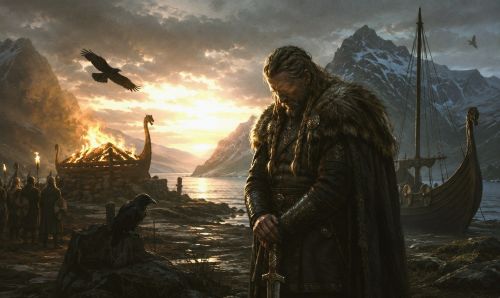
Old Norse myth and saga did not treat voluntary death as a single moral category. Chosen death could be tragic, honorable, sacrificial, or deeply contested.

By Matthew A. McIntosh
Public Historian
Brewminate
Introduction: Death Chosen, Death Interpreted
To write about suicide in the Viking world is to enter a territory where modern language can mislead almost before the argument begins. “Suicide” now carries legal, medical, psychological, religious, and moral meanings that do not map neatly onto the categories of Old Norse literature. The sagas, eddic poems, and mythological traditions inherited from medieval Scandinavia do not present self-chosen death as a single, stable act with one moral meaning. They place voluntary death within a larger grammar of honor, shame, fate, kinship, revenge, loyalty, bodily decline, and reputation. A person’s death could be remembered not only for the fact that life ended, but for the manner in which that ending was faced, staged, narrated, or transformed into memory. The question is not whether “the Vikings approved of suicide” in any simple or universal sense. The more useful question is how Old Norse narrative culture made certain forms of chosen death intelligible, and why some deaths by one’s own decision could be represented as more honorable than survival under humiliation, helplessness, or dishonor.
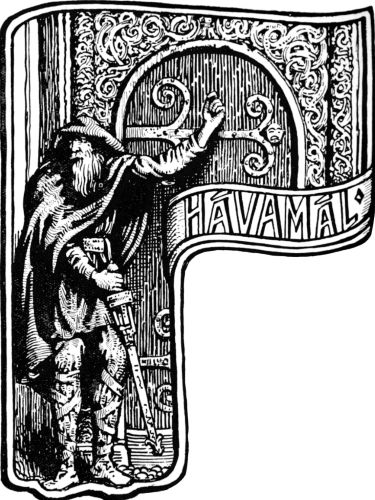
The world imagined in these texts was one in which dying well could matter as much as living long. The famous maxim from Hávamál that “cattle die, kinsmen die, the self must also die,” but that reputation may endure, captures a central value in Old Norse moral imagination: life was finite, but memory could outlast the grave. That does not mean the culture was indifferent to grief, fear, or loss. The sagas are full of mourning, anxiety, vengeance, and the long social aftershocks of death. Yet they also return again and again to the idea that the final act of life could preserve, recover, or even magnify a person’s standing. Violent death, especially death associated with weapons, feud, sacrifice, battle, or defiance, could carry a social and sometimes cosmological prestige that death from old age or illness often lacked. In that world of values, voluntary death might be framed not merely as despair, but as agency: a final refusal to let enemies, disease, poverty, captivity, or shame dictate the terms of one’s ending.
I approach such deaths through the intertwined evidence of myth, saga, and later reception. In myth, Odin’s self-hanging on the tree, wounded by a spear and sacrificed “himself to himself,” provides one of the most striking northern images of chosen suffering as a path to power, knowledge, and transformation. In saga and legendary narrative, men and women sometimes choose death, invite death, or shape the circumstances of death to preserve honor, answer injustice, avoid degradation, or assert control when ordinary forms of power have failed. Yet the evidence must be handled carefully. Most surviving Old Norse literary texts were written down after the conversion of Scandinavia and Iceland to Christianity, often centuries after the pagan Viking Age they appear to remember. They may preserve older beliefs and heroic patterns, but they also reflect medieval authorship, Christian moral pressure, literary convention, and the retrospective imagination of Icelandic prose culture. What they give us is not a transparent record of Viking behavior but a rich archive of how medieval Norse-speaking communities thought with and through the memory of a pagan heroic past.
The argument that follows is deliberately cautious. It does not claim that Viking society possessed a single “ethic of suicide,” nor that all voluntary death was honored, nor that modern legends such as the ättestupa preserve reliable evidence for ritual senicide. Instead, it argues that Old Norse texts repeatedly use self-chosen death to explore the limits of honor and agency. A chosen death could be noble, tragic, foolish, satirical, sacrificial, or morally ambiguous depending on its narrative setting. It could express courage, loyalty, revenge, despair, social pressure, or an attempt to escape the indignity of passive decline. The force of these stories lies in that ambiguity. They reveal a culture deeply interested in the difference between merely dying and dying meaningfully, between defeat and dishonor, between fate accepted and fate seized. In the Viking and Old Norse imaginative world, the end of life was not always imagined as something simply suffered. Sometimes it was something chosen, interpreted, and made to speak.
The Problem of Sources: Viking Age Belief through Medieval Narrative
Any study of voluntary death in the Viking world must begin with a problem that is both frustrating and productive: the Viking Age itself left us no straightforward handbook of pagan ethics, no systematic theology of death, and no native treatise explaining when self-chosen death was honorable, shameful, sacrificial, or foolish. The evidence comes to us unevenly. Archaeology can reveal burial practice, grave goods, ritual landscapes, violence, social rank, and patterns of commemoration, but it cannot easily tell us what a particular person believed about suicide, Valhalla, Hel, or the moral meaning of death. Runic inscriptions can preserve names, memorial gestures, kinship claims, and occasional fragments of belief, but they rarely provide sustained reflection. The richest narrative sources (eddic poetry, skaldic verse, mythological prose, family sagas, legendary sagas, and kings’ sagas) are indispensable, but they are also mediated, selective, and often much later than the world they describe.
This is most notably true of the Icelandic saga tradition. The great prose sagas were mostly written down in the thirteenth and fourteenth centuries, long after the formal Christianization of Iceland around the year 1000 and after Scandinavian societies had undergone deep political, religious, and legal transformation. These texts often look back toward the Viking Age, but they do so from a medieval Christian literary world that had its own concerns: genealogy, feud, law, kingship, conversion, memory, regional identity, and moral interpretation. A saga death scene may preserve older heroic expectations, but it may also be shaped by later narrative art. A pagan character’s defiance may be admired, ironized, condemned, or left unresolved. The sagas are not diaries from the Viking Age. They are retrospective works of literature, built from oral tradition, local memory, learned writing, and authorial design.
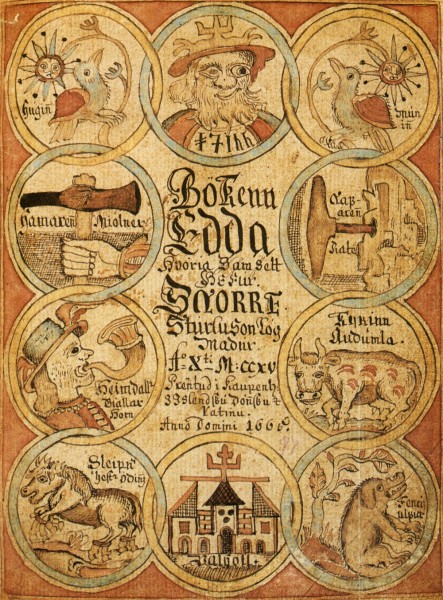
The mythological sources require equal care. The Poetic Edda preserves poems that may contain very old mythic and heroic material, but the manuscript witnesses are medieval. Snorri Sturluson’s Edda, composed in the thirteenth century, is an extraordinary guide to Norse myth, poetic diction, and divine narrative, yet it is also the work of a Christian Icelandic intellectual explaining pagan tradition for literary purposes. When Snorri describes the destinations of the dead, the gods, Odin’s hall, Hel, or the structure of the cosmos, he is not simply transcribing Viking belief in untouched form. He is organizing, interpreting, and sometimes systematizing traditions that may have varied by region, period, social group, and genre. This matters greatly for the subject of voluntary death, because the temptation is to make Norse afterlife belief too neat: warriors to Valhalla, the sick and old to Hel, honorable self-killing as a possible workaround. The sources do suggest that the manner of death mattered profoundly, but they do not give us a clean doctrine.
Genre also changes meaning. A mythic self-sacrifice by Odin is not the same kind of evidence as a saga character falling on a weapon, a legendary family leaping from a cliff in grotesque satire, a warrior seeking death in battle, or a woman choosing death as protest or revenge. Each belongs to a different narrative world. Myth can dramatize cosmic knowledge and divine exchange. Heroic poetry can magnify glory, doom, and memory. Family sagas can explore feud, honor, law, and the social cost of violence. Legendary sagas can exaggerate, parody, moralize, or entertain. Folklore and later antiquarian tradition can convert literary motifs into supposed ancient custom, as happened with the modern image of the ättestupa. To treat all these materials as equally direct evidence for Viking practice would flatten the very complexity that makes them useful.
The best approach is neither credulous nor dismissive. We should not read the sagas and myths as transparent reports from pagan Scandinavia, but neither should we treat them as useless inventions. They are evidence for a medieval Norse-speaking culture thinking about its past, and often thinking with inherited pagan materials whose emotional and symbolic force remained powerful after conversion. They show how death could be narrated, ranked, judged, remembered, and made meaningful. That distinction is crucial. The argument is not that every voluntary death described in Old Norse literature reflects a common Viking custom. It is that these texts repeatedly imagine chosen death as a problem of honor, agency, reputation, sacrifice, social pressure, and interpretation. The sources do not let us reconstruct a simple Viking doctrine of suicide. They do let us reconstruct a literary and cultural field in which the choice of death could become one of the most charged ways to speak about the value of life.
Honor, Shame, and the Social Meaning of a “Good Death”
In Old Norse literature, death is rarely treated as a purely biological event. It is a social fact, a public judgment, and often the last opportunity to determine how a life will be remembered. The sagas and heroic poems are filled with people who act under the pressure of reputation: what kin will say, what enemies will claim, what descendants will inherit, and what name will remain after the body is gone. Honor in this world is not an inward feeling alone. It is relational, performed, contested, and preserved through speech, action, vengeance, generosity, courage, and endurance. A “good death” is not simply a peaceful or painless death. It is a death that fits the moral expectations of the person’s status, gender, kinship position, and obligations. To die without cowardice, without surrendering one’s name to ridicule, and without allowing an enemy to define the ending could matter more than the extension of life itself.
This is why the Old Norse heroic imagination so often treats survival as morally ambiguous. Staying alive is not automatically dishonorable, of course; sagas admire prudence, legal intelligence, household management, and strategic restraint as well as battlefield courage. Yet survival purchased at the cost of humiliation, cowardice, betrayal, or dependency can become suspect. A warrior who outlives his honor may be represented as diminished, while a doomed figure who faces death boldly may acquire a fame that living could not secure. The oft-quoted wisdom of Hávamál insists that cattle die, kin die, and the self must also die, but that a good reputation may endure. That saying does not glorify death for its own sake. Rather, it sets death inside a larger economy of memory. Since all lives end, the crucial question becomes what kind of story the ending leaves behind. A long life without honor could be imagined as a kind of social failure, while a short life completed in courage might become morally enlarged through remembrance. This is not because Norse narrative culture lacked attachment to life, kin, land, or household continuity. On the contrary, the intensity of saga grief shows how much life mattered. But life mattered within a public world where reputation survived the grave and where the dead continued to exert pressure through memory, inheritance, feud, and song. The dead did not simply disappear. They became examples, warnings, obligations, and names that later generations had to carry.
The social force of shame is important here. In saga society, insult, accusation, mockery, and public judgment can have consequences as real as wounds. A charge of cowardice or unmanliness may demand response not because people are irrationally violent, but because reputation is a form of social capital. Honor determines who can make alliances, command loyalty, demand compensation, arrange marriages, participate in legal disputes, and maintain standing within the community. A person unable or unwilling to defend that standing risks becoming vulnerable to further injury. The manner of death becomes one final answer to accusation. To die facing one’s enemies, to speak well before death, to refuse panic, to accept danger knowingly, or to choose a violent end over degradation can all become ways of saying that the self remains intact even when the body cannot survive.
This logic helps explain why voluntary death could sometimes appear in Old Norse narrative as an act of agency rather than only as an act of despair. The sagas often imagine life as constrained by fate, kinship obligation, feud, prophecy, and social expectation, yet their characters are not passive. They reveal themselves in the way they meet necessity. A chosen death may function as a final assertion of will within a world that otherwise leaves little room for escape. Someone facing capture, dishonor, old age, illness, poverty, or the collapse of kin protection might see death not simply as an end but as a means of controlling interpretation. If enemies cannot be defeated, they can at least be denied the pleasure of humiliation. If disease threatens to reduce the body to helplessness, a weapon may preserve the signs of courage. If social structures give a woman or dependent person few direct means of retaliation, death itself may become a form of protest, accusation, or curse.
Yet the idea of a “good death” was never one-dimensional. Old Norse literature does not merely praise violence, nor does it present every self-destructive act as noble. It is deeply interested in the difference between courage and recklessness, vengeance and madness, sacrifice and waste. A death may be brave and still disastrous for the family. A final act may preserve personal honor while intensifying feud for generations. A refusal to compromise may look magnificent in heroic poetry and destructive in saga prose. This tension is one reason the sagas are so compelling: they do not simply announce rules; they stage conflicts between competing values. A man may be admired for courage and criticized for pride. A woman may be honored for loyalty and feared for the violence her words unleash. A death may be remembered as glorious by one group and catastrophic by another. The “good death” is not a fixed formula but a contested judgment. It depends on who tells the story, who benefits from the memory, and what social damage follows in the wake of the act. Saga prose is often more skeptical than heroic poetry. It can preserve the grandeur of defiance while also showing the ruin that defiance leaves behind: widows, orphans, lawsuits, killings, exile, and the slow hardening of feud. That double vision matters for voluntary death. A chosen death may rescue one person’s name while creating new burdens for everyone who remains alive.
The social meaning of death lay in interpretation. A body could fall once, but the story of that fall could be argued over endlessly. Kin, poets, enemies, witnesses, and later narrators all participated in making death meaningful. This is crucial for understanding suicide and voluntary death in the Viking and Old Norse world. The act itself was not automatically honorable because it was self-chosen. It became honorable, shameful, comic, tragic, or sacrificial according to the values attached to it: whether it preserved reputation, fulfilled duty, answered injury, avoided degradation, or served a purpose larger than fear. The Old Norse “good death” was not simply death by weapon, nor death in battle, nor death freely chosen. It was death that could be narrated as fitting, a death that made sense within the fierce social grammar of honor, memory, and the name that survived.
The Afterlife Geography of Violent Death: Valhalla, Hel, and the Prestige of the Weapon
The meaning of voluntary death in Old Norse literature cannot be separated from the wider geography of the dead. Death did not send every person to the same imagined place, nor did it erase the distinctions that had shaped life. The sources describe several destinations or conditions of the dead: Odin’s Valhalla, Freyja’s Fólkvangr, the realm of Hel, the grave mound, the sea, and more ambiguous forms of posthumous presence in which the dead remain near the living as ancestors, revenants, guardians, or threats. These traditions do not form a tidy theological map. They vary by genre, source, and period, and later authors sometimes organize them more systematically than earlier belief may have done. Even so, the surviving texts repeatedly suggest that the manner of dying mattered. A death by weapon, battle, sacrifice, or violent ordeal could carry a prestige that death by illness or old age did not always possess.
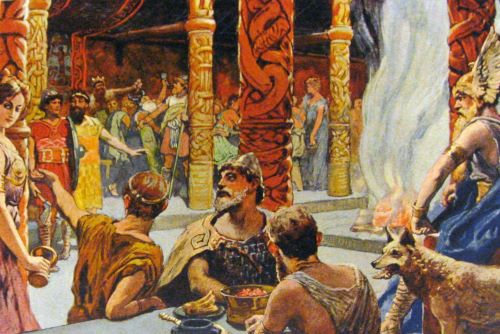
Valhalla is the most famous example of this hierarchy of death, though it is also one of the easiest ideas to oversimplify. In the mythological imagination, Odin receives slain warriors into his hall, where they become einherjar, the chosen dead who fight, feast, and await Ragnarök. This is not simply a paradise for all good people. It is a martial afterlife, tied to selection, violence, aristocratic warrior values, and Odin’s own dangerous patronage. The dead of Valhalla are not rewarded for moral innocence in a Christian sense; they are gathered because they have died in a way useful to Odin and meaningful within a warrior cosmos. The prestige of Valhalla depends on the prestige of violent death. To fall by the sword, spear, or other weapon was not merely to cease living. It could be imagined as entry into a continuing order of combat, fame, and divine association. That association also made Valhalla morally unsettling rather than simply glorious. Odin is not a comforting judge of souls but a god of battle, frenzy, poetry, magic, kingship, deception, and sacrifice. His chosen dead are honored, but they are also claimed for future violence. They feast because they will fight again; they are gathered because Ragnarök will require them. This gives Valhalla a double edge. It dignifies the violent dead while also binding them to an economy of divine use, where glory and consumption are difficult to separate. A warrior’s death may win a place in Odin’s hall, but Odin’s favor is never safe, gentle, or uncomplicated.
Yet Valhalla was not the only honored destination for the battle-dead. Grímnismál states that Freyja chooses half of those slain each day, while Odin receives the other half. This detail complicates the popular modern habit of treating Valhalla as the single Norse heaven for warriors. Fólkvangr, Freyja’s field, suggests that the distribution of the dead was more varied than later simplifications allow. It also reminds us that Old Norse afterlife belief cannot be reduced to one masculine, Odinic model. Freyja’s share of the slain belongs to a divine world in which death, fertility, magic, desire, battle, and sovereignty overlap. For the purposes here, the key point is not that every violent death had one certain destination, but that violent death could be imagined as ritually and cosmologically charged. It made the dead available to divine powers in a way that ordinary decline might not.
Hel, by contrast, is often described as the destination of those who die from sickness, old age, or other non-violent causes. This must be handled carefully. Hel is not simply the Christian hell, despite later confusion caused by language and conversion. It is both a place and, in some traditions, a personified being: the daughter of Loki who rules over a cold and shadowed realm of the dead. In Snorri’s account, those who die of sickness or age go to Hel, while those who fall in battle go to Odin. That distinction has shaped much modern understanding of Norse death, but it should not be treated as a complete doctrine. The sources do not always agree, and the dead in Old Norse literature can also remain in mounds, haunt farms, visit dreams, travel by sea, or exist in forms not easily reconciled with a single afterlife system.
Still, the contrast between weapon-death and bed-death carries tremendous interpretive force. To die “in the straw,” wasting away from illness or age, could be imagined as an inferior end for a warrior, not because the sick or elderly were morally condemned, but because such a death lacked the public signs by which courage was displayed. A body in bed does not answer an insult, meet an enemy, grip a sword, or leave witnesses with the image of defiance. A weapon, by contrast, could turn death into a social statement. It marked the ending as active, violent, and legible within the language of honor. This is why the prestige of the weapon matters so deeply. The sword or spear was not merely an instrument of killing. It was a symbol of rank, agency, masculinity, memory, and public worth. Death by weapon could preserve the appearance of participation even when the outcome was defeat.
This helps explain why voluntary death by weapon could be narrated differently from other forms of self-destruction. A character who falls on a sword, provokes a fatal attack, refuses to flee, or arranges to die armed may be attempting to place his or her death within a recognizable heroic grammar. The act does not need to be interpreted as a formal theological maneuver, a guaranteed path to Valhalla, in order to matter. It matters because it changes the kind of death being told. The difference between wasting away and dying by the blade is a difference in narrative form. One death may seem passive, private, and humiliating; the other can be made public, dramatic, and honorable. The weapon gives the death a shape that others can remember.
Odin’s association with the spear intensifies this symbolic field. In myth and ritual memory, the spear belongs to dedication, battle, kingship, and sacrifice. Odin’s own self-offering in Hávamál combines hanging, wounding, and knowledge-seeking; elsewhere, spears can mark victims as given to Odin. The exact historical range of such practices remains debated, but the literary and religious association is strong enough to matter for interpretation. A violent death was not merely more dramatic than a natural one. Under certain mythic or ritual conditions, it could appear consecrated. This does not mean that Old Norse texts offered a simple rule by which suicide became noble if performed with a weapon. Rather, they imagined a world in which the forms of death (hanging, stabbing, falling, burning, drowning, battle) carried different symbolic weights. The point is not that method mechanically determined meaning, as though a spear or sword could automatically redeem any death. Instead, method helped narrators and communities read the death. A hanging might evoke shame in one context and Odinic sacrifice in another. A fall might be cowardly, accidental, punitive, comic, or heroic depending on the story that surrounded it. A blade might signify courage, self-command, murder, vengeance, or desperation. The weapon or ritual form opened interpretive possibilities; it did not settle them. This is why the same culture could imagine violent death as glorious, terrifying, sacred, excessive, and tragic all at once.
The afterlife geography of Old Norse tradition helps us understand why the chosen death could become meaningful without making it doctrinally simple. Valhalla, Fólkvangr, Hel, the mound, and the haunting dead all show a culture in which death was differentiated, narrated, and ranked. Violent death had prestige because it could be attached to courage, divine selection, public memory, and the warrior’s refusal to vanish into passive decline. But the evidence resists a crude formula. Not every violent death was noble. Not every non-violent death was contemptible. Not every self-chosen death was imagined as honorable or salvific. What mattered was the whole interpretive setting: the person, the motive, the witnesses, the weapon, the story, and the afterlife expectations available to the narrator. In that setting, the weapon became more than steel. It became a way of translating death into honor.
Odin’s Self-Sacrifice: Hanging, Knowledge, and the Sacred Logic of Chosen Suffering
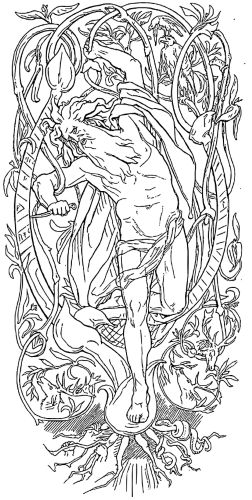
Odin stands at the center of any discussion of chosen suffering in Old Norse myth, not because his self-sacrifice can be reduced to “suicide,” but because it gives northern tradition one of its most powerful images of death deliberately approached, endured, and transformed into power. In Hávamál, Odin speaks in the first person of hanging on a windswept tree for nine nights, wounded by a spear, given to Odin, himself to himself. The passage is strange, compressed, and ritualistic. It does not describe an ordinary death, nor even a completed death in the usual human sense. It describes an ordeal at the border of death, a divine self-offering in which the god becomes both sacrificer and victim. Odin does not suffer because he is defeated. He suffers because knowledge requires a price.
That distinction matters. Odin’s ordeal is not framed as despair, self-erasure, or escape from life, but as a deliberate exchange. He seeks the runes, hidden signs of power, speech, memory, magic, and cosmic order. He receives them only after deprivation, isolation, wounding, suspension, and a descent into extremity. The myth imagines knowledge not as a gentle gift but as something wrested from pain. Odin peers downward, takes up the runes, and falls back from the tree transformed. The episode belongs to a broader sacrificial logic: what is most valuable cannot be obtained without loss. The god who would know must be willing to be broken open by the process of knowing.
The form of Odin’s suffering is as important as its purpose. Hanging, the spear wound, the tree, the nine nights, hunger or deprivation, and the self-dedication all create a dense ritual field. The tree is often understood as Yggdrasil, the world tree that binds together the realms of existence, though the poem itself leaves its language suggestive rather than explanatory. If the tree is cosmic, then Odin’s body is suspended at the axis of worlds, neither fully among the living nor simply among the dead. His hanging becomes a vertical passage through knowledge, death, and rebirth. The spear wound, meanwhile, marks the body with Odinic violence. Odin is not only the god who receives the slain; he is the god who has known wounding, suspension, and sacrifice in his own divine body. The nine nights deepen this liminal quality, suggesting a prolonged state of exposure rather than a single instant of heroic pain. Odin waits, deprived of ordinary support, without bread or horn, until the boundary between endurance and annihilation becomes the place where revelation appears. The myth makes suffering spatial as well as physical: the god is placed between worlds, between life and death, between ignorance and knowledge, between self-possession and self-surrender. He gains power not by escaping vulnerability, but by entering it completely and turning it into a medium of discovery.
This mythic pattern helps explain why hanging could carry a special charge in Old Norse religious imagination. Hanging is not always noble in the sources; it can be punitive, shameful, criminal, or grotesque. Yet because of Odin, it could also evoke sacrifice, dedication, and contact with dangerous sacred power. The ambiguity is essential. Old Norse tradition does not give hanging one fixed meaning. It gives it a spectrum of meanings, from disgrace to consecration. When a person is hanged, or when hanging appears in mythic or legendary contexts, the act may summon Odinic associations without becoming identical to Odin’s own ordeal. The god’s self-hanging does not make all hanging holy, but it prevents hanging from being only a sign of degradation.
The same is true of the spear. In several traditions, the spear marks victims as dedicated to Odin, and the god’s own weapon, Gungnir, belongs to the symbolic world of battle, kingship, victory, and doom. The combination of spear and hanging in Hávamál fuses two powerful modes of death: suspension and wounding, exposure and dedication. For a culture that attached prestige to violent death and divine selection, these forms mattered. They showed that the body could become a site of exchange between human or divine will and unseen powers. A wound was not merely damage. In the right ritual or narrative setting, it could be a sign, a payment, a consecration, or a claim. This is why Odin’s ordeal cannot be separated from the broader religious imagination of battle and sacrifice. The spear does not simply injure; it assigns. It marks the victim as belonging to a divine economy in which death, knowledge, and power circulate together. In literary memory, a spear cast over an enemy army, a warrior slain in battle, or a body marked for Odin participates in a symbolic language where violence can become dedication. That language is dangerous precisely because it dignifies pain without making it safe. The wound may open a path to glory, but it also reveals the severity of the powers being invoked.
Yet Odin’s self-sacrifice should not be treated as a simple model for human suicide. The episode is mythic, divine, and exceptional. Odin does not die because life has become unbearable, nor does the poem invite ordinary people to imitate him literally. He is a god of extremity, transgression, and perilous knowledge, and many of his gifts are morally unstable. Poetry, victory, magic, frenzy, and kingship all come from him, but so do deception, betrayal, and the terrible economy of battle. His self-offering reveals the sacred logic of chosen suffering, but it also warns that sacred power is dangerous. To give oneself to Odin is not to enter a realm of comfort. It is to enter a relationship with a god who demands loss and deals in costly transformations.
Odin’s ordeal is best understood as a mythic grammar rather than a direct social rule. It shows that Old Norse tradition could imagine self-directed suffering as meaningful when it was purposeful, ritually charged, and attached to knowledge, power, or divine exchange. It also helps explain why certain voluntary deaths in saga and legend could be narrated as more than private collapse. A chosen death might resemble sacrifice if it served honor, loyalty, vengeance, wisdom, or reputation; it might resemble Odinic extremity if it turned pain into power or defeat into meaning. But the resemblance is always partial. Odin’s self-hanging sacralizes the possibility that suffering chosen for a purpose can transform the sufferer. It does not erase the difference between divine ordeal and human tragedy.
Death Before Dishonor: Voluntary Death in the Sagas
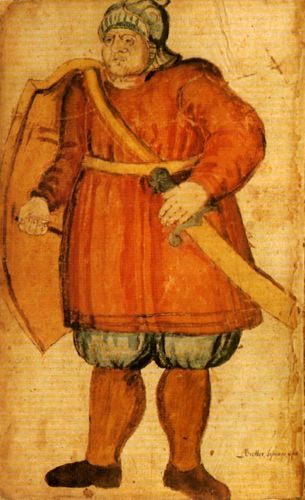
The sagas rarely treat death as a private ending sealed off from public judgment. A person dies before witnesses, enemies, kin, servants, poets, or later narrators, and the meaning of that death depends on how it is interpreted. This is why voluntary death in saga literature often appears less as a solitary psychological act than as a final social maneuver. A character may choose death directly, invite it indirectly, refuse to avoid it, or shape its circumstances so that the ending preserves dignity rather than exposing weakness. The boundary between suicide, heroic self-exposure, fatalism, and refusal to submit is often blurred. Saga characters do not always “kill themselves” in the narrow modern sense. Sometimes they arrange to be killed, provoke death, reject rescue, or walk knowingly into a situation from which survival is impossible. What unites these scenes is the conviction that there are endings worse than death and that one’s final posture before those endings matters.
This logic is visible in episodes where characters confront capture, humiliation, outlawry, or the collapse of social standing. Continued life may no longer appear as simple preservation. It can become a form of exposure, leaving the defeated person subject to insult, mutilation, slavery, legal degradation, or the mockery of enemies. The sagas often imagine people struggling to control not whether death will come, but what death will mean when it does. A man who cannot win may still die with a weapon in hand. A doomed outlaw may still face attackers with composure. A person overwhelmed by hostile forces may still refuse the role of helpless victim. These choices do not erase defeat, but they alter its narrative shape. The defeated body becomes evidence not of cowardice but of resolution.
The sagas also draw heavily on the idea that fate may be known without being avoidable. Dreams, prophecies, omens, and warnings often tell characters that death is approaching, yet this knowledge does not necessarily produce flight. Instead, it gives the character an opportunity to meet death knowingly. This is one of the central differences between saga fatalism and resignation. To accept that one’s death is coming is not to become passive. It is to decide how one will stand within the pattern already closing around the body. In many saga scenes, courage consists not in imagining that death can be escaped, but in refusing to let foreknowledge destroy composure. The person who knows death is near and still acts according to honor becomes legible as heroic, even when the action is tactically hopeless. This fatal knowledge also heightens the reader’s sense that death is being interpreted before it occurs. The character’s choices become visible against a dark background of inevitability: whether to arm or hide, speak or remain silent, seek settlement or reject it, stay home or ride out, sleep or keep watch, meet the enemy directly or try to postpone the encounter. The sagas often make such decisions feel morally charged because they reveal character under pressure. Fate may establish the boundary, but conduct within that boundary remains open. That is why a death foretold can still be a death chosen in the ethical and narrative sense, even when it is not self-inflicted. The doomed person cannot always change the ending, but can still shape the manner in which the ending enters memory.
Grettir Ásmundarson offers one of the clearest examples of this tragic grammar, though his case is not simple suicide. In Grettis saga, he is an outlaw whose strength, violence, bad luck, and supernatural encounters gradually push him to the edge of human society. His final struggle on Drangey is shaped by illness, isolation, sorcery, betrayal, and exhaustion, but the narrative does not allow him to disappear into mere helplessness. Even when weakened, Grettir remains formidable; even when doomed, he remains difficult to reduce. His death is not chosen in the sense of a deliberate self-killing, yet his saga belongs to the same field of meaning because it turns the final scene into a test of reputation. What matters is not only that Grettir dies, but that his death must be made worthy of the immense and troubling life that preceded it. The outlaw cannot return to normal society, but he can still resist being remembered as small.
Other saga figures turn the anticipation of death into a deliberate performance of composure. In the family sagas, the great death scenes are often carefully staged through speech, silence, clothing, weapons, posture, and timing. The doomed person may refuse to hide, decline to beg, or speak words that frame the event before enemies can do so. A final utterance can be as important as a final blow, because speech gives the dying person one last chance to interpret the event. The sagas repeatedly value this kind of verbal control. A person who dies well often understands the scene faster than others do, naming cowardice, exposing betrayal, predicting vengeance, or transforming defeat into memory. Even where the death is not self-inflicted, the dying person’s consent to its meaning can make it feel chosen. The body may be overcome, but the story is not surrendered.
Voluntary death also appears in saga literature through women’s attempts to preserve agency under conditions of constraint. Women in the sagas often have fewer formal means of violence available to them, but they are not passive figures. They incite vengeance, condemn weakness, arrange memory, shame men into action, and sometimes use their own bodies or deaths as the final available form of refusal. Self-chosen death may reveal both power and powerlessness. It can be a declaration that the character will not be absorbed into an intolerable settlement, marriage, dishonor, or aftermath of violence. Yet it also exposes the brutality of a world in which death may appear as the only remaining language strong enough to be heard. The saga tradition does not necessarily ask the reader to celebrate these deaths without qualification. It asks the reader to understand the social pressures that make them meaningful.
For this reason, “death before dishonor” in the sagas should be understood as a narrative logic rather than a rigid rule. The sagas do not praise every reckless death, nor do they condemn every strategic compromise. They are far too alert to consequence for that. A chosen death may preserve honor while destroying a household; a refusal to yield may look magnificent and still deepen a feud; a final gesture of agency may be inseparable from despair. What makes voluntary death powerful in saga literature is precisely this tension. The sagas imagine a world where the manner of dying can rescue meaning from defeat, but they also show that such rescue is partial, costly, and unstable. To die rather than live dishonored is not always wisdom. It is a choice made within a society where reputation, kinship, and memory can make death seem less terrible than the life that would follow humiliation. That does not mean the sagas treat such choices as morally simple. Their narrative intelligence lies in letting honor and damage occupy the same scene. A death can be admirable in its courage and still terrible in its aftermath; it can be socially intelligible without being ethically clean. The dead may gain the final word, but the living inherit the consequences: vengeance obligations, grief, lawsuits, exile, and stories that harden into family memory. Saga voluntary death is never merely individual. It is a social event whose meaning continues to unfold long after the body has fallen. The chosen death may close one life, but it often opens a new chapter of obligation for everyone left behind.
Women, Agency, Vengeance, and the Gendered Politics of Self-Chosen Death
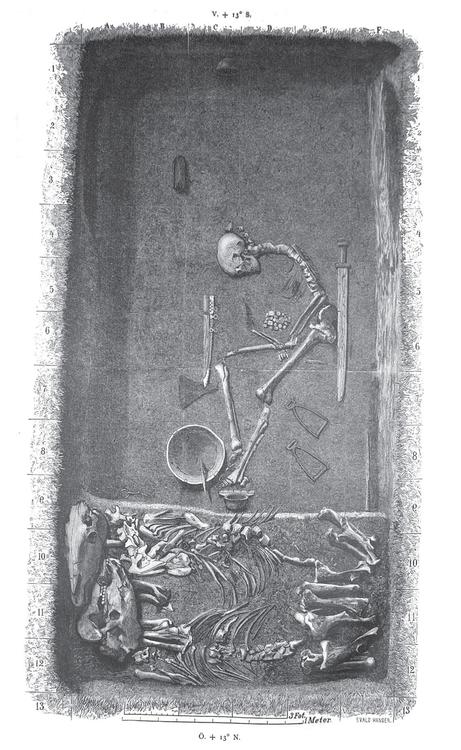
Voluntary death in Old Norse literature cannot be understood only through the warrior ideal of armed men choosing death before humiliation. The sagas and heroic poems also imagine women acting within the same honor culture, though under different constraints and with different forms of power available to them. Women in these texts do not always hold weapons, stand in shield walls, or participate directly in feud violence, but they often shape the emotional and moral conditions under which violence occurs. They remember wrongs, name cowardice, preserve family honor, demand vengeance, refuse dishonorable settlements, and judge the conduct of men around them. Their agency is frequently indirect, but it is rarely insignificant. When women choose death, threaten death, or use their bodies as instruments of protest, the act belongs to a gendered world in which formal power may be limited but symbolic power can be immense.
The figure of the inciting woman is central to this world. In many saga scenes, women do not avenge directly, but they compel men to avenge by manipulating shame. They display bloody clothing, recite insults, refuse intimacy, mourn in public, or remind male kin that their honor has been diminished by inaction. These gestures are not passive lamentation. They are forms of social pressure. A woman may be legally or militarily constrained, but she can still define the moral meaning of an injury and force others to respond. This matters for the subject of self-chosen death because it shows how Old Norse texts connect gender, agency, and the body. A woman’s body can become a site of accusation: through grief, refusal, sexual withdrawal, self-harm, or death, she can make private suffering publicly legible. The inciting woman is not simply a stock character of domestic bitterness, even when the sagas present her sharply or with unease. She is often the keeper of a moral account that others would prefer to close. Men may seek settlement, delay, or tactical silence, but women frequently insist that an injury still speaks. Their force lies in making forgetfulness impossible. They transform objects, gestures, and words into pressure: a cloak becomes evidence, a lament becomes accusation, a marriage bed becomes a site of judgment, and grief becomes political action. The gendered body in Old Norse literature is not merely vulnerable. It can become a medium through which shame is circulated and obligation revived.
Heroic poetry presents this with particular intensity. The women of the Völsung and Nibelung traditions inhabit a world where marriage, kinship, oath, and revenge become nearly unbearable. Guðrún, Brynhildr, and related figures across the heroic cycle are not simply victims of male violence; they are interpreters and accelerators of catastrophe. Brynhildr’s death after Sigurðr’s killing is important, because it has often been read as an act of despair, pride, loyalty, vengeance, and self-definition all at once. She does not merely die because she has lost the man she desired. Her death judges the entire broken structure of oaths, deception, marriage politics, and masculine violence that has trapped her. In the heroic imagination, her self-chosen death is both personal and public. It announces that the world created by betrayal is no longer habitable, and it forces others to understand the cost of what has been done.
Such scenes show why “agency” must be used carefully. To say that women possess agency in Old Norse literature is not to say they possess freedom in the modern liberal sense. Their choices are often made inside harsh limits: arranged marriages, kinship obligations, sexual vulnerability, household politics, honor demands, and the expectation that male relatives will act as instruments of vengeance. A self-chosen death may be powerful precisely because other choices have been narrowed or foreclosed. It can be a refusal, but also evidence of social failure. It can be an assertion of will, but also a sign that the surrounding order has left the woman no honorable life to inhabit. This double meaning gives female voluntary death its tragic force. The act may preserve dignity, but only because dignity has become difficult or impossible to preserve by ordinary means. Self-chosen death can reveal the cruel paradox of gendered agency: the woman acts most dramatically at the moment when ordinary avenues of action have collapsed. Her death may be remembered as proud, terrible, loyal, or accusing, but it also exposes how little room remained for a less destructive assertion of self. That is why these scenes should not be flattened into either empowerment or victimhood. They are often both at once. The woman claims interpretive control over her ending, but the need to do so reveals a social world that has failed to offer justice, safety, or honorable continuity.
The sagas often make this gendered pressure visible through scenes of speech. Women who cannot fight may still speak with devastating effect, and their words can reshape the future more effectively than weapons. Hildigunnr in Njáls saga, for example, famously displays the bloodied cloak of her dead husband Höskuldr to Flosi, transforming textile, blood, and grief into a demand for vengeance. This is not suicide, but it belongs to the same moral universe: a woman uses the signs of death to compel action and preserve honor. Her body does not need to fall for her grief to become politically explosive. The scene helps explain why, when women do choose death in related narrative traditions, the act is rarely mute. It is a speech act made flesh. It says that an injury has exceeded the tolerable limits of settlement, compensation, or silence.
Self-chosen death also intersects with sexuality and marriage. In Old Norse literature, women’s honor is often bound to marriage alliances, sexual reputation, kinship loyalty, and the control of their bodies by family structures. When these structures fail, coercion or dishonor may make continued life appear compromised. A woman who refuses an unwanted union, rejects the aftermath of betrayal, or dies rather than be absorbed into a settlement can be read as asserting ownership over the one thing still available to her: the meaning of her own body. But the texts do not always let that assertion remain cleanly heroic. They may admire resolve while also registering damage, excess, or doom. A woman’s chosen death can expose the violence hidden inside marriage politics and kinship arrangements, revealing that what appears as social order from one angle can feel like entrapment from another.
The heroic and saga traditions also complicate any easy division between masculine violence and feminine grief. Women in these texts frequently understand honor as fiercely as men do, and sometimes more relentlessly. They may preserve memory when men seek compromise, keep vengeance alive when men prefer peace, or insist that the dead demand more than compensation. This does not make them merely bloodthirsty figures, though some narratives portray them with unease. Rather, it reflects the social fact that women, too, had stakes in reputation, kin survival, inheritance, and household standing. Their honor was not separate from feud; it was woven into it. If men risked shame by failing to act, women risked erasure by being told to accept arrangements that denied the meaning of their injuries. In that context, death could become the extreme edge of refusal: a way to prevent others from narrating endurance as consent. This is important because saga society often depends on negotiated settlements, compensation, and the restoration of outward order. Such settlements could stabilize communities, but they could also ask the injured to swallow meanings that had not been resolved. Women’s resistance in these texts often appears where legal or political closure threatens to outrun emotional truth. A woman’s grief may insist that a slain husband, brother, son, or lover cannot be converted too quickly into silver, marriage arrangement, or public compromise. When that insistence turns toward death, the act becomes a refusal of false closure. It declares that some injuries cannot be domesticated by settlement without leaving honor itself wounded.
The gendered politics of self-chosen death deepen my central argument. Voluntary death in Old Norse literature is not only a warrior’s escape from dishonor. It can also be a woman’s protest against betrayal, coercion, failed kinship, or intolerable settlement. It can dramatize the difference between formal power and moral force. Men may control weapons, lawsuits, and public assemblies, but women often control memory, shame, lament, and the emotional legitimacy of vengeance. When a woman chooses death, the act can become both indictment and legacy. It reveals how a culture that prized honor could leave some people with death as the final available means of self-definition. That does not make such deaths simple victories. It makes them tragic acts of interpretation, in which the body becomes the last argument a constrained person can make.
Poverty, Dependency, and the Fear of Becoming a Burden
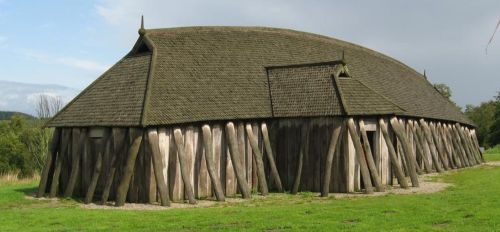
The fear of becoming a burden belongs to the harsher underside of Old Norse honor culture. The sagas and legendary narratives repeatedly imagine human worth through relationships of reciprocity: the ability to give, receive, defend, advise, host, avenge, work, remember, and sustain a household. A person’s place in the social world depended not only on birth or reputation, but also on the capacity to participate in networks of exchange and obligation. Poverty, disability, old age, illness, exile, or household dependence could become more than material conditions. They could threaten identity itself. To be unable to contribute was not necessarily to lose all honor, but it could expose a person to shame, vulnerability, and the terrifying possibility of being spoken of as useless.
This anxiety appears most clearly when Old Norse texts contrast independence with dependency. The free household stands near the center of saga society: land, kin, cattle, labor, law, weapons, and reputation bind together in a fragile but meaningful order. To fall outside that order is dangerous. The poor wanderer, outlaw, beggar, dependent relative, aging parent, or socially marginal guest may become a problem that others must manage rather than a person able to command full recognition. Hospitality was a moral obligation, but it also revealed strain. Feeding another mouth mattered in a world where resources could be limited and where generosity itself was a public measure of honor. A household that could not host well risked shame; a guest who overstayed, consumed, or contributed nothing risked contempt. In that moral economy, dependence could become humiliating not because compassion was absent, but because every exchange carried social meaning.
Old age sharpened this problem. The sagas can honor elders as memory-keepers, counselors, matriarchs, patriarchs, and guardians of family identity, but they also know that bodily decline threatens the heroic ideal of active self-command. For a warrior culture that prized movement, speech, retaliation, and the capacity to endure danger, the weakening of the body could become narratively troubling. The elderly person who can still advise, curse, remember, or direct kin retains force; the person reduced to helpless consumption becomes harder for heroic narrative to dignify. This does not mean that Viking Age communities practiced systematic abandonment of the old. The evidence does not support such a claim. It means that Old Norse literature, like many premodern traditions, was intensely aware of the social and emotional difficulty of decline. The body that can no longer fight, farm, travel, bear children, manage property, or shape events forces the culture to confront limits it would often rather transform into story. Aging could be granted dignity when it remained attached to authority, wisdom, memory, or control over household decisions, but it became more threatening when it stripped those functions away. A saga elder who speaks with sharp judgment may still command the room; one who cannot speak, move, give counsel, or defend property risks becoming narratively invisible or burdensome. The fear is not age itself, but the loss of recognized usefulness. In a society where identity was woven through kinship, labor, property, and reputation, decline raised an agonizing question: what remained of honor when the body could no longer perform the acts through which honor was normally displayed?
Poverty carries a similar moral pressure. In saga literature, wealth is not simply luxury; it is the material basis of agency. Land allows a household to endure. Livestock feed dependents and fund compensation. Silver settles disputes, marks generosity, pays followers, and preserves status. Clothing, weapons, ships, feasts, and gifts all communicate rank. To lose wealth is to lose more than comfort. It can mean losing the ability to host, compensate, marry well, support allies, or answer insults. A poor person may still possess courage, wisdom, beauty, kinship claims, or luck, but poverty narrows the field of action. The shame is not merely hunger. It is the social exposure that comes when one can no longer meet the expectations attached to one’s name. In that setting, voluntary death may be imagined as escape not from poverty in the abstract, but from the slow public erosion of self that poverty threatens to produce.
The legendary material surrounding miserly households and extreme responses to scarcity makes this fear visible in grotesque form. Stories such as those associated with Gautreks saga do not provide reliable evidence for a real Scandinavian custom of killing the elderly or forcing dependents to die, but they do dramatize a nightmare of reciprocity gone mad. The family that calculates hospitality as unbearable loss, or treats death as preferable to the expense of feeding others, belongs to satire and dark comedy. Yet satire works because it exaggerates recognizable anxieties. It takes the moral economy of household survival (food, guests, scarcity, obligation, shame) and pushes it into absurd cruelty. The later ättestupa legend would grow partly from this kind of material, transforming literary grotesque into supposed ancient custom. That transformation is historically misleading, but the story’s endurance shows how powerfully the fear of burdensome dependence could attach itself to the imagined Viking past.
The theme of dependency complicates any simple claim that voluntary death in Old Norse tradition was only about battlefield honor. The desire to die well could also arise from fear of social diminishment: becoming poor, helpless, hungry, mocked, dependent, or reduced to a body others must carry. Such fears do not prove that self-killing was ordinary or approved. They reveal a narrative world in which agency was measured against the threat of uselessness. To choose death before becoming a burden could be imagined as preserving control, but it could also reveal the cruelty of a society that tied dignity so closely to contribution. The sagas and legends do not give us a doctrine of honorable death for the poor, the old, or the infirm. They give us something more unsettling: an imaginative record of how terrifying it could be to live in a culture where honor depended on the ability to remain socially necessary.
The Ättestupa Myth: Ritual Senicide, Satire, and Antiquarian Invention
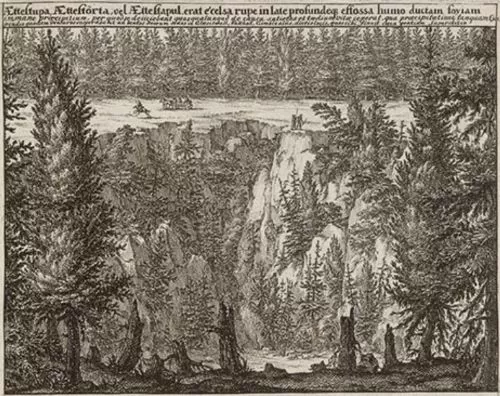
Few ideas about the Viking world have proved as durable, or as misleading, as the ättestupa. In popular imagination, the term refers to a cliff from which elderly or infirm people supposedly leapt, or were pushed, when they could no longer contribute to the household. The image is severe, cinematic, and brutally economical: a society so committed to strength and self-sufficiency that the old removed themselves before becoming burdens. It fits modern fantasies of the Vikings as hard, pagan, unsentimental people living under the rule of necessity. Yet this is precisely why the idea requires caution. The ättestupa is powerful as myth, but weak as history. It tells us much about later imagination, antiquarian invention, and the modern appetite for harsh Viking customs; it tells us far less about actual Viking Age practice.
The usual literary source behind the idea is not a sober ethnographic report but a comic and grotesque episode in Gautreks saga. The saga includes the story of a miserly family whose members repeatedly choose death rather than endure what they consider intolerable losses of property, food, or household resources. The family lives by an absurdly exaggerated logic of scarcity. Hospitality becomes disaster, generosity becomes ruin, and death becomes a ridiculous solution to ordinary social obligation. The episode is darkly funny because it pushes household economy into moral madness. These are not noble elders serenely sacrificing themselves for the good of kin; they are comic figures trapped in a grotesque parody of thrift, honor, and self-interest. To treat this as direct evidence for ritual senicide is to misread satire as anthropology. The detail that helped later readers transform satire into custom was the family’s imagined passage to Odin after death. In the logic of the story, death is not merely an end but a way of escaping the costs and humiliations of life. Yet the saga’s tone matters. The narrative does not present a dignified communal rite in which the elderly voluntarily preserve household balance. It presents a bizarre household whose values are so warped that self-destruction appears reasonable to them. The comedy depends on excess. A real fear (that poverty, dependence, and hospitality could strain a household) is exaggerated until it becomes monstrous. That exaggeration is precisely what gives the story literary force. It is a satire of social calculation, not a neutral description of Scandinavian elder care.
The later history of the ättestupa shows how easily literary grotesque can become historical “fact” when filtered through antiquarian desire. Early modern and later scholars, translators, local historians, and folklore collectors helped attach the idea to physical landscapes, especially cliffs in Sweden that came to be identified as supposed senicide sites. Once a place had been named or interpreted as an ättestupa, the landscape itself appeared to confirm the legend. A cliff became evidence because it had a story; the story gained authority because it had a cliff. This circular process is common in antiquarian mythmaking. Local names, literary memories, nationalist curiosity, and romantic fascination with the pagan past combined to create a tradition that felt ancient even when its evidentiary foundation was fragile.
The myth endured because it seemed to express something people already believed about the old North. For later audiences, particularly those shaped by romantic nationalism or modern popular medievalism, the ättestupa offered a compact symbol of pagan severity. It made Scandinavian antiquity appear starkly different from Christian modernity: more honest, more brutal, more natural, less sentimental. Some versions framed it as cruelty; others as stoic dignity. In both cases, the story did cultural work. It allowed people to imagine a world in which dependency was solved through heroic self-removal, and in which old age faced a final test of usefulness. That fantasy could be horrifying or admirable depending on the teller, but either way it projected later anxieties onto the Viking past. This does not mean the ättestupa myth is irrelevant to a discussion of voluntary death. On the contrary, its falsehood is part of its importance. The legend crystallizes several themes that genuinely do appear in Old Norse literature: the fear of dependency, the moral weight of household economy, the shame of uselessness, the desire for a meaningful death, and the prestige attached to joining Odin rather than sinking into passive decline. But it crystallizes them in a distorted form. The myth turns narrative anxiety into supposed institution. It converts satire into custom, cultural fear into ritual practice, and literary extremity into historical memory. For that reason, it serves as a warning against reading the Old Norse sources too literally. Not every vivid death scene describes a social norm. Not every grotesque tale preserves an ancient rite.
The ättestupa should be treated not as evidence that Viking communities systematically disposed of the elderly, but as evidence for the afterlife of Viking imagination. It shows how later cultures have repeatedly used the Norse past as a screen for thinking about age, usefulness, scarcity, paganism, and death. It also clarifies the larger argument here. Old Norse texts could imagine chosen death as honorable, strategic, sacrificial, or socially meaningful, but that does not license every later legend built from those motifs. The difference between voluntary death as a literary problem and ritual senicide as historical practice is crucial. The ättestupa myth survives because it feels like something the Vikings might have done. Serious interpretation begins by recognizing that this feeling is not evidence. It is the very thing that must be explained.
Noble Sacrifice, Not Mere Escape: Loyalty, Revenge, and Purposeful Death
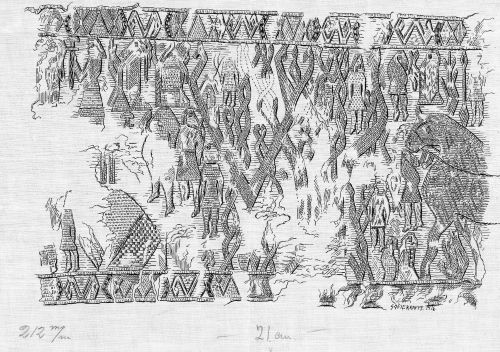
To describe voluntary death in Old Norse literature only as escape would make the evidence too small. Escape is certainly one part of the pattern: escape from humiliation, dependency, capture, bodily decline, poverty, or a future in which honor can no longer be maintained. But many chosen or self-endangering deaths in Norse narrative are not merely flights from suffering. They are purposeful acts directed toward something: loyalty to kin, fidelity to a lord, revenge for the dead, preservation of reputation, fulfillment of oath, or participation in a larger sacred economy of sacrifice. The distinction matters because it changes the moral weight of the act. A death chosen only to avoid pain might be pitied or condemned; a death chosen to complete an obligation could be remembered as noble, even when it was tragic. In the sagas and heroic poems, dying meaningfully often means dying in relation to others.
Loyalty is one of the clearest contexts in which death becomes more than private loss. Old Norse literature repeatedly values bonds that outlast convenience: kinship, sworn friendship, lordship, fosterage, marriage alliance, and household duty. A person who dies rather than betray such bonds may transform death into proof of fidelity. This is visible in heroic poetry, where oath and loyalty often matter more than survival. Warriors enter doomed conflicts because to abandon one’s lord, kin, or sworn obligation would damage the self more deeply than death. The battlefield becomes a moral stage. The loyal dead are not simply defeated bodies; they are witnesses to the continuing force of obligation. Their deaths say that some bonds are worth more than life, and that the value of a person may be measured by what they refuse to abandon when abandonment would be safest. Loyalty also gives death an audience beyond the immediate battlefield. A retainer who remains with a doomed leader, a kinsman who refuses to leave another unavenged, or a spouse who treats betrayal as unlivable all act within a social world where fidelity is judged after the fact by survivors and storytellers. The death becomes a pledge completed in the only remaining form. It says that the bond was not merely practical, not merely convenient, not merely dependent on success. It was strong enough to survive the collapse of ordinary advantage. This is why such deaths can appear noble even when they are strategically disastrous. They make visible the hidden hierarchy of values beneath the action: honor above safety, obligation above calculation, remembered fidelity above biological continuance.
Revenge gives purposeful death another form. In feud culture, the dead do not disappear from social life. They remain as claims upon the living, demanding memory, compensation, retaliation, or public acknowledgment. To avenge a kinsman may require accepting mortal danger, and saga characters often know this. A revenge killing can be simultaneously practically irrational and socially intelligible. It may expose the avenger to outlawry, counter-vengeance, legal consequences, or death, but it can also restore a damaged name. In this setting, a person who knowingly goes toward death to avenge another is not merely throwing life away. He or she is answering the unfinished speech of the dead. The act is purposeful because it transforms grief into action and refuses to let injury settle into silence.
This logic helps explain the blurred boundary between suicide and self-sacrifice in Old Norse narrative. A character may not physically kill himself or herself yet may choose a course of action whose fatal outcome is obvious. The doomed avenger, the outnumbered warrior, the outlaw who refuses surrender, the woman whose death condemns betrayal, and the retainer who remains with a fallen lord all belong to this wider field of chosen death. Modern categories can separate suicide, martyrdom, recklessness, and heroic combat, but saga narrative often lets these forms overlap. What matters is the direction of the will. Does the character die because there is no possible future, or because one future is morally intolerable? Does death merely end suffering, or does it complete an obligation? The sagas often make that question difficult, which is precisely why their death scenes carry such force. A fatal choice may look like self-destruction from outside the honor system and like moral necessity from within it. The same person can be understood as doomed, courageous, stubborn, loyal, reckless, and sacrificial at once. Saga narrative rarely pauses to sort these meanings into clean categories. Instead, it allows the social situation to do the work of interpretation. Who has been wronged? Who has failed to act? What shame would follow survival? What memory would follow death? These questions matter more than the technical distinction between dying by one’s own hand and knowingly stepping into death. The ethical center lies not in method alone, but in whether the death answers a demand that the culture recognizes as binding.
Sacrifice adds another layer to purposeful death, importantly where the shadow of Odin falls across the material. Odin’s own self-offering in Hávamál does not provide a simple model for human action, but it establishes a mythic pattern in which suffering deliberately accepted can produce knowledge, power, or transformation. In human narrative, chosen death may echo that pattern when it is directed toward something beyond the preservation of the individual body. The person who dies for kin, honor, vengeance, oath, or reputation gives the self to a value that outlives the self. Such sacrifice need not be formally religious to be sacred in a broader cultural sense. It enters the realm of what a society treats as worth dying for. This is why the weapon, the final speech, the witness, and the memory of the act matter so much. Sacrifice requires interpretation. A death becomes noble only when the living can understand what was offered and why.
Yet noble sacrifice in Old Norse literature remains unstable. The same act can be glorious from one angle and ruinous from another. Loyalty may become fanaticism. Revenge may restore honor while multiplying grief. A death chosen for reputation may save a name but destroy a household. A woman’s fatal refusal may expose injustice while leaving no path toward repair. The sagas are attentive to this double vision. They can admire the courage of purposeful death while also showing the wreckage that follows. This is why the strongest interpretation is not that the Norse simply celebrated self-destruction. Rather, their stories explored the terrible dignity of deaths that were made to mean something. A chosen death was most likely to be honored when it was not mere escape, but an act of loyalty, revenge, sacrifice, or final interpretation, a way of saying that life had value because some things were worth more than life itself.
Christianization and the Reinterpretation of Voluntary Death

The conversion of Scandinavia did not simply replace one death-world with another overnight. Christianity entered Norse societies through kingship, trade, mission, law, marriage, diplomacy, slavery, warfare, and local negotiation, and its meanings developed unevenly across regions and generations. Iceland’s formal conversion around the year 1000, Norway’s royal Christianization across the late tenth and eleventh centuries, and the slower consolidation of Christian institutions across Scandinavia all transformed the moral language available for interpreting death. A culture that had long valued weapon-death, reputation, vengeance, and heroic defiance encountered a religious system that judged death through sin, salvation, penitence, burial in consecrated ground, and the fate of the soul before God. Voluntary death did not disappear from narrative memory, but it became harder to interpret without tension.
Christian teaching generally condemned suicide as a grave sin because life belonged to God and could not rightly be seized from divine authority. This differed sharply from older heroic patterns in which the manner of death might be evaluated primarily through honor, loyalty, courage, or shame. In Christian moral thought, intention mattered, but so did obedience to divine law. A person who killed himself to avoid suffering, shame, or worldly misfortune could be understood not as courageous but as despairing, and despair itself became spiritually dangerous. The old question, “Did the death preserve honor?”, did not vanish, but it was joined by a new question: “Was the death sinful?” This shift changed the interpretive field. A death that might once have been narrated as self-command could now be read as rebellion against God, refusal of providence, or failure of spiritual endurance. Christian condemnation also changed the emotional vocabulary of voluntary death. Where older heroic traditions might emphasize loss of reputation, unbearable insult, or the need to control one’s ending, Christian writers could frame the same act through despair, temptation, penitence, and the condition of the soul at the moment of death. That did not make older honor language disappear, but it did place it under pressure. A death chosen to avoid public shame might now create a deeper spiritual shame; a refusal to endure suffering might be seen not as dignity but as failure to submit to God’s will. The result was a new moral tension between the social body and the immortal soul. What protected one’s name among humans might endanger one’s standing before God.
Yet the surviving Old Norse texts rarely show a clean replacement of pagan values by Christian ones. Instead, they preserve layered moral worlds. A saga written by a Christian author might admire a pagan character’s courage while also allowing the reader to sense the limits of that courage. A heroic death could remain emotionally powerful even when Christian doctrine complicated its moral standing. Likewise, older ideals of fame, vengeance, and kin obligation continued to shape narrative long after formal conversion. The result is not simple contradiction, but cultural sediment. Pagan heroic memory, Christian theology, local legal practice, and literary artistry all lie on top of one another. Voluntary death becomes unstable: it can still appear noble in the grammar of honor, but troubling in the grammar of sin.
This layered interpretation is visible in the way medieval Norse literature often treats the pagan past as both admirable and doomed. Pre-Christian characters may possess courage, generosity, eloquence, and fierce loyalty, but they live without the full Christian knowledge that later narrators and audiences possess. Their deaths can be granted tragic dignity without becoming models for Christian imitation. A pagan warrior who seeks death rather than dishonor may be moving within the only moral universe available to him; a Christian reader may understand that universe as incomplete. This creates a double perspective. The saga can let the old heroic code speak in its own terms while also placing it inside a providential history that ultimately leads toward conversion. Voluntary death becomes one of the places where that double vision sharpens: the act can be magnificent as story and dangerous as theology.
Christianization also changed death through institutions, not only ideas. Burial practice, churchyards, memorial customs, confession, penance, and ecclesiastical law all altered how bodies and souls were handled. Death was increasingly drawn into the authority of priests, churches, and Christian ritual. The place of burial mattered. The condition of the soul mattered. The possibility of dying reconciled to God mattered. A violent self-chosen death could no longer be judged only by witnesses, kin, or poets. It was also subject to the moral jurisdiction of the Church. This does not mean older values vanished from everyday behavior. Feud, vengeance, reputation, and family honor remained powerful in medieval Iceland and Scandinavia. But Christianization added a competing interpretive system that could condemn the very act through which older heroic narrative might preserve dignity.
The reinterpretation of voluntary death after Christianization helps explain why Old Norse literature can feel morally complex rather than doctrinally tidy. These texts remember a world in which dying by weapon, dying for honor, or choosing death before humiliation could make cultural sense. They also come from a world increasingly shaped by Christian anxieties about self-killing, despair, sin, and salvation. The result is not a single Viking attitude toward suicide, but an archive of transition. Chosen death could still be narrated with power, beauty, and tragic force, but it could no longer be entirely innocent of theological suspicion. Christianization did not erase the old prestige of the honorable death. It reinterpreted it, surrounded it with new moral pressures, and made its meanings more difficult to hold in one hand.
Modern Misreadings: Vikings, Masculinity, and the Romance of Violent Death

Modern culture has often turned the Viking dead into symbols before it has understood them as literary figures, religious images, or historically situated people. The Viking warrior, in popular imagination, does not merely die; he embraces death with a grin, laughs at pain, despises weakness, and treats violent self-destruction as the natural proof of masculine authenticity. This image is powerful because it is simple. It takes scattered elements from Old Norse myth and saga (Valhalla, weapons, berserkers, vengeance, fatal courage, Odin’s chosen slain) and fuses them into a modern fantasy of fearless pagan brutality. But simplicity is also the problem. The Old Norse sources do value courage, violent reputation, and the refusal of humiliation, yet they do not reduce death to masculine spectacle. Their world is stranger, more unstable, more literary, and more morally ambivalent than the modern romance of Viking death allows. The modern image tends to remove death from its social consequences, as though the heroic body falls in isolation rather than inside a web of kinship, memory, grief, feud, law, and divine uncertainty. It also turns a narrative problem into a lifestyle emblem. What the sagas present as difficult, costly, and often tragic becomes, in modern shorthand, a sign of toughness. That transformation matters because it changes the ethical texture of the material. The Viking dead become mascots for an attitude rather than figures through whom medieval writers explored the dangerous relationship between honor and destruction.
One reason the misreading persists is that Valhalla has become detached from its mythic context. In popular use, Valhalla often functions as a heroic afterlife where brave fighters are rewarded for dying violently. But the older material is more unsettling. Odin’s hall is not a universal heaven and not a simple reward for moral courage. It is a gathering place for the slain, bound to Odin’s needs, to renewed combat, and to the catastrophe of Ragnarök. The einherjar do not enter eternal rest; they enter a divine war economy. Modern retellings often sand down that danger, turning Odin into a patron of bravery and Valhalla into a warrior’s paradise. What disappears is the unease surrounding Odin himself: his deception, hunger for knowledge, association with frenzy, and willingness to claim the dead for purposes beyond their own comfort. Violent death becomes romantic only when the darker theological machinery around it is ignored.
Modern masculinity has also found in the Viking a convenient costume. The imagined Viking body (armed, bearded, fearless, physically dominant, emotionally hard) has been used to represent a supposedly older and purer manhood. In this fantasy, the good death becomes proof that a man is not softened by civilization, Christianity, sentimentality, or domestic dependence. Chosen death, in turn, can be misread as the ultimate assertion of control: the warrior decides when life is no longer worthy and exits before weakness can touch him. Yet this interpretation often says more about modern anxieties than medieval Scandinavia. The sagas are not manuals for uncomplicated masculine supremacy. They repeatedly show men trapped by pride, driven by insult, destroyed by feud, manipulated by social pressure, and mourned by those who survive them. They admire courage, but they also expose how easily courage becomes compulsion. Saga masculinity is often brittle precisely because it must be performed before others. A man may be forced to answer insults not because he feels inwardly fearless, but because public failure would damage his standing, his household, and his kin. This is a very different picture from the modern fantasy of effortless masculine freedom. The saga man is not always liberated by violence; he is often bound by it. His choices are shaped by expectation, reputation, legal vulnerability, and the threat that others will interpret restraint as cowardice. To turn such figures into symbols of uncomplicated strength is to miss the pressure, fear, and social coercion that give their actions meaning.
The romance of violent death also flattens women out of the picture. Popular Viking imagery tends to privilege the battlefield, the shield wall, the longship, and the male warrior’s entry into Valhalla. But Old Norse literature places women near the center of death’s interpretation. Women remember, incite, mourn, shame, curse, preserve grievance, and sometimes choose death as protest or judgment. Their relationship to voluntary death is not a decorative subplot; it reveals that honor culture was not simply a masculine code acted out with weapons. It was a social construct that shaped households, marriages, kinship obligations, sexual politics, and memory. When modern retellings focus only on men joyfully dying with swords in hand, they miss the broader field in which death acquired meaning. They also miss the tragic truth that women’s self-chosen deaths often expose constraint rather than freedom. Such deaths may be powerful, but they are rarely simple celebrations of heroic will. The women of saga and heroic tradition often reveal the costs that masculine death-glory tries to hide: the household left in ruin, the marriage turned into a political trap, the grief that becomes vengeance, the settlement that silences injury, and the body that becomes the last available form of accusation. Their presence complicates the very idea of a “good death.” A man’s honorable end may leave a woman with the burden of memory, or a woman’s fatal refusal may expose the dishonor beneath a public settlement. To center only the male warrior is to mistake one part of the honor system for the whole.
The myth of the ättestupa shows another form of modern misreading: the desire to imagine the Vikings as brutally practical. The idea that the elderly leapt from cliffs to avoid burdening their families has endured not because the evidence is strong, but because the story feels plausible to audiences already committed to a vision of the old North as harsh, pagan, and unsentimental. It gives modern people a sharp image of a society without softness, welfare, or Christian pity. But this is precisely the trap. The ättestupa legend transforms literary satire and later antiquarian invention into supposed social fact. It takes real themes (fear of dependency, household scarcity, the shame of uselessness, the wish to die before decline) and hardens them into a ritual that serious evidence does not support. The myth survives because it satisfies a modern appetite for severe ancestors, not because it accurately describes Viking Age elder care.
The nineteenth century played a major role in shaping these fantasies. Romantic nationalism, antiquarian scholarship, Victorian medievalism, and later racialized appropriations of the “North” all helped turn the Viking into an emblem of origin, vigor, conquest, and martial authenticity. Horned helmets, heroic death, pagan freedom, and northern blood became part of a modern symbolic package, often only loosely connected to the medieval sources themselves. In more recent culture, film, television, video games, reenactment, nationalist imagery, heavy metal, fantasy literature, and internet masculinity have continued to remake the Viking dead for new audiences. Sometimes this produces serious creative engagement; often it produces a simplified icon. The Viking becomes a man who never fears death, the Norse afterlife becomes a reward structure for violence, and voluntary death becomes a sign of strength rather than a complex narrative problem.
A better reading does not require stripping Old Norse literature of violence or denying the prestige of the weapon. The sagas and poems are deeply invested in honor, vengeance, courage, violent memory, and the possibility that death may be preferable to disgrace. But they are not merely propaganda for self-destruction. They are also stories of grief, manipulation, bad luck, social pressure, failed settlements, haunted households, dangerous gods, and the ruin that honor can leave behind. Modern misreadings usually begin by taking one real element, the admiration of brave death, and isolating it from the web of meanings that made it morally unstable. The result is a romance of violent death that feels Viking but is often modern at its core. Old Norse tradition is more challenging than that. It does not simply tell us that death is glorious. It asks what kind of culture makes glory available through death, who pays for that glory, and what remains when the story of courage has been told.
Are We Mistaking Literary Death Scenes for Viking Belief?
The following video from ASMR Historian discusses Viking religion and worship:
One would rightfully be concerned that I might be asking too much of literary evidence. The Old Norse poems and sagas are not field notes from Viking Age Scandinavia, nor are they transparent records of how ordinary people understood voluntary death. They are crafted texts, preserved in medieval manuscripts, shaped by genre, memory, Christianization, elite interests, oral tradition, and the narrative demands of tragedy, feud, and heroic grandeur. A death scene in a saga may tell us how a thirteenth-century Icelandic author wanted to dramatize honor, not how a tenth-century Scandinavian farmer, warrior, widow, or dependent elder actually understood self-killing. The very beauty and intensity of these texts can become a danger for interpretation. Because they make death meaningful so powerfully, it is tempting to treat their meanings as social facts.
This challenge is serious because the subject here lies in a category that the sources themselves do not define with modern precision. “Suicide,” “self-sacrifice,” “fatalism,” “reckless courage,” “martyrdom,” “death before dishonor,” and “ritual offering” are not always separable in saga narrative. A character who knowingly rides toward death may not be committing suicide in a modern sense. A woman who dies after betrayal may be represented as tragic, proud, accusing, or excessive, but the text may not be offering a stable moral judgment. Odin’s self-hanging in Hávamál is a divine ordeal, not a human ethical code. The ättestupa legend shows how badly things can go when readers mistake grotesque literary material for historical practice. If one darkly comic saga episode could become a supposed custom of ritual senicide, then any interpretation of voluntary death must be careful not to turn narrative pattern into anthropological certainty.
The afterlife material presents a similar problem. Valhalla, Fólkvangr, Hel, the grave mound, the sea, and the restless dead do not form a single clean doctrinal foundation. Snorri’s Edda is invaluable, but it is also an organizing work by a Christian Icelandic intellectual. Eddic poems preserve older mythic material, but they survive in medieval textual contexts. Saga prose can show characters caring about weapon-death, fame, and reputation, but it does not prove that Viking Age Scandinavians held a consistent belief that voluntary violent death secured a better afterlife. The sources support a broad claim that the manner of death mattered. They do not support a mechanical rule that death by weapon equaled honor, that suicide could reliably redirect one’s soul, or that dying violently was always preferred to living on. A serious interpretation must preserve that uncertainty.
This does not destroy my argument, but it does discipline it. The best claim is not that “the Vikings believed suicide was honorable” as a general rule. That would be too blunt. The stronger claim is that Old Norse narrative culture repeatedly used self-chosen or self-endangering death to think about honor, agency, dependency, vengeance, gender, sacrifice, and the terror of passive decline. These texts reveal a moral imagination in which death could be ranked, interpreted, and transformed by circumstance. They show that some deaths were made meaningful because they preserved reputation, fulfilled obligation, answered injury, or resembled sacrifice. But they also show that meaning was contested. A chosen death could be noble and destructive, courageous and foolish, dignified and desperate, socially intelligible and theologically troubling.
The counterpoint strengthens the final interpretation by shifting my argument away from crude reconstruction and toward cultural analysis. We cannot recover a single Viking doctrine of voluntary death from the sagas, poems, myths, and later legends. We can recover something subtler: a set of narrative possibilities through which medieval Norse-speaking communities imagined the relationship between death and honor. Those possibilities may preserve older pagan values, but they are also shaped by Christian hindsight, literary artistry, and later reception. The result is not a simple window onto Viking belief, but a layered archive of how death was made to speak. The most responsible conclusion is not that voluntary death was universally admired, nor that suicide carried no stigma, nor that the old and weak were expected to remove themselves. It is that Old Norse texts repeatedly ask whether a person can lose life and still preserve meaning, and whether, in some terrible circumstances, choosing the manner of death could seem like the last available form of freedom.
Conclusion: The Chosen Death and the Limits of Honor
Voluntary death in the Viking and Old Norse imaginative world cannot be reduced to a single attitude, doctrine, or social rule. The sources do not support the claim that “the Vikings approved of suicide” in any broad or uncomplicated sense, nor do they allow us to reconstruct a stable pagan ethic in which self-killing was automatically honorable. What they do show is a literary culture deeply concerned with the manner of dying. In myth, saga, heroic poetry, and later legend, death could be interpreted through honor, shame, loyalty, vengeance, sacrifice, dependency, gendered constraint, and divine power. A life did not simply end; it entered memory. The crucial question was often not whether death came, but whether the death could be made meaningful.
Odin’s self-hanging on the tree gives the tradition its most concentrated image of chosen suffering transformed into power, but that divine ordeal cannot be treated as a simple model for human conduct. The sagas and poems carry the pattern into human worlds more ambiguously. A warrior may seek weapon-death rather than waste away in helpless decline. A doomed outlaw may face death in a way that preserves the scale of his reputation. A woman trapped by betrayal, marriage politics, or failed kinship may turn death into protest, judgment, or accusation. A retainer, avenger, or kinsman may walk knowingly toward death because loyalty or vengeance appears more binding than survival. In each case, the chosen death is not merely an ending. It is an attempt to control interpretation when other forms of control have failed.
Yet the limits of honor are everywhere visible. The same death that preserves a name may deepen a feud, ruin a household, leave grief behind, or expose the cruelty of a society that made dignity depend so heavily on public usefulness and reputation. The sagas do not simply celebrate violent self-command. They also show its cost. They know that courage can become compulsion, loyalty can become destruction, and vengeance can keep the dead alive by consuming the living. Later Christian interpretation only sharpened these tensions, placing older heroic values under the pressure of sin, despair, salvation, and obedience to God. The result is not a clean transition from pagan admiration to Christian condemnation, but a layered moral field in which chosen death could remain narratively powerful while becoming theologically and ethically unstable.
The most responsible conclusion is neither romantic nor dismissive. Old Norse texts imagined that there were circumstances in which choosing the manner of death could preserve meaning when life itself seemed to threaten dishonor, helplessness, or erasure. But they also understood, often with remarkable severity, that such meaning came at a price. The chosen death could be noble, tragic, excessive, sacrificial, foolish, or all of these at once. Its power lay in its capacity to speak after the body had fallen: to accuse, remember, avenge, refuse, or transform defeat into reputation. In the Viking world as remembered by medieval Norse literature, honor could make death intelligible, but it could not make death harmless. The final act might save a name, but it could not free the living from the burden of what that name required.
Bibliography
Affiliate disclosure: Amazon links on this site are paid links. As an Amazon Associate I earn from qualifying purchases.
- Abram, Christopher. “Modeling Religious Experience in Old Norse Conversion Narratives: The Case of Óláfr Tryggvason and Hallfreðr vandræðaskáld.” Speculum 90:1 (2015), 114-157.
- —-. Myths of the Pagan North: The Gods of the Norsemen. London: Continuum, 2011.
- Andersson, Theodore M. The Icelandic Family Saga: An Analytic Reading. Cambridge, MA: Harvard University Press, 1967.
- —-. The Legend of Brynhild. Ithaca, NY: Cornell University Press, 1980.
- Bagge, Sverre. From Viking Stronghold to Christian Kingdom: State Formation in Norway, c. 900–1350. Copenhagen: Museum Tusculanum Press, 2010.
- Byock, Jesse L. Feud in the Icelandic Saga. Berkeley: University of California Press, 1982.
- —-. Viking Age Iceland. London: Penguin Books, 2001.
- Clover, Carol J. “Hildigunnr’s Lament.” In Structure and Meaning in Old Norse Literature: New Approaches to Textual Analysis and Literary Criticism, edited by John Lindow, Lars Lönnroth, and Gerd Wolfgang Weber, 141–183. Odense: Odense University Press, 1986.
- —-. “Regardless of Sex: Men, Women, and Power in Early Northern Europe.” Speculum 68:2 (1993): 363–387.
- Clunies Ross, Margaret. Prolonged Echoes: Old Norse Myths in Medieval Northern Society. 2 vols. Odense: Odense University Press, 1998.
- Crawford, Jackson, trans. The Saga of the Volsungs: With the Saga of Ragnar Lothbrok. Indianapolis: Hackett Publishing Company, Inc., 2017.
- Davidson, Hilda Ellis. Gods and Myths of Northern Europe. London: Penguin Books, 1964.
- —-. The Road to Hel: A Study of the Conception of the Dead in Old Norse Literature. Cambridge: Cambridge University Press, 1943.
- DuBois, Thomas A. Nordic Religions in the Viking Age. Philadelphia: University of Pennsylvania Press, 1999.
- Foote, Peter, and David M. Wilson. The Viking Achievement: The Society and Culture of Early Medieval Scandinavia. 2nd ed. London: Sidgwick and Jackson, 1983.
- Fox, Denton, and Hermann Pálsson, trans. Grettir’s Saga. Toronto: University of Toronto Press, 1974.
- Frank, Roberta. “The Invention of the Viking Horned Helmet.” In International Scandinavian and Medieval Studies in Memory of Gerd Wolfgang Weber, edited by Michael Dallapiazza, Olaf Hansen, Preben Meulengracht Sørensen, and Yvonne S. Bonnetain, 199–208. Trieste: Edizioni Parnaso, 2001.
- —-. “Viking Atrocity and Skaldic Verse: The Rite of the Blood-Eagle.” The English Historical Review 99:391 (1984), 332-343.
- Gautreks saga. In Seven Viking Romances. Translated by Hermann Pálsson and Paul Edwards. London: Penguin, 1985.
- Gisli Sursson’s Saga. Translated by Martin S. Regal. In The Sagas of Icelanders: A Selection, edited by Örnólfur Thorsson. New York: Penguin, 2000.
- Hastrup, Kirsten. Culture and History in Medieval Iceland: An Anthropological Analysis of Structure and Change. Oxford: Clarendon Press, 1985.
- Hermann, Pernille. “Memory, Imagery, and Visuality in Old Norse Literature.” The Journal of English and Germanic Philology 114:3 (2015), 317-340.
- Jochens, Jenny. Old Norse Images of Women. Philadelphia: University of Pennsylvania Press, 1996.
- —-. Women in Old Norse Society. Ithaca, NY: Cornell University Press, 1995.
- Kellogg, Robert, introduction to The Sagas of Icelanders, edited by Jane Smiley and Robert Kellogg, xv–lx. New York: Penguin, 2000.
- Larrington, Carolyne, trans. The Poetic Edda. Oxford: Oxford University Press, 2014.
- Lindow, John. Norse Mythology: A Guide to Gods, Heroes, Rituals, and Beliefs. Oxford: Oxford University Press, 2001.
- McKinnell, John. Meeting the Other in Norse Myth and Legend. Cambridge: D. S. Brewer, 2005.
- Miller, William Ian. Bloodtaking and Peacemaking: Feud, Law, and Society in Saga Iceland. Chicago: University of Chicago Press, 1990.
- Mitchell, Stephen A. Witchcraft and Magic in the Nordic Middle Ages. Philadelphia: University of Pennsylvania Press, 2011.
- Mundal, Else. “Women and Old Norse Literature.” In A Companion to Old Norse-Icelandic Literature and Culture, edited by Rory McTurk, 333–346. Malden, MA: Blackwell, 2005.
- Näsström, Britt-Mari. Freyja: The Great Goddess of the North. Lund: Lund University, 1995.
- Njáls Saga. Translated by Robert Cook. London: Penguin Classics, 2001.
- Nordeide, Sæbjørg Walaker, and Kevin J. Edwards, eds. The Vikings. Kalamazoo, MI: Arc Humanities Press, 2019.
- North, Richard. Heathen Gods in Old English Literature. Cambridge: Cambridge University Press, 1997.
- O’Donoghue, Heather. Old Norse-Icelandic Literature: A Short Introduction. Malden, MA: Blackwell, 2004.
- Orchard, Andy. Dictionary of Norse Myth and Legend. London: Cassell, 1997.
- Pálsson, Hermann, and Paul Edwards, trans. Seven Viking Romances. London: Penguin, 1985.
- Price, Neil. “Nine Paces from Hel: Time and Motion in Old Norse Ritual Performance.” World Archaeology 46:2 (2014), 178-191.
- —-. The Viking Way: Magic and Mind in Late Iron Age Scandinavia. 2nd ed. Oxford: Oxbow Books, 2013.
- Raffield, Ben. “Playing Vikings: Militarism, Hegemonic Masculinities, and Childhood Enculturation in Viking Age Scandinavia.” Current Anthropology 60:6 (2019), 813–835.
- Sanmark, Alexandra. Power and Conversion: A Comparative Study of Christianization in Scandinavia. Uppsala: Department of Archaeology and Ancient History, Uppsala University, 2004.
- Sawyer, Birgit, and Peter Sawyer. Medieval Scandinavia: From Conversion to Reformation, circa 800–1500. Minneapolis: University of Minnesota Press, 1993.
- Scudder, Bernard, trans. Egil’s Saga. In The Sagas of Icelanders, edited by Jane Smiley and Robert Kellogg, 3–184. New York: Penguin, 2000.
- Sigurðsson, Gísli. The Medieval Icelandic Saga and Oral Tradition: A Discourse on Method. Translated by Nicholas Jones. Cambridge, MA: Harvard University Press, 2004.
- Simek, Rudolf. Dictionary of Northern Mythology. Translated by Angela Hall. Cambridge: D. S. Brewer, 1993.
- Smiley, Jane, and Robert Kellogg, eds. The Sagas of Icelanders. New York: Penguin, 2000.
- Snorri Sturluson. The Prose Edda. Translated by Jesse L. Byock. London: Penguin Classics, 2005.
- Thorsson, Örnólfur, ed. The Sagas of Icelanders. New York: Penguin, 2000.
- Turville-Petre, E. O. G. Myth and Religion of the North: The Religion of Ancient Scandinavia. London: Weidenfeld & Nicolson, 1964.
- Vésteinn Ólason. Dialogues with the Viking Age: Narration and Representation in the Sagas of Icelanders. Translated by Andrew Wawn. Reykjavík: Heimskringla, 1998.
- Wawn, Andrew. The Vikings and the Victorians: Inventing the Old North in Nineteenth-Century Britain. Cambridge: D. S. Brewer, 2000.
- Williams, Gareth, Peter Pentz, and Matthias Wemhoff, eds. Vikings: Life and Legend. London: British Museum Press, 2014.
- Winroth, Anders. The Conversion of Scandinavia: Vikings, Merchants, and Missionaries in the Remaking of Northern Europe. New Haven: Yale University Press, 2012.
Originally published by Brewminate, 06.16.2026, under the terms of a Creative Commons Attribution-NonCommercial-NoDerivatives 4.0 International license.
About the Author