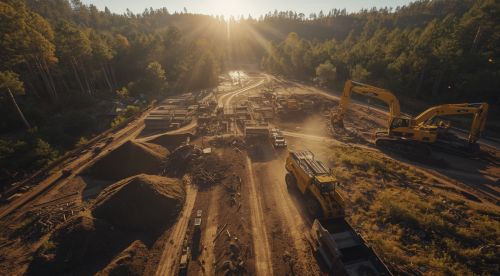
Some of the biggest changes in an industry do not happen overnight. They show up gradually through conversations, project demands, and the challenges people face in the field every day.
As a manufacturer of vegetation management, forestry, and land clearing equipment, Fecon works closely with contractors, land managers, forestry professionals, and equipment operators across a wide range of industries. Through those relationships, the company has observed a growing focus on one key area: project efficiency.
From material handling and site preparation to workflow planning and equipment selection, professionals are looking for smarter ways to keep projects moving. Equipment such as a skid steer grapple has become part of that conversation as crews work to manage materials more efficiently and reduce unnecessary delays.
Based on what Fecon continues to see in the field, the most efficient land clearing projects are often shaped by preparation, practical decision-making, and a clear plan for what happens after vegetation is removed.
The Job Is Rarely Finished After Clearing
For people outside the industry, land clearing can seem straightforward. Trees and brush are removed, the site is cleaned up, and the project moves on.
The reality is usually a bit different.
Once vegetation is removed, crews often face another stage of work that takes time, planning, and coordination. Materials need to be gathered, sorted, moved, stacked, loaded, or prepared for disposal.
A site may appear clear, but there can still be a large amount of work happening behind the scenes.
According to Fecon, this part of the process has become an increasingly important focus as project timelines become tighter and expectations continue to rise.
Better Planning Helps Everything Move Faster
One observation Fecon continues to hear from operators is that preparation often saves time later.
Before equipment even arrives on site, teams are paying closer attention to questions such as:
- How will debris be managed?
- Where will materials be staged?
- How will access routes be maintained?
- What equipment will be needed throughout the project?
These conversations may seem simple, but they can influence how smoothly a project progresses from start to finish.
A little planning at the beginning often helps reduce delays once work is underway.
Material Handling Has Become A Bigger Priority
Land clearing projects today involve more than creating open space.
Contractors are often expected to leave sites organized, accessible, and ready for the next phase of work. That means material handling plays a larger role than it once did.
Fecon has observed that operators are looking for equipment that can help move logs, brush, and debris efficiently without adding unnecessary complexity to the job. In many situations, a skid steer grapple helps crews pick up, sort, and transport materials while maintaining flexibility around the site.
As workloads continue to grow, operators are placing greater value on equipment that supports productivity throughout the entire project.
Access And Site Readiness Matter More Than Ever
One factor that can easily slow down a project is limited access.
Dense vegetation, debris piles, and difficult terrain can make it harder for crews to move around the site safely and efficiently. Even routine tasks can take longer when access becomes restricted.
Fecon notes that many contractors are now approaching site preparation with a broader perspective. The goal is not only to clear vegetation but also to create a work area that remains functional throughout the project.
Keeping pathways open and materials organized can make daily operations much easier for everyone involved.
Operators Want Equipment That Works Across Different Conditions
No two job sites are exactly alike.
One day may involve clearing storm debris. Another may involve preparing land for development. The next project could take place in a wooded area with limited room to maneuver. Because of this, operators often look for equipment that can adapt to different situations without requiring major changes to their workflow.
Fecon has seen growing interest in solutions that help crews stay productive across a variety of environments. Reliability, durability, and ease of operation continue to rank high among the qualities operators value most.
After all, equipment that performs consistently can help reduce interruptions and keep projects moving forward.
Fecon’s Perspective On The Road Ahead
At Fecon, the discussion around efficient land clearing continues to evolve. Operators, contractors, and land managers are constantly looking for ways to improve productivity while managing increasingly demanding projects.
As those needs continue to grow, equipment such as a skid steer grapple remains part of the conversation because of its ability to support material handling across a wide range of applications. Based on what Fecon continues to see in the field, the future of land clearing will be shaped by smarter planning, efficient workflows, and practical solutions that help crews get more done each day.
About the Author