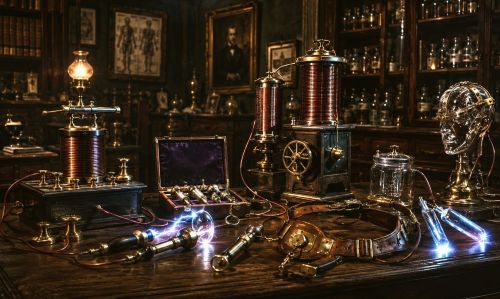
Victorian electric cures promised to recharge weak bodies, calm nerves, restore virility, and heal chronic pain. Most failed as medicine but revealed hopes.

By Matthew A. McIntosh
Public Historian
Brewminate
Introduction: The Promise of an Electric Body
The Victorian electric cure began with a seduction: the body, invisible beneath skin and clothing, might be made readable and repairable by a force that was itself invisible. Electricity seemed to pass through the same mysterious borderland as the nerves, the passions, and life itself. It could shock a muscle into movement, make hair rise, throw sparks from metal, animate laboratory demonstrations, illuminate public lectures, and turn the patient’s own sensations into evidence that something powerful had entered the flesh. Long before the electric belt, the electric corset, the magnetized hairbrush, or the galvanic ring became familiar objects in the medical marketplace, electricity had already acquired a cultural authority that made it unusually easy to confuse wonder with cure. It was modern, dramatic, intimate, and difficult for ordinary users to measure. That combination made it one of the most persuasive therapeutic languages of the nineteenth century.
The promise was not born entirely in fraud. Early nineteenth-century medical electricity grew from real experiments, serious debates, and professional efforts to understand the nervous body. Galvanism, static electricity, batteries, shocks, currents, and muscular stimulation all belonged to a world in which the boundaries between physiology, spectacle, and treatment were still being negotiated. Luigi Galvani’s experiments with animal electricity, Giovanni Aldini’s dramatic demonstrations on corpses and muscles, and the broader culture of electrical display helped make the nervous system appear not merely as an anatomical structure but as a living network of responsiveness. Electricity seemed to reveal something hidden about animation itself: the body could twitch, contract, and react when touched by an external force. To physicians and lecturers, that made electricity scientifically fascinating; to the public, it made electricity almost magical. The same demonstrations that encouraged legitimate physiological inquiry also trained spectators to associate shock, movement, and bodily sensation with the possibility of restored life or renewed function. Physicians such as Golding Bird tried to place electrotherapy on a disciplined footing, separating specific medical uses from theatrical excess and commercial exaggeration. That distinction matters. The problem was not that Victorians believed in electricity while modern people know better. The problem was that a genuine scientific force, not yet fully understood and difficult to standardize, became available to advertisers, showmen, entrepreneurs, and quack doctors who could sell its sensations more easily than they could prove its cures.
By the later Victorian period, electricity had become more than a physical phenomenon. It was a metaphor for vitality. A tired body was “run down”; a weak man needed “recharging”; a nervous woman needed strengthening; a sluggish organ needed stimulation; a balding head, aching back, failing erection, sleepless mind, or rheumatic limb could be imagined as a local failure of force. This language allowed electric devices to enter the home as wearable promises of restoration. Chains, belts, corsets, brushes, rings, and baths did not need to explain disease with much precision. They only needed to offer a plausible story of lost energy and renewed current. Their advertisements taught consumers to think of the body as a circuit, illness as depletion, and cure as the return of invisible power.
Here I examine those ineffective Victorian electric treatments not as comic relics of a gullible age, but as revealing artifacts of modern medicine’s commercial shadow. Many of these devices did little or nothing therapeutically. Some were ordinary objects dressed in electrical language; others produced only weak currents, irritation, discomfort, or theatrical sensation. Yet their failure as medicine did not prevent their success as commodities. They sold because they answered real fears: chronic pain, nervous exhaustion, sexual shame, aging, female weakness, male impotence, and the uncertainty of bodies that physicians could not always explain. The electric cure that was not a cure worked by making hope feel technical, by making sensation feel like evidence, and by making the patient believe that modern science could be worn against the skin.
Medical Electricity before the Quack Marketplace
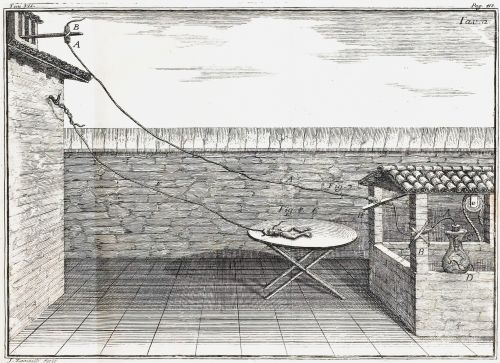
Before electric corsets, galvanic belts, magnetized brushes, and other dubious appliances entered the Victorian marketplace, electricity already had a serious place in medical and scientific imagination. It was not merely a fashionable gimmick pasted onto ordinary objects by clever advertisers, although it would become that. From the late eighteenth century onward, electricity seemed to offer access to the body’s most mysterious functions: movement, sensation, pain, paralysis, vitality, and death itself. The nervous system, still imperfectly understood, appeared to operate by forces that were invisible yet measurable through bodily response. Electricity seemed less like an external drug than a possible key to the body’s own hidden machinery. It could make the body answer.
That fascination had deep roots in Galvani’s experiments and the public demonstrations that followed. Galvani’s work with frogs suggested that animal tissue could respond electrically, while Alessandro Volta’s battery offered a new way to produce a steady current. Aldini then turned galvanic demonstration into public spectacle, applying electricity to human and animal bodies in performances that blurred the line between scientific lecture and theatrical resurrection. These experiments did not “prove” that electricity could cure disease, but they created a powerful association between current and animation. A dead or inert body could twitch. A muscle could contract. A limb could appear to obey a force outside the will. For physicians interested in paralysis, nerve injury, muscular weakness, or disorders of sensation, such effects were not absurd. They suggested that electricity might have therapeutic uses if applied with discipline, restraint, and anatomical knowledge.
In Britain, early Victorian electrotherapy developed in this uncertain space between possibility and proof. Bird, physician at Guy’s Hospital, became one of the important figures in trying to make medical electricity respectable. He did not treat electricity as a universal remedy. Instead, he tried to classify different electrical forms, distinguish galvanism from static electricity, and connect particular applications to particular disorders. His lectures show a world in which electrotherapy was not yet automatically quackery. It was part of a broader medical attempt to understand the relationship between nerves, muscles, circulation, pain, and stimulation. Bird and others believed that electricity might be useful in certain cases, especially where conventional treatment offered little. Their ambition was to move electricity out of the lecture hall and the fairground and into the clinic, where it could be administered under professional authority. That meant standardizing not only the apparatus but also the meaning of the patient’s response. A contraction, a tingling sensation, or a temporary easing of pain could not simply be taken as proof of cure; it had to be interpreted through diagnosis, dosage, duration, and bodily condition. This was the crucial professional move: to turn electricity from a marvel into a method. Bird’s project, and the similar efforts of other medical men, depended on narrowing electricity’s claims rather than expanding them. The more respectable electrotherapy became, the more it had to refuse the language of universal restoration that later advertisers would embrace so eagerly.
Yet the same qualities that made medical electricity promising also made it vulnerable to abuse. Electricity could be felt immediately, but its deeper effects were difficult to verify. It produced visible and dramatic signs: sparks, shocks, contractions, tingling, heat, pain, and involuntary motion. Those signs could be interpreted as evidence of treatment even when no cure had occurred. Early electrotherapy also depended on apparatus, terminology, and technical performance. The physician or demonstrator had to manage batteries, wires, plates, chains, jars, handles, currents, and bodily contact. To trained practitioners, these objects could represent a controlled experimental method. To the public, they could represent scientific authority itself. The machinery made treatment look modern, even when its principles were uncertain.
This is why the later quack marketplace cannot be separated from legitimate medical electricity. Commercial electrotherapy borrowed its credibility from real scientific work. It took the language of galvanism, nervous stimulation, muscular response, and therapeutic current and turned it into a sales vocabulary. The quack electric belt and the respectable hospital battery were not the same thing, but they belonged to the same cultural field. Both depended on the belief that invisible force could act upon hidden bodily disorder. The crucial difference was restraint. Medical electricity, at its best, tried to define indications, limits, and methods. Commercial electric medicine erased those limits. What began as an experimental therapy for specific disorders became, in the marketplace, a cure for almost everything.
From Clinic to Commodity: The Making of Consumer Electrotherapy

The movement of electricity from clinic to commodity depended on a subtle but decisive change in authority. In the hospital or consulting room, electrical treatment was supposed to be mediated by diagnosis, apparatus, trained application, and professional judgment. The physician decided where the current should be applied, how strong it should be, how long it should last, and whether the patient’s response meant improvement, irritation, or nothing at all. In the marketplace, that interpretive burden shifted to the device itself. The belt, chain, brush, corset, or home battery promised to carry medical authority within its own material form. To buy the object was to buy not only treatment but access to the prestige of scientific modernity. The patient no longer needed to understand electricity, because the object claimed to understand the body.
This transition was made possible by the domestic character of much Victorian and late nineteenth-century medicine. Many patients already treated themselves at home with patent medicines, tonics, plasters, baths, pills, liniments, dietary regimens, and mechanical supports. The home was not outside medicine; it was one of medicine’s most important theaters. Family members diagnosed ordinary ailments, managed chronic complaints, read advertisements, preserved household recipes, consulted almanacs, and purchased remedies whose authority came as much from habit and reputation as from professional endorsement. The electric appliance entered this world easily because it appeared to be both familiar and advanced. A belt was still a belt; a brush was still a brush; a corset was still a corset; a ring was still a ring. But once these objects were described as galvanic, magnetic, electro-chemical, or magneto-electric, they seemed to become medical instruments rather than ordinary commodities. Their genius was that they made electricity portable and intimate. The patient could wear science beneath clothing, brush it through the hair, bind it around the waist, fasten it against the spine, or sleep beside it on the bedside table. Electrotherapy became marketable because it did not require the patient to abandon older habits of self-care. It simply gave those habits a modern technological vocabulary. The buyer could remain at home while imagining participation in the newest discoveries of the laboratory, the hospital, and the electrical age.
Advertising completed the transformation. Commercial electrotherapy did not merely announce products; it taught consumers how to imagine their bodies. Advertisements described weakness as depletion, pain as obstruction, nervousness as electrical disorder, sexual failure as a loss of vital force, and chronic illness as a condition that could be corrected through steady stimulation. The language was elastic enough to attach itself to almost any complaint. Rheumatism, neuralgia, dyspepsia, hysteria, insomnia, liver trouble, paralysis, baldness, impotence, spermatorrhea, and “nervous exhaustion” could all be placed within the same therapeutic story. The device did not need a precise pathology. It needed a persuasive metaphor. If the body was a machine, it could be restarted; if it was a battery, it could be recharged; if it was a circuit, it could be restored to proper flow.
The commercial success of these devices also depended on the ambiguity of sensation. Unlike many patent medicines, electric appliances could often make the user feel something immediately. A mild shock, a prickling warmth, a tightening garment, a reddened patch of skin, or a metallic irritation could be interpreted as proof that the apparatus was active. Even devices that produced little or no meaningful current could exploit the expectation of sensation. The patient had been prepared by advertising to regard bodily feeling as evidence. If the belt tingled, it was working. If the skin reddened, circulation was improving. If discomfort followed use, the cure was powerful. If nothing changed, the patient might be told to persist, adjust the appliance, moisten the plates, or believe that deep internal repair required time. The device created a loop of expectation in which ordinary sensations became medical signs.
This was attractive for conditions that orthodox medicine struggled to define or cure. Chronic pain, fatigue, sexual anxiety, menstrual suffering, nervous complaints, weak backs, digestive trouble, and vague debility did not always produce visible lesions or clear diagnoses. Patients who felt genuinely ill could find themselves dismissed, moralized, bled financially, or treated with therapies no more effective than the electric appliances sold by entrepreneurs. Consumer electrotherapy offered privacy and agency. A man ashamed of impotence or nocturnal emissions could purchase a belt or ring without submitting to a humiliating consultation. A woman told that her weakness was nervous, uterine, or constitutional could buy an electric corset that promised support and renewal. A sufferer of chronic rheumatism could strap on a device that at least made treatment feel continuous. These products sold hope, but they also sold control.
Entrepreneurs understood that the appearance of scientific legitimacy mattered. Their advertisements borrowed the visual and verbal grammar of medicine: diagrams of the body, testimonials from supposed patients, technical descriptions of currents, references to patents, endorsements, before-and-after claims, lists of diseases, and the names or titles of inventors who appeared medically authoritative. Some companies operated showrooms or institutes that mimicked clinical spaces, blurring the distinction between professional treatment and retail display. A customer entering such a space could feel that he or she had crossed into a world of instruments, experts, and modern knowledge, even when the transaction was little more than retail theater. Others sold by mail, allowing the device to move through print culture into private homes. Mail-order electrotherapy was powerful because it joined secrecy to authority: embarrassing complaints could be treated privately, yet with the reassuring impression that the cure came from a sophisticated medical enterprise. Catalogues and pamphlets did the work of consultation, diagnosing the reader’s weakness before offering the object that would supposedly repair it. In both cases, the commodity worked as a portable theater of expertise. It reassured consumers that they were not buying superstition. They were buying progress.
The making of consumer electrotherapy reveals a central paradox of modern medical commerce. These devices succeeded not because they rejected science, but because they imitated it so well. They borrowed credibility from real electrical research, from hospital apparatus, from the language of nerves and currents, and from the broader Victorian faith that new technologies could reorganize ordinary life. Yet once electricity entered the marketplace as a domestic cure-all, its medical limits dissolved. The clinic had tried, however imperfectly, to discipline electrical treatment by diagnosis and method. The commodity did the opposite. It expanded the promise, simplified the body, and turned a difficult therapeutic question into an object that could be bought, worn, and believed.
Pulvermacher’s Electric Chains and the Wearable Battery
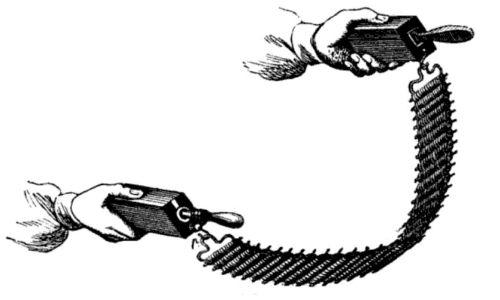
Pulvermacher’s electric chain occupied the dangerous middle ground between useful apparatus and consumer miracle. It was not simply a fake object with the word “electric” pasted onto it. J. L. Pulvermacher’s patent portable hydro-electric voltaic chain batteries were sold in New York in 1853 by J. Steinert, sole agent for the United States, and presented as compact, flexible sources of medical electricity. The chain promised portability at a time when much electrical apparatus remained bulky, awkward, or dependent on specialist handling. Its links, made from paired galvanic metals, were meant to be moistened with vinegar or another liquid so that the chain could act as a voltaic battery. In theory, the device belonged to the world of medical instrumentation. Its portability and wearability made it almost perfectly suited to the marketplace of exaggerated cure.
The chain’s material form was its commercial genius. A conventional battery sat apart from the patient; Pulvermacher’s chain could be wrapped, held, worn, connected, and made bodily. The patient did not merely receive electricity from a distant machine. The patient became part of the circuit. That mattered because Victorian electrotherapy depended heavily on the drama of contact. The chain could be drawn through vinegar, attached to conductors, interrupted to produce shocks, or applied to particular parts of the body. Its flexible construction meant that electricity could be imagined as traveling along the contours of suffering itself: around a painful joint, across a weak back, along a paralyzed limb, or between two points chosen by the user or practitioner. Pulvermacher’s promotional literature emphasized that the apparatus could be made to act quickly after moistening and that it could give continuous or interrupted currents, including perceptible shocks, through the body. The language combined technical explanation with therapeutic theater: number of links, direction of current, metallic poles, conductors, shocks, and bodily passage all became part of the device’s authority. This was not merely an accessory to treatment. It was a treatment that advertised itself through its own handling. To prepare it, moisten it, fasten it, and feel it was already to participate in the ritual of electrical cure.
This is why early medical interest in the chain was not inherently absurd. Bird, who had worked hard to give electrotherapy professional credibility, recognized the value of a portable source of voltaic current. Existing electrical machines could be cumbersome, fragile, expensive, or difficult to manage outside institutional spaces. Pulvermacher’s chain seemed to solve a practical problem: it made electricity easier to carry to the patient and easier to use in domestic treatment. In an era when home visits, private treatment, and household medical management remained important, portability had real clinical appeal. A compact chain could be imagined as a practical bridge between the hospital apparatus and the sickroom, particularly for chronic conditions that required repeated application rather than a single dramatic intervention. In the promotional material, Bird’s name appeared in connection with praise for the invention as a convenient form of voltaic apparatus for medical purposes. Other physicians and medical men were also represented as having used or approved the chain in cases involving paralysis, rheumatism, and related disorders. The device entered public view with the borrowed aura of professional approval, even if that approval was narrower than the later advertisements implied. That narrowing matters historically. A physician might endorse the convenience of the instrument without endorsing every sweeping claim later attached to it. The marketplace had little incentive to preserve that distinction.
The slippage from apparatus to cure-all came quickly. A physician might value the chain as a source of current while rejecting broad claims about instant restoration or universal therapeutic power. Advertising did not preserve that distinction. It transformed convenience into efficacy and sensation into proof. If the chain could make the body tingle, twitch, redden, or feel a shock, then the patient could be encouraged to believe that disease itself was being driven out, circulation awakened, nerves strengthened, or paralyzed parts recalled to life. Pulvermacher’s literature described applications for rheumatism, contraction, paralysis, pain, and swelling, and praised electricity as a stimulant to the nervous system. Such claims did not require the reader to understand pathology. They required only the belief that a body capable of feeling the current was a body capable of being cured by it.
The wearable chain intensified that belief because it made treatment continuous and private. A patient could imagine the body under steady correction, as though the appliance were quietly restoring order beneath clothing. This was a different therapeutic experience from a brief visit to a physician’s apparatus. The chain suggested companionship: electricity could stay with the sufferer, travel with the sufferer, and act while ordinary life continued. That promise anticipated the later electric belt, which would carry the logic of wearable cure even further. The medical battery became less an instrument used under supervision than a personal article of faith. It was science made intimate, small enough for the pocket and persuasive enough for the anxious body.
Yet the chain’s very intimacy also exposed the weakness of its claims. A current strong enough to be felt was not necessarily strong enough, properly directed enough, or medically appropriate enough to cure disease. Moisture, skin resistance, weak acids, metallic corrosion, loose contact, poor application, and the uncertain path of current through the body all complicated the device’s therapeutic meaning. Some users may have felt genuine stimulation; others may have felt little more than irritation, shock, or expectation. But commercial electrotherapy did not need reliable clinical outcomes to thrive. It needed a device that looked technical, produced sensation, carried reputable names, and allowed the patient to believe that cure could be worn. Pulvermacher’s chain mattered because it made the battery wearable, and once electricity could be worn, it could be sold as a continuous answer to almost any suffering.
Electric Belts and the Cure-All Body
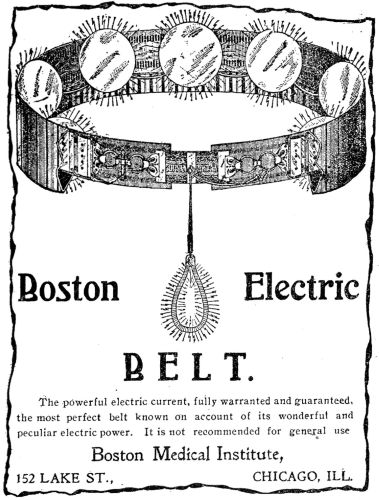
If Pulvermacher’s chain made the battery wearable, the electric belt made wearable electricity into a mass-market promise of bodily renewal. The belt was an ideal object for commercial electrotherapy because it already belonged to the familiar world of support, pressure, posture, and concealment. It could be worn beneath clothing, pressed against the abdomen or lower back, and imagined as acting continuously while the patient walked, worked, slept, or sat in private discomfort. Unlike a hospital battery, which required an operator and a session, the belt offered a fantasy of uninterrupted cure. It turned treatment from an event into an atmosphere. The body did not have to visit electricity; electricity could accompany the body.
The appeal of the electric belt depended on its ability to collapse many different complaints into one general condition: loss of force. Advertisements rarely needed to explain disease carefully because the belt’s therapeutic language was deliberately broad. Rheumatism, neuralgia, kidney trouble, liver complaint, dyspepsia, weakness, paralysis, constipation, menstrual suffering, nervous exhaustion, impotence, and sleeplessness could all be redescribed as forms of bodily failure requiring stimulation. The device’s position around the trunk made this vagueness useful. The waist and abdomen were imagined as central regions of vitality, digestion, reproduction, circulation, and nervous power. By wrapping the body’s middle, the belt seemed to address everything at once. Its very imprecision became a selling point. A patient did not need to know exactly what was wrong; the belt promised to reach the hidden center from which many wrongs supposedly began.
Many electric belts used copper and zinc discs or other paired metals that could produce weak galvanic action when moistened by sweat, acidic solutions, or chemical preparations. Others relied more heavily on the vocabulary of electricity than on any meaningful current. But the distinction between active and inactive devices did not always matter to consumers because the belt combined multiple sources of sensation. It pressed on the body. It warmed beneath clothing. It irritated the skin. It could produce prickling, soreness, reddening, or the faint suggestion of current. It could also supply mechanical support to the back or abdomen, which might produce genuine temporary comfort even if no electrical cure occurred. This mixture of pressure, expectation, irritation, and occasional stimulation made the belt difficult for users to judge. A sufferer might feel something and feeling something could be enough to sustain belief. Even adverse effects could be folded into the logic of treatment. A rash might be interpreted as proof that the device had awakened circulation; soreness might be read as evidence of therapeutic action; corrosive irritation from chemical salts might be mistaken for the outward sign of internal repair. The belt’s failure to produce consistent medical results did not prevent it from producing a persuasive bodily experience. It gave the patient a sequence of actions (fastening, moistening, adjusting, waiting, feeling) that resembled treatment and encouraged the belief that an invisible process was underway.
The belt was powerful because it addressed the late nineteenth-century fear of exhaustion. Industrial life, urban work, sexual anxiety, office labor, nervous strain, and the pace of modernity all fed the idea that the body could be drained by civilization itself. The electric belt offered a conveniently modern answer to a modern diagnosis. It did not ask the patient to retreat from the age of machines; it invited the patient to become one. To wear the belt was to imagine the body as rechargeable, technically adjustable, and capable of renewed output. This was why the language of electricity suited complaints of masculinity so well. Impotence, spermatorrhea, premature weakness, and loss of vigor could be described not simply as moral or physical failures but as depleted energy. The belt promised restoration without confession. It allowed men to purchase a cure for shame under the respectable cover of science. It also shifted sexual anxiety into the language of mechanics, which could feel less damning than the older vocabulary of sin, vice, or degeneracy. A man did not have to admit moral failure if he could imagine himself as temporarily depleted, overstressed, or electrically weakened. The belt offered more than a supposed physical remedy. It offered a story in which virility could be recovered through modern apparatus rather than through humiliating exposure, religious repentance, or public medical scrutiny. Its advertisements often played on fear while promising secrecy, presenting private weakness as a technical fault that only the properly designed device could correct.
Women, too, were drawn into the belt’s therapeutic vocabulary, though often through a different language of support, nerves, and constitutional weakness. Electric belts and related abdominal appliances promised relief from weak backs, uterine disorders, menstrual pain, headaches, fatigue, and the diffuse nervous complaints that Victorian medicine so often attached to female bodies. Here again the belt’s ambiguity was useful. It could be marketed as strengthening without appearing violent, stimulating without appearing indecent, and scientific without requiring public discussion of intimate suffering. The belt’s concealment mattered. It hid not only the appliance but the complaint. Commercial electrotherapy participated in a broader gendered economy of silence, where private bodily distress could be turned into a purchasable object worn beneath the surface of respectable life.
The electric belt’s failure as medicine should not obscure its success as a cultural artifact. It promised too much, explained too little, and often relied on weak currents, mechanical pressure, corrosive irritation, or placebo expectation rather than demonstrable therapeutic action. Yet it translated the anxieties of the age into a form people could buy and wear. It made chronic illness feel manageable, sexual shame feel treatable, nervous exhaustion feel technical, and modern weakness feel reversible. The belt succeeded because it presented the body as a cure-all body: one object, one current, one hidden source of renewal for many unrelated conditions. In that sense, the electric belt was not an accidental absurdity of Victorian medicine. It was one of the clearest examples of how commercial health culture turns uncertainty into a product.
C. B. Harness, Electric Corsets, and the Gendered Cure
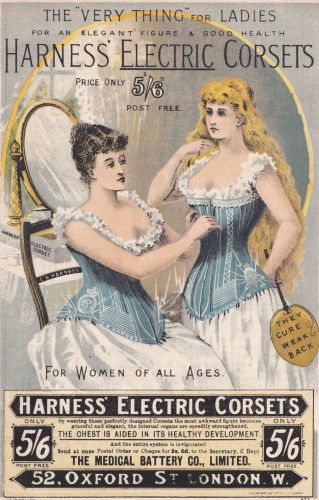
C. B. Harness and the Medical Battery Company made electric medicine fashionable by bringing it into the intimate world of clothing, posture, and respectability. Harness did not merely sell electrical apparatus; he sold wearable modernity. His electric belts and corsets promised that the newest therapeutic force could be stitched into the ordinary architecture of the dressed body. This was powerful in late Victorian London, where health culture, consumer display, medical anxiety, and technological novelty overlapped. The electric corset was not presented as a crude quack device but as a refined, scientific improvement upon a familiar garment. It turned the corset from a symbol of feminine discipline into a supposed instrument of physiological repair.
The corset already occupied a complicated place in Victorian life. It shaped the body, supported the torso, marked respectability, and helped produce the silhouette expected of middle-class femininity. It was both intimate and public: hidden beneath clothing, yet visible in the posture and outline it created. It belonged to fashion, but also to morality, class, sexuality, and bodily training. A properly corseted figure could suggest self-command, refinement, and social discipline, while an uncorseted or loosely dressed body might be read, unfairly but powerfully, as careless, vulgar, unhealthy, or morally suspect. By electrifying the corset, Harness and similar entrepreneurs gave an old garment a new medical language. The woman who wore it was not simply dressing properly; she was supposedly strengthening her spine, stimulating her organs, improving her nerves, and correcting weakness at its source. The language of electricity allowed the garment’s pressure and support to be recast as therapy. What might otherwise have been understood as constraint could be marketed as cure. This was the commercial brilliance of the electric corset: it did not ask women to abandon the social grammar of respectability. It promised that the very garment used to discipline the body could also heal it.
This mattered because Victorian medicine often treated female suffering through broad and unstable categories: nervousness, uterine weakness, hysteria, spinal irritation, debility, menstrual disorder, and constitutional fragility. These labels did not always describe clearly defined diseases. They described a cultural expectation that women’s bodies were delicate, reactive, reproductive, and easily disordered. Pain, exhaustion, faintness, digestive trouble, headaches, sleeplessness, menstrual distress, back weakness, and emotional strain could be gathered into a medical vocabulary that made femininity itself seem pathological. Electric corsets entered this medical imagination with perfect commercial timing. They promised strength without demanding that women reject the social expectations placed on their bodies. A woman could remain properly corseted while imagining herself scientifically treated. The device did not challenge the gender construct that helped produce female bodily distress. It sold relief inside that system. Its promise was not liberation from the assumptions that made women’s bodies objects of constant correction, but a more modern form of correction, one that seemed to come from technology rather than moral rebuke. The electric corset translated cultural unease about women’s bodies into an appliance, offering the buyer a way to manage suffering while leaving the larger structure of gendered diagnosis intact.
Harness’s advertisements depended on the authority of scientific testing, technical vocabulary, and medical respectability. Promotional material for electric corsets and electropathic belts described them as carefully constructed instruments rather than mere clothing. Their alleged power rested in hidden plates, metallic elements, magnetic or electrical action, and the idea that constant contact with the body could restore tone and vitality. Yet critics argued that some of these devices generated little or no meaningful current. In that sense, the electric corset worked less as a reliable therapeutic machine than as a theatrical garment. It produced the appearance of treatment through form, language, and expectation. The body was enclosed in science, whether or not science was truly acting upon the body.
The gendered power of the electric corset also lay in its promise of private management. Women’s complaints were often intimate, embarrassing, or difficult to discuss openly when they involved menstruation, reproductive organs, weakness, fatigue, or nervous collapse. A wearable cure allowed such suffering to remain discreet. The garment did not announce illness; it disappeared into ordinary dress. This concealment helped make commercial electrotherapy attractive. It offered women a way to seek relief without public exposure, but it also kept their suffering within the bounds of domestic and bodily self-regulation. The sufferer did not have to confront a skeptical physician, describe symptoms that might be dismissed as nervous fancy, or expose herself to the embarrassment of a public medical encounter. She could purchase an appliance and fold treatment into the rhythms of ordinary life. Yet that privacy came with a cost. The solution was not social change, rest from labor, freedom from restrictive clothing, or a serious reconsideration of women’s medical treatment. The solution was another object to wear. The electric corset transformed distress into personal responsibility: if the body was weak, it could be managed; if it was painful, it could be corrected; if it was exhausted, it could be quietly recharged beneath the clothing.
The electric corset also reveals how quack medicine could borrow the authority of reform while preserving older forms of bodily control. Victorian dress reformers criticized tight-lacing and the damage caused by fashionable constriction, while commercial medicine offered modified garments that claimed to correct weakness without abandoning corsetry itself. Electric corsets and related appliances could appear simultaneously progressive and conservative. They acknowledged that women experienced back pain, weakness, exhaustion, and internal distress, but they interpreted those problems as technical failures within the individual body. Electricity promised to energize the very body that clothing, labor, pregnancy, household expectations, and medical condescension had helped burden. The cure was modern, but the assumptions beneath it were old.
The electric corset’s historical importance does not lie in whether every buyer believed every claim. Its importance lies in the way it joined gender, commerce, technology, and medical uncertainty into a single wearable object. It made the female body a market for invisible forces. It transformed ordinary discomfort into evidence of hidden disorder and then offered a garment that promised to repair that disorder through scientific contact. Like the electric belt, it failed as a universal cure. But as a cultural artifact, it succeeded brilliantly. It shows how the Victorian marketplace could turn women’s pain into a sales category, women’s clothing into therapeutic machinery, and the language of electricity into a respectable cover for old anxieties about female weakness.
Electric Hairbrushes, Flesh Brushes, and the Magnetized Everyday
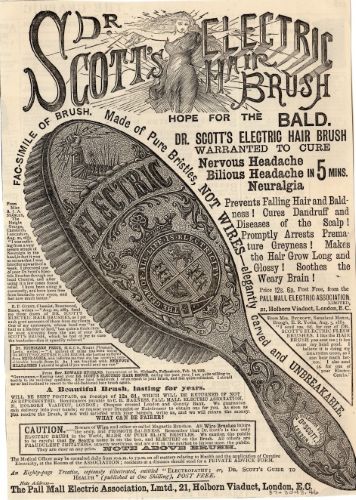
Electric hairbrushes and flesh brushes carried commercial electrotherapy into the most ordinary rituals of daily grooming. If the belt and corset made electricity wearable, the brush made it domestic, repetitive, and almost effortless. A person did not need to undergo a treatment, visit an institute, or strap on a visibly medical appliance. He or she could simply brush the hair, rub the skin, stimulate the scalp, or polish the surface of the body while imagining that a hidden scientific force was passing through nerves, follicles, circulation, and flesh. The electric brush was one of the most revealing objects in the Victorian and late nineteenth-century marketplace of false cure: it converted the ordinary gesture of grooming into an act of therapeutic self-improvement.
The name “electric brush” was often more important than any actual electricity. Many such objects did not contain batteries, wiring, or any meaningful source of current. Some relied on magnetized metal rods, magnetic claims, or vague “magneto-electric” language that sounded technical without requiring the device to function like an electrical apparatus. This ambiguity was commercially useful. “Electric” had become a word of promise, not merely a description of mechanism. It suggested animation, stimulation, modernity, and invisible action. A brush that looked much like any other brush could be sold as an instrument capable of reaching beneath the skin. The object’s ordinariness helped the deception. The more familiar the brush appeared, the easier it was to integrate into daily life; the more electric it was said to be, the more extraordinary its ordinary use became.
Dr. Scott’s electric brushes are useful as examples because they reveal how commercial authority could be manufactured through naming, branding, and display. The title “Dr.” gave the product a medical aura even when the commercial persona behind it depended more on advertising than on therapeutic expertise. The brush was promoted as if it belonged to a scientifically progressive system of bodily care. Its handles, bristles, magnetic core, packaging, and printed claims worked together to create a miniature medical performance in the hand of the consumer. The buyer was invited to believe that every stroke activated an invisible influence, drawing health toward the scalp or skin. The brush did not need to shock the user. Its power lay in transforming repetition into treatment. The claims attached to electric brushes were broad enough to be absurd, but broadness was part of their success. Hair loss, headache, neuralgia, dandruff, weak nerves, poor circulation, scalp disease, facial pain, and general debility could all be gathered under the promise of stimulation. Baldness was particularly vulnerable to such marketing because it touched vanity, masculinity, aging, heredity, and social confidence all at once. A brush offered a comforting answer because it turned the problem into a matter of local neglect or insufficient stimulation. If the scalp could be awakened, perhaps the hair could return. The claim was simple, tactile, and emotionally powerful. It gave the user something to do every day, which made hope feel disciplined rather than desperate.
Flesh brushes extended the same logic from the scalp to the body’s surface. They belonged to a wider culture of rubbing, bathing, massage, friction, circulation, and skin stimulation. Victorian health advice often treated the skin as a crucial boundary through which internal vitality could be managed. Cold baths, Turkish baths, dry brushing, rubbing with towels, massage, and various forms of friction all promised to invigorate the body by working upon its surface. The electric or magnetized flesh brush entered this world easily because it appeared to intensify an already familiar practice. Rubbing the skin had long been associated with circulation and vigor; adding electricity or magnetism made that old practice sound newly scientific.
The appeal of these brushes also depended on the relationship between surface and depth. A brush touches only the outside of the body, but advertising taught consumers to imagine that the effect penetrated inward. The scalp became a gateway to nerves and brain; the skin became a route to circulation and internal tone; the face became a field of neural distress; the hair root became a hidden site of revival. This was the same imaginative leap that supported belts and corsets, but in a lighter and more domestic form. The brush gave the user a visible action on a visible surface while promising invisible changes below. It made the body feel accessible. If disease, aging, pain, or weakness came from hidden failures, the brush suggested that the surface could still be used to reach them. These devices also show how quack medicine exploited the blurred boundary between hygiene and cure. A hairbrush could genuinely smooth hair, clean the scalp, distribute oils, and produce a pleasant sensation. A flesh brush could exfoliate, redden the skin, or create temporary warmth. These ordinary effects could then be reinterpreted as medical evidence. Redness became improved circulation. Tingling became nervous stimulation. Warmth became renewed vitality. A groomed appearance became proof of health. The brush did not have to cure neuralgia, baldness, or debility to feel beneficial. It only had to attach ordinary bodily sensations to a larger story of electric action. Like many commercial electric devices, it succeeded by building a bridge between something real and something exaggerated.
The electric hairbrush and flesh brush deserve more attention than their comic appearance might suggest. They reveal the domestication of quack science at its most intimate and mundane. Electricity was no longer confined to the lecture hall, the hospital, the battery room, the spa, or the dramatic appliance strapped around the waist. It had entered the dressing table, the bedroom, the bathroom, and the daily care of hair and skin. These brushes failed as cures, but they succeeded as objects of belief because they made modern therapeutic promise feel ordinary enough to use every morning. They turned grooming into medicine, magnetism into marketing, and the everyday body into another field for invisible commercial power.
Masculinity, Spermatorrhea, and the Electrified Sexual Body
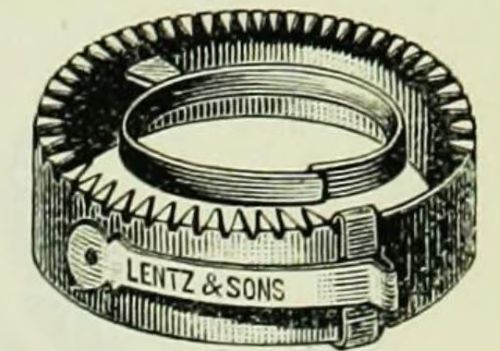
The most intimate and unsettling branch of Victorian electric quackery concerned the male sexual body. Electric belts, galvanic rings, genital appliances, and devices marketed for spermatorrhea or impotence did not merely promise physical cure; they entered a world of shame, secrecy, fear, and moral panic. Male sexuality was treated as both a source of power and a site of terrible vulnerability. Semen was often imagined as a vital fluid whose loss could weaken the nerves, drain the brain, soften the will, and diminish masculine force. In that context, electricity offered a seductive metaphor. If manhood could be depleted, perhaps it could also be recharged. If desire had become disordered, perhaps current could regulate it. If the sexual body had failed, perhaps technology could restore it without confession.
Spermatorrhea was one of the most important diagnoses in this anxious medical marketplace. The term referred to involuntary or excessive seminal emission, but its cultural meaning was much larger than its clinical description. It gathered together nocturnal emissions, masturbation, sexual thoughts, impotence, fatigue, nervousness, melancholy, weakness, and fears of moral collapse. Medical writers and quack advertisers alike warned that seminal loss could produce a cascade of bodily and mental ruin: trembling, poor memory, digestive trouble, spinal weakness, dull eyes, cowardice, insanity, or early death. Such claims gave ordinary male experiences (sexual dreams, erections, occasional emissions, fatigue, or anxiety) the frightening appearance of disease. The young man, the bachelor, the student, the widower, and the aging husband could all be made to suspect that his body was secretly betraying him. The diagnosis was powerful because it converted uncertainty into self-surveillance. A man did not need visible injury or obvious illness to fear spermatorrhea; he needed only a tired morning, a troubled conscience, an erotic memory, or an involuntary bodily event that could be reinterpreted as evidence of decline. The condition expanded far beyond medicine into morality and identity. It turned masculine health into a fragile economy of retention, restraint, and nervous conservation. Once semen was imagined as a finite reservoir of strength, almost any sexual irregularity could be made to feel like a catastrophic leak.
This fear was commercially useful because it was difficult to discuss openly. A man embarrassed by impotence or nocturnal emissions might avoid an ordinary physician, particularly if he expected moral judgment. The mail-order electric belt, genital battery, or “galvanic” appliance promised privacy. Advertisements could frighten the reader in print, diagnose him by implication, and then offer rescue through an object delivered discreetly. This was one of the central techniques of sexual quackery: first, isolate the sufferer by convincing him that his symptoms proved hidden decay; then, offer a device that allowed him to seek cure without public exposure. Electricity made the transaction appear scientific rather than obscene. The buyer was not purchasing a sexual aid; he was purchasing nervous restoration, vital force, and manly renewal.
Electric belts aimed at men often relied on the language of depleted energy. They promised to restore vigor, strengthen the nerves, improve circulation, revive sexual power, and correct weakness at its source. Attachments, suspensories, genital electrodes, or special plates could be added to direct the supposed current toward the reproductive organs. The logic was simple and powerful: the same invisible force that animated machines and shocked muscles might awaken a failing sexual body. For men who feared impotence, aging, or the consequences of masturbation, this was a deeply reassuring fiction. It replaced moral humiliation with mechanical repair. A failing man could imagine himself not as sinful, degenerate, or permanently ruined, but as undercharged. The cure was to reconnect him to power.
The galvanic or spermatorrhea ring represented the darker side of the same culture. Unlike belts that promised restoration through stimulation, these devices often worked through pain, restraint, or punishment. Rings with jagged inner teeth or sharp projections were designed to be worn around the penis so that an erection would cause pain and interrupt arousal. Such devices treated male desire as a force that had to be disciplined violently from outside the will. They turned the sleeping body into a suspect body and the involuntary erection into a punishable event. The cruelty of the device reveals the moral logic beneath much Victorian sexual medicine: the body could not be trusted, the will might fail, and pain could be justified as prevention. In this form, electrical or pseudo-electrical language did not merely promise cure. It helped medicalize self-surveillance and bodily punishment.
These devices also show the contradiction at the heart of Victorian masculinity. Men were expected to possess vigor, self-command, sexual potency, and moral discipline, yet they were repeatedly warned that their bodies were fragile systems easily ruined by desire, excess, or weakness. Commercial electrotherapy exploited both sides of that contradiction. It frightened men with images of collapse and then sold them instruments of restoration. It promised virility while reinforcing anxiety about virility. It condemned sexual disorder while profiting from sexual fear. The electric belt and the spermatorrhea ring were not opposites but companion objects. One imagined masculinity as a depleted battery; the other imagined it as a dangerous machine requiring painful regulation. Both turned male sexuality into a technical problem available for purchase. This was a deeply modern form of old moral discipline. Earlier religious and medical warnings had often described sexual excess as sin, vice, or self-abuse; commercial electric medicine translated those fears into the language of nerves, force, circulation, and machinery. The result sounded less like sermonizing and more like diagnosis, but it often carried the same punitive assumptions. A man was told that he must be potent but controlled, energetic but restrained, sexually capable but never uncontrolled by desire. Electric devices promised to solve an impossible demand by giving him something external to wear, attach, or endure. The marketplace sold him both the fear of failure and the instrument by which he might imagine himself repaired.
The electrified sexual body was perhaps the most revealing body in the entire marketplace of Victorian electrotherapy. It exposed how easily medical language, commercial fear, and private shame could reinforce one another. These devices did not cure the conditions they claimed to cure in any reliable sense. Many treated normal bodily functions as symptoms of decay, and some inflicted harm in the name of discipline. Yet they succeeded because they made invisible anxiety tangible. A man could strap on a belt, attach a plate, wear a ring, feel discomfort, and believe that action had finally been taken against a hidden threat. In that sense, Victorian sexual electrotherapy was not simply bad medicine. It was a technology of fear, secrecy, and masculine self-management, dressed in the bright language of modern power.
Electric Baths, Spas, and the Therapeutic Spectacle
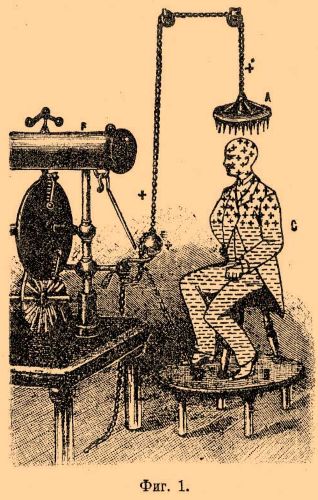
Electric baths carried electrotherapy from the wearable object into the theatrical space of immersion. Where belts and chains promised continuous private stimulation, the electric bath made treatment into an event: the patient entered water, submitted to apparatus, and became surrounded by the conditions of cure. The appeal was not difficult to understand. Bathing already had a long medical history, from mineral spas and hydropathic establishments to domestic regimens of cold, hot, vapor, and Turkish baths. Water could cleanse, warm, shock, soothe, or invigorate. Electricity added a new layer of modern authority to an older therapeutic ritual. The patient was not merely bathing; the patient was being acted upon by invisible force through a medium that seemed to touch the whole body at once.
The term “electric bath” could describe several different practices, and this ambiguity helped the treatment travel across clinics, spas, lecture halls, and commercial establishments. Some versions involved static electricity, with the body insulated or charged in ways that produced sparks, tingling, or hair-raising effects. Others used galvanic or faradic currents conducted through water, with electrodes placed in or near the bath so that current could pass through part of the patient’s body. Still others used localized limb baths, where an arm, hand, foot, or leg was immersed while current was applied more narrowly. This variety made the electric bath difficult to evaluate as a single treatment. A cautious practitioner might use electricity in a limited way for a specific nervous or muscular complaint, while a commercial spa could promote the same language for rheumatism, paralysis, exhaustion, poor circulation, skin disease, digestive trouble, and vague nervous collapse. The shared name concealed very different practices.
The spectacle of the electric bath mattered as much as its physiology. The patient saw the apparatus, felt the water, sensed the current or expected to sense it, and experienced treatment as a managed encounter with modern power. Unlike a pill, whose action occurred invisibly after swallowing, the electric bath surrounded the sufferer with ritual. Preparation, undressing, immersion, adjustment of electrodes, attention from attendants, and the controlled application of current all gave the treatment a ceremonial structure. That structure could be reassuring. It told the patient that something deliberate was happening. The bath’s physical sensations (warmth, prickling, muscular twitching, redness, fatigue, or nervous excitement) could then be interpreted as signs that the body had been stimulated into repair. The experience was memorable, and memorable treatment often felt more convincing than ordinary care. The bath also made the patient unusually passive, which could intensify its authority. Once immersed, the sufferer was enclosed within the treatment, physically vulnerable, and dependent on the practitioner or attendant to regulate the apparatus. This surrender helped distinguish the electric bath from ordinary domestic self-care. It felt administered, supervised, and legitimate. Even when the science was weak, the choreography of the treatment made it appear purposeful: the body was prepared, placed, connected, charged, watched, and released. The patient emerged not simply washed or warmed, but having passed through a staged encounter with electricity.
Spas and therapeutic institutes were well-suited to this kind of medical performance. They occupied a space between medicine, leisure, luxury, and social display. Patients could travel for treatment, submit to regimens, consult attendants or physicians, and feel that they had entered a specialized environment devoted to bodily renewal. Electric baths fit naturally into that world because they combined old spa culture with new technological promise. Mineral water had long been imagined as possessing hidden virtues; electricity offered a newer invisible agency, one that seemed less ancient and more scientific. A spa that advertised electric baths could claim to possess both nature and modernity: curative waters, disciplined regimens, and the latest electrical apparatus. The cure was not simply in the current. It was in the place, the routine, the expense, the expectation, and the patient’s temporary removal from ordinary life. For middle-class and affluent sufferers, this setting could make illness feel manageable through consumption and retreat. One did not merely endure weakness, nerves, rheumatism, or exhaustion at home; one entered a therapeutic environment where every detail implied recovery. Diet, bathing schedules, rest, exercise, architecture, attendants, instruments, and fellow patients all reinforced the idea that the body was being restored. Electric baths gained power from this setting because they seemed to crown the regimen with technological intensity. They were the dramatic proof that the spa or institute possessed something beyond ordinary bathing: a modern force harnessed for bodily renewal.
Yet the electric bath also exposed the central weakness of commercial electrotherapy: the confusion of sensation with healing. Water improved contact, but it did not magically make electricity a cure for unrelated disease. A current passing through water and skin could stimulate nerves or muscles, but that did not mean it could rebuild damaged organs, cure chronic rheumatism, reverse paralysis, strengthen the constitution, or repair the exhausted modern body. In some cases, careless application could be painful or dangerous. In many others, the bath may have produced little more than warmth, relaxation, stimulation, or temporary relief. But the theatrical nature of the treatment made it resistant to skepticism. A patient who had paid for a specialized bath, felt unusual sensations, and emerged flushed, tired, or excited could easily believe that the body had undergone meaningful change.
The electric bath belongs in this history not because every form of medical bathing was foolish, but because it shows how easily legitimate therapeutic settings could absorb exaggerated electrical claims. The bath made electricity immersive, respectable, and spectacular. It allowed practitioners and entrepreneurs to present invisible force as a whole-body intervention, even when evidence for broad curative effects was weak or absent. Like the belt, the chain, the corset, and the brush, the electric bath turned modern sensation into medical promise. Its failure as a cure-all did not prevent it from succeeding as an experience. It gave patients the feeling of having been treated by the future.
Sensation, Placebo, and the Problem of “Feeling It Work”
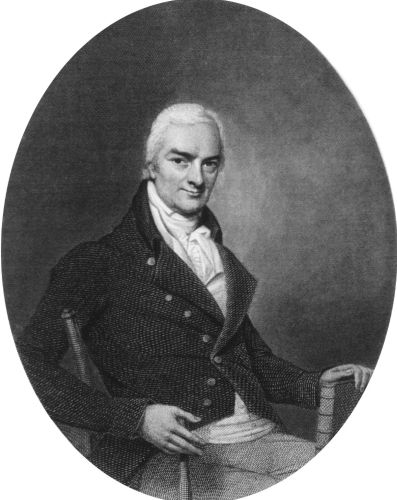
The success of Victorian electric cures depended on a problem that still troubles medicine: patients often judge treatment by sensation before they can judge outcome. A device that tingled, warmed, tightened, reddened, shocked, vibrated, or irritated the skin seemed active in a way that a silent remedy might not. Electricity had an advantage over many other doubtful treatments because it could make the body respond immediately. Even when the response had little therapeutic meaning, it felt like evidence. The user did not have to wait weeks for proof. The proof appeared to arrive at once, in the prickling skin, the twitching muscle, the flushed surface, or the sudden jolt that seemed to confirm that invisible power had entered the body.
This was not the same as modern placebo theory, but it belongs to the longer history of expectation, suggestion, and bodily interpretation. Victorian users were not necessarily thinking in terms of placebo response as modern researchers would define it. They were thinking through the available medical language of nerves, currents, vitality, circulation, depletion, and stimulation. A patient who felt warmth under an electric belt might interpret that warmth as restored circulation. A person whose scalp tingled under a magnetized brush might imagine follicles awakening. A man who felt discomfort from a genital appliance might believe that dangerous sexual impulses were being corrected. A woman whose corset pressed firmly against the back might experience support and translate that support into medical strengthening. The treatment worked as an interpretive machine. It taught the patient what bodily feelings meant.
The most powerful feature of sensation was its ambiguity. Tingling could mean stimulation, irritation, anxiety, pressure, moisture, corrosion, or expectation. Redness could mean increased blood flow, rubbing, inflammation, chemical reaction, or skin damage. Pain could be read as harm, but it could also be read as proof that the cure was penetrating deeply. This ambiguity made electric quackery hard to dislodge through ordinary experience. If the patient felt nothing, the device might need adjustment. If the patient felt mild sensation, the current was working. If the sensation was unpleasant, the treatment was powerful. If symptoms improved temporarily, the cure was credited. If symptoms returned, more treatment was needed. The system was flexible enough to absorb failure and convert it into further use. It also allowed advertisers and practitioners to control the meaning of almost every possible response. A rash did not have to be a warning sign; it could be described as evidence that stagnant circulation had been awakened. Fatigue after treatment did not have to suggest overuse or distress; it could be framed as the body’s natural reaction to deep stimulation. Even disappointment could be managed by telling users that chronic conditions required persistence, stronger contact, more moisture, tighter application, or a longer course. The patient’s own body became a field of signs that the seller had already interpreted in advance.
Wearable electric devices were good at producing this loop because they turned treatment into repetition. A hospital shock might be a single event, but a belt, chain, corset, or brush created habits. The user fastened, moistened, adjusted, brushed, rubbed, waited, endured, and repeated. Each repetition reinforced the device’s place in the sufferer’s daily life. This ritual mattered. It gave chronic illness a schedule and gave anxiety an action. For people living with rheumatism, fatigue, headaches, sexual fear, menstrual discomfort, neuralgia, or vague nervous weakness, the simple act of doing something could itself be meaningful. The device offered a feeling of agency in conditions where cure was uncertain. Even when the current was weak or absent, the performance of treatment could make suffering feel temporarily organized.
There were also ordinary bodily effects that could be mistaken for therapeutic success. A tight belt might support the back. A corset might change posture. A brush might massage the scalp or skin. A warm bath might relax muscles. A mild electric current might produce temporary stimulation. A painful ring might interrupt an erection. None of these effects proved the larger advertised claims, but they could produce enough immediate experience to sustain belief. The problem was not always that nothing happened. Something often did happen, but that something was smaller, more mechanical, more temporary, or more harmful than the cure promised. Commercial electrotherapy thrived in the gap between limited sensation and exaggerated interpretation. That gap was important because many Victorian complaints were chronic, fluctuating, or difficult to measure. Pain might ease and return. Fatigue might lift for a day. Sexual confidence might improve because fear briefly receded. A headache might pass for reasons unrelated to the device. Ordinary variation in symptoms could be recruited as proof. The device did not have to produce a clear cure; it only had to be present when the sufferer felt a little better, or active when the sufferer wanted to believe improvement had begun. Temporary relief, coincidence, mechanical support, and expectation could all be woven into the story of electrical healing.
Harm could also masquerade as efficacy. Chemically activated belts and chains could leave corrosive residues on the skin. Metal plates, acids, sweat, poor insulation, and prolonged pressure could cause rashes, sores, burns, or irritation. Genital devices could injure in the name of discipline. Electric baths could be frightening, painful, or risky when poorly administered. Yet the medical marketplace often encouraged patients to endure discomfort as part of cure. This was not unique to electrotherapy; many nineteenth-century treatments made pain, purging, blistering, sweating, or visible bodily reaction seem like proof that disease was being expelled or corrected. Electric devices inherited that older therapeutic logic while giving it a modern technological surface. The patient could suffer and still believe that suffering meant progress.
The problem of “feeling it work” complicates the simple claim that Victorian electric devices did absolutely nothing. Many did nothing useful to cure the diseases they claimed to treat. But they often did something experientially: they produced sensation, routine, expectation, temporary relief, fear, discipline, or confidence. That is precisely why they mattered. Their cultural power lay in turning bodily feeling into medical evidence without adequate proof. Victorian electric cures remind us that ineffective medicine does not always feel inactive. Sometimes it feels intensely active, and that feeling can be enough to carry a false cure from advertisement into habit, from habit into belief, and from belief into an entire marketplace of modern-looking medical illusion.
Advertising, Testimonials, Patents, and the Appearance of Science
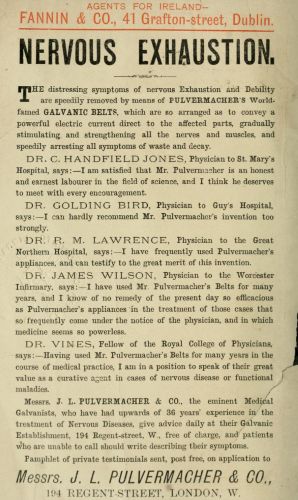
Commercial electrotherapy did not survive on machinery alone. It survived on print. Advertisements, pamphlets, catalogues, newspaper notices, handbills, testimonials, patent claims, diagrams, and pseudo-clinical case histories made the electric belt, corset, brush, chain, ring, and bath appear larger than the object itself. The device might be small, weak, poorly made, or medically useless, but the printed world around it could make it seem authoritative. Advertising supplied what the object lacked: explanation, urgency, prestige, and promise. It told the reader what the body was, what had gone wrong within it, why ordinary medicine had failed, and why this particular electrical appliance could reach the hidden source of disease.
The most important trick was not crude deception, although deception was often present. It was the creation of scientific atmosphere. Electric cure advertisements borrowed the visual and verbal style of legitimate medicine: anatomical language, references to nerves and circulation, lists of symptoms, diagrams of currents passing through the body, testimonials from restored sufferers, references to medical men, and invocations of patents or official recognition. Words such as “galvanic,” “faradic,” “magneto-electric,” “electropathic,” “voltaic,” and “scientific” gave ordinary objects a technical density that few readers could easily test. The language did not have to be fully understood to be persuasive. In fact, partial incomprehension could enhance authority. A reader who did not know exactly how the device worked might still feel that it belonged to a world of advanced knowledge beyond ordinary domestic remedies. This was one of the great advantages of electrical language: it was familiar enough to inspire confidence but mysterious enough to discourage challenge. Most consumers knew that electricity powered telegraphs, lights, motors, batteries, and public demonstrations, but few could distinguish a meaningful therapeutic current from a theatrical or negligible one. Advertising flourished in that gap. It allowed sellers to wrap commercial claims in the aura of laboratory knowledge while leaving the mechanism conveniently vague. The consumer was not asked to verify the science; he or she was asked to trust its atmosphere.
Patents played a particularly important role in this performance of legitimacy. To a consumer, the word “patent” could sound like proof that a device had been examined, approved, and certified as effective. A patent usually protected an invention or design; it did not establish therapeutic truth. But advertisers exploited the ambiguity. “Patent” suggested novelty, official notice, priority, and mechanical seriousness. A patented electric belt or chain seemed more trustworthy than an unnamed nostrum because it appeared to belong to the same technological culture as telegraphs, batteries, lighting systems, and industrial machinery. The patent converted the cure from a rumor into an invention. It made the device seem less like a charm and more like a machine.
Testimonials gave these devices their emotional force. A technical explanation could make a product sound scientific, but a restored sufferer made it feel believable. Advertisements often presented testimonials as plain human evidence: a man weakened by nervous exhaustion recovered his vigor; a woman bedridden by pain returned to household duties; a sufferer of rheumatism walked again; a bald or ailing patient improved after faithful use. These stories worked because they were concrete where medical theory was abstract. They gave readers a body to identify with and a future to imagine. The testimonial also solved a commercial problem: many of the conditions targeted by electric cures were chronic, private, fluctuating, or poorly understood. A dramatic personal story could stand in for controlled evidence, especially when the reader already feared that orthodox medicine had no reliable answer.
The most effective testimonials did more than report improvement. They taught readers how to narrate their own suffering. They arranged symptoms into a before-and-after structure: first weakness, despair, pain, embarrassment, or failed treatment; then discovery of the electric device; then sensation, persistence, and restoration. This structure turned illness into a consumer journey. The sufferer was not simply sick; he or she was waiting for the right product. The advertisement produced both the problem and the solution. A man who recognized himself in descriptions of lost vigor or spermatorrhea might come to believe he had a hidden disease. A woman who recognized fatigue, backache, or nervousness in an electric corset advertisement might reinterpret ordinary exhaustion as a treatable electrical deficiency. Advertising did not merely sell to patients; it helped manufacture them. It also gave readers a script of hope. The testimonial rarely presented cure as random or accidental; it presented cure as the reward for choosing correctly, believing properly, and persevering through use. It shifted responsibility onto the sufferer while flattering the purchaser as discerning and modern. The successful patient in the advertisement had seen through old failures, trusted the new device, and been restored. The implied message was clear: the reader could join that story by buying the same object.
The disease lists attached to these products were deliberately overwhelming. One device might claim usefulness for rheumatism, neuralgia, paralysis, dyspepsia, constipation, kidney disease, liver trouble, weak nerves, headaches, insomnia, menstrual disorders, impotence, spermatorrhea, spinal weakness, and general debility. Such lists look absurd because the conditions had different causes and required different forms of care. But as advertising, the lists performed abundance. They implied that electricity did not treat one organ or symptom but the underlying force of life itself. The longer the list, the more universal the power appeared. The cure-all claim was not a careless excess; it was central to the product’s imagined mechanism. If electricity restored vitality, then every weakness could be treated as a variation on the same failure.
Institutes, showrooms, and mail-order offices strengthened the illusion by surrounding commerce with professional scenery. Some firms presented themselves not simply as shops but as therapeutic establishments, staffed by experts and organized around consultation, examination, or individualized advice. Even when the transaction was fundamentally retail, the setting could mimic medical authority. Mail-order sales created a different but equally powerful effect. The printed advertisement entered the private home, identified the reader’s complaint, promised discretion, and transformed purchase into treatment. This was important for sexual conditions, nervous disorders, and women’s intimate complaints. The customer could avoid embarrassment while still feeling addressed by an expert. In both showroom and mail-order form, advertising allowed the device to appear as the endpoint of diagnosis rather than the beginning of a sale.
The appearance of science was not decorative. It was the operating system of the electric cure marketplace. Patents made the device look inventive; testimonials made it look proven; technical vocabulary made it look advanced; disease lists made it look universal; diagrams made it look rational; institutes made it look professional; and secrecy made it look compassionate. The result was a commercial culture in which ineffective medicine could borrow the signs of effective science without submitting to its burdens of proof. Victorian electric quackery succeeded because it understood something essential about modern health advertising: people rarely buy only an object. They buy an explanation of their suffering, a promise of control, and the hope that someone has finally made their hidden pain visible. That is why the advertising mattered as much as the apparatus. Without print, the belt was leather, metal, pressure, and irritation; the brush was bristles and handle; the corset was fabric and stays; the ring was pain and restraint. Advertising transformed these objects into instruments of invisible repair. It placed them inside stories of science, recovery, privacy, and progress. In that sense, the electric cure was manufactured twice: once in the workshop, and again in the imagination of the reader.
Medical Backlash, Exposés, and the Policing of Quackery

The success of commercial electrotherapy eventually provoked a backlash from physicians, medical journals, reformers, and professional institutions that saw electric cure-alls as both dangerous to patients and threatening to medical authority. The issue was not simply that quacks were making money. Medicine itself was struggling to define the boundary between legitimate therapeutic experiment and fraudulent commerce. Electricity sharpened that struggle because it occupied both worlds at once. Hospital physicians used batteries, currents, and electrical apparatus in limited clinical settings, while entrepreneurs sold belts, corsets, brushes, rings, and baths with extravagant claims. The same language of nerves, stimulation, galvanism, and vitality could appear in a medical lecture or a newspaper advertisement. The backlash had to do more than denounce electricity. It had to distinguish disciplined medical use from the commercial exploitation of electrical spectacle.
Medical critics attacked the cure-all logic at the heart of the trade. No single belt, chain, brush, or bath could plausibly cure rheumatism, paralysis, kidney disease, hysteria, baldness, impotence, neuralgia, dyspepsia, menstrual pain, and nervous exhaustion at once. To physicians trying to build professional credibility, such disease lists were evidence that the seller did not understand disease at all. The broadness of the claim revealed the narrowness of the science. Medical journals and anti-quackery writers repeatedly argued that commercial electrotherapists confused stimulation with cure, sensation with evidence, and mechanical novelty with medical judgment. A current might act on a muscle or nerve under specific circumstances, but that did not make electricity a universal solvent of bodily disorder. The cure-all advertisement was not merely exaggerated; it was intellectually corrupting. It flattened diagnosis into marketing. It also threatened to undo the professional distinction that medical electrotherapists had tried to create. Serious practitioners had worked to define when electricity might be useful, how it should be applied, and what limits should be placed on its claims. The commercial cure-all ignored those limits entirely. By promising one force for every illness, it made careful clinical judgment appear unnecessary. To critics, that was the real danger: the public might learn to value the drama of treatment over the discipline of diagnosis.
Harness and the Medical Battery Company became useful targets because they represented commercial electrotherapy in its most fashionable and public form. Harness sold not only devices but an entire brand of respectable electropathic treatment, including belts, corsets, and therapeutic institutes. That respectability made criticism more urgent. If electric quackery had remained a crude sideshow, it would have been easier to dismiss. But when it dressed itself in the language of science, occupied commercial premises, courted middle-class consumers, and claimed medical legitimacy, it forced the profession to respond. Critics challenged whether the belts and corsets produced meaningful currents and whether their alleged effects could be explained instead by pressure, support, suggestion, or imagination. The attack was not only technical. It was cultural. Medical critics wanted to strip away the theatrical surface and show that the impressive vocabulary of electricity often concealed ordinary fabric, metal, elastic, and salesmanship.
The policing of quackery was also part of the medical profession’s larger effort to control instruments, expertise, and public trust. Electrical apparatus complicated the older distinction between doctor and layperson because machines seemed to carry authority within themselves. A patient who bought a home battery or electric belt could bypass professional judgment entirely. This threatened physicians not only economically but epistemologically: it challenged their claim to interpret symptoms and decide what counted as treatment. Professional backlash had a double character. It was protective, because patients could be misled, injured, impoverished, or delayed from seeking better care. But it was also jurisdictional, because doctors were defending their right to regulate the meanings of disease and cure. To call a device quackery was to say not only that it failed, but that the seller had no legitimate authority to speak for medicine. This is why disputes over electric devices often became disputes over who could use the symbols of science. The marketplace had seized the language of experiment, apparatus, current, and physiological action, but physicians insisted that these symbols required professional interpretation. An electrical machine did not become medical simply because it sparked, shocked, or bore a patent. It became medical only when placed within a disciplined system of diagnosis, case selection, dosage, observation, and accountability. Anti-quackery campaigns were attempts to reclaim the boundary between instrument and treatment. They argued that a machine without judgment was not a physician in mechanical form; it was a commodity pretending to be one.
Exposés of electric quackery often tried to teach the public how to read medical advertising suspiciously. They explained that patents did not prove efficacy, testimonials were not clinical evidence, technical language could be decorative, and impressive apparatus could be useless or misused. This educational mission mattered because the electric marketplace depended on the public’s partial knowledge. Consumers knew enough to associate electricity with modern progress but not always enough to evaluate claims about current strength, bodily pathways, chemical activation, or therapeutic indication. Anti-quackery writers tried to puncture the aura of science by translating mystery back into mechanism. A belt was not miraculous because it contained metal discs. A brush was not medical because it claimed magnetic influence. A shock was not a cure simply because it could be felt. The exposé sought to make the false cure ordinary again.
Yet the backlash had limits. Commercial electrotherapy flourished because it addressed forms of suffering that professional medicine often handled poorly: chronic pain, nervous fatigue, sexual shame, reproductive discomfort, weakness, aging, and ailments without clear visible lesions. When physicians dismissed quack devices, patients might hear not compassion but contempt. When journals mocked electric belts or spermatorrhea cures, sufferers could still feel that their pain, fear, or embarrassment remained unanswered. This gap gave quackery room to survive. Professional medicine could expose false claims, but exposure alone did not always meet the emotional and practical needs that drew consumers to the devices in the first place. A patient who wanted privacy, hope, and daily control might remain vulnerable to commercial promises even after learning that physicians disapproved.
By the late nineteenth and early twentieth centuries, organized anti-quackery campaigns, stricter professional standards, medical journalism, and eventually stronger regulation helped weaken the open sale of many electric cure-alls. But the backlash did not simply end the story; it clarified the terms of the conflict. Commercial electric medicine had forced physicians and reformers to ask what counted as evidence, who had authority to treat, how advertising should be policed, and whether modern technology made false medicine more persuasive rather than less. The exposure of quack electrotherapy was part of a larger transformation in medical culture. It marked the slow, uneven shift from medicine as marketplace persuasion toward medicine as regulated expertise. Electric cure-alls did not disappear because people stopped wanting miraculous machines. They declined because professional medicine, public criticism, and regulatory scrutiny gradually made it harder for sensation alone to pass as proof.
Why Useless Devices Persisted

Useless electric devices persisted because they were rarely useless in the only sense that mattered to the buyer at the moment of purchase. They may not have cured rheumatism, impotence, neuralgia, baldness, paralysis, menstrual pain, or nervous exhaustion, but they offered an explanation, a ritual, a sensation, and a promise. They gave sufferers something to do when ordinary medicine seemed uncertain, expensive, embarrassing, or indifferent. That distinction is essential. The electric belt, corset, brush, chain, ring, or bath did not need to fulfill its advertised claims to become meaningful. It needed to make illness feel approachable. It turned fear into action, and action could feel like the beginning of recovery.
The devices also persisted because they addressed chronic and ambiguous complaints better than the medical profession often did emotionally, even when they failed therapeutically. Victorian and late nineteenth-century sufferers lived with pains and weaknesses that did not always fit clean diagnostic categories. Neuralgia, rheumatism, nervous debility, fatigue, insomnia, sexual anxiety, menstrual distress, weak backs, digestive trouble, and vague constitutional weakness could last for months or years. Patients might move from doctor to doctor, remedy to remedy, without clear relief. Commercial electrotherapy entered that uncertainty with confidence. It did not hesitate, qualify, or admit limits. Its advertisements spoke directly to the sufferer’s frustration and offered a simple story: the body was depleted, obstructed, weakened, or undercharged, and electricity could restore it. In an uncertain medical world, certainty itself was a product.
Privacy was another reason these devices survived. Many of the most lucrative complaints were difficult to discuss openly. Impotence, spermatorrhea, menstrual pain, uterine weakness, nervous collapse, and bodily exhaustion involved shame, modesty, or the fear of being dismissed. A mail-order belt or discreetly worn corset allowed sufferers to pursue treatment without public confession. A man could address sexual fear without naming it to a physician. A woman could manage pain or fatigue beneath ordinary clothing. A person with chronic symptoms could avoid the humiliation of being told that nothing was wrong. The appliance became a private intermediary between distress and hope. It listened without judgment because, of course, it did not listen at all. That silence was part of its appeal.
The devices also benefited from the ordinary rhythm of symptom fluctuation. Many chronic ailments improve and worsen for reasons unrelated to treatment: rest, weather, mood, activity, diet, hormones, sleep, stress, or simple variation over time. A person wearing an electric belt during a better week might credit the belt. Someone brushing the scalp during a period of less headache might credit the brush. A man who felt temporarily more confident after buying a sexual appliance might credit the current. This did not require stupidity. It reflected the difficulty of interpreting illness from inside the suffering body. When symptoms shift unpredictably, people naturally search for patterns. Commercial electrotherapy inserted itself into those patterns and claimed the improvement as proof. Its claims were durable because they did not require dramatic recovery. A little less pain, a slightly better night’s sleep, a moment of warmth, a passing sense of vigor, or even the comfort of having acted could be enough to keep belief alive. The sufferer did not experience the device as a statistical intervention but as part of a daily struggle with discomfort. In that intimate setting, coincidence could feel like causation, and temporary relief could feel like the first stage of cure.
Cost and accessibility mattered as well. A device could be cheaper, easier, and more emotionally satisfying than repeated consultations. Even expensive devices could be framed as investments: one purchase, many treatments, continuous use, no need for repeated fees. The buyer owned the cure. That ownership mattered in a consumer culture increasingly accustomed to technological solutions. People bought sewing machines, clocks, domestic appliances, patent medicines, and mechanical aids that promised efficiency or improvement. Electric cures belonged to that same modern household imagination. They made the body another site of technical management. If machines could transform communication, lighting, travel, and industry, it did not seem impossible that a smaller machine might transform health. Ownership also changed the emotional relationship between patient and treatment. A physician might disappoint, dismiss, or charge again; a device remained available, obedient, and ready for use. It could be tightened, adjusted, moistened, worn longer, placed differently, or tried again tomorrow. This flexibility made failure less final. If one application did not work, the user could alter the method rather than abandon the belief. The appliance encouraged persistence by making treatment seem endlessly modifiable and personally controllable.
The persistence of useless electric devices reveals less about Victorian gullibility than about the durable structure of medical hope. People buy doubtful remedies when legitimate medicine cannot fully relieve pain, when symptoms are private or poorly understood, when advertising supplies a persuasive explanation, and when the product produces enough sensation or ritual to feel active. Electric quackery survived because it joined all of those forces to the glamour of modern science. Its devices failed as cure-alls, but they succeeded as answers to fear. They made invisible suffering visible, gave uncertainty a handle, and allowed the sufferer to believe that the body’s hidden failures could be corrected by a force as invisible as the illness itself.
Decline, Survival, and the Modern Afterlife of Electric Cure-Alls
The decline of Victorian electric cure-alls was gradual, uneven, and incomplete. They did not disappear because electricity lost its cultural power. If anything, electricity became more central to modern life through lighting, telephones, trams, motors, domestic appliances, and industrial systems. What changed was the evidentiary and regulatory environment surrounding medical claims. As medicine professionalized, as laboratory science gained authority, as medical journals became more aggressive in exposing fraudulent devices, and as states began to police advertising and consumer protection more seriously, it became harder for a belt, brush, corset, or bath to pass itself off as a universal cure without challenge. The electric cure-all did not die from ridicule alone. It declined because the marketplace in which it had flourished became less hospitable to unbounded therapeutic promises.
Professional medicine also became better at separating electricity as a therapeutic tool from electricity as commercial fantasy. This distinction was crucial. The backlash against electric quackery did not mean that all medical uses of electricity were abandoned. Physicians, neurologists, surgeons, psychiatrists, and physiologists continued to explore electrical stimulation, diagnostic apparatus, and later technologies that would become central to modern medicine. The issue was indication, measurement, and accountability. An electrical intervention might be legitimate when applied for a specific condition, with known parameters, under professional supervision, and with some evidence of effect. It became quackery when the same language of current and stimulation was stretched to cover nearly every pain, weakness, sexual fear, or chronic complaint. In that sense, the decline of the electric cure-all was part of a larger sorting process: electricity remained medically important, but the cure-all body became harder to defend. This sorting process also changed the meaning of medical authority. The older marketplace had allowed apparatus itself to perform credibility; a machine looked scientific because it sparked, vibrated, hummed, shocked, or carried technical labels. Professional medicine increasingly insisted that the machine alone was not enough. The treatment had to be tied to diagnosis, evidence, repeatable method, and limits. Electricity could no longer claim legitimacy merely by being modern. It had to answer the harder question of what, exactly, it did, to whom, under what circumstances, and with what measurable result.
Consumer distrust and public exposure played their part. Anti-quackery campaigns taught readers to question testimonials, patents, and spectacular claims. Medical reformers insisted that a patent did not prove efficacy, that personal stories were not controlled evidence, and that technical vocabulary could hide emptiness. The electric device, once protected by mystery, became vulnerable when critics translated it back into ordinary materials: leather, fabric, copper, zinc, magnets, bristles, springs, straps, chemical residues, and irritating contact. This demystification mattered. A belt that had seemed to carry invisible life force could be redescribed as a tight garment with metal plates. A brush that had promised magneto-electric vitality could be exposed as a grooming tool with decorative claims. A genital ring that had posed as medical discipline could be recognized as an instrument of pain. The cure-all lost authority when its theater of science was made visible as theater. Exposure worked by breaking the spell of the object. It taught consumers to see the difference between a therapeutic mechanism and a commercial performance. Once the device could be understood as ordinary matter surrounded by extraordinary promises, the emotional force of the advertisement weakened. The belt no longer looked like embodied progress; it looked like an overclaimed commodity. The brush no longer seemed to draw hidden power into the scalp; it looked like a brush. This act of making the marvelous mundane was one of the most effective weapons against quackery.
Regulation further narrowed the field, although it never eliminated medical fraud. In Britain and the United States, the late nineteenth and early twentieth centuries brought increasing pressure against misleading advertising, dangerous nostrums, and fraudulent medical devices. This pressure came from professional organizations, muckraking journalism, government agencies, postal authorities, and consumer-protection efforts. Mail-order sexual cures, electric belts, and rejuvenation devices became vulnerable because they depended on extravagant claims and private shame. Once advertisers could be challenged more directly, some firms adjusted their language, others disappeared, and still others shifted into newer therapeutic fashions. The marketplace did not become pure, but it became more cautious. The old Victorian confidence that almost any technological novelty could be marketed as a medical revolution faced stronger resistance.
Yet electric cure-alls survived by changing form. They moved into the twentieth century through rejuvenators, violet-ray machines, home electrical kits, beauty devices, vibrators, scalp stimulators, slimming machines, and other appliances that promised vitality, circulation, youth, nerve tone, or sexual restoration. These later devices often looked more modern than Victorian belts and corsets, but they inherited the same commercial grammar. They promised that invisible force could restore hidden weakness. They joined sensation to hope. They treated the body as a machine that could be stimulated back into proper function. Even when one generation of electric quackery was discredited, another could emerge under a new technological vocabulary. The central promise was too useful to vanish: modern power could be brought home, applied to the body, and made personal. The objects changed because the culture of technology changed. A chain or corset might come to seem old-fashioned, but a polished electrical cabinet, glowing tube, handheld appliance, or home rejuvenator could make the same promise appear new again. Each generation of devices borrowed the look of its own moment’s future. Where the Victorian belt drew authority from galvanism and wearable current, later machines drew it from radio, rays, vibration, frequency, beauty science, or nervous energy. The claim remained recognizable beneath the new surface: the body had lost power, and technology could return it.
The modern afterlife of these cure-alls is visible not only in fraudulent devices but also in the persistent difficulty of distinguishing plausible self-care from exaggerated technological medicine. Modern patients encounter real electrical therapies, such as pacemakers, defibrillation, deep brain stimulation, cochlear implants, transcutaneous electrical nerve stimulation, and electroconvulsive therapy, alongside dubious wellness gadgets that borrow the prestige of biomedical technology without comparable evidence. This coexistence is important. It means the Victorian story should not be read as a simple tale of electricity being exposed as nonsense. Electricity did become medicine in powerful and specific ways. The problem was, and remains, the conversion of genuine technological possibility into universal consumer promise. The old electric belt survives whenever a device turns partial science into total cure.
The decline of Victorian electric cure-alls did not end the cultural pattern that produced them. It changed its costume. The language of galvanism, magneto-electric vitality, and electropathic belts may sound antique, but the underlying appeal remains familiar: the exhausted body can be recharged, hidden dysfunction can be corrected by a device, and private suffering can be solved through a purchasable technology. The Victorian marketplace teaches that bad medicine often survives by attaching itself to good science. It does not have to reject modernity; it can borrow modernity’s symbols, instruments, and confidence. The electric cure-all declined as a particular set of objects, but its logic endured wherever technology promises the frightened patient that healing can be felt, worn, plugged in, and bought.
Were Victorian Electric Treatments Really Just Quackery?
The following video from “History Sedated” covers the history of electroshock therapy:
My hesitation here is that “quackery” can be too blunt a word for a medically uncertain world. Victorian electric treatments did not emerge from pure fantasy. Electricity really did act on nerves and muscles. It could produce contractions, sensations, relief, stimulation, and diagnostic clues. Serious physicians investigated galvanism, faradism, static electricity, and medical batteries, sometimes with caution and sometimes with overconfidence, but not always dishonestly. A modern reader who sees an electric corset or a galvanic belt may be tempted to laugh first and interpret later. Yet the nineteenth century did not possess modern randomized trials, contemporary neurophysiology, standardized electrical devices, or the same regulatory expectations. In that context, some uses of electricity occupied an ambiguous experimental space rather than a simply fraudulent one.
This matters because legitimate electrotherapy and commercial electrotherapy shared instruments, language, and cultural authority. The hospital battery and the mail-order belt both depended on the belief that current could affect the body’s hidden systems. The careful physician and the reckless advertiser both spoke of nerves, stimulation, circulation, muscular response, and vitality. The difference was not always obvious to the patient, and it was not always fixed even within medicine itself. Some treatments later dismissed as useless may have appeared plausible because patients did feel something, and in some cases that sensation may have produced temporary benefit. A mild current might stimulate muscle; a warm electric bath might relax; a tight belt might support the back; a brush might massage the scalp; a painful device might interrupt an unwanted erection. These were real effects, even if they did not justify the sweeping claims attached to them.
The word “quackery” can also obscure the failures of orthodox medicine that made these devices attractive. Patients did not buy electric belts, corsets, brushes, and sexual appliances only because they were deceived by advertising. They bought them because they lived with pain, weakness, fatigue, sexual shame, nervous distress, and chronic complaints that professional medicine often could not explain or cure. Some physicians dismissed such suffering, moralized it, or treated it with remedies no better supported than the commercial devices they condemned. To call the electric marketplace fraudulent without acknowledging that therapeutic vacuum would be unfair. The sellers exploited vulnerability, but the vulnerability itself was real. The buyer’s choice was often not between proven medicine and false medicine, but between competing uncertainties, one of which at least promised privacy, action, and hope.
Yet this modifies rather than overturns my main argument. The problem was not electricity itself, nor even every attempt to use electricity therapeutically. The problem was the commercial transformation of a limited and uncertain medical tool into a universal consumer cure. A physician might cautiously apply current to a specific case of paralysis or neuralgia; an advertiser could sell a belt for nearly every ailment of modern life. A medical battery could be used experimentally under observation; a corset or chain could be marketed as continuous invisible repair. A patient’s temporary sensation could be a legitimate clinical observation; commercial rhetoric turned sensation into proof of cure. The strongest interpretation is not that Victorian electric medicine was all nonsense. It is that the marketplace stripped electricity of limits.
The concern strengthens the final interpretation because it prevents the story from becoming a simple morality tale about foolish Victorians and clever frauds. Victorian electric treatments reveal something more durable: bad medicine often grows in the shadow of good science. It borrows real discoveries, real instruments, real uncertainties, and real patient suffering, then stretches them beyond evidence. That is why electric cure-alls were so persuasive. They were not merely anti-scientific relics. They were modern-looking products built from fragments of genuine science, therapeutic hope, bodily sensation, and commercial overclaim. Calling them “quackery” remains justified when their claims became universal, deceptive, harmful, or unsupported, but the label should be used carefully. Their history is most revealing when we see both sides at once: the real promise of medical electricity and the false promise of the electric cure-all.
Conclusion: The Current That Sold the Cure
The Victorian electric cure was never only a story about bad devices. It was a story about a culture learning to believe in invisible power. Electricity seemed to pass through the same hidden interior as nerves, pain, vitality, desire, and exhaustion. It could make muscles move, skin tingle, hair rise, and the imagination leap from sensation to cure. That made it uniquely marketable. The electric belt, corset, chain, brush, ring, and bath did not merely promise treatment; they promised access to the secret language of the body. They told sufferers that their weakness had a technical cause, that their pain had an invisible pathway, and that modern science could be fastened, worn, rubbed, or immersed against the flesh.
The devices failed most clearly when they turned limited possibility into universal promise. Medical electricity had real experimental and therapeutic significance, but commercial electrotherapy stripped it of restraint. It did not ask what condition was being treated, what current was being applied, what evidence existed, or what limits should be acknowledged. It turned electricity into a cure-all grammar. Rheumatism, baldness, impotence, menstrual pain, paralysis, neuralgia, nervous exhaustion, weak backs, and sexual shame could all be translated into the same story of depleted force and promised restoration. This was the great commercial achievement of the electric cure: it made unrelated suffering feel unified. One hidden power had failed; one hidden power could repair it.
Yet the persistence of these devices cannot be explained by gullibility alone. They flourished because they met people at points of fear, pain, embarrassment, and uncertainty. A man afraid of impotence, a woman exhausted by back pain or menstrual distress, a sufferer worn down by rheumatism or neuralgia, a person dismissed by doctors or trapped in chronic discomfort, all could find in electric devices a ritual of action. The cure might be false, but the need was real. The belt tightened. The brush tingled. The bath surrounded. The chain shocked. The ring punished. These sensations gave suffering a form and gave hope a material object. Ineffective medicine often survives because it does not feel ineffective to the person desperate for relief.
The electric cure that was not a cure reveals one of the enduring dangers of modern medical culture: bad medicine rarely succeeds by looking old-fashioned. It succeeds by borrowing the language of the future. Victorian electric quackery wrapped itself in patents, instruments, testimonials, currents, diagrams, and scientific vocabulary. It sold the appearance of proof without the discipline of evidence. Its lesson is not that electricity was foolish, nor that patients were fools, but that genuine science can become a powerful mask when commerce removes its limits. The current that sold the cure was not only electrical. It was the current of hope moving through fear, advertising, sensation, and the modern desire to believe that every hidden suffering has a device waiting to repair it.
Bibliography
Affiliate disclosure: Amazon links on this site are paid links. As an Amazon Associate I earn from qualifying purchases.
- Acton, William. The Functions and Disorders of the Reproductive Organs in Childhood, Youth, Adult Age, and Advanced Life. London: John Churchill, 1857.
- Aldini, Giovanni. An Account of the Late Improvements in Galvanism, with a Series of Curious and Interesting Experiments Performed before the Commissioners of the French National Institute, and Repeated Lately in the Anatomical Theatres of London. London: Cuthell and Martin, 1803.
- American Medical Association. Nostrums and Quackery: Articles on the Nostrum Evil and Quackery. Chicago: American Medical Association Press, 1911.
- Barker-Benfield, G. J. The Horrors of the Half-Known Life: Male Attitudes toward Women and Sexuality in Nineteenth-Century America. New York: Routledge, 1976.
- Beard, George M., and A. D. Rockwell. A Practical Treatise on the Medical and Surgical Uses of Electricity. New York: William Wood and Company, 1883.
- Bertucci, Paola, and Giuliano Pancaldi, eds. Electric Bodies: Episodes in the History of Medical Electricity. Bologna: CIS, Università di Bologna, 2001.
- Bird, Golding. Lectures on Electricity and Galvanism in Their Physiological and Therapeutical Relations. London: Wilson and Ogilvy, 1849.
- Brockliss, Laurence, and Colin Jones. The Medical World of Early Modern France. Oxford: Clarendon Press, 1997.
- de la Peña, Carolyn Thomas. The Body Electric: How Strange Machines Built the Modern American. New York: New York University Press, 2003.
- —-. “The Materials of American Studies: Reading Electric Belts.” American Studies 44:1-2 (Spring/Summer 2003), 219–251.
- Fishbein, Morris. Medical Follies: An Analysis of the Foibles of Some Healing Cults, Including Osteopathy, Homeopathy, Chiropractic, and the Electronic Reactions of Abrams, with Essays on the Antivivisectionists, Health Legislation, Physical Culture, Birth Control, and Rejuvenation. New York: Boni and Liveright, 1925.
- Galvani, Luigi. De Viribus Electricitatis in Motu Musculari Commentarius. Bologna: Ex Typographia Instituti Scientiarum, 1791.
- Gevitz, Norman. The DOs: Osteopathic Medicine in America. 2nd ed. Baltimore: Johns Hopkins University Press, 2004.
- Gooday, Graeme. Domesticating Electricity: Technology, Uncertainty and Gender, 1880–1914. London: Pickering and Chatto, 2008.
- Hall, Lesley A. Hidden Anxieties: Male Sexuality, 1900–1950. Cambridge: Polity Press, 1991.
- Hamlin, Christopher. Public Health and Social Justice in the Age of Chadwick: Britain, 1800–1854. Cambridge: Cambridge University Press, 1998.
- Harness, C. B. Electric Corset and Electropathic Belt Promotional Materials. London: Medical Battery Company, ca. 1880s–1890s.
- Harrington, Anne. The Cure Within: A History of Mind-Body Medicine. New York: W. W. Norton, 2008.
- Kaptchuk, Ted J. “Powerful Placebo: The Dark Side of the Randomised Controlled Trial.” The Lancet 351:9117 (1998), 1722–1725.
- Laqueur, Thomas W. Solitary Sex: A Cultural History of Masturbation. New York: Zone Books, 2003.
- Loeb, Lori. “Consumerism and Commercial Electrotherapy: The Medical Battery Company in Nineteenth-Century London.” Journal of Victorian Culture 4:2 (1999), 252–275.
- McLaren, Angus. Impotence: A Cultural History. Chicago: University of Chicago Press, 1992.
- Moerman, Daniel E. Meaning, Medicine, and the “Placebo Effect.” Cambridge: Cambridge University Press, 2002.
- Morus, Iwan Rhys. Frankenstein’s Children: Electricity, Exhibition, and Experiment in Early-Nineteenth-Century London. Princeton: Princeton University Press, 1998.
- —-. “Marketing the Machine: The Construction of Electrotherapeutics as Viable Medicine in Early Victorian England.” Medical History 36:1 (1992), 34–52.
- —-. Shocking Bodies: Life, Death and Electricity in Victorian England. Stroud: History Press, 2011.
- Porter, Roy. The Greatest Benefit to Mankind: A Medical History of Humanity. New York: W. W. Norton, 1997.
- —-. Health for Sale: Quackery in England, 1660–1850. Manchester: Manchester University Press, 1989.
- —-. Quacks: Fakers and Charlatans in English Medicine. Stroud: Tempus, 2000.
- Pulvermacher, J. L. J. L. Pulvermacher’s Patent Portable Hydro-Electric Voltaic Chain Batteries: Sold by J. Steinert, Sole Agent for the United States. New York: C. Dinsmore and Company, 1853.
- Rosner, Lisa. “The Professional Context of Electrotherapeutics.” Journal of the History of Medicine and Allied Sciences 43:1 (1988), 64–82.
- Schlesinger, Henry. The Battery: How Portable Power Sparked a Technological Revolution. New York: Smithsonian Books, 2010.
- Scott, George A. Dr. Scott’s Electric Hair Brush, Flesh Brush, and Toilet Articles: Advertising and Promotional Materials. New York: George A. Scott, ca. 1880s–1890s.
- Shapiro, Arthur K. and Elaine Shapiro. The Powerful Placebo: From Ancient Priest to Modern Physician. Baltimore: Johns Hopkins University Press, 1997.
- Stark, James F. “‘Recharge My Exhausted Batteries’: Overbeck’s Rejuvenator, Patenting, and Public Medical Consumers, 1924–37.” Medical History 58:4 (2014), 498–518.
- Stern, Madeleine B. Heads and Headlines: The Phrenological Fowlers. Norman: University of Oklahoma Press, 1971.
- Summers, Leigh. Bound to Please: A History of the Victorian Corset. Oxford: Berg, 2001.
- Ueyama, Takahiro. “Capital, Profession and Medical Technology: The Electro-Therapeutics Institutes and the Royal College of Physicians, 1888–1922.” Medical History 41:2 (1997), 150–181.
- Wexler, Anna. “The Medical Battery in the United States, 1870–1920: Electrotherapy at Home and in the Clinic.” Journal of the History of Medicine and Allied Sciences 72:2 (2017), 166–192.
- Young, James Harvey. The Toadstool Millionaires: A Social History of Patent Medicines in America before Federal Regulation. Princeton: Princeton University Press, 1961.
Originally published by Brewminate, 06.22.2026, under the terms of a Creative Commons Attribution-NonCommercial-NoDerivatives 4.0 International license.
About the Author