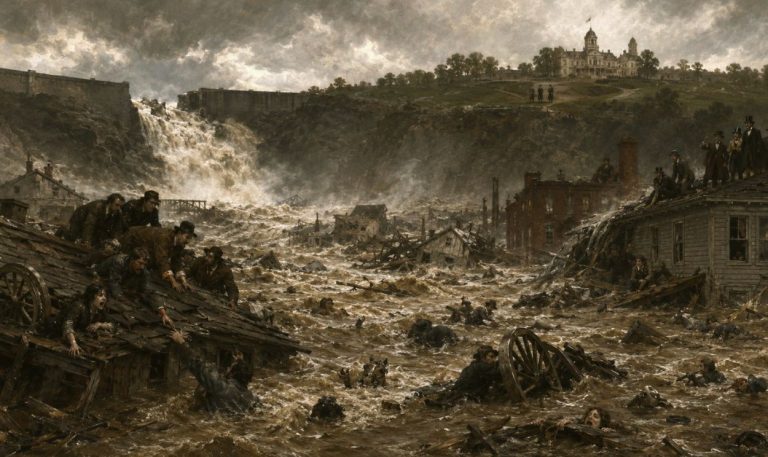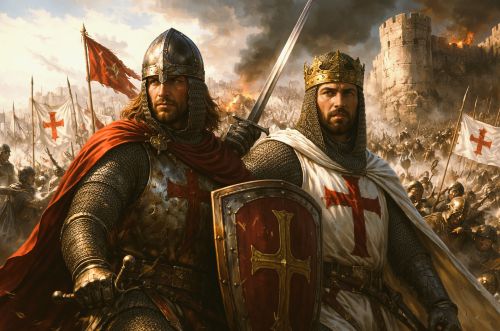
Bohemond and Baldwin reveal how the First Crusade blended genuine religious devotion with calculated ambition, transforming a sacred mission into an opportunity for power and rule.

By Matthew A. McIntosh
Public Historian
Brewminate
Introduction: Rethinking the Motives of the First Crusade
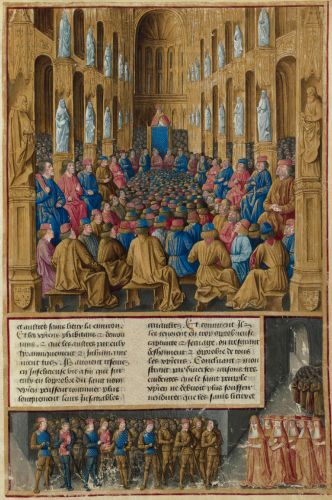
The First Crusade is often seen as a movement driven primarily by religious conviction, an armed pilgrimage undertaken in response to Pope Urban II’s call at the Council of Clermont in 1095. But faith alone does not explain what its leaders did once they arrived. Contemporary sources emphasize penitential language, spiritual reward, and the promise of salvation, presenting the expedition as a collective act of devotion aimed at the liberation of Jerusalem. Chroniclers such as Fulcher of Chartres and Robert the Monk describe participants as motivated by faith, sacrifice, and the desire to reclaim sacred space, reinforcing a narrative in which religious fervor stands at the center of crusading identity.
The First Crusade was driven not only by religious devotion but also by opportunities for land, power, and political authority
Yet this interpretation, while grounded in genuine belief, risks oversimplifying the motivations of those who took the cross. The social and political realities of late eleventh-century Europe complicate any singular explanation. Many crusaders were members of a martial aristocracy accustomed to warfare, competition, and the pursuit of land, operating within a culture that rewarded military success with status and land. In regions shaped by the consolidation of feudal authority, practices such as primogeniture increasingly limited opportunities for younger sons, leaving many ambitious nobles without clear prospects for advancement at home. Endemic violence within Europe, coupled with shifting patterns of lordship and allegiance, fostered circumstances in which outward expansion appeared both desirable and legitimate. The crusade, sanctioned by papal authority and infused with religious meaning, offered a rare convergence of spiritual reward and material possibility. It created conditions where the acquisition of land, wealth, and political influence could be pursued under the banner of a sacred cause, effectively aligning personal ambition with a broader ideological mission.
Recent scholarship emphasizes this complexity, arguing that religious devotion and material ambition were not mutually exclusive but often deeply intertwined. Some historians have demonstrated the sincerity of crusading piety, while others have highlighted the political and opportunistic dimensions of the movement. Rather than viewing the crusade as either a purely spiritual enterprise or a cynical land grab, a more nuanced interpretation recognizes that crusaders operated within a construct that allowed both motives to coexist, sometimes reinforcing one another in practice.
What follows adopts that approach, focusing on the careers of Bohemond of Taranto and Baldwin of Boulogne as case studies. Their actions during the First Crusade reveal how religious rhetoric could serve as both genuine expression and strategic justification for the pursuit of power. By examining their conduct within the broader context of crusading ideology and aristocratic ambition, this study argues that the First Crusade functioned not only as a sacred mission but also as a mechanism through which individual leaders could achieve personal enrichment and establish lasting political authority.
The Social and Political Context of Crusading Opportunity
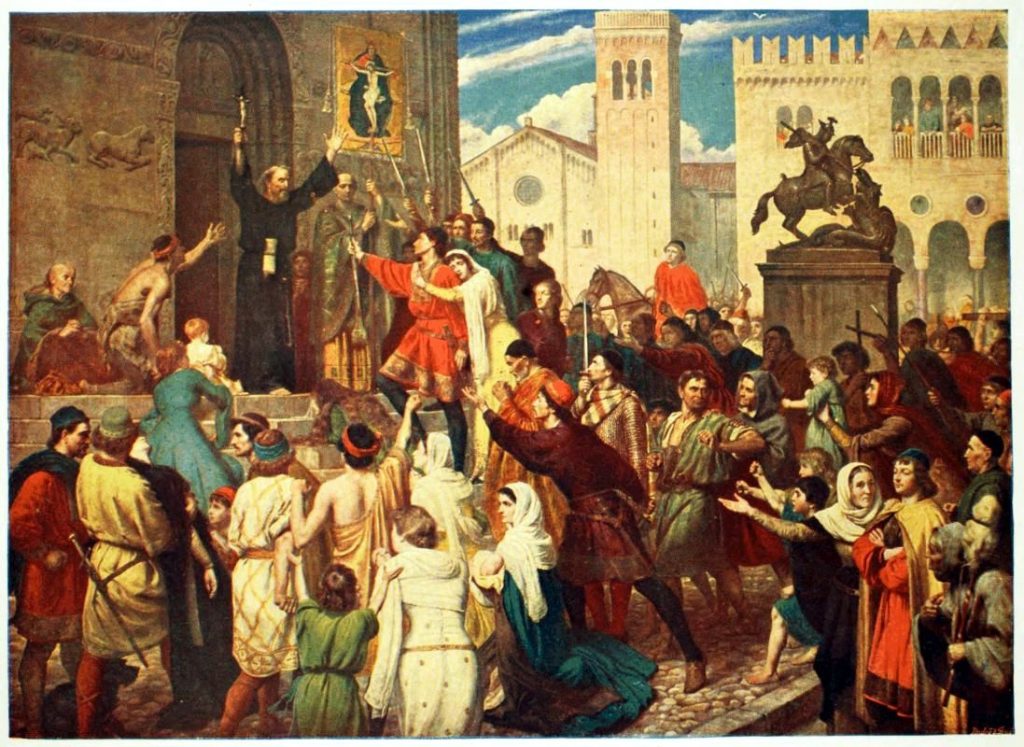
The First Crusade emerged from a landscape shaped by structural changes within Western European society, where political fragmentation and evolving systems of landholding created constraints and opportunities for the aristocratic elite. Authority remained decentralized, with power distributed among regional lords whose fortunes depended on military strength and territorial control. In such an environment, expansion was not merely desirable but often necessary for maintaining status and influence. The crusade, framed as a sacred enterprise, provided a legitimized avenue through which these existing patterns of competition could be extended beyond Europe’s borders.
Central to this context was the growing entrenchment of primogeniture, which increasingly concentrated inheritance in the hands of eldest sons. While not universally practiced in a rigid or uniform manner across all regions of Europe, the broader trend toward consolidating estates significantly limited access to land for younger members of noble families. These disinherited or under-provided nobles were often trained for warfare and accustomed to elite status yet found themselves without the territorial base necessary to sustain independent authority. This created a class of ambitious, militarily capable individuals whose prospects within Europe were constrained not by lack of ability, but by inheritance structures. The resulting tension between expectation and opportunity made external expansion particularly appealing. The crusade offered an alternative arena, one in which military success could translate into landholding, lordship, and long-term authority without directly challenging entrenched familial hierarchies at home. It also allowed such figures to pursue advancement in a socially sanctioned manner, avoiding the internal conflicts that might arise from attempting to displace established heirs within their own regions. Participation in the crusade functioned as both an escape from these constraints and an opportunity to redefine status through conquest.
The culture of the eleventh-century aristocracy was deeply rooted in warfare, honor, and personal advancement. Noble identity was inseparable from martial prowess, and campaigns against external enemies had long served as a means of securing wealth and prestige. The crusade did not introduce new motivations so much as redirect existing ones, channeling the energies of a warrior class toward a conflict imbued with religious significance. Participation allowed nobles to pursue familiar goals within a framework that conferred spiritual legitimacy upon their actions.
The role of the papacy was crucial in shaping this convergence of interests. Pope Urban II’s call to arms transformed what might otherwise have been perceived as opportunistic expansion into a penitential act sanctioned by divine authority. By granting indulgences and framing the expedition as a means of spiritual purification, the papacy effectively fused religious obligation with the practical realities of warfare. This framing did not eliminate material motives but rendered them compatible with, and even subordinate to, a broader sacred narrative. In doing so, the papacy provided a powerful moral language through which acts of conquest could be understood as acts of devotion. The promise of remission of sins, combined with the prestige associated with participation, elevated the crusade beyond conventional warfare and made it attractive to a wide spectrum of the nobility. This fusion of spiritual and temporal incentives helped ensure that the pursuit of land and power could be interpreted not as a contradiction of religious purpose, but as an extension of it.
Conditions in the eastern Mediterranean further enhanced the appeal of crusading opportunity. The weakening of Byzantine control in Anatolia following the Battle of Manzikert and the fragmentation of authority among Muslim polities created a volatile but exploitable frontier. For Western nobles, this region represented both a strategic and a symbolic prize, offering the potential for territorial acquisition in lands associated with biblical history. The relative instability of local power structures made it possible for determined leaders to establish new political entities with comparatively limited initial resources. Unlike in Western Europe, where established hierarchies constrained upward mobility, the eastern Mediterranean presented a fluid environment in which authority could be constructed through military success and political negotiation. The presence of competing powers, shifting alliances, and local rivalries further created openings for intervention, allowing crusader leaders to insert themselves into existing conflicts and emerge with enhanced status. The crusade did not merely open a path to Jerusalem; it opened a landscape of opportunity for those willing to exploit it.
These factors created circumstances in which the First Crusade could function simultaneously as a religious movement and a vehicle for aristocratic advancement. The expedition did not simply attract the devout; it also drew those attuned to the possibilities of expansion, authority, and wealth. Figures such as Bohemond and Baldwin did not stand apart from the broader dynamics of the crusade but instead exemplified how its structural conditions could be leveraged for personal gain.
Bohemond of Taranto: Disinheritance and Strategic Ambition
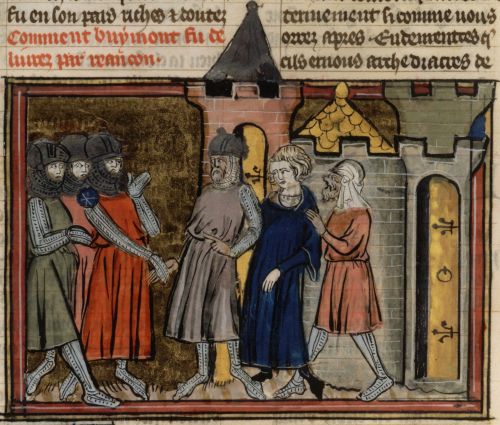
Bohemond of Taranto emerged as one of the most formidable and calculating leaders of the First Crusade, shaped by a background that blended aristocratic expectation with personal displacement. As the son of the Norman ruler Robert Guiscard, Bohemond was raised within a culture defined by conquest, mobility, and opportunism. The Normans of southern Italy and Sicily had, within a few generations, transformed themselves from mercenaries into rulers through a combination of military skill and political adaptability. This environment fostered a worldview in which territorial expansion was not exceptional but normative, and where ambition was both expected and rewarded. Bohemond used the First Crusade to establish independent rule, most notably through his seizure of Antioch.
Despite his lineage, Bohemond’s position within this system was constrained by his disinheritance from the principal holdings of his father. Following Robert Guiscard’s death, the bulk of the family’s power passed to Bohemond’s half-brother, leaving him with limited prospects in comparison to his upbringing and expectations. This disparity between status and opportunity was not merely a personal frustration but a structural condition that shaped his subsequent decisions. For a nobleman trained for command yet deprived of a secure territorial base, the search for alternative avenues of advancement became imperative. In the competitive environment of the Norman world, where prestige was closely tied to demonstrable success in warfare and governance, remaining without land risked both marginalization and the erosion of influence. The First Crusade presented precisely such an opportunity, offering the possibility of acquiring land and authority beyond the confines of established European hierarchies. It also allowed Bohemond to pursue advancement in a context where success could be rapidly translated into legitimacy, especially when framed within the broader ideological language of crusading.
Bohemond’s earlier campaigns against the Byzantine Empire illuminate the strategic mindset he brought to the crusading movement. He had already demonstrated both military competence and a willingness to challenge established powers in pursuit of territorial gain, particularly during the Norman invasions of Byzantine territories in the Balkans. These campaigns exposed him to the complexities of Byzantine military organization, diplomacy, and internal vulnerabilities, providing him with valuable knowledge that would later inform his actions during the crusade. His familiarity with the eastern Mediterranean, combined with his experience in negotiating alliances and exploiting weaknesses, positioned him uniquely among crusader leaders. Unlike many participants who entered unfamiliar terrain, Bohemond possessed both geographic awareness and political insight. Rather than entering the crusade as an inexperienced participant motivated solely by religious conviction, he arrived as a seasoned commander with a clear understanding of the political and military landscape he was about to engage, and with a demonstrated willingness to act decisively when opportunities presented themselves.
His participation in the crusade is best understood within this broader context of calculated ambition. While Bohemond did take the cross and operated within the ideological framework of the crusade, his actions suggest that he viewed the expedition as a path to achieve objectives that extended beyond spiritual fulfillment. The language of pilgrimage and penitence provided a powerful justification for undertaking the journey, but it also masked a pragmatic assessment of opportunity. Bohemond’s involvement reflects the dual nature of crusading motivation, where genuine engagement with religious ideals could coexist with, and even facilitate, the pursuit of personal advancement.
Contemporary and near-contemporary sources frequently portray Bohemond as a figure defined by his ambition and adaptability. Accounts emphasize his charisma, leadership, and strategic acumen, but they also hint at a reputation for opportunism. Byzantine sources, particularly Anna Komnene’s Alexiad, depict him as a formidable and cunning adversary, emphasizing both his physical presence and his political shrewdness. Latin chroniclers, while often more sympathetic, likewise acknowledge his capacity for calculated decision-making and his ability to navigate complex situations to his advantage. His ability to inspire loyalty among followers while simultaneously advancing his own interests speaks to a complex interplay between personal authority and collective enterprise. Rather than rejecting the religious dimensions of the crusade, Bohemond appears to have incorporated them into a broader strategy, using the movement’s legitimacy to support his own political goals and to justify actions that might otherwise have been viewed as purely self-serving.
Bohemond can be understood not as an anomaly within the First Crusade but as a representative figure of its more pragmatic dimensions. His disinheritance did not diminish his ambition; it redirected it toward a context in which traditional constraints no longer applied. The crusade provided both the ideological framework and the material conditions necessary for such a transformation, allowing Bohemond to pursue the establishment of a principality that would secure his position among the leading powers of the eastern Mediterranean. His career exemplifies how the structures of crusading could be harnessed by individuals seeking to convert opportunity into lasting authority.
The Siege of Antioch and the Violation of Oath
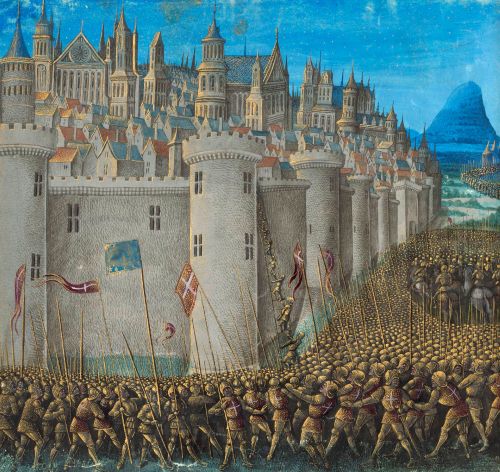
The Siege of Antioch in 1097–1098 stands as one of the most revealing episodes of the First Crusade, not only for its military significance but for what it exposes about competing loyalties among crusader leaders. Antioch was a city of immense strategic and symbolic importance, controlling key routes between Anatolia and Syria and representing a major prize for any force seeking to establish dominance in the region. For the crusaders, its capture was essential to the continuation of their campaign toward Jerusalem. Yet the prolonged and grueling nature of the siege created conditions in which individual ambition could assert itself alongside, and at times in tension with, the collective aims of the expedition.
Before entering Byzantine territory, many crusader leaders, including Bohemond, had sworn oaths to Emperor Alexios I Komnenos, promising to return formerly Byzantine lands in exchange for support and safe passage. These oaths were not merely ceremonial; they reflected a negotiated relationship between the crusading forces and the Byzantine Empire, which had its own strategic interests in the recovery of lost territories. In principle, this arrangement aligned the interests of both parties, ensuring that crusader conquests would contribute to the restoration of Byzantine authority while providing the crusaders with logistical backing and legitimacy. As the siege dragged on and Byzantine assistance became increasingly uncertain or absent in the perception of the crusaders, the binding force of these agreements began to weaken. Reports that Emperor Alexios had turned back rather than advancing to support the besieging forces contributed to a growing sense of abandonment among the crusaders, whether or not such perceptions accurately reflected Byzantine intentions. The hardships of the campaign, including famine, desertion, disease, and internal divisions among the crusading leadership, further strained adherence to previously established commitments. Under such pressures, oaths that had once appeared foundational could be reinterpreted as conditional, their authority dependent on reciprocal action that many crusaders now believed had failed to materialize.
Bohemond’s actions during this period reveal a calculated willingness to reinterpret or disregard these obligations when they conflicted with his personal ambitions. As the siege reached a critical phase, he entered into secret negotiations with an Armenian guard inside the city, securing a means of entry that would allow the crusaders to bypass Antioch’s formidable defenses. Bohemond made his cooperation contingent upon an agreement that he would be granted control of the city once it fell. This condition, accepted by other leaders under the pressure of necessity, effectively positioned him to claim Antioch not as a temporary conquest to be returned to Byzantium, but as a personal possession.
The capture of Antioch in June 1098 did not resolve tensions surrounding its ownership but intensified them. When representatives of Emperor Alexios failed to arrive to assert Byzantine claims, Bohemond used their absence to justify his retention of the city. He argued that the emperor had not fulfilled his obligations and that the crusaders were released from their oaths. This reasoning, while contested by some contemporaries, provided a convenient legal and moral framework through which Bohemond could legitimize his actions. It also reflected a broader shift in how authority and obligation were being interpreted within the crusading movement, where immediate realities increasingly outweighed prior agreements. The establishment of his authority in Antioch marked a decisive moment in which the broader objectives of the crusade were subordinated to the creation of an independent principality. Rather than continuing toward Jerusalem in fulfillment of the expedition’s stated purpose, Bohemond consolidated his control, reorganized governance within the city, and positioned himself as a ruler in his own right. This transition from participant in a collective religious enterprise to sovereign authority shows how the crusade could be transformed into an instrument of personal power.
The episode at Antioch illustrates how the ideological and contractual foundations of the crusade could be reshaped under the pressures of circumstance and ambition. Bohemond did not openly reject the religious purpose of the expedition, but his actions demonstrate a clear prioritization of territorial control and political authority. The violation of his oath to Alexios I Komnenos was not an impulsive act but a strategic decision grounded in opportunity and reinforced by the evolving dynamics of the campaign. The siege of Antioch serves as a critical case study in the interplay between declared ideals and practical outcomes, revealing how the structures of crusading could accommodate, and even enable, the pursuit of personal power.
Establishing the Principality: Power over Pilgrimage
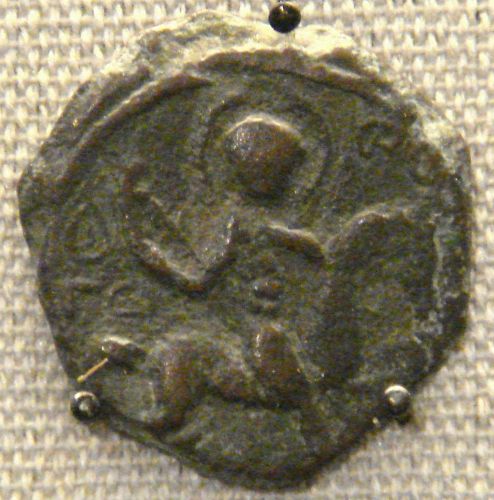
Bohemond’s consolidation of power in Antioch following its capture marked a decisive transition from crusader participant to territorial ruler. Rather than treating the city as a temporary waypoint on the road to Jerusalem, he moved quickly to establish administrative control and secure his authority over its population and defenses. This shift was not incidental but deliberate, reflecting a clear prioritization of long-term political stability over the immediate continuation of the crusading expedition. In doing so, Bohemond effectively redefined the purpose of his involvement, transforming a religiously framed campaign into an opportunity for state formation.
The establishment of the Principality of Antioch required more than mere occupation; it demanded the construction of legitimacy in a contested environment. Bohemond faced the challenge of governing a diverse population composed of Greek Christians, Armenians, Syrians, and other local groups, each with their own traditions and loyalties. He also had to navigate the ongoing tension with the Byzantine Empire, which continued to assert its claim over the city. By presenting himself as both a protector of Christian communities and a capable military leader, Bohemond sought to justify his rule in terms that resonated with both local and western audiences. This process of legitimization demonstrates how political authority in the crusader states was constructed through a combination of force, negotiation, and ideological framing.
Bohemond’s decision to remain in Antioch highlights a broader divergence between individual and collective priorities within the crusade. While other leaders continued toward Jerusalem, driven by the expedition’s stated religious objective, Bohemond invested his resources in consolidating his newly acquired territory. This choice was not without consequence. It reduced his direct participation in the culminating stages of the crusade and underscored the extent to which personal ambition could reshape the trajectory of individual leaders. His absence from the final march did not signal a withdrawal from crusading identity but rather a reorientation of it, in which the fulfillment of personal political objectives took precedence over collective religious goals. The contrast between those who pressed on to Jerusalem and those who remained behind reveals the flexibility of crusading commitment when confronted with tangible opportunities for power. It also illustrates how the movement could fragment into parallel trajectories, each justified within the same ideological framework but leading to different outcomes.
The principality itself quickly became one of the most significant of the crusader states, occupying a strategic position that allowed it to influence regional politics and military campaigns. Its location along key trade and communication routes made it both valuable and vulnerable, requiring constant attention to defense and diplomacy. Bohemond’s rule set a precedent for the integration of western feudal practices into an eastern context, adapting familiar structures of lordship to new conditions. This adaptation was not merely administrative but also cultural, as western elites negotiated their authority within societies that possessed their own established traditions and hierarchies. The principality’s survival depended on a delicate balance between assertion and accommodation, requiring its rulers to engage with local elites while maintaining the military strength necessary to deter external threats. The durability of the principality, despite ongoing external pressures from both Muslim forces and Byzantine claims, attests to the effectiveness of this hybrid approach and to Bohemond’s ability to translate conquest into sustained governance.
In prioritizing the establishment and maintenance of Antioch over the completion of the pilgrimage to Jerusalem, Bohemond exemplified a critical dimension of the First Crusade often obscured by traditional narratives. His actions demonstrate that the crusade could function as a mechanism for the creation of enduring political entities, not merely as a temporary campaign driven by religious fervor. The Principality of Antioch stands as both a product of the crusading movement and a testament to the ways in which its ideological framework could be harnessed to serve the ambitions of individual leaders.
Baldwin of Boulogne: Divergence from the Main Crusade
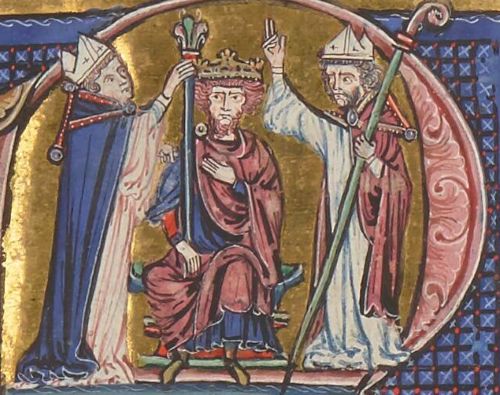
Baldwin of Boulogne, later Baldwin I of Jerusalem, represents a parallel yet distinct expression of ambition within the First Crusade. As the younger brother of Godfrey of Bouillon, Baldwin occupied a position shaped by both proximity to power and the limitations imposed by familial hierarchy. Like many nobles of his generation, he was trained for leadership and warfare, yet his prospects in Europe were constrained by inheritance patterns that privileged senior heirs. His decision to join the crusade must be understood within a context that combined religious motivation with the search for opportunity beyond the boundaries of established authority. Baldwin leveraged the instability of Edessa to secure power, ultimately becoming one of the first rulers of a crusader state.
From the outset, Baldwin demonstrated a willingness to act independently of the main crusading force. While the expedition was nominally unified in its objective of reaching Jerusalem, its structure allowed for significant autonomy among its leaders. Baldwin took advantage of this flexibility, separating from the principal army as it advanced through Anatolia and Syria. This divergence was not simply a matter of circumstance but a calculated decision that positioned him to pursue alternative avenues of advancement in regions less directly controlled by the core leadership of the crusade.
His movement toward Edessa marked a turning point in his career and highlights the strategic awareness that underpinned his actions. Edessa, located on the frontier between Byzantine and Muslim spheres of influence, was characterized by political instability and competing local interests. Rather than remaining within the collective framework of the crusade, Baldwin inserted himself into this environment, recognizing the potential to establish authority in a region where power was fluid and negotiable. The city’s strategic position along key trade routes and its role as a buffer between competing powers made it particularly attractive to an ambitious leader seeking both security and influence. Baldwin’s arrival was not framed as conquest in the immediate sense but as intervention within an existing political structure, allowing him to present himself as both an ally and a stabilizing force. This approach reflects a calculated understanding of how authority could be acquired not only through military dominance but also through the manipulation of local dynamics and the cultivation of legitimacy.
Baldwin’s relationship with the Armenian ruler Thoros illustrates the complexity of this process. Through a combination of diplomacy and calculated positioning, Baldwin secured his adoption as Thoros’s heir, effectively placing himself within the line of succession. This maneuver allowed him to legitimize his presence and authority without the immediate use of overt force. Yet the arrangement was inherently unstable, reflecting both Baldwin’s outsider status and the tensions within Edessa’s political landscape. The subsequent assassination of Thoros, whether directly orchestrated by Baldwin or facilitated by the conditions he helped create, resulted in his assumption of power as Count of Edessa.
The establishment of the County of Edessa represents one of the earliest and clearest examples of a crusader state formed through individual initiative rather than collective conquest. Baldwin’s actions demonstrate how the structures of the crusade could be adapted to serve personal ambitions, with religious identity providing a space that legitimized intervention and rule. Unlike the march toward Jerusalem, which was framed as the culmination of a shared spiritual journey, Baldwin’s trajectory was defined by the pursuit of territorial authority in a region that offered immediate and tangible rewards. The consolidation of his rule in Edessa required not only military strength but also political negotiation, as he navigated relationships with local elites and neighboring powers. In doing so, Baldwin established patterns of governance that would influence subsequent crusader states, blending western models of lordship with the realities of ruling in a diverse and contested environment. His success in Edessa demonstrates how the opportunities created by the crusade could be seized and transformed into durable structures of authority.
In diverging from the main crusading force, Baldwin did not abandon the ideological language of the crusade but rather reinterpreted it in a manner that aligned with his objectives. His career underscores the extent to which the First Crusade functioned as a flexible enterprise, capable of accommodating a range of motivations and outcomes. The creation of Edessa, like Bohemond’s establishment of Antioch, reveals how the movement’s religious framework could coexist with, and even facilitate, the pursuit of power, setting a precedent for the development of crusader states throughout the eastern Mediterranean.
Edessa and Political Opportunism
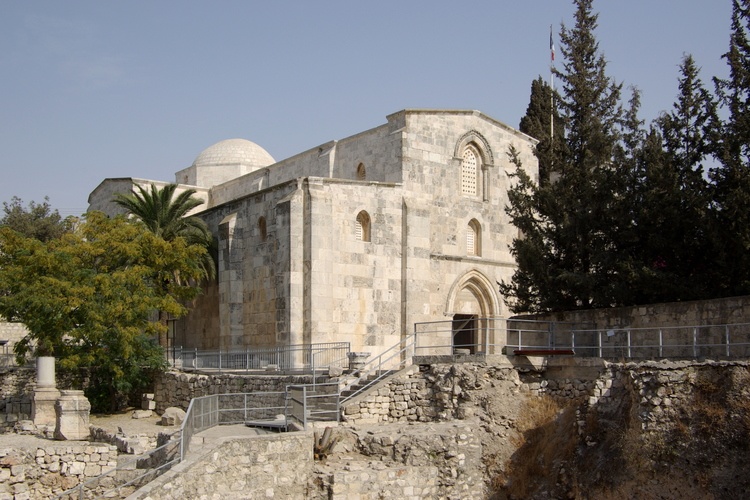
The consolidation of Baldwin’s authority in Edessa provides a clear illustration of how the First Crusade created opportunities for individual political advancement beyond its stated religious objectives. Unlike the collective military campaigns that defined much of the expedition, Baldwin’s actions in Edessa unfolded within a localized and highly fluid political environment. The city itself, situated on the frontier of competing powers, was marked by internal divisions and external pressures that made it particularly vulnerable to intervention. Baldwin’s rise was not the result of overwhelming force alone, but of a calculated ability to navigate and exploit instability.
Central to this process was Baldwin’s manipulation of legitimacy through his relationship with Thoros. By securing adoption as the Armenian ruler’s heir, Baldwin inserted himself into the existing framework of authority, transforming his position from outsider to designated successor. This maneuver allowed him to bypass the immediate need for conquest while establishing a claim that could be presented as lawful within the local political order. It also enabled Baldwin to cultivate support among factions within the city who may have viewed alignment with a powerful western military leader as advantageous in the face of ongoing regional threats. Yet this legitimacy was precarious, dependent on both the acceptance of local elites and the continued presence of Thoros himself. The tension between formal recognition and underlying resistance created conditions in which a transition of power could be rapidly engineered. Baldwin’s position was both empowered by and contingent upon instability, requiring careful navigation of alliances and perceptions to maintain his claim.
The events leading to Thoros’s death underscore the opportunistic nature of Baldwin’s ascent. Whether through direct orchestration or indirect encouragement, the removal of Thoros eliminated the primary obstacle to Baldwin’s control. The speed with which Baldwin assumed power following the assassination suggests not only preparedness but intent, indicating that the situation had been anticipated and, to some extent, cultivated. This episode reveals a willingness to engage in political violence when it served strategic ends, even within a movement ostensibly grounded in religious purpose. The use of such methods highlights the extent to which pragmatic considerations could override ideological constraints.
Once established as Count of Edessa, Baldwin moved to consolidate his authority through both military and administrative means. He strengthened the city’s defenses, secured alliances, and integrated his rule into the broader dynamics of the region. His governance required balancing the expectations of his western followers with the realities of ruling a predominantly eastern Christian population. This necessitated a degree of adaptability, as Baldwin navigated cultural, religious, and political differences to maintain stability. The resulting structure of authority reflected a hybrid model, combining elements of western feudal practice with local traditions and institutions.
The case of Edessa illustrates how the First Crusade could function as a catalyst for the creation of new political entities driven by individual ambition. Baldwin’s actions demonstrate that the crusading movement provided not only a framework for religious expression but also a context in which opportunistic leaders could secure and legitimize power. His success was not merely the product of circumstance but of strategic engagement with the conditions he encountered, allowing him to transform a precarious position into a durable political foundation. The establishment of Edessa was not an incidental byproduct of the crusade but a direct consequence of its structural flexibility, revealing how its ideological foundations could be adapted to support the pursuit of personal enrichment and territorial control.
From Count to King: Baldwin’s Expansion of Authority
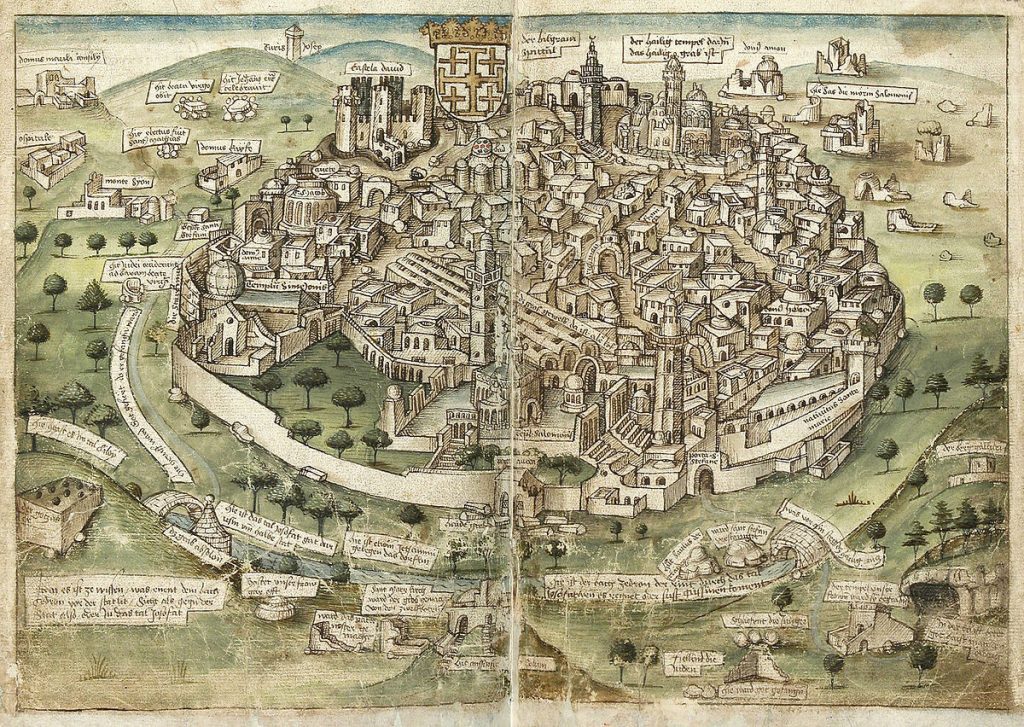
Baldwin’s transition from Count of Edessa to King of Jerusalem represents a critical moment in the evolution of crusader leadership, illustrating how individual ambition could extend beyond regional authority to encompass broader claims of sovereignty. Following the death of his brother, Godfrey of Bouillon, in 1100, the political situation in Jerusalem created an opening that Baldwin was uniquely positioned to exploit. His prior experience in Edessa had demonstrated his capacity for governance and military command, while his familial connection to Godfrey provided a basis for legitimacy among the crusader elite. Rather than remaining in Edessa, Baldwin moved decisively to assert his claim to the leadership of Jerusalem, signaling both confidence and strategic awareness.
The circumstances of Baldwin’s accession reveal the fluidity of authority within the early crusader states. Godfrey had ruled Jerusalem under the title of Advocatus Sancti Sepulchri, deliberately avoiding the designation of king in deference to the city’s religious significance. Baldwin adopted the royal title upon his arrival, marking a shift in how authority in the crusader states was conceptualized and exercised. This decision was not merely symbolic; it reflected an understanding that stable governance required clear structures of power and recognition. By presenting himself as king, Baldwin reinforced the legitimacy of his rule while establishing a precedent for monarchical authority in Jerusalem. His coronation also signaled a transition from a loosely defined leadership rooted in pilgrimage to a more formalized political order grounded in sovereignty. In asserting kingship, Baldwin effectively redefined the nature of crusader rule, aligning it more closely with the models of authority familiar to western Europe while adapting them to the unique conditions of the Levant. This shift would have lasting implications for the development of the Kingdom of Jerusalem and for the broader trajectory of crusader governance.
Baldwin’s reign was characterized by a pragmatic approach to consolidation and expansion, shaped by both internal challenges and external threats. The Kingdom of Jerusalem faced persistent pressure from surrounding Muslim powers, as well as the need to secure and defend newly acquired territories. Baldwin responded by organizing military campaigns aimed at strengthening the kingdom’s position, including efforts to control key cities and fortifications that would enhance its defensive capabilities. His leadership required not only battlefield competence but also the ability to coordinate diverse forces and maintain cohesion among the crusader nobility.
Baldwin demonstrated a capacity for political adaptation that reflected the realities of ruling in a complex and contested environment. He engaged in diplomacy with neighboring powers, negotiated alliances, and worked to integrate different populations within his domain. The kingdom he governed was not a homogeneous entity but a mosaic of cultures, religions, and interests, requiring a flexible approach to administration. Baldwin’s willingness to adopt practices suited to these conditions underscores the extent to which crusader rulers had to balance inherited traditions with the demands of their new context. This adaptability extended to his interactions with both eastern Christian communities and Muslim neighbors, where pragmatic considerations often guided decision-making more than rigid ideological boundaries. By cultivating relationships that could enhance stability and security, Baldwin demonstrated an awareness that effective rule depended as much on negotiation as on force. His governance reflects a broader pattern in which the survival of the crusader states required continual adjustment to shifting political realities.
Baldwin’s rise from count to king encapsulates the broader trajectory of the First Crusade as a movement that facilitated the transformation of individual ambition into institutional authority. His career demonstrates how the opportunities created by the crusade could be extended and consolidated over time, resulting in the establishment of enduring political structures. While religious ideology remained an important component of legitimacy, Baldwin’s actions reveal a consistent emphasis on power, stability, and expansion, reinforcing the argument that the crusade functioned as both a sacred enterprise and a mechanism for personal and dynastic advancement.
Religion as Justification: Ideology and Instrument
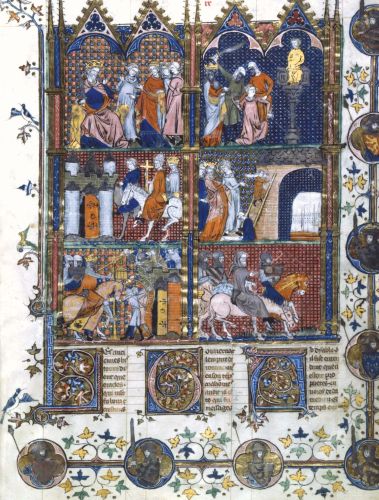
Religion was the central language through which the First Crusade was conceived, justified, and understood by contemporaries. The call issued by Pope Urban II framed the expedition as both a penitential act and a divinely sanctioned mission, promising spiritual rewards in exchange for participation. This ideological foundation was not merely rhetorical but deeply embedded in the consciousness of those who took the cross. The language of remission of sins, pilgrimage, and sacred duty shaped how the crusade was perceived, creating a moral framework that endowed military action with transcendent significance.
This religious framework proved remarkably adaptable, capable of accommodating a wide range of motivations and outcomes. The very flexibility that made the crusade appealing to diverse participants also allowed its ideology to be interpreted in ways that aligned with individual ambitions. Acts of conquest, territorial acquisition, and political consolidation could be understood not as deviations from the crusading ideal but as expressions of it, particularly when framed as contributing to the defense or expansion of Christian authority. Religion did not merely inspire action; it provided a lens through which that action could be justified and legitimized.
The use of religious rhetoric by crusader leaders illustrates how ideology could function as both belief and instrument. Figures such as Bohemond and Baldwin operated within a discourse that emphasized divine favor and sacred purpose, even as their actions revealed a consistent pursuit of power. This duality does not necessarily imply insincerity; rather, it reflects the extent to which religious and political objectives were intertwined. Leaders could genuinely see their personal advancement as compatible with, or even integral to, the fulfillment of a divinely ordained mission. The invocation of religious language provided a powerful means of shaping perception among followers and contemporaries, reinforcing authority and discouraging dissent. By framing their actions within the accepted ideological structure of the crusade, leaders could legitimize decisions that might otherwise have appeared self-serving, embedding personal ambition within a narrative of collective religious purpose. This dynamic highlights the capacity of ideology not only to motivate behavior but also to structure its interpretation.
Primary sources from the period reinforce this complexity. Chroniclers such as Fulcher of Chartres and Raymond of Aguilers depict events through a framework that emphasizes divine intervention and providential outcomes. Victories are attributed to God’s will, while setbacks are often interpreted as tests of faith or consequences of moral failing. This mode of interpretation shaped not only how events were recorded but also how they were understood by participants. The pervasive presence of religious explanation in these accounts demonstrates the extent to which ideology structured perception, making it difficult to disentangle belief from action.
Yet the same sources also reveal moments where pragmatic considerations come to the forefront, suggesting an underlying tension between ideal and practice. Decisions regarding alliances, leadership, and the distribution of conquered territories often reflect calculations that extend beyond purely spiritual concerns. The willingness of leaders to negotiate, compromise, or even violate prior commitments indicates that the demands of circumstance could reshape the application of ideological principles. Instances such as the retention of Antioch by Bohemond or the seizure of Edessa by Baldwin illustrate how actions justified within a religious framework could simultaneously serve personal and political ends. These examples do not negate the presence of genuine belief but rather demonstrate how that belief operated within a broader field of competing priorities. The interplay between conviction and calculation reveals a pattern in which ideology both guided and adapted to the realities of power, allowing crusader leaders to navigate the complex demands of their environment.
Understanding religion as both justification and instrument allows for a more nuanced interpretation of the First Crusade. It acknowledges the sincerity of belief without overlooking the ways in which that belief could be mobilized to support other objectives. In the cases of Bohemond and Baldwin, religious ideology provided a powerful framework that legitimized their actions while enabling the pursuit of authority and wealth. The crusade must be understood not simply as a manifestation of faith, but as a complex enterprise in which ideology and ambition were deeply and inseparably connected.
Historiographical Debate: Piety vs. Pragmatism
The interpretation of crusader motivation has long occupied a central place in the historiography of the First Crusade, producing a sustained debate between scholars who emphasize religious devotion and those who highlight material and political incentives. Earlier generations of historians, particularly in the nineteenth and early twentieth centuries, often framed the crusades within a broader narrative of religious enthusiasm or civilizational conflict, sometimes minimizing the complexity of individual motives. These interpretations were frequently shaped by the intellectual and cultural contexts in which they were produced, including Romanticism, imperial ideology, and confessional perspectives that influenced how medieval religious warfare was understood. In contrast, more recent scholarship has sought to move beyond such binary frameworks, interrogating the interplay between belief and behavior through closer analysis of both primary sources and social context. By situating the crusade within the lived realities of eleventh-century Europe, historians have increasingly emphasized the need to account for multiple, overlapping motivations rather than privileging a single explanatory model.
Drawing on charters, letters, and other documentary evidence, historians argue that many participants were genuinely motivated by religious conviction, undertaking the crusade as an act of penitence and devotion. Many emphasize the financial cost and personal risk involved, suggesting that such sacrifices are difficult to explain purely in terms of material gain. His interpretation has reshaped the field by restoring attention to the spiritual dimensions of crusading and challenging earlier assumptions that framed the movement primarily as an expression of opportunism.
Historians have advanced a more critical perspective, stressing the diversity of motivations and the importance of political and social factors. They do not deny the presence of genuine belief but argue that crusading must be understood within the broader context of aristocratic culture, where warfare, ambition, and the pursuit of status were deeply ingrained. From this perspective, the crusade offered a framework that legitimized existing patterns of behavior rather than fundamentally transforming them. The actions of figures like Bohemond and Baldwin, who pursued territorial control and political authority, are often cited as evidence of how material considerations could shape outcomes in ways that diverged from purely religious objectives.
Contemporary scholars have sought to bridge these positions, advocating for a more integrated approach that recognizes the coexistence of piety and pragmatism. Rather than treating these motives as mutually exclusive, this perspective emphasizes their interaction, suggesting that religious belief and personal ambition could reinforce one another in practice. The crusade’s ideological framework allowed participants to interpret their actions in ways that aligned with both spiritual and material goals, creating a dynamic in which the pursuit of power could be understood as compatible with, or even supportive of, religious purpose. This approach reflects a broader shift in historical methodology toward complexity and contextualization, moving away from reductive explanations and toward a recognition of the layered nature of human motivation. By examining how ideology functioned in practice, rather than in isolation, scholars have been able to better account for the varied experiences and outcomes associated with the crusading movement.
The historiographical debate reflects not only differing interpretations of the past but also evolving methodologies within the study of medieval history. By moving beyond reductive explanations, recent scholarship has highlighted the complexity of human motivation and the need to consider multiple levels of analysis. The careers of Bohemond and Baldwin exemplify this complexity, illustrating how individuals could operate simultaneously within the realms of faith and ambition. Their actions underscore the limitations of any single explanatory model and reinforce the importance of a nuanced approach to understanding the First Crusade.
Conclusion: Ambition within a Sacred Framework
The First Crusade succeeded not only as a religious movement but as a pathway to political power for its leading figures. It has often been remembered as a defining moment of medieval religious devotion, yet a closer examination reveals a far more complex reality. While genuine piety undeniably animated many participants, the movement also operated within a social and political environment that encouraged the pursuit of land, status, and authority. The ideological framework of the crusade did not exclude such ambitions; rather, it provided a structure through which they could be expressed and legitimized. The crusade functioned as both a spiritual enterprise and a mechanism for worldly advancement.
The careers of Bohemond of Taranto and Baldwin of Boulogne illustrate this duality with particular clarity. Bohemond’s calculated seizure of Antioch and establishment of an independent principality demonstrate how the obligations of the crusade could be subordinated to personal rule. Similarly, Baldwin’s opportunistic rise in Edessa and eventual ascension to the throne of Jerusalem reveal a consistent pattern in which religious participation facilitated the acquisition of power. These cases do not negate the presence of faith but instead show how belief and ambition could operate simultaneously, each reinforcing the other within the broader context of crusading activity.
What emerges from this analysis is not a rejection of traditional interpretations but a refinement of them. The dichotomy between piety and pragmatism, often presented as mutually exclusive, obscures the ways in which these motivations intersected in practice. Crusaders did not need to choose between spiritual and material goals; the structure of the movement allowed for both to be pursued concurrently. The language of devotion provided moral justification, while the conditions of the expedition created opportunities for political and economic gain. Understanding this interplay is essential to capturing the full complexity of the First Crusade.
Ultimately, the crusade must be understood as a convergence of ideals and interests, where sacred purpose and personal ambition were deeply intertwined. The actions of its leaders demonstrate that religious ideology could serve not only as a source of inspiration but also as a powerful instrument of legitimization. By examining figures such as Bohemond and Baldwin within this framework, it becomes clear that the First Crusade was not solely a story of faith or opportunism, but of how the two could coexist within a single, transformative historical moment.
Bibliography
- Anna Komnene. The Alexiad. Translated by E. R. A. Sewter. Revised by Peter Frankopan. London: Penguin Books, 2009.
- Asbridge, Thomas. The Creation of the Principality of Antioch, 1098–1130. Woodbridge: Boydell Press, 2000.
- —-. The First Crusade: A New History. Oxford: Oxford University Press, 2004.
- Barber, Malcolm. The Crusader States. New Haven: Yale University Press, 2012.
- Bartlett, Robert. The Making of Europe: Conquest, Colonization and Cultural Change, 950-1350. Princeton: Princeton University Press, 1993.
- Bull, Marcus. “The Roots of Lay Enthusiasm for the First Crusade.” History 78:254 (1993), 353-372.
- Erdmann, Carl. The Origin of the Idea of Crusade. Translated by Marshall W. Baldwin and Walter Goffart. Princeton: Princeton University Press, 1977.
- France, John. Victory in the East: A Military History of the First Crusade. Cambridge: Cambridge University Press, 1994.
- Fulcher of Chartres. A History of the Expedition to Jerusalem, 1095–1127. Translated by Frances Rita Ryan. Edited by Harold S. Fink. Knoxville: University of Tennessee Press, 1969.
- Kjær, Lars. “Conquests, Family Traditions and the First Crusade.” Journal of Medieval History 45:5 (2019), 553-579.
- Malaterra, Geoffrey. The Deeds of Count Roger of Calabria and Sicily and of His Brother Duke Robert Guiscard. Translated by Kenneth Baxter Wolf. Ann Arbor: University of Michigan Press, 2005.
- Matthew of Edessa. Armenia and the Crusades, Tenth to Twelfth Centuries: The Chronicle of Matthew of Edessa. Translated by Ara Edmond Dostourian. Lanham, MD: University Press of America, 1993.
- Porteus, John. “The Early Coinage of the Counts of Edessa.” The Numismatic Chronicle 15 (1975), 169-182.
- Raymond of Aguilers. Historia Francorum qui ceperunt Iherusalem. In The First Crusade: The Accounts of Eyewitnesses and Participants, translated by August C. Krey. Princeton: Princeton University Press, 1921.
- Riley-Smith, Jonathan. The First Crusade and the Idea of Crusading. Philadelphia: University of Pennsylvania Press, 1972.
- —-. The First Crusaders, 1095–1131. Cambridge: Cambridge University Press, 1997.
- —-. “The Motives of the Earliest Crusaders and the Settlement of Latin Palestine, 1095-1100.” The English Historical Review 98:389 (1983), 721-736.
- Robert the Monk. Historia Iherosolimitana. In The First Crusade: The Accounts of Eyewitnesses and Participants, translated by August C. Krey. Princeton: Princeton University Press, 1921.
- Runciman, Steven. A History of the Crusades, Vol. 1: The First Crusade and the Foundation of the Kingdom of Jerusalem. Cambridge: Cambridge University Press, 1945.
- Tyerman, Christopher. God’s War: A New History of the Crusades. Cambridge, MA: Belknap Press of Harvard University Press, 2006.
Originally published by Brewminate, 03.26.2026, under the terms of a Creative Commons Attribution-NonCommercial-NoDerivatives 4.0 International license.
About the Author