From the years before the Civil War onward, composers put baseball to music. Historic sheet music from the Library of Congress traces the game through songs about its teams, players, and fans.
Baseball and music have a basic affinity, as any fan knows. It is the only game, other than horseshoes, which punctuates every play with its own percussion section. Indeed, every pitch ends either with the satisfying pop of the catcher’s mitt or the tension-creating crack of the bat.
David Broder, Pulitzer Prize-winning journalist and loyal Cubs fan, 1991
Before the Pros
Competing Polkas
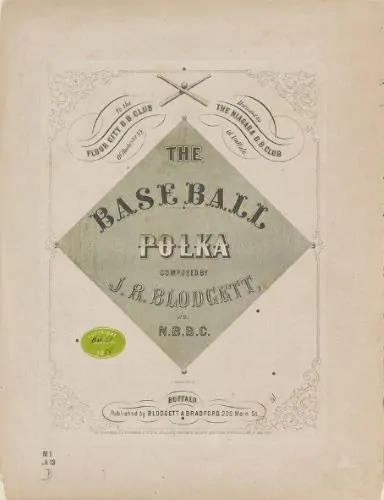
The city of Rochester, New York, was baseball-mad in the early nineteenth century, boasting hundreds of local teams, each with a spirited fan base. In September 1858, the first inter-city game was held between the Buffalo Niagaras and Rochester’s own Flour City team. Thousands turned out. The victorious Buffalo team hosted the post-game celebration where Buffalo’s J. R. Blodgett presented the Flour City team with a copy of his “Baseball Polka,”dedicated to the Rochester team. This work holds the distinction of being the first original published baseball song.
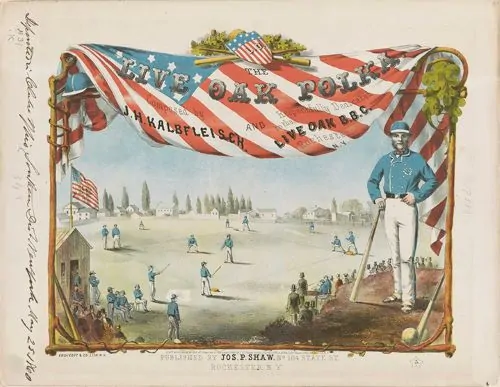
The 1860 “Live Oak Polka” is one of five baseball-related color sheet music lithographs dating from the mid-nineteenth century. Its cover features one of the most beautiful and historically significant baseball displays of the pre-Civil War era. Backers of the Live Oak team commissioned music professor J. H. Kalbfleisch to compose and dedicate the song to the Rochester club, likely as an answering salvo to the mounting one-upmanship on the baseball field between their city and Buffalo, where Blodgett’s “Baseball Polka” had been published two years earlier.
Early Baseball Classics
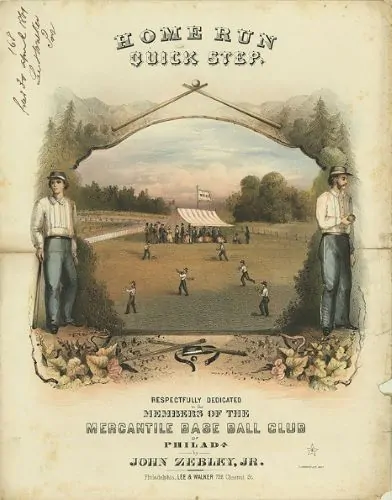
The Mercantile Base Ball Club of Philadelphia was established in 1859. One of the team’s founding members was John Zebley, a salesman in a hosiery and glove store on Chestnut Street. Zebley’s outstanding composition, the “Home Run Quick Step,” has been described musically as the most original and haunting of the early baseball classics.
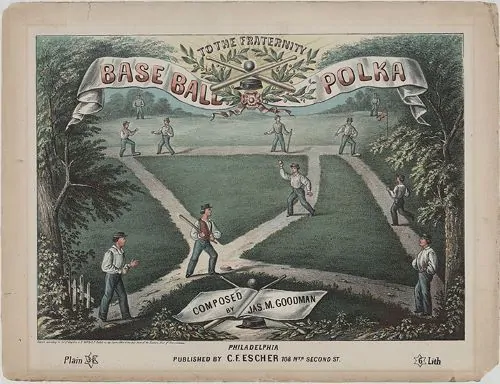
Not long afterwards, also in Philadelphia, “Baseball Polka,” by Jas. M. Goodman was published. This extremely rare imprint is one of the premier nineteenth-century baseball display pieces by virtue of its extraordinary full-color lithographic cover, picturing a game in progress.
Precursors to Major League Baseball
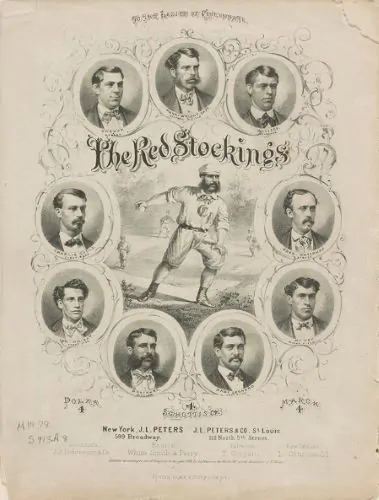
Baseball player Harry Wright (1835–1895), one of baseball’s Wright brothers, began his strategic team building plan for the Cincinnati Red Stockings in 1867. Two years later, after recruiting his brother George Wright (1847–1937), who had hit .629 and 49 home runs the previous season, and Brooklyn pitching ace Asa Brainard, his 1869 team was unbeatable. They posted the only perfect season in professional baseball history. That same year they became the first official “professional” team with full-salaried starting players.
“Champions of America”
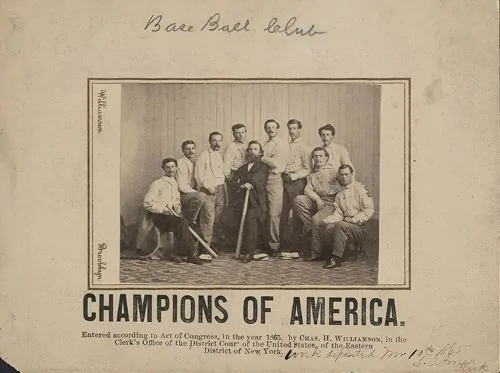
Established in 1855, the Brooklyn Atlantics dominated New York baseball for more than a decade. Their greatest moment happened in Brooklyn on June 14, 1870, when, before a crowd of 20,000, they ended the Red Stockings’ 2-year winning streak in what at the time was called the finest game ever played. The “Champions of America” was reproduced from what is considered the earliest extant dated collectible baseball “card.” The Atlantics were predecessors of the Brooklyn Dodgers, now the Los Angeles Dodgers.
Baseball in Washington, D.C.
The National Base Ball Club
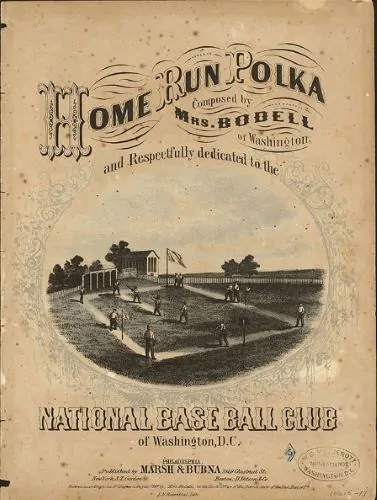
Baseball fever officially hit Washington in 1859. As the nation stood on the brink of civil war, a small group of federal workers founded the Washington Base Ball Club and its team the Washington Nationals. Initially, they honed their skills by competing with local teams. After the war, they faced more formidable rivals from New York and Philadelphia. By the 1867 season, after luring a few of baseball’s greatest talents onto the team, they launched a twenty-day, ten-stop “grand western tour” that was covered by baseball journalist Henry Chadwick. In the heat of that summer, the Nat’s bats were on fire as they went on to win nine out of ten matchups, outscoring their opponents 735 to 146. Only the Forest City team from Rockford, Illinois, led by seventeen-year old ace pitcher Albert Goodwill Spalding, claimed the lone victory. The cover illustration depicts a loose interpretation of the Massachusetts Game rules for laying out the grounds: a square field and stakes for bases.
“Win” Mercer
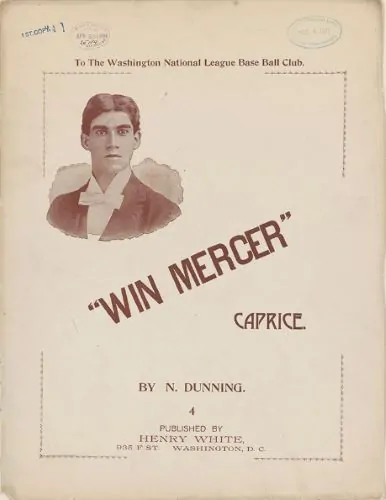
George Barclay “Win” Mercer (1874–1903) was a star pitcher for the Senators from 1894–1899. Known for his good looks, he was a fan favorite, especially with the women. Capitalizing on that popularity, the coach chose to pitch Mercer on Tuesdays and Fridays, which were designated “Ladies Days.”
1924 World Series
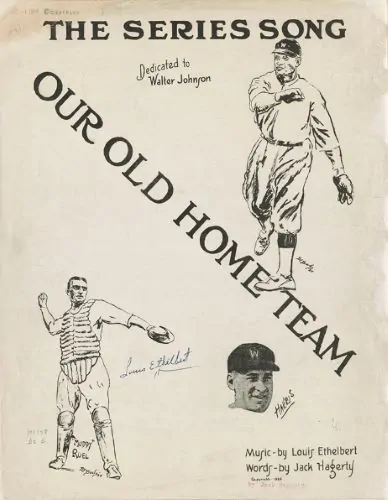
“Our Old Home Team,” composed in 1924 to celebrate Washington’s World Series champions, was dedicated to pitching ace Walter “Big Train” Johnson (1887–1946) whose sizzling fastball may have topped 100 mph. Johnson was one of the first five players ever inducted into the Baseball Hall of Fame, along with Babe Ruth (1895–1948), Ty Cobb (1886–1961), Honus Wagner (1874–1955), and Christy Mathewson (1880–1925).
“The Big Train”
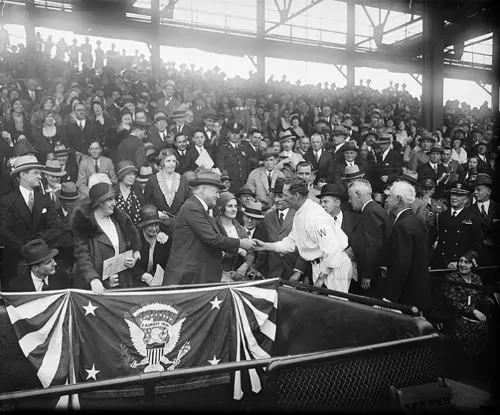
Shown here, baseball fans President Herbert Hoover and his wife Lou are photographed shaking hands with Walter Johnson at a baseball game in 1931. After playing his full twenty-year pitching career with the Washington Senators, Johnson became a manager in the International League. He then returned to Washington, where he served as the Senators’ manager from 1928–1932, and returned again in 1939 as their broadcaster.
A Panoramic View
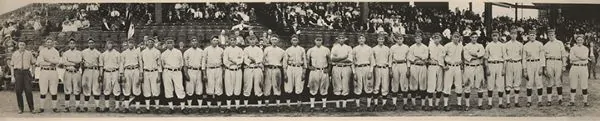
1913 was a very good year for the Washington team with a 94–60 second place standing. Their nucleus was pitcher Walter Johnson (pictured third from the right), who won each category of the pitching grand slam—games won, earned run average, strikeouts, and shutouts. He was voted league Most Valuable Player, in perhaps his best season. This team photograph was made with a Cirkut camera, which rotates on a special tripod while exposing a narrow slit of film. This makes it possible for someone to appear in the picture twice, as player Germany Schaefer proved by posing on one end and running to the other end in time to be photographed there as well.
“Hail to the Senators”
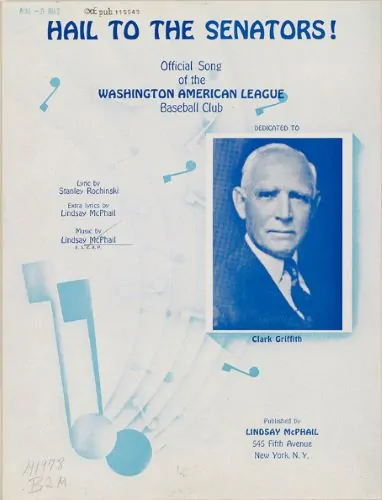
The Washington Senators failed to rise in the standings between 1934 and 1954 with two exceptions—they were pennant contenders in both 1943 and 1945. “Hail to the Senators” was composed for the 1943 pennant race.
The Music Man of Washington
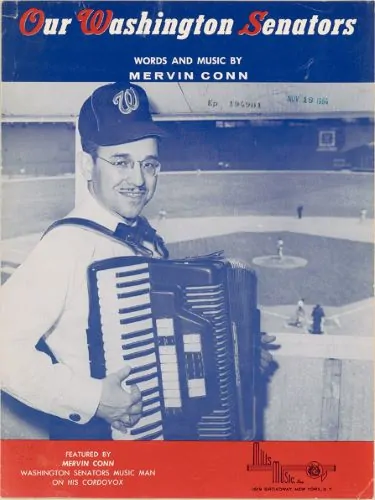
Accordionist Mervin Conn served as the official music man of the Washington Senator’s team from 1964 to 1969. He composed this song during his first season. Conn came with his accordion to the “opening day” of the Library’s 1991 exhibition Take Me Out to the Ball Game: A Celebration of Baseball in Song. He played his Senators song, as well as his own arrangement of “Take Me Out to the Ball Game.” One observer noted that there was “absolute happiness on that man’s face” as he played at the Library of Congress.
The Teams
The Temple Cup
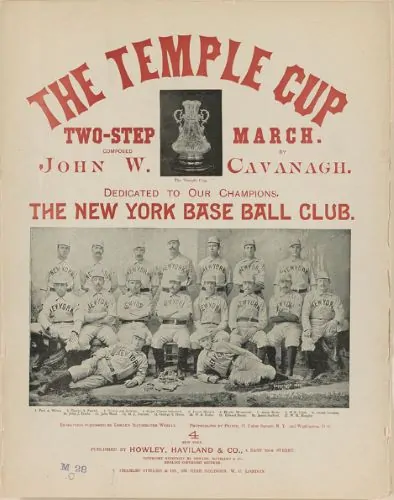
Created by Pittsburgh Pirates president William Chase Temple during the years when the National League was the only professional baseball league, the Temple Cup series attempted to capture some of the post-season excitement generated by previous World Series matchups. The Temple Cup trophy was awarded to the winner of a best of seven, post-season series between the first and second place teams. The 1894 Temple Cup series featured the pennant-winning Baltimore Orioles and second place New York Giants who swept the birds, earning them the Cup and this musical tribute.
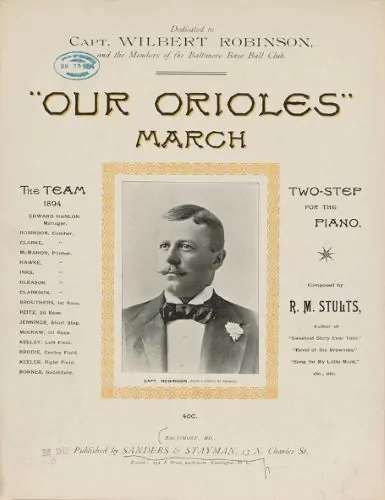
The Baltimore Orioles received their own team anthem, “Our Orioles March,” despite their loss to the New York Giants in the Temple Cup. It was, in fact, the second place teams that won three of the four series titles from 1894 to 1897, results that seemed to undermine the regular season’s outcome and created an aura of artificiality to the post-season event. By 1897, the series folded due to lack of interest. Temple’s family later sold the trophy to the National Baseball Hall of Fame and Museum, where it remains today.
Chicago: A Tale of One City
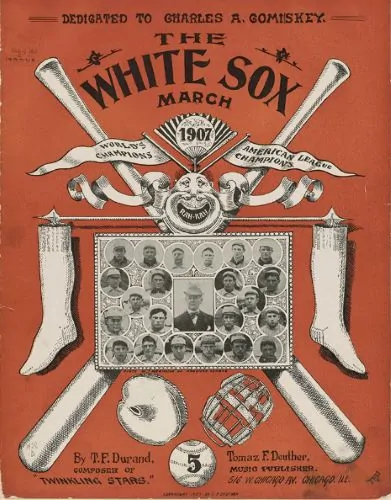
“The White Sox March” commemorates one of the greatest upsets in World Series history, featuring a powerful Chicago Cubs team and the Chicago White Sox. The White Sox, known as the “Hitless Wonders” after finishing the 1906 season with the worst team batting average (.230) in the American League, defeated the Cubs in six games—earning them the nickname “The Hitting Wonders.”
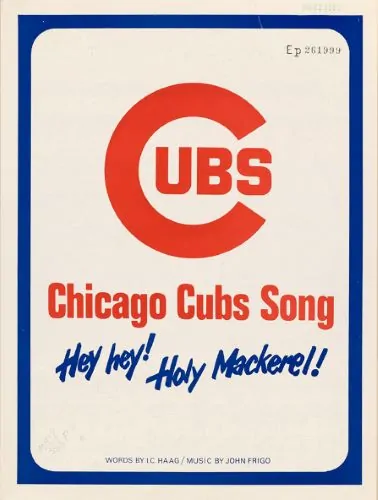
Six decades later, the 1969 Chicago Cubs held on to first place most of the season, inspiring this hopeful song by jazz violinist, bassist, and composer Johnny Frigo. The lyrics invoke the legendary WGN broadcaster Jack Brickhouse, whose “Hey, Hey!” punctuated every Cubs home run. After a spectacular crash in mid-September, the Cubs lost the National League championship to the New York Mets, who went on to win the World Series, beating the Baltimore Orioles. That year the ill-fated Cubs were dubbed “the most celebrated second-place team in the history of baseball.”
You Win Some, You Lose Some
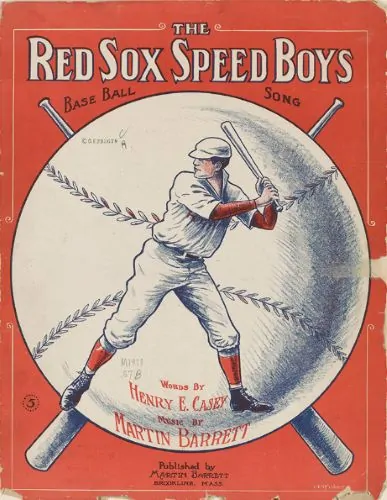
“The Red Sox Speed Boys” celebrated in song the 1912 World Series championship team’s triumph over the New York Giants. That year marked Fenway Park’s inaugural season, and it was an exceptional one. The Red Sox won 105 regular season games, including the first major league game ever played at the park where they beat the New York Highlanders (who became the New York Yankees the following year) 7–6, in 11 innings.
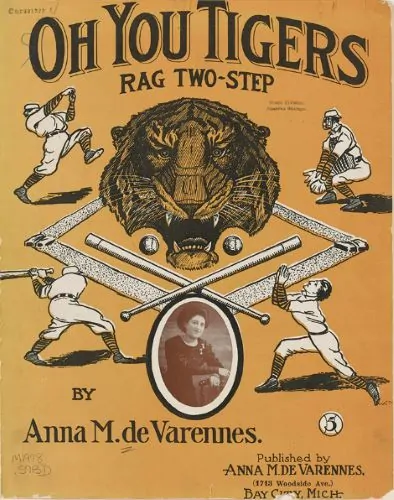
In 1909, the Detroit Tigers won their third consecutive American League pennant, thanks in part to the legendary bat of Ty Cobb. It was the Pittsburg[h] Pirates, however, that went on to win the World Series in seven games.
The Players
Ty Cobb
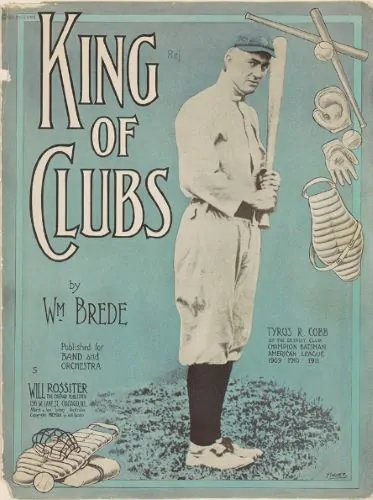
In an essay on Ty Cobb (1886–1961), the Baseball Hall of Fame asserts that Cobb may have been the best all-around baseball player that has ever lived. He spent twenty-two seasons in Detroit and another two in Philadelphia, before retiring as the holder of forty-three major league awards. In 1936, when the first balloting was held for election into the National Baseball Hall of Fame, Cobb garnered the most votes out of the five nominees.
Tinker, Evers, and Chance
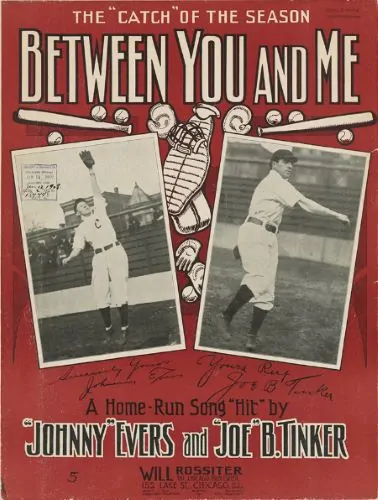
Joe B. Tinker (1880–1948), Johnny Evers (1881–1947), and Frank Chance (1876–1924) were the feared infielder double-play-wielding trio of the Chicago Cubs. In his book Tinker, Evers, and Chance: A Triple Biography, author Gil Bogen mentions this tune while describing the heady aftermath of the Cubs’ second straight world championship in 1908: “Tinker, Evers, and Chance had become household words. They were in the news from coast to coast. The song that Johnny and Joe had signed their name to had become a smash hit. Everyone was singing ‘Between You and Me.’”
Jackie Robinson
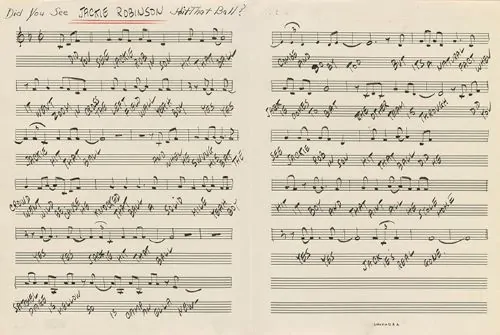
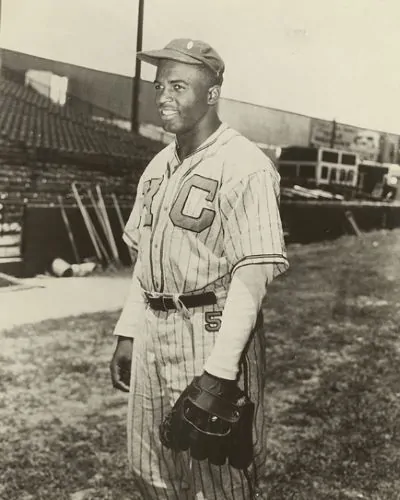
In 1947, Jackie Robinson (1919–1972) became the first African American to play baseball on a major league team in the modern era. This achievement, along with Robinson’s remarkable rookie season, inspired a number of singers and songwriters to compose songs in his honor. In the years immediately following Robinson’s major league debut in 1947, the Library of Congress Copyright Office received deposits of at least four songs with Robinson as their subject, including such titles as “The Jackie Robinson Boogie” and “Jackie Robinson Blues.”
By far the best known song honoring Robinson is Buddy Johnson’s classic, “Did You See Jackie Robinson Hit That Ball?” In August 1949, Johnson’s Decca recording hit its peak position on the charts at number thirteen. A cover of the song by Count Basie’s Orchestra is part of the introductory video in the exhibition.
Babe Ruth
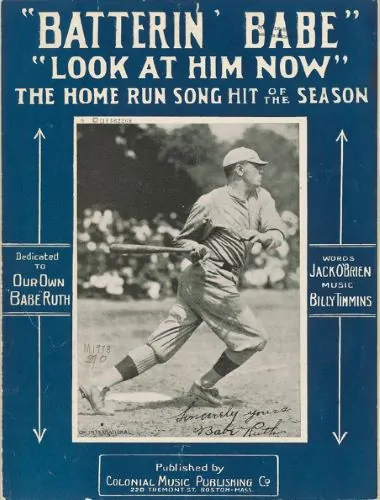
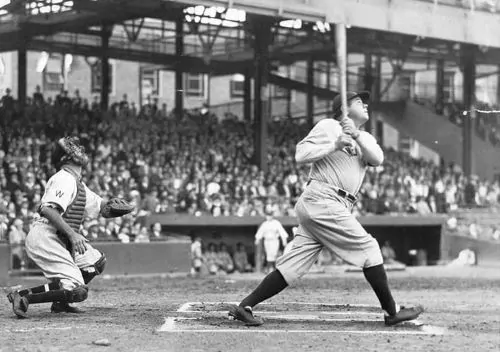
In 1920, Babe Ruth (1895–1948) and the Yankees were accompanied to their games by a unique group of musicians—a fifty-piece school band that performed before each game. One of their standard musical offerings was titled, “Batterin’ Babe, Look at Him Now.” After the performance, the Babe would walk out onto the field, spell the applause, and make a plea for donations for St. Mary’s Industrial School for Boys, an orphanage and reform school run by the Catholic Church that had been partially destroyed by fire in 1919. For most of his youth, it had been Ruth’s school and home. He left St. Mary’s at the age of nineteen after signing a professional baseball contract to play minor league baseball with the Baltimore Orioles, soon being traded to the Boston Red Sox. During the 1920 season, Babe donated one-fifth of his annual salary to the school.
Honus Wagner
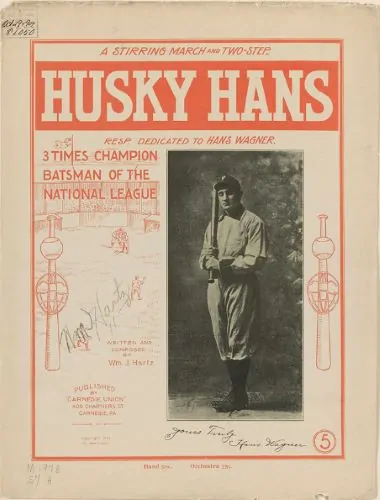
The 1904 account of Honus Wagner’s (1874–1955) career shown on this cover was just a preview of his future batting triumphs. By 1911 Wagner added another five batting titles to his trophy case, which helped to ensure his becoming one of the first five inductees into the Baseball Hall of Fame in 1936. Composed by a Carnegie band leader, the music was published as an homage to Wagner by his hometown newspaper, the Carnegie Union.
The National Game
Unification through the National Game
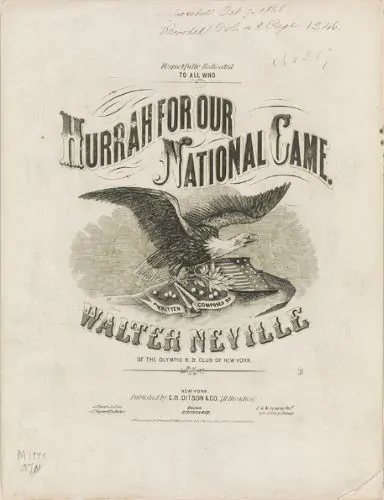
The concept of baseball as the national game emerged in the 1850s, when the game was primarily an east coast pastime. It wasn’t until after the Civil War that baseball truly became a national sport, helping to heal and unify the country with a game that had evolved into a uniquely American phenomenon. Published songs about the national game often featured patriotic imagery, such as this cover with its nod to the Great Seal of the United States. Here the eagle clutches in its talons an olive branch and, instead of arrows, baseball bats.
Baseball and Politics
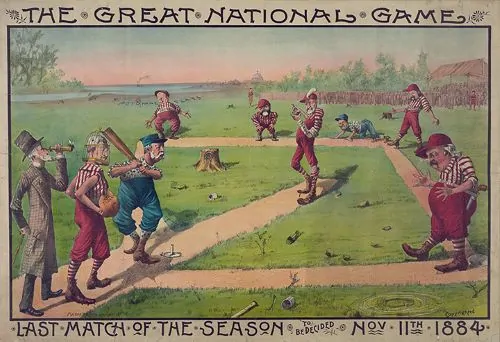
Throughout its history, baseball has been used as a metaphor for that other national game—politics. This print, a commentary on the presidential election of 1884, depicts presidential hopefuls playing sandlot baseball on the “Potomac Flats” field. James G. Blaine pitches to Chester A. Arthur, with Samuel J. Tilden behind the plate and Roscoe Conkling as umpire. Benjamin F. Butler, with a handgun in his belt, plays first base. At second is John A. Logan holding Ulysses S. Grant close to the bag. The shortstop is John Kelly, and Sereno E. Payne plays third. John Sherman is in left field with Samuel J. Randall in centerfield.
“The Game for Me”
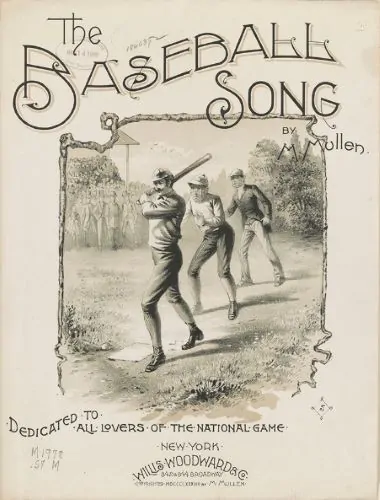
In 1869 the game turned professional. M. Mullen’s “The Baseball Song” aptly captures the enthusiasm for the game by the late nineteenth century: “Let others have their cricket . . . baseball’s the game for me” the lyrics declare, ending with this salute: “Long may baseball flourish in each state throughout the land.” Written in 1888, the musical tribute to the game was introduced in what became a singular year for baseball—Ernest Thayer penned his renowned poem, “Casey at the Bat” and Albert G. Spalding’s epic world tour globally solidified baseball as an American institution and national pastime.
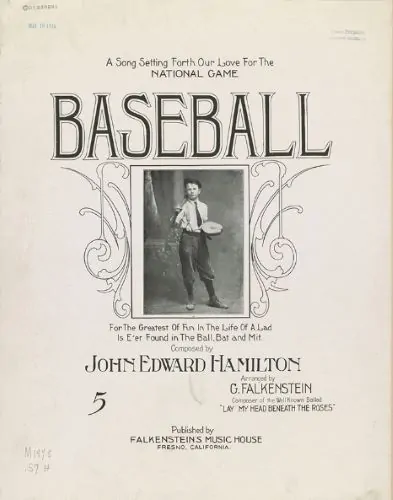
As America entered the twentieth century, little boys across the country, armed with their own bats, balls, and mitts, dreamed of playing with the big leagues. Today, Little League Baseball is the most popular youth baseball program in the world with over three million boys and girls.
Baseball in World War I
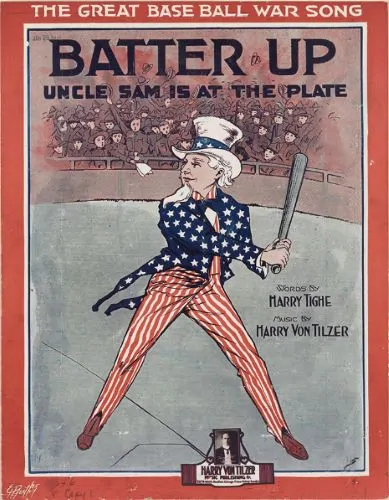
During World War I, baseball was a useful tool to rally support for the war effort. Military displays became a normal occurrence at ballparks. Harry Von Tilzer, whose brother Albert composed the huge 1908 hit “Take Me Out to the Ball Game,” created his “Batter Up—Uncle Sam is at the Plate” for these entertainments. Billed as “the great baseball war song,” it was frequently performed.
The Fans
Baseball on the Brain
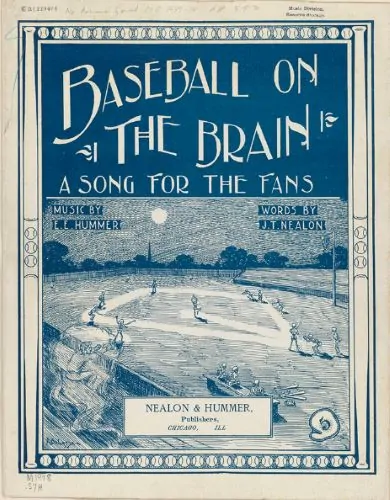
In the song shown here, a local coroner, a former umpire, and a jury of baseball fans certify that an unclaimed corpse has died of “baseball on the brain.” The corpse’s ghost goes on to haunt the ballpark at night, except during the off-season, when it spends the winter in Florida.
Baseball in the Heart
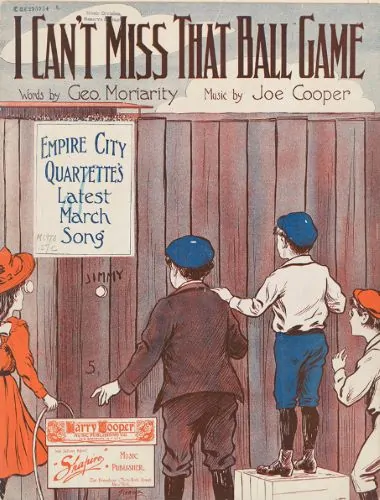
In this song, the Empire City Quartettte, a famous burlesque group, is featured by noted Tin Pan Alley music publisher, singer, and comedian Harry Cooper. The classic cover art personifies the coupling of baseball with popular American music.
Baseball Fever
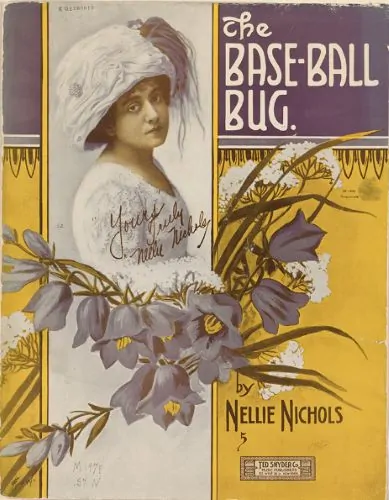
In this song, the term “baseball bug” in the title was synonymous with “baseball fever.” Both expressions refer to a condition incurred by baseball fans in the early spring that only subsides after the last autumn leaves blow away.
Fans and the Color Line
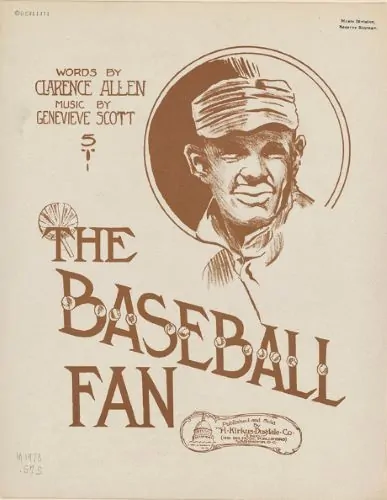
The song shown here, published in 1913, is the earliest example of a baseball sheet music cover depicting a black baseball player. It would take more than three decades until black baseball fans could see black baseball players alongside white players in the major leagues.
“Take Me Out to the Ball Game”
Overview
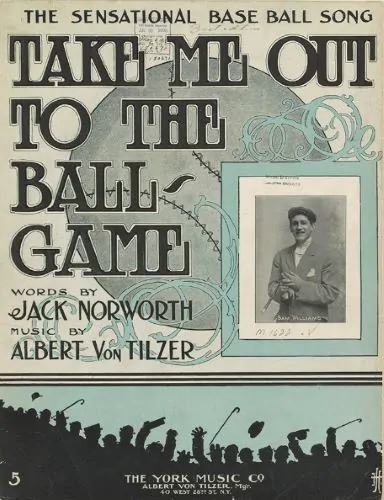
Tin Pan Alley’s legendary composer and music publisher Albert Von Tilzer and lyricist Jack Norworth penned their grand-slam hit song “Take Me Out to the Ball Game” in April 1908. Within weeks it was debuted (possibly by Norworth), registered for copyright, and published with more than thirty different cameo photos of vaudeville stars on the cover. It was promoted by those singers in movie houses and theaters while a set of hand-painted glass lantern slides flashed across the silver screen. Like a triple play, the subtitle for this hit went from “Sensational Baseball Song” to “The Famous Baseball Song” and finally in 1949 to “The Official Baseball Song.” It has been featured in more than 1,200 movies, television shows, and commercials and has been recorded by more than 400 artists whose arrangements include classical, jazz, barbershop quartets, and blues, among others. Baseball’s greatest hit is considered the third most popular song in the United States today—after “Happy Birthday” and the national anthem.
Love Triangle on the Baseball Diamond
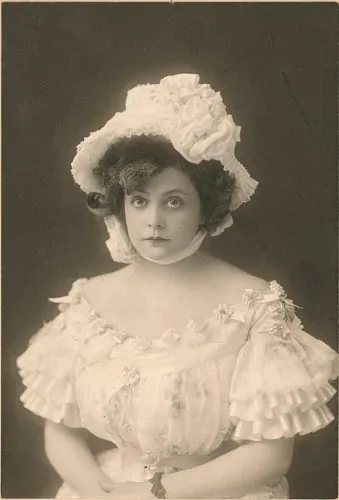
Trixie Friganza, (pseudonym for Delia O’Callahan) famous vaudeville star and suffragist, was the only singer to appear in two cameos on the cover of “Take Me Out to the Ball Game.” Her plans to marry Jack Norworth the week after his divorce from his first wife were dashed when he married Nora Bayes (pseudonym, for Dora Goldberg).
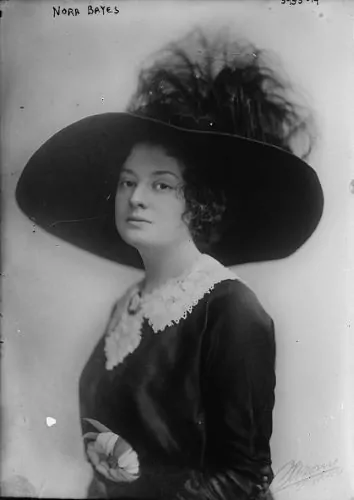
Bayes was a popular stage singer who starred in the Ziegfeld Follies of 1908 with Norworth. They married a week after their first performance and for a short time became America’s top celebrity couple. They divorced in 1913. A quote by Bayes about her ex-husband appears in her 1928 Washington Post obituary: “He certainly had the rah-rah look. Mr. Norworth and I were known as the happiest couple on stage. We were—on the stage.”
“Take Me Out to the Ball Game” and Suffrage
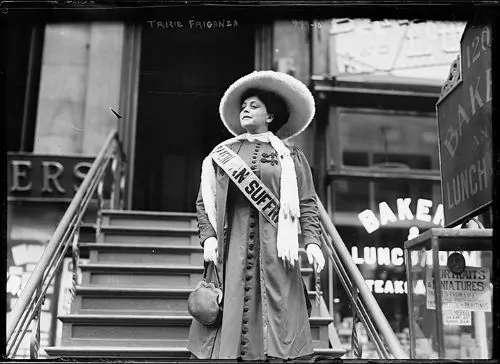
“Take Me Out to the Ball Game,” the one baseball song that nearly everyone knows, might really not be known at all, at least in its original meaning. Composed in 1908, baseball’s anthem tells a story about a woman’s desire to share equally in the baseball experience—a woman named Katie Casey who wanted to root, cheer, eat Cracker Jacks in the grandstands with the crowd and fully engage in the spectacle before her. However, the idea of a woman being a knowledgeable and enthusiastic fan, rather than staying safe at home, was more of a curveball than the norm and was ahead of its time. In 1927, after women had won the right to vote, Jack Norworth modified the original, socially provocative verses, assuring his royalties would go into extra innings. The song was gradually re-integrated into the baseball experience, in part due to the 1949 hit movie of the same title. By this time, however, the song’s first verses had been struck out and Casey’s feminist message of empowerment was long forgotten. Baseball historians suggest that vaudeville star and outspoken suffragist Trixie Friganza, who was romantically involved with Norworth in 1908, was likely the inspiration for Casey’s persona.
The Game of Love
Copycat Songs
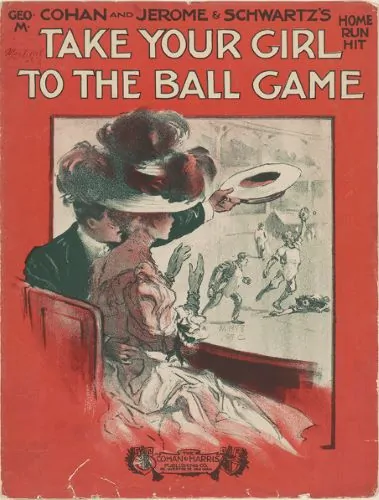
The success of Albert Von Tilzer and Norworth’s “Take Me Out to the Ball Game” prompted a rash of imitations, the most notorious being George M. Cohan’s song on display. Cohan’s version was composed within days after baseball’s greatest hit and was even advertised in the same May 2, 1908, issue of Variety.
There are blatant similarities between the songs: the titles, the opening idea of choosing the ballpark over more lady-like activities, the meter and lyrics of the choruses, and more. Despite an avalanche of advertising, Cohan’s copycat song was a flop. Norworth gloated, “Who ever heard of a baseball song with ‘in the stands it’s so grand if you’re holding her hand at the old ball game.’”
Getting on Base
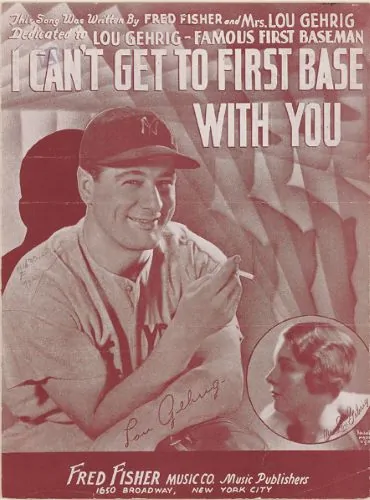
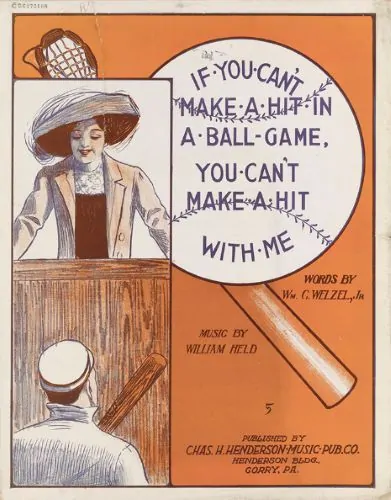
Songwriters continued to seek the success enjoyed by the creators of “Take Me Out to the Ball Game.” It seemed as if the way to a woman’s heart could only be by getting on base with such songs as “I Can’t Get to First Base with You” and “If You Can’t Make a Hit in the Ball Game, You Can’t Make a Hit with Me.”
“I’ve sacrificed and bunted my heart . . .
The game is over, there’s nothing else we can do,
I can’t get to first base with you.”“Poor May almost fainted when she heard these words so clear:
Strike one! Strike two! Strike three! The Batter’s out!
Then Dan heard May Ann in frenzy shout:
If you can’t make a hit in the ball game you can’t make a hit with me.”
“I Want to Go to the Ball Game”
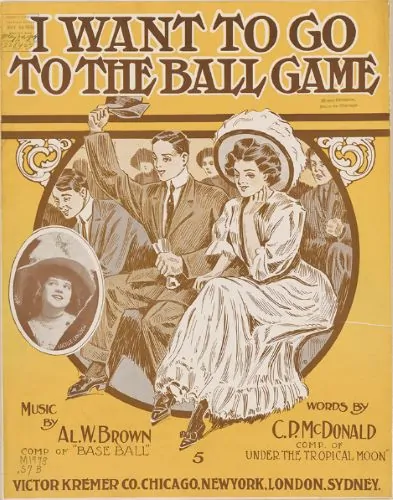
Musical prodigy, performer and prolific Tin Pan Alley composer Al Brown contributed a total of nine songs to the baseball repertoire, hoping that just one of them might successfully ride on the coattails of Von Tilzer’s 1908 hit. Even with the exceptional cover art reminiscent of George Cohan’s copycat song, “Take Your Girl to the Ball Game,” and a cameo photo of vaudevillian Lucille Langdon, the song languished.
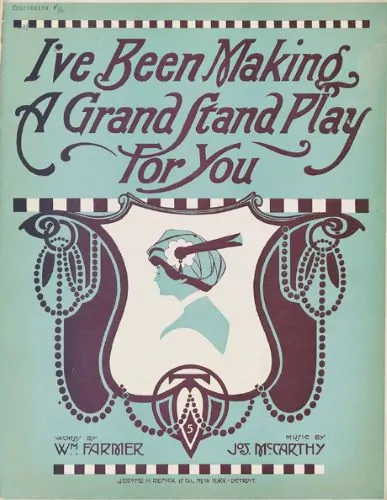
Another unsuccessful copycat song “I’ve Been Making a Grandstand Play for You,” attempted to capitalize on the theme of taking your girl to the ball game.
Originally published by the United States Library of Congress, 02.09.2017, to the public domain.
About the Author