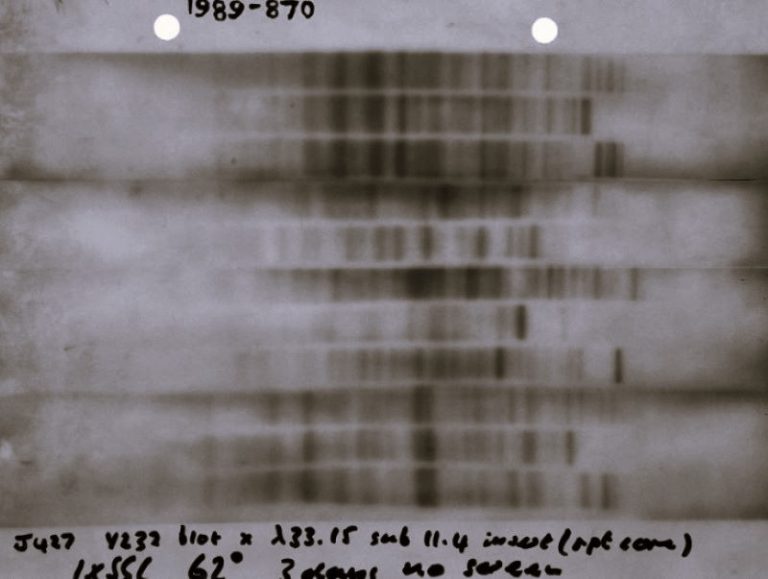
The transition from DNA as a tool for criminal investigation to DNA as a consumer good. Introduction...
Science
Explore the history of science through the changing methods and institutions that transformed how people understand the natural world.
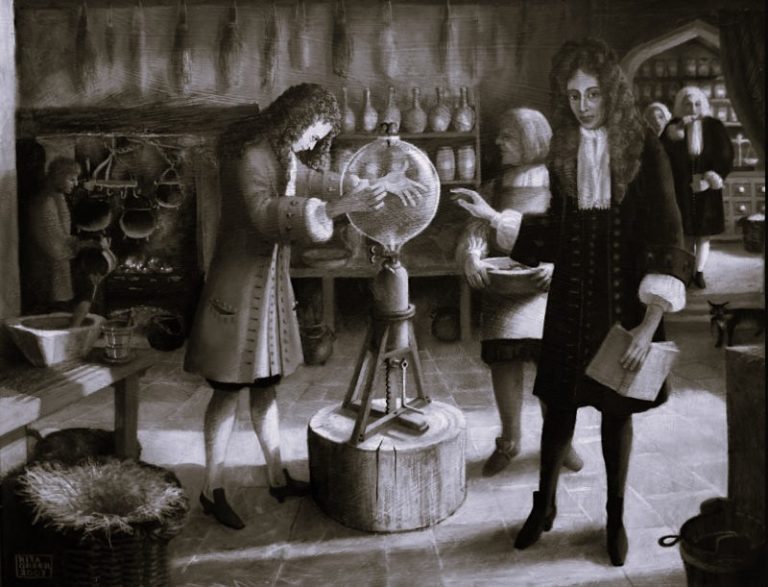
Experiments had always been carried out by thinkers. Introduction The scientific method was first used during the...
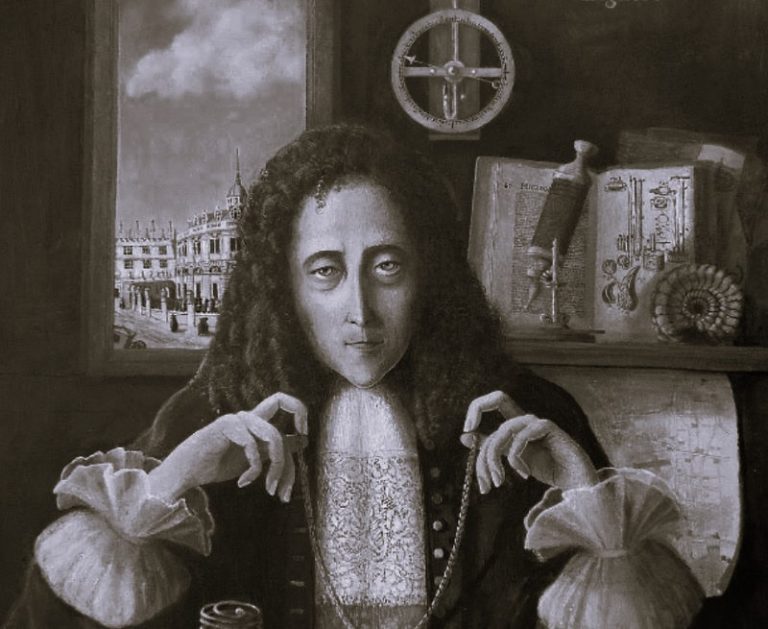
Royal Society was responsible for setting out what exactly we consider science today Introduction The Royal Society was founded...
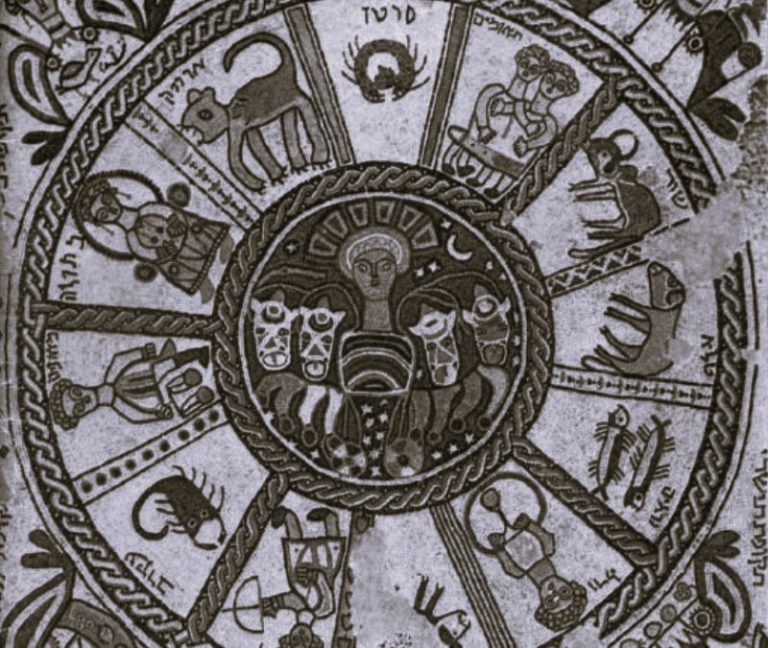
Greco-Roman accounts of the Persian Wars mention astrologers among high-ranking Persian dignitaries. Introduction Hellenistic astrology encompassed various forms...
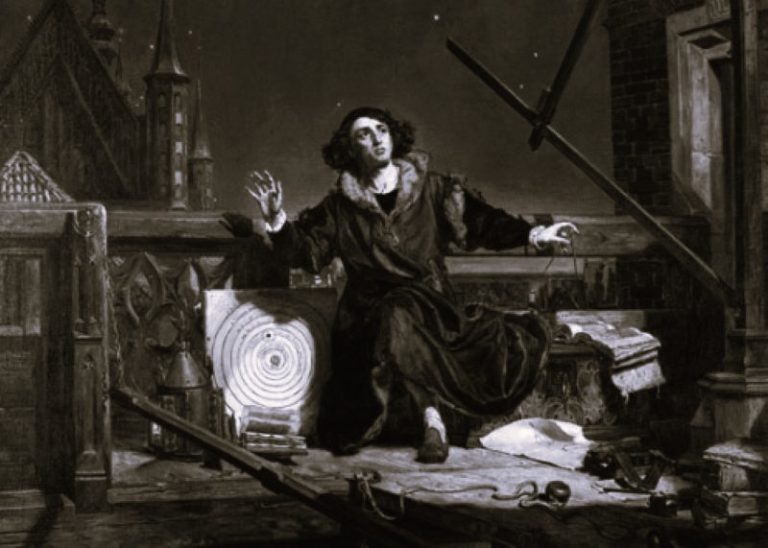
Astronomy had interested many ancient thinkers, but two views of the universe dominated and endured. Introduction The...
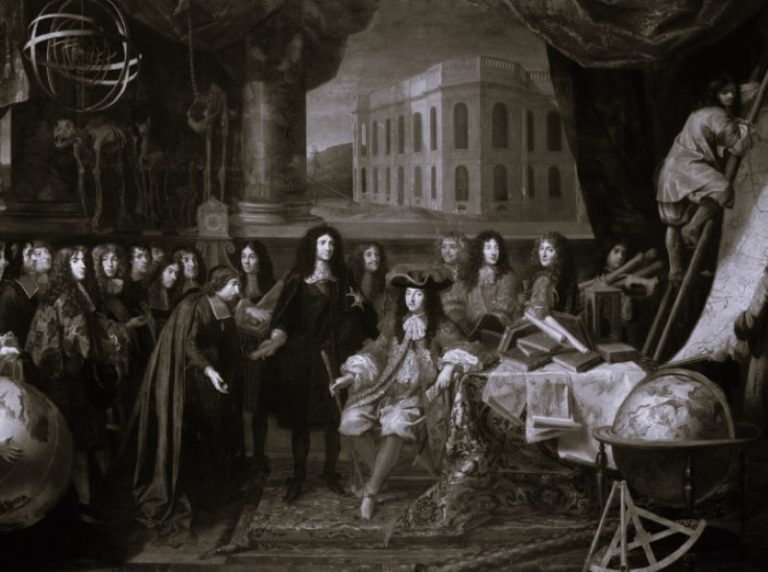
Observatories were present in the ancient world and in the Middle Ages. Introduction The foundation of observatories...

As you uncork that bottle and raise your glass, take time to toast physics and chemistry along...
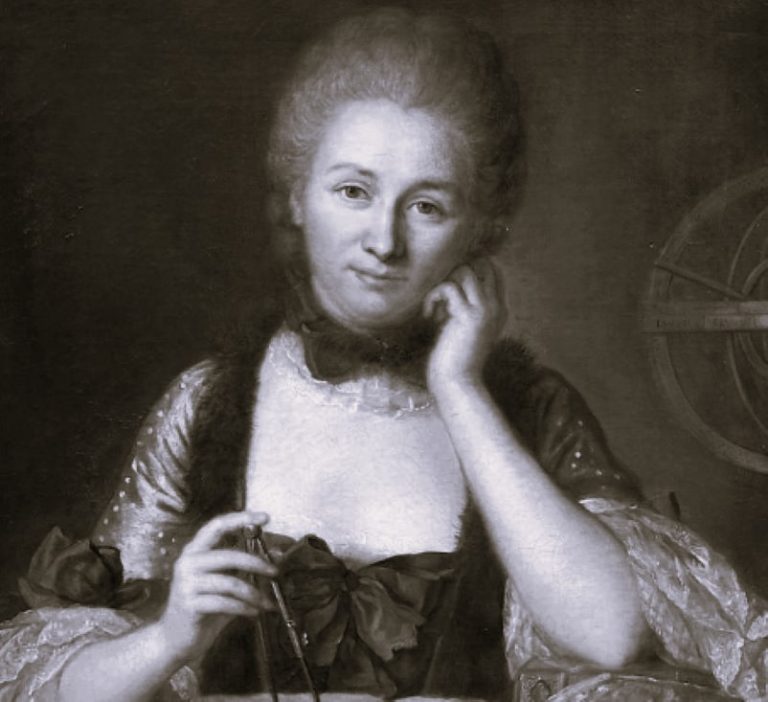
Women scientists were the exception in a male-dominated field during the Scientific Revolution. Introduction Women scientists during the...
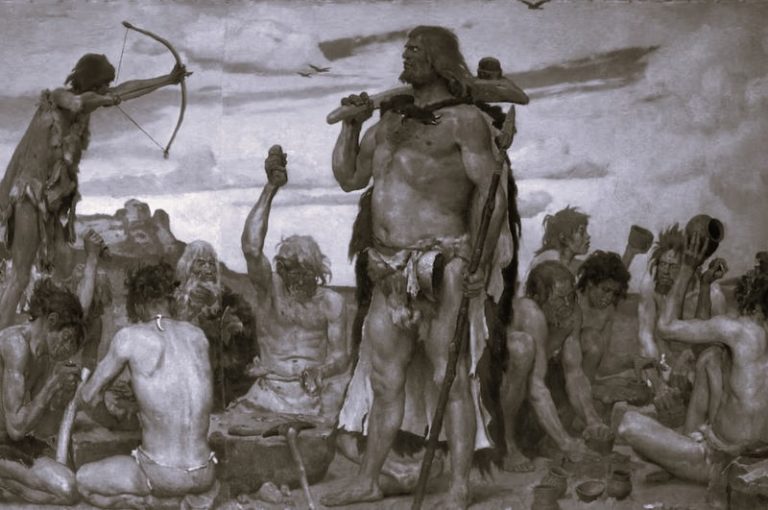
From Aristotle to Darwin, inaccurate and biased narratives in science reproduce these biases. Introduction Systemic racism and...
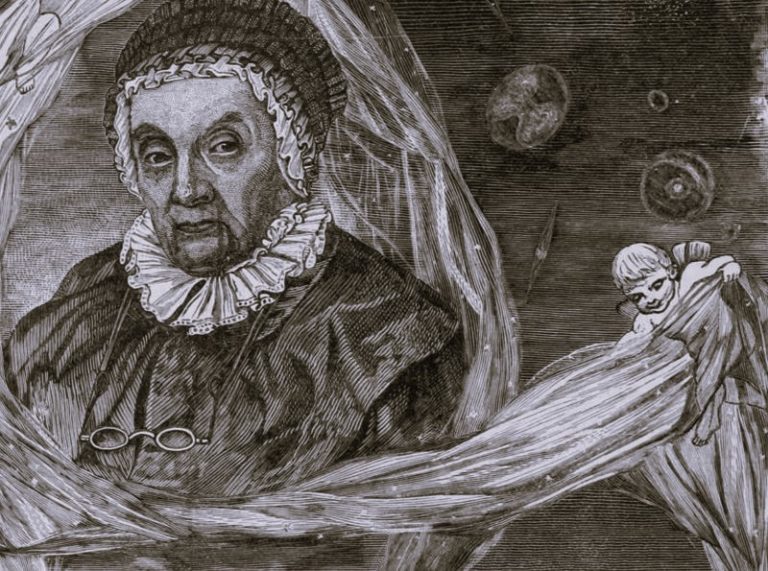
Astronomer Caroline Herschel’s work discovering and cataloging astronomical objects is still used in the field today. Introduction...
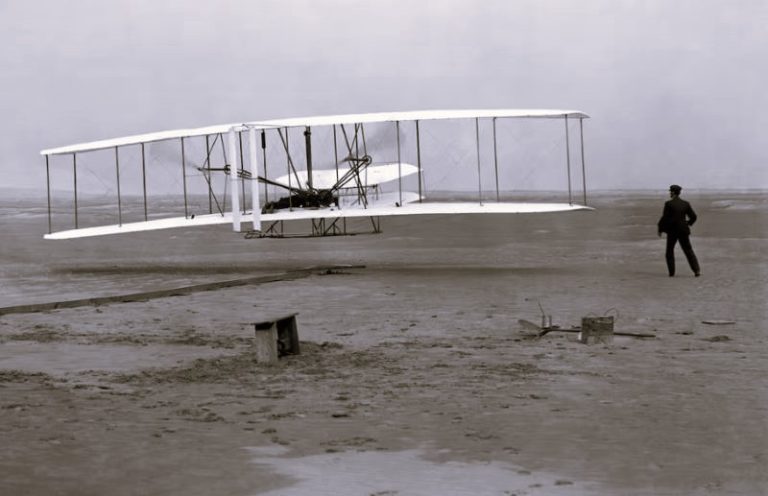
There must be an openness to the likelihood that others, too, may have valuable insights, ideas, and...

Stereotypes about religion vs. science are overblown – but those assumptions can create challenges. Introduction Given popular...
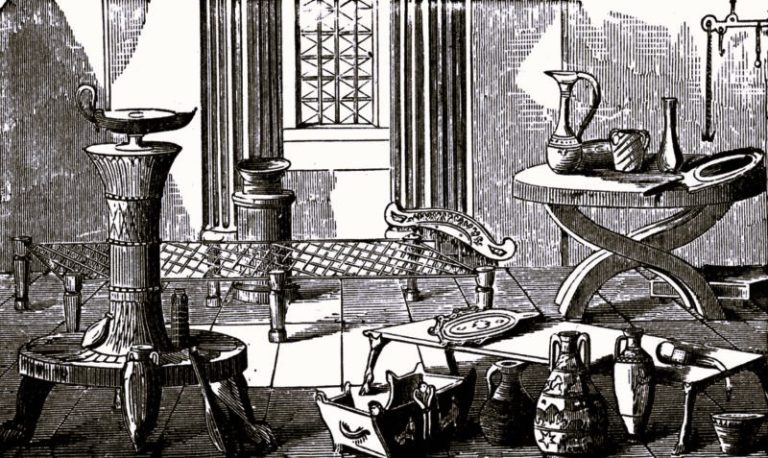
Innovations introduced in chemical apparatus and experimental practice by ancient civilizations. Egypt From the First Dynasty (3150–2925...
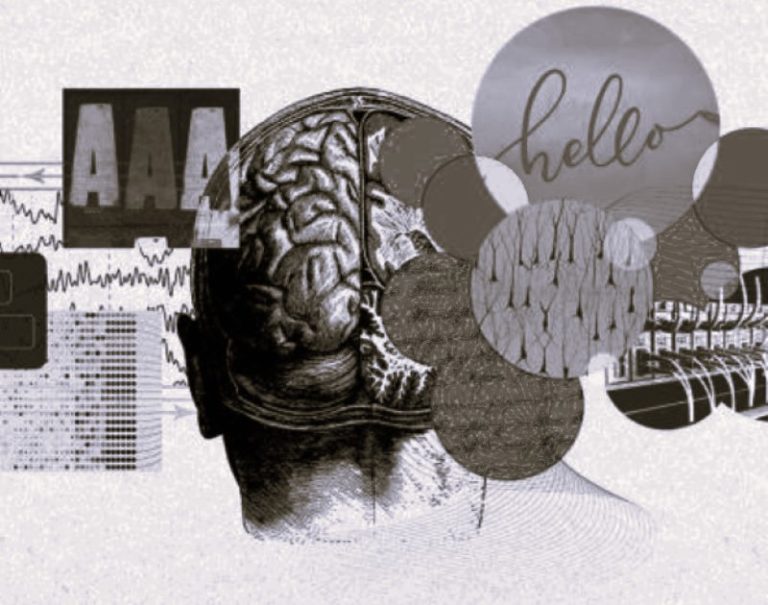
Enabling communication for people with locked-in syndrome and other conditions. Introduction In Alexandre Dumas’s classic novel The Count...
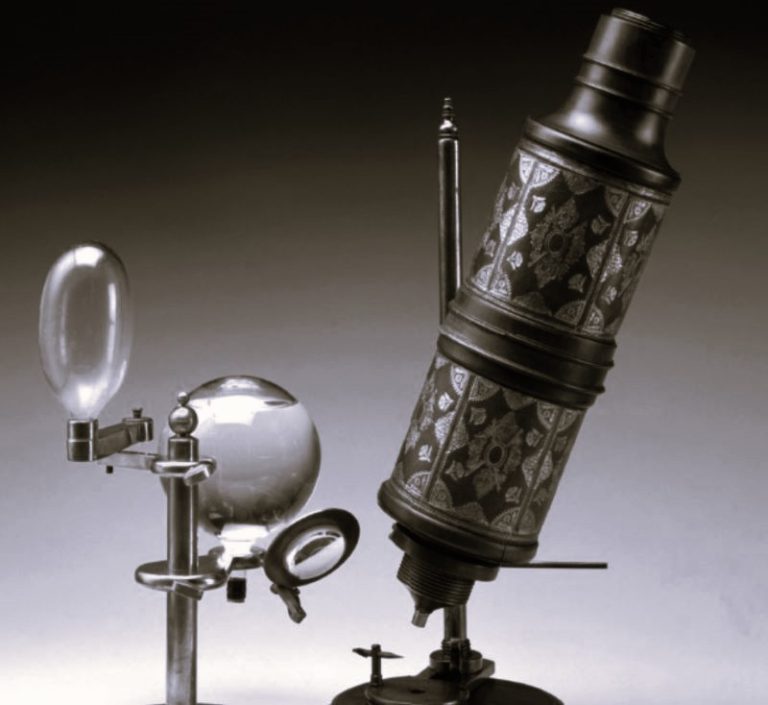
“New instruments meant new perceptions, and with them came new knowledge”. Introduction The Scientific Revolution (1500-1700) was...
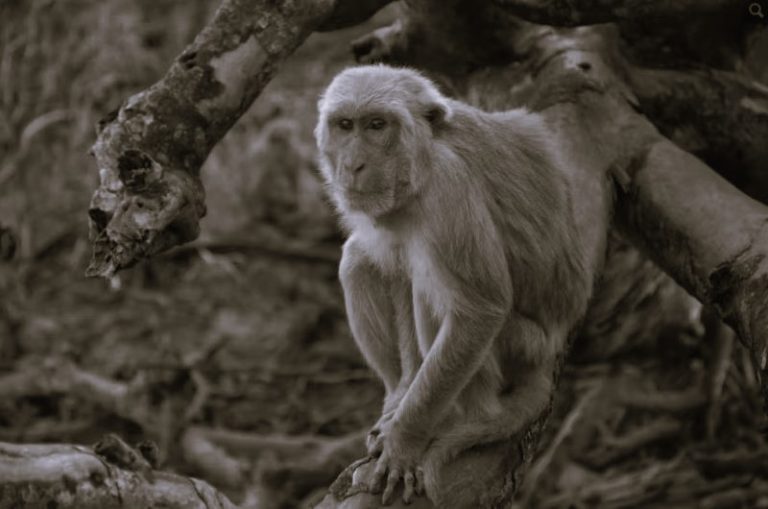
Understanding the evolutionary roots of age-based changes in social focus. Introduction There are many changes that can...
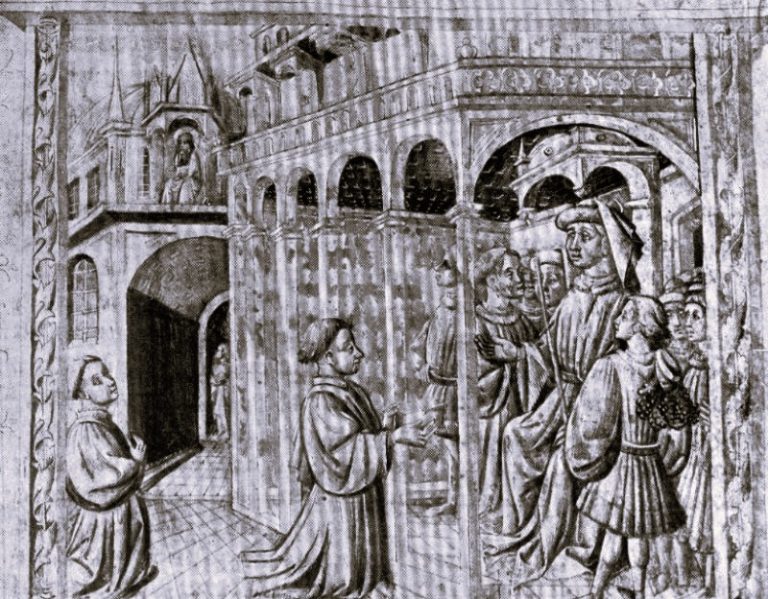
Roger Bacon was not afraid to challenge current beliefs about philosophy, science, and religion. Introduction Roger Bacon...
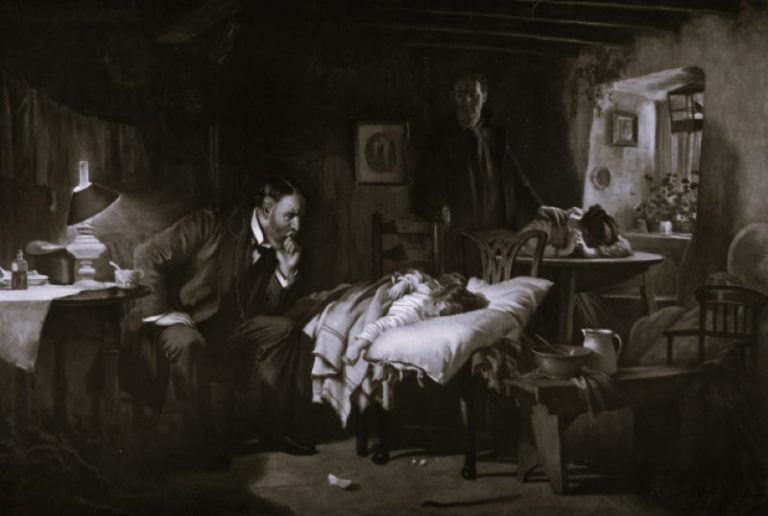
The spread of information amongst the public that microorganisms caused human diseases led to a growing sense...

People can trust each other because they understand how the human mind works – not AI. Introduction...
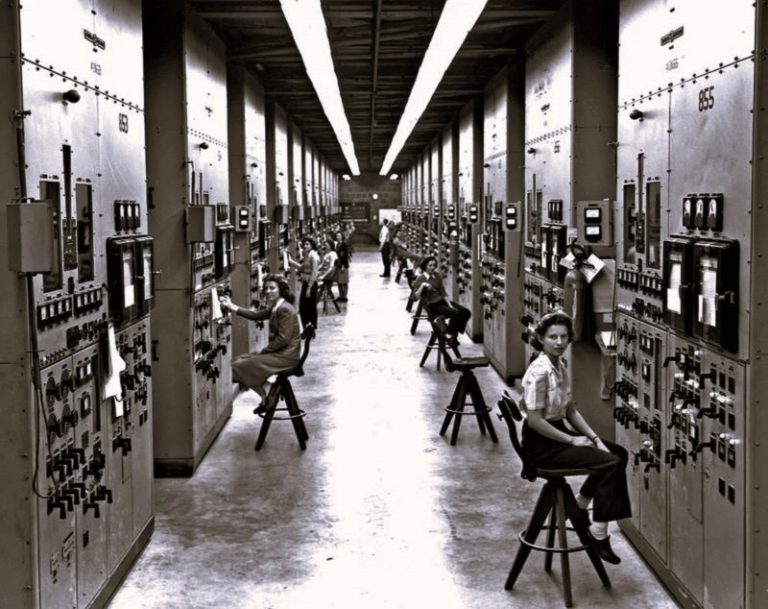
The majority of the Oak Ridge inhabitants and workers were women. The highly anticipated July 21 release...
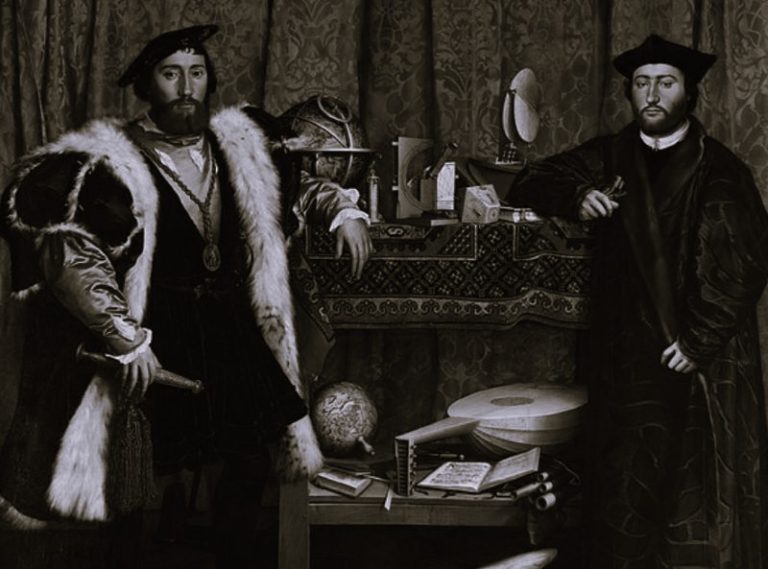
The Greeks borrowed for their device the Babylonian idea of dividing a circle into 360 degrees. Introduction...

The Tiangong space station is an important piece of China’s ambitious plans for space activity in coming...
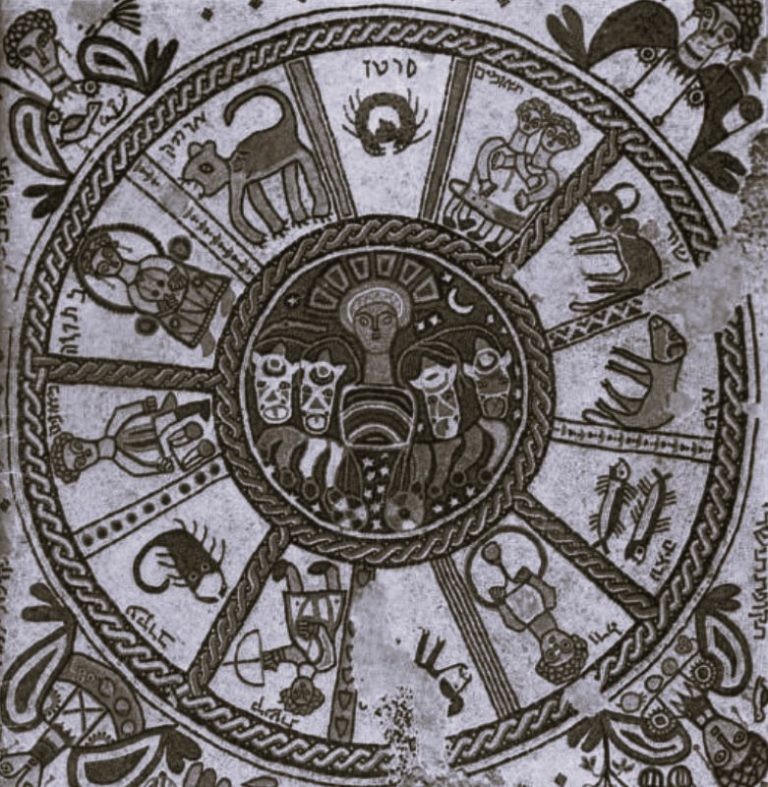
From Babylonian omens to Renaissance horoscopes, Western astrology linked celestial patterns to earthly lives, shaping medicine and...
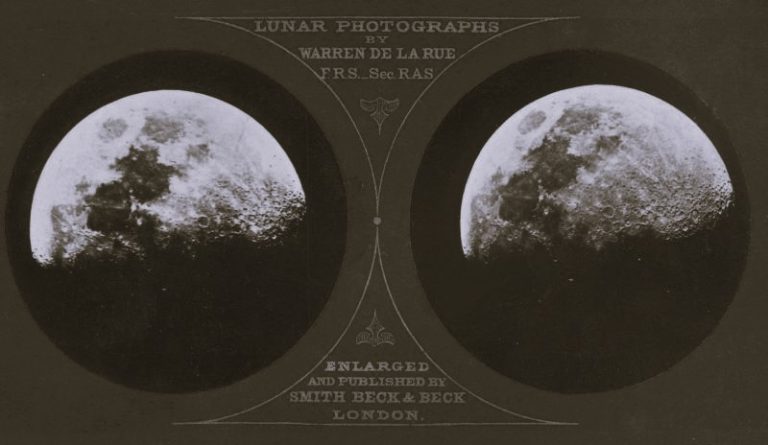
Early scientists were eager to use photographic technologies to learn more about the moon. You’ve probably seen...
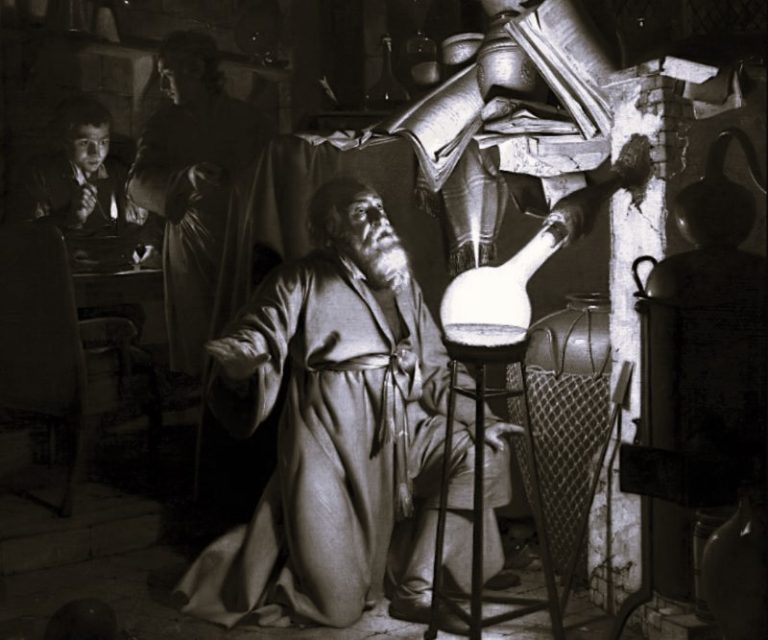
Alchemy really took off in Greco-Roman Egypt from the 1st to 7th century CE. Introduction Alchemy is...

Increased access to expertise has not led to political decisions being more rational. Science is probably the...
Officials too often distort research for political gain. By Martha Kinsella, Mira Ortegon, Jacob Carter, Andrew Rosenberg,...
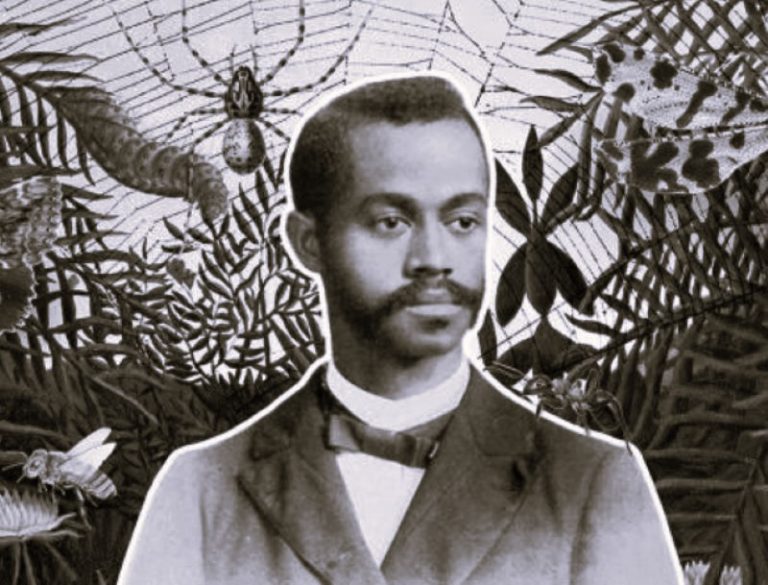
The forgotten legacy of a pioneering Black scientist who conducted trailblazing research on animal cognitive traits. Introduction...
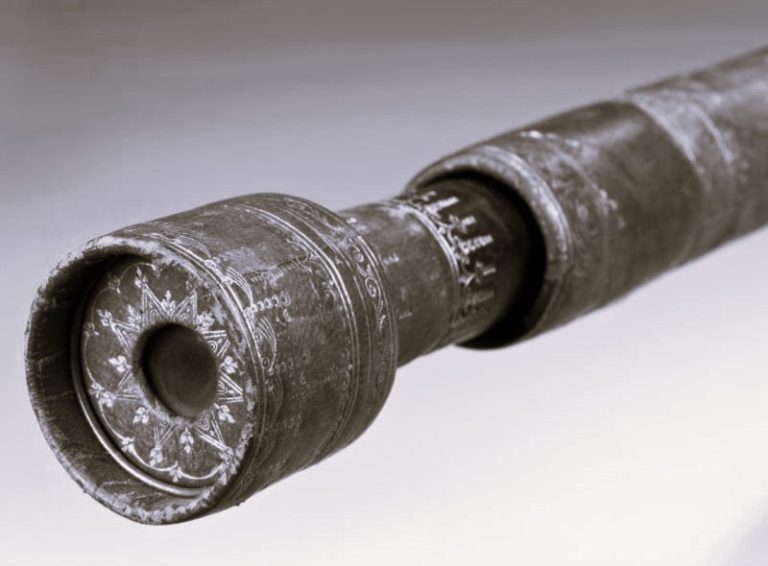
The telescope quickly opened up a whole new area of scientific inquiry. Introduction The invention of the...
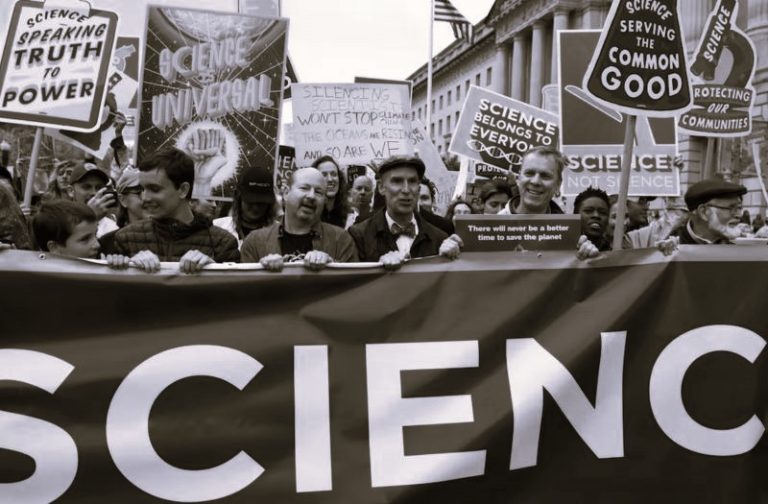
Political mobilization among scientists has been growing in recent years. By Dr. Scott FrickelProfessor of Sociology and...