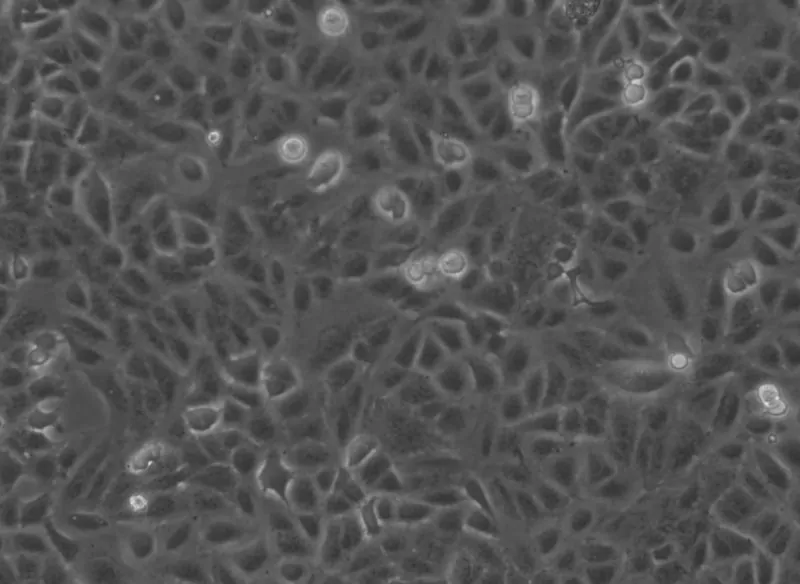
Understanding how diseases develop, progress, and respond to treatment is one of the greatest challenges in modern medicine. Traditional research methods have provided valuable insights, but cell-based research has introduced new opportunities to investigate diseases at the molecular and cellular levels. By studying living cells under controlled laboratory conditions, scientists can uncover biological mechanisms, identify therapeutic targets, and develop more effective treatments.
Understanding Disease at the Cellular Level
Every disease involves changes in normal cellular functions. Whether researchers are investigating cancer, neurological disorders, or infectious diseases, understanding these changes is essential for developing targeted therapies.
Cell-based research allows scientists to observe how cells respond to genetic mutations, environmental factors, and harmful substances. Researchers can examine cellular processes such as division, metabolism, inflammation, and programmed cell death. These observations help identify abnormalities associated with particular diseases and provide valuable information about their underlying causes.
Advancing Cancer Research Through Cell Models
Cancer research has benefited significantly from laboratory cell models. Cancer cells often exhibit uncontrolled growth, altered metabolism, and resistance to normal regulatory mechanisms. By studying established cancer cell lines, researchers can investigate tumor development and evaluate potential anticancer compounds.
For example, the A549 cell line from cytion.com is widely used in lung cancer research to investigate cellular behavior, drug responses, and molecular pathways associated with lung adenocarcinoma. Such models provide reproducible experimental systems that help researchers explore cancer biology before advancing promising treatments into more complex preclinical studies.
Improving Drug Discovery and Development
Developing new medicines requires extensive testing to determine whether potential treatments are effective and safe. Cell-based research plays an important role during the early stages of drug discovery.
Scientists expose cultured cells to experimental compounds and observe changes in cellular activity, survival, and signaling pathways. These experiments help identify promising drug candidates while highlighting potential toxicity concerns. Cell-based screening also allows researchers to compare multiple compounds efficiently, reducing the time and resources required for initial investigations. Although laboratory findings must undergo further validation, these studies provide an essential foundation for pharmaceutical development.
Exploring Genetic and Molecular Mechanisms
Advances in molecular biology have expanded the capabilities of cell-based research. Technologies such as CRISPR gene editing, RNA sequencing, and fluorescence microscopy enable scientists to investigate disease-associated molecular changes. Researchers can modify specific genes within cultured cells to understand their roles in disease development.
For instance, disabling a particular gene may reveal whether it contributes to abnormal cellular growth or resistance to treatment. These approaches support the identification of biomarkers and potential therapeutic targets, improving our understanding of complex biological conditions.
Supporting Personalized Medicine
Cell-based research is also contributing to personalized medicine, which aims to tailor treatments to individual patients. Patient-derived cells and organoids can help scientists investigate how different individuals respond to specific therapies. As they examine these responses, researchers may identify treatments that are more likely to succeed for particular patient groups. However, translating laboratory results into reliable clinical predictions requires careful validation.
The Future of Cell-Based Disease Research
As laboratory technologies continue evolving, cell-based research will become increasingly sophisticated. Three-dimensional cultures, organ-on-chip systems, and advanced imaging techniques are helping scientists recreate aspects of human tissue environments more accurately. These innovations could improve disease modeling, accelerate therapeutic discovery, and reduce reliance on certain animal experiments.
Cell-based research is transforming biomedical science by connecting fundamental cellular discoveries with practical medical applications, creating new possibilities for understanding diseases and improving patient care.
About the Author