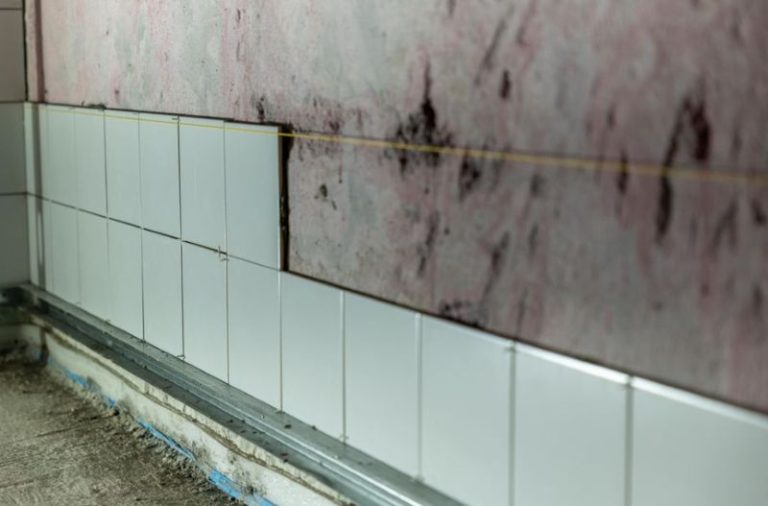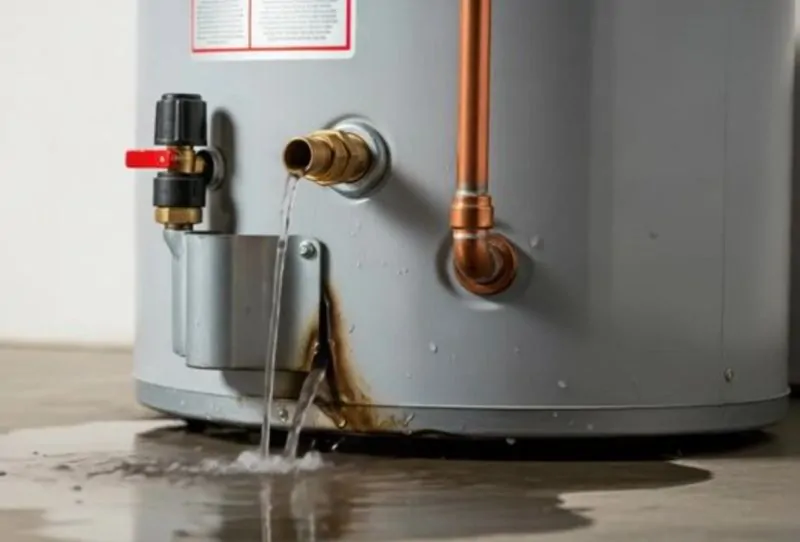
Hidden water loss occurs when plumbing system failures go undetected in homes. These conditions can cause structural damage, higher utility bills, and indoor air quality problems. Understanding common plumbing issues helps property owners recognize warning signs early. Professional services can identify problems before they worsen. This article explains plumbing conditions that contribute to hidden water loss in residential properties.
Pipe Material Age Affects Water System Reliability
Aging pipes develop weaknesses that increase the risk of hidden water loss. Older materials like galvanized steel, cast iron, and copper corrode over time. Corrosion creates small pinhole leaks that release water continuously behind walls. Pipe joints also weaken with age and become potential failure points. Professional water leak detection specialists use specialized tools to find these small breaches.
Water Pressure Imbalances Place Stress on Plumbing Networks
High water pressure places unnecessary force on pipes and connections. Standard residential water pressure should remain between 40 and 80 PSI. Pressures above this range stress pipe joints and seals over time. Water hammer, or sudden pressure changes, also weakens plumbing components. A professional evaluation can identify pressure-related failures.
Appliance Connections Contribute to Hidden Water Loss
Household appliances with water connections represent common failure points. Washing machines, dishwashers, and refrigerators have supply lines that age and degrade. Hoses and fittings may develop slow leaks behind or beneath appliances. Hidden appliance leaks often go unnoticed until water damage appears. Professional services help identify leaks in appliance connections. When recurring leaks or drainage problems point to more than a worn hose, arranging dishwasher repairs in Perth can help restore safe operation before moisture damages nearby cabinetry or flooring.
Appliance Maintenance Tips
Regular checks help prevent hidden appliance leaks.
- Inspect flexible supply hoses for bulges or cracks.
- Check behind and under appliances for moisture signs.
- Replace supply hoses every five to seven years.
- Tighten valve connections if they show minor leakage.
- Monitor appliance water lines during and after cycles.
Drain Line Issues Influence Household Moisture Levels
Drain lines move wastewater from fixtures to the main sewer line. Corrosion, root intrusion, and debris buildup cause drain line leaks. Hidden drain leaks release moisture into walls, floors, and crawl spaces. Slow leaks from drains create conditions for mold growth. Professional equipment can locate drain line issues.
Types of Drain Line Problems
These problems affect the integrity of drain systems.
- Tree roots invade and crack underground drain pipes.
- Corrosion creates holes in older drain materials.
- Joint separation occurs between connected pipe sections.
- Debris blockages increase pressure and cause leaks.
- Bellied pipes allow water to pool and leak slowly.
HVAC Condensate Components Require Routine Attention
Air conditioning systems produce condensate that requires proper drainage. Clogged condensate lines cause water to back up and overflow. Overflow water can damage walls, ceilings, and flooring around units. Pump failures also contribute to condensate leaks in HVAC systems. Professional services can locate HVAC water issues.
How Professional Plumbing and Leak Detection Services Help Protect Home Systems
Professional plumbers provide essential services to detect and address plumbing problems. Advanced equipment pinpoints leaks without unnecessary property damage. Plumbers identify both visible and hidden leaks throughout home systems. Regular professional inspections detect problems before they become emergencies. Expert plumbers help property owners understand their plumbing conditions. Professional water leak detection services provide comprehensive assessments to protect homes from hidden water damage. Hidden water loss stems from aging pipes, pressure imbalances, and appliance connections. Drain line issues and HVAC condensate components also contribute to moisture problems. Regular professional inspections help identify these conditions before significant damage occurs. Property owners should schedule professional evaluations when they notice warning signs. Early detection protects homes and reduces costly repairs from hidden leaks.
About the Author