Before bolillos and pan dulce, Mesoamerica had masa. This essay traces how maize, wheat, ritual, conquest, and the panadería shaped Mexican bread culture.

By Matthew A. McIntosh
Public Historian
Brewminate
Introduction: Bread Before Bread
Ancient Mesoamerica did not begin its bread history with the loaf. Long before wheat, yeast, ovens, bolillos, conchas, or pan dulce entered the region, Indigenous peoples had already built one of the world’s great grain-based food civilizations around maize. The central dough was not wheat dough but masa, made from maize transformed through nixtamalization, a process that softened kernels, improved nutrition, and made corn into a workable, nourishing, and endlessly adaptable staple. From this dough came tortillas, tamales, atoles, cakes, and offerings that sustained households, fed cities, accompanied rituals, and helped organize the rhythms of labor and ceremony. If bread is defined narrowly as a baked, leavened wheat loaf, then pre-Hispanic Mesoamerica had no bread. But if bread is understood more broadly as a staple grain food that anchors daily life, carries social meaning, and becomes a vehicle of ritual memory, then Mesoamerica had “bread before bread” in a form that Europeans often failed to recognize on its own terms.
This distinction matters because the history of bread in Mesoamerica is too often told as a story of arrival: the Spanish came, wheat came with them, and bread began. Such a narrative mistakes a colonial ingredient for the beginning of a food tradition and, more importantly, it allows European categories to decide what counts as culinary sophistication. The peoples of Mesoamerica had already domesticated maize into a civilizational foundation, and they had already developed complex culinary technologies that turned grain into culture. Nixtamalization was not simply preparation; it was biochemical transformation, nutritional strategy, and inherited knowledge. Grinding maize on the metate, shaping masa by hand, cooking tortillas on the comal, steaming tamales in leaves, and preparing maize drinks were all acts through which households reproduced the social order day after day. Tortillas served as daily sustenance and edible utensil; tamales crossed the boundary between ordinary food and festival food; maize drinks nourished children, workers, elders, and ritual participants; amaranth doughs could be shaped into sacred forms and consumed in ceremonies that made eating a religious act. These foods were not failed approximations of European bread, nor were they merely “pre-bread” awaiting improvement by wheat. They belonged to a different food system, one in which the griddle, the steamer, the metate, and the hand mattered more than the oven and the loaf. To begin with wheat, then, is to begin too late; to begin with the loaf is to miss the deeper Mesoamerican history of dough, grain, labor, ritual, and daily survival.
The introduction of wheat after the Spanish conquest nevertheless transformed this world. Wheat carried with it more than a new flavor or texture. It arrived bound to Iberian agriculture, Christian sacramental culture, colonial hierarchy, urban markets, mills, ovens, and ideas about civilization and status. Spanish colonists often treated wheat bread as a marker of European identity, while maize remained associated with Indigenous life even when it continued to feed much of the colonial population. Wheat did not simply replace masa. It was absorbed, adapted, localized, and made part of a layered food culture. Colonial bakeries, Catholic feast days, Indigenous memory, sugar, French technique, urban markets, and regional creativity eventually produced the panadería world of bolillos, pan dulce, conchas, and pan de muerto. Yet beneath and beside that world, the tortilla endured.
I will follow the history of Mesoamerican breadways as a story of continuity through transformation rather than replacement. It begins with maize, masa, and the Indigenous technologies that made grain into daily life. It then turns to sacred amaranth and ritual food before examining the Spanish introduction of wheat, the rise of colonial bakeries, the religious transformation of offerings for the dead, the nineteenth-century influence of French baking, and the modern Mexican panadería as a living archive of conquest, adaptation, labor, memory, and taste. The goal is not to collapse tortillas, tamales, tzoalli, bolillos, and pan de muerto into one simple category called “bread.” It is to show how each form reveals a different historical layer in the long Mesoamerican effort to turn grain into sustenance, symbol, and identity.
Maize, Masa, and the Mesoamerican Food World
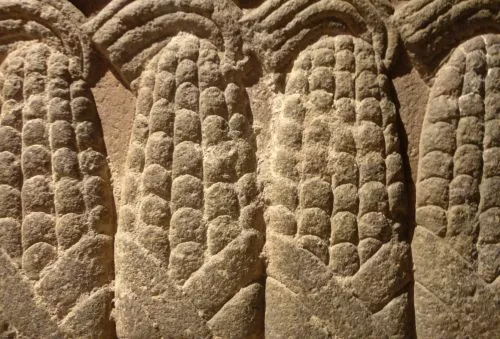
To understand bread in Mesoamerica, one must begin not with wheat but with maize. Maize was the great cultivated foundation of the region, the crop around which villages, cities, markets, tribute systems, calendars, rituals, and myths were organized. It was not simply one food among many. Beans, squash, chiles, amaranth, cacao, maguey, turkey, fish, insects, fruits, and wild greens all mattered, but maize held a different status because it supplied both daily calories and cosmological meaning. In much of Mesoamerica, maize was the substance of life itself, a crop whose growth cycle linked rain, soil, ancestors, gods, human labor, and political authority. To eat maize was not only to consume food. It was to participate in an agricultural and sacred order that had been built over millennia.
The transformation of maize into masa depended on one of the most important food technologies in world history: nixtamalization. By soaking and cooking maize in an alkaline solution, usually with lime or ash, Mesoamerican peoples changed the grain’s texture, flavor, nutritional value, and culinary possibilities. The process loosened the hull, made the kernels easier to grind, improved the availability of niacin, and helped create a dough that could be shaped, flattened, steamed, wrapped, or cooked on a hot surface. It also changed the relationship between people and grain, because maize in its harvested state was not yet the food system’s final form; it had to be acted upon with knowledge, timing, tools, and inherited technique. The result was a food technology so deeply absorbed into everyday life that it could appear ordinary while doing extraordinary work. Without nixtamalization, maize could not have supported Mesoamerican populations in the same way, nor could it have produced the flexible dough culture that made tortillas, tamales, and other masa foods possible. This was not a minor kitchen trick. It was a biochemical achievement embedded in ordinary domestic labor, passed through generations, and made so familiar that its sophistication could easily disappear behind its repetition. Masa was maize remade by knowledge.
From masa came the daily architecture of Mesoamerican eating. Tortillas, tamales, maize cakes, and gruels were not peripheral foods but the center around which other foods gathered. A tortilla could accompany beans, chiles, squash, meats, fish, stews, and sauces; it could serve as a scoop, wrapper, plate, or meal in itself. Tamales, wrapped and steamed in leaves, could be portable, festive, ordinary, or sacred depending on filling, occasion, and context. Atole and other maize drinks extended the usefulness of grain into liquid nourishment, sustaining children, elders, travelers, workers, and ritual participants. The central fact was not simply that maize fed people. It did so through forms that organized how people ate, worked, gathered, traded, and remembered.
This food world was also a world of labor, especially women’s labor. The metate, the comal, the grinding stone, the hearth, and the hand were the technologies through which maize became social life. Preparing maize required time, strength, skill, and inherited judgment: knowing how long to soak kernels, how finely to grind masa, how wet the dough should be, how hot the cooking surface needed to be, and how to shape food quickly enough to feed a household. These tasks were repetitive, but they were not simple. They were the daily labor behind the apparent simplicity of a tortilla or tamal, and their repetition gave Mesoamerican food culture its stability. Every meal carried within it hours of preparation and generations of practice. This labor also complicates any purely symbolic account of maize. Maize may have been sacred, but it was sacred through work: planting, harvesting, soaking, grinding, shaping, cooking, serving, and eating. The sacred crop became civilization only because human hands remade it every day. These tasks linked the domestic sphere to the larger political economy because every warrior, priest, ruler, artisan, farmer, porter, child, and elder depended on the daily conversion of grain into edible form. The household production of masa was not merely private cooking. It was infrastructure.
Maize also structured Mesoamerican ideas of origin and identity. In Maya tradition, most famously preserved in the Popol Vuh, humans are fashioned from maize after earlier failed attempts to make people from other materials. This was not a casual metaphor. It expressed a worldview in which human beings were biologically, ritually, and morally tied to the crop that sustained them. Among Nahua peoples as well, maize appeared in divine stories, seasonal ceremonies, tribute obligations, and offerings. The crop’s life cycle gave shape to ideas about death and renewal: seed buried in the earth, green shoot emerging, mature ear harvested, grain ground, dough formed, food eaten, and human life sustained. Maize was both agriculture and theology, both staple and symbol.
The importance of maize did not mean that Mesoamerican diets were monotonous. On the contrary, the masa-centered food world was remarkably diverse. Different regions cultivated different varieties of maize, prepared foods in local ways, and combined masa with a wide range of ingredients. Markets supplied prepared foods, raw materials, seasonings, and regional specialties. Elite tables could display abundance and refinement, while common households relied on the flexible combination of maize, beans, chiles, squash, and whatever local foods were available. The same basic dough could appear in humble, portable, ceremonial, or luxurious forms depending on what was added to it, how it was cooked, who consumed it, and when it was served. A tamal, for example, might be a practical food for travel or labor, but it could also become part of a feast, an offering, or a marker of special occasion. Tortillas likewise were not a single undifferentiated food; they varied by maize type, thickness, size, texture, freshness, and use. This diversity matters because it prevents masa from being reduced to a single object called “the tortilla.” The tortilla was central, but it belonged to a broader culinary system that included steamed, toasted, boiled, ground, fermented, sweetened, filled, and ritualized maize preparations.
Masa was the first great “bread” of Mesoamerica only if the term is used carefully. It was not bread in the European technical sense of a wheat loaf baked in an oven, and calling it bread too casually risks making European food categories the measure of all grain cultures. Yet masa performed many of the roles that bread performed elsewhere. It was the staple dough of daily life, the carrier of other foods, the product of household labor, the object of ritual meaning, and the edible foundation of civilization. Before wheat entered the region, Mesoamerica had already created a grain world as complex and historically powerful as any bread culture of Europe or the Mediterranean. The later arrival of wheat would transform Mesoamerican foodways, but it entered a landscape already shaped by maize, masa, and the deep cultural authority of corn.
Tortillas, Tamales, and Daily Bread Without Wheat
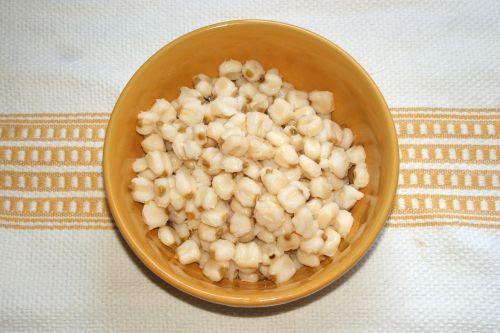
The everyday grain foods of ancient Mesoamerica were not centered on the loaf but on the hand-shaped, griddle-cooked, steamed, and wrapped forms made possible by masa. Tortillas and tamales stood at the heart of this world. They were not secondary foods awaiting replacement by wheat bread, nor were they merely humble accompaniments to more important dishes. They were foundational forms through which maize became portable, shareable, storable, and socially meaningful. A tortilla could be eaten plain, dipped into sauce, wrapped around fillings, used to scoop beans or stews, or served beside chiles, squash, fish, turkey, insects, greens, and other foods. A tamal could be carried into fields, packed for journeys, served at markets, prepared for feasts, or offered in ritual settings. These foods also reveal the material difference between a wheat-bread culture and a masa culture. Their primary technologies were not kneading for gluten, waiting for fermentation, or baking in a masonry oven, but soaking, grinding, patting, wrapping, steaming, and cooking over direct heat. Their forms emerged from the properties of maize itself and from the knowledge required to make nixtamalized dough behave in useful ways. Together, tortillas and tamales reveal a world in which “daily bread” existed without wheat, without yeast, and without the European oven.
The tortilla’s importance lay partly in its simplicity and partly in its flexibility. Made from nixtamalized maize dough and cooked on a comal, it turned grain into a flat, edible surface that could accompany almost anything. Its function resembled bread in many societies, but its technology and cultural meaning were distinct. The tortilla was at once staple, utensil, wrapper, and measure of domestic labor. It could be fresh and hot from the hearth, taken to the fields, sold in markets, or served in elite households alongside elaborate sauces and delicacies. The apparent plainness of the tortilla should not obscure the sophistication behind it. Every tortilla carried the previous steps of maize cultivation, nixtamalization, grinding, kneading, shaping, and careful cooking. It was a daily object, but it was not a simple one.
Tamales expanded the possibilities of masa in another direction. By wrapping dough in maize husks, leaves, or other coverings and steaming it, Mesoamerican cooks created a food that could be filled, flavored, transported, stored, and adapted to many occasions. Tamales could be plain or elaborate, savory or sweet, ordinary or ceremonial. Their wrapping made them especially useful as portable food, but it also gave them ritual potential, since the act of enclosing and unveiling food could carry symbolic weight. A tamal was a contained food, a small packet of grain transformed by heat, moisture, and enclosure. This made it practical in ways that tortillas were not: it could protect fillings, preserve moisture, and travel more easily than many loose or sauced foods. Yet its practicality did not limit its meaning. In the Nahua world described by early colonial sources, tamales appeared in feasts, offerings, and calendrical ceremonies as well as everyday meals. Different kinds of tamales could mark different occasions, and their preparation could scale from household cooking to communal production. This range matters because it shows that masa foods did not divide neatly into “ordinary” and “sacred” categories. The same basic technology could feed workers, honor gods, mark festivals, and structure communal gathering.
Markets made this masa-based food world visible on a large scale. In major urban centers, especially the great market of Tlatelolco described by Spanish observers, prepared foods circulated alongside raw ingredients, tools, textiles, luxury goods, and tribute items. Tortillas, tamales, sauces, maize drinks, and other ready-to-eat foods could be bought and consumed within a complex commercial environment. This means that masa culture was not confined to household subsistence or rural tradition. It belonged to cities, trade networks, and professional food preparation as well. Vendors, cooks, farmers, porters, and consumers all participated in a system that connected domestic skill to urban exchange. The Spanish often marveled at the scale and order of Mesoamerican markets, but what they encountered was not culinary simplicity. It was a mature food economy in which maize foods moved through both household and public life.
The preparation of tortillas and tamales also reveals how deeply food history is tied to gender and labor. Much of the daily work of transforming maize into food fell to women, whose grinding, shaping, cooking, and serving sustained families and communities. This work was repetitive enough to be expected and often undervalued, but it was central to the functioning of Mesoamerican society. The household was a site of production as much as consumption. A ruler’s palace, a farmer’s household, a market stall, and a ritual feast all depended on the labor that converted maize into edible form. To call tortillas “daily bread” is not only to identify their dietary role. It is to recognize the enormous hidden labor behind the daily reproduction of social life.
The absence of wheat did not mean the absence of breadlike functions. Tortillas and tamales fed bodies, structured meals, carried flavor, organized work, circulated through markets, and appeared in ceremonies. They did much of what bread did in Europe, but they did it through Mesoamerican technologies and meanings. This distinction is essential. If European bread is treated as the standard, tortillas and tamales appear as substitutes, as though their historical significance lies mainly in how closely they resemble the loaf. But that reverses the proper question. The issue is not whether masa foods were almost bread, but how Mesoamerican societies solved the same fundamental problems that bread solved elsewhere: how to turn grain into daily nourishment, how to make staple food portable and shareable, how to embed labor into household routine, and how to give ordinary eating a place within ritual and social order. If Mesoamerican foodways are taken seriously on their own terms, tortillas and tamales appear not as incomplete breads but as the central grain forms of a sophisticated civilization. Wheat would later enter this world through conquest, colonization, and religious transformation, but it did not arrive in an empty culinary landscape. It arrived in a world already sustained by masa, where daily bread had long been made without wheat.
Sacred Dough: Amaranth, Tzoalli, Papalotlaxcalli, and Ritual Food
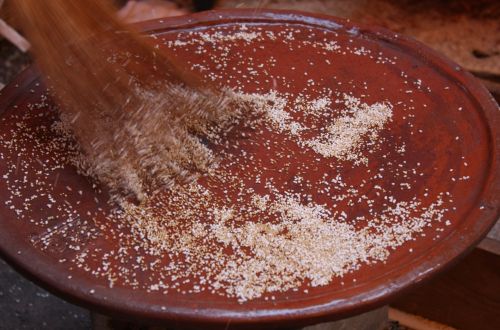
If tortillas and tamales reveal the everyday power of masa, ritual foods reveal the sacred force that Mesoamerican peoples could give to dough, grain, and shaped edible matter. In ancient Mesoamerica, food did not belong only to the stomach. It belonged to the altar, the calendar, the marketplace, the household, the body, and the gods. Maize, amaranth, cacao, maguey, honey, chiles, and other foods could be consumed, offered, exchanged, or transformed into sacred signs. This matters for the history of bread because the later development of ritual breads in Mexico, especially breads connected to death, feast days, and Catholic calendars, did not emerge in a cultural vacuum. Long before wheat flour became part of colonial ritual life, Mesoamerican peoples already used grain-based foods to mediate between humans and divine powers.
Amaranth held a particularly important place in this sacred food world. Although maize was the dominant staple, amaranth was valued for its nutritional density, ritual associations, and ability to be shaped when mixed with sweeteners such as honey or maguey syrup. In Nahua contexts, amaranth seed could be combined into a doughlike substance known as tzoalli, which was formed into images of deities and consumed in ceremonial settings. This was not ordinary eating. The food was shaped into sacred presence, handled within ritual time, divided, and eaten as part of religious action. The act of consumption carried meanings that went far beyond nourishment. To eat such a substance was to participate in a ritual relationship between human beings and divine beings, between bodies made of food and gods made temporarily edible.
The most famous and controversial uses of tzoalli involved deity images. Early colonial descriptions, especially those associated with Bernardino de Sahagún and other observers of Nahua religion, describe images made of amaranth dough and other ingredients, adorned and treated as embodiments or representations of divine beings. These figures could be dressed, carried, honored, broken apart, distributed, and consumed in ways that made the boundary between image, offering, and food deliberately unstable. For Spanish missionaries, such practices were alarming not simply because they were “idolatrous” in Christian terms, but because they seemed to echo, rival, or parody Christian sacramental eating. A shaped, sacred food-body consumed by worshippers could appear uncomfortably close to the Eucharist, even though it belonged to a different religious logic. That resemblance was intensified by the fact that the food did not merely symbolize sacred presence from a distance; it was handled, divided, and eaten by participants. Missionaries encountered not a vague pagan custom but a sophisticated ritual system in which edible matter could become a temporary body of divine power. This resemblance helped make amaranth ritual especially vulnerable to colonial suppression and reinterpretation.
The point is not that tzoalli was “the same as” Christian communion, nor that later Mexican ritual breads descend from it in a simple, direct line. The more careful conclusion is that Mesoamerican religious foodways already contained a powerful grammar of edible sacredness. Dough could become an image. Grain could become a body. Sweetness could mark offering. Eating could become communication with divine forces. These ideas did not disappear when Spanish Catholicism entered the region, but neither did they remain unchanged. They were attacked, translated, hidden, redirected, and sometimes absorbed into new colonial forms. The later history of Mexican ritual bread must be understood as a field of negotiation rather than a neat survival story.
Papalotlaxcalli belongs to this same interpretive terrain, though it requires especially cautious treatment. The term is often associated with butterfly-shaped or butterfly-marked ritual food, and the butterfly itself carried rich symbolic associations in central Mexican religious thought, including transformation, fire, souls, warriors, and the movement between worlds. As with many pre-Hispanic food terms preserved through colonial texts and later scholarship, the precise forms, occasions, and meanings can be difficult to reconstruct with certainty. That uncertainty is itself historically important, because it reminds us that much of what is known about Indigenous ritual food passed through colonial description, translation, suppression, and reinterpretation. Nahuatl terms were filtered through Spanish alphabetic writing, missionary agendas, and later antiquarian or nationalist readings. Still, the very possibility of shaped or symbolically marked grain foods is significant. It suggests a ritual imagination in which food form mattered: what was eaten could be molded into signs, bodies, animals, cosmic symbols, or offerings that carried meaning through shape as well as substance. Whether a particular papalotlaxcalli was a butterfly-shaped tortilla, a marked offering, or part of a wider family of ceremonial food forms, it points to a broader principle: Mesoamerican ritual eating often depended not only on what food was made from, but also on how it was shaped, displayed, named, and consumed.
This symbolic shaping of food offers an important bridge to later Mexican breads without collapsing the differences between them. Pan de muerto, rosca de reyes, and other ritual breads belong to a wheat-based, Catholic, colonial, and postcolonial world, not simply to an unchanged pre-Hispanic past. Yet their use of shaped dough, seasonal timing, sweetness, decoration, bodily symbolism, and communal consumption resonates with older Mesoamerican habits of making food visible as ritual meaning. Dough bones on pan de muerto, for example, should not be treated as a direct continuation of one ancient form, but they do belong to a broader Mexican history in which edible material can speak about death, ancestors, divine forces, and renewal. The round loaf, the crossed strips, the sugar, the flavorings, the seasonal appearance on altars and tables, and the sharing of the bread among the living all participate in a ritual language that is both Catholic and locally Mexican. Its meanings are layered rather than singular. One layer belongs to All Saints’ and All Souls’ Day, another to colonial wheat and sugar, another to Indigenous practices of feeding and remembering the dead, and another to modern national identity and family custom. The continuity lies less in an unbroken recipe than in a recurring cultural practice: using shaped grain food to make invisible relationships tangible.
This sacred food history also complicates the meaning of “bread” in Mesoamerica. European bread traditions often linked wheat loaves to Christian symbolism, especially through the Eucharist, but Mesoamerica already possessed its own traditions of sacred grain and edible offering. The Spanish introduced wheat bread into a region where ritual eating was already highly developed. That fact changes the story. Wheat did not bring sacred food to Mesoamerica; it entered an existing world of sacred food. What changed after conquest was the material, institutional, and theological framework within which ritual foods were made and interpreted. Amaranth, maize, honey, and maguey syrup met wheat flour, sugar, lard, ovens, saints’ days, church calendars, and colonial discipline.
The history of tzoalli, papalotlaxcalli, and related ritual foods prepares the ground for understanding later Mexican baking as more than European importation. The panadería did not simply replace the temple, and Catholic breads did not simply preserve Indigenous rites unchanged. Instead, ritual food moved through rupture. Some practices were condemned; others were reimagined; still others survived in altered meanings, domestic customs, seasonal offerings, and regional memories. In this long process, dough remained a medium through which people thought about life, death, divinity, community, and the body. Before wheat became Mexican, Mesoamerican peoples already knew that grain could be made sacred by the hand, the calendar, the offering, and the act of eating.
Conquest and the Arrival of Wheat
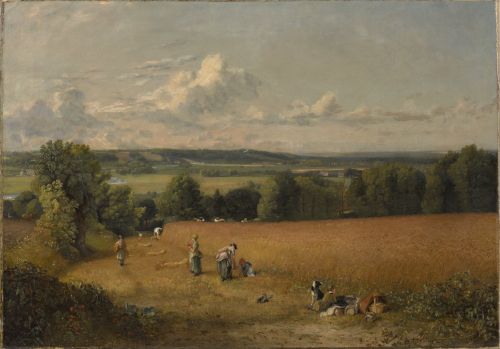
The Spanish conquest brought wheat to Mesoamerica, but wheat arrived as part of a much larger colonial transformation. It came with soldiers, missionaries, settlers, livestock, mills, ovens, new legal regimes, new land claims, and new ideas about what civilized food was supposed to be. For Europeans raised within Mediterranean and Iberian food traditions, wheat bread was not merely one staple among others. It was a marker of Christian life, social status, bodily health, and cultural familiarity. In the wake of conquest, Spaniards entered a world already sustained by maize, masa, tortillas, tamales, amaranth, beans, chiles, and local food systems, but they often interpreted that world through assumptions carried from Europe. Wheat entered Mesoamerica not simply as an agricultural crop but as a cultural judgment.
The symbolism of wheat was especially powerful because of its relationship to Christianity. In Catholic sacramental life, wheat bread held a privileged place in the Eucharist, and this theological importance helped distinguish wheat from other grains in Spanish eyes. Maize could feed bodies, and it often fed Spaniards as well as Indigenous peoples, especially in the early colonial period. But wheat carried the authority of the altar, the Mass, and European identity. The distinction was not merely nutritional; it was theological and social. Bread made from wheat belonged to the sacramental grammar of Catholicism, while maize, however sustaining, did not occupy the same official ritual position within the church. That difference gave wheat a symbolic value that could survive even when wheat was scarce, expensive, or impractical. This did not mean that every colonist had easy access to wheat bread, nor that wheat immediately became common across Mesoamerica. It meant that wheat possessed a symbolic force out of proportion to its early material availability. To cultivate wheat, bake wheat bread, and consume it regularly was to participate in a colonial order that linked food to religion, race, class, and power.
The practical introduction of wheat was uneven. Wheat required land suited to its cultivation, dependable water, draft animals, mills, bakers, fuel, ovens, and distribution networks. Some highland areas of New Spain proved more favorable than hot lowland regions, and Spanish settlement patterns encouraged wheat production around colonial towns, missions, monasteries, estates, and urban markets. The crop also required new forms of labor organization and new relationships to land. Fields that had supported Indigenous agriculture could be drawn into colonial estates, tribute demands, and market-oriented production, while mills and ovens tied grain to new infrastructures of processing and sale. In some places wheat cultivation became part of the material landscape of Spanish power, visible in haciendas, ecclesiastical holdings, and urban supply chains. Yet wheat could not simply displace maize, because maize was better adapted to many local environments, deeply embedded in Indigenous agriculture, and supported by existing knowledge and labor. Maize also produced more than food; it sustained social routines, household authority, ritual practice, and local ecological knowledge. Colonial food history was not a simple substitution of one grain for another. It was the formation of a dual system in which wheat gained prestige and institutional support while maize retained demographic, ecological, and cultural dominance.
This dual system exposed the social meanings of food. In Spanish colonial ideology, wheat bread could signify Spanishness, Christianity, refinement, and authority, while maize foods were frequently associated with Indigenous identity and lower status. Such associations were never absolute, because actual eating habits were more flexible than ideology. Spaniards consumed maize, Indigenous people encountered wheat, and mixed communities developed hybrid diets. Still, colonial categories mattered. Food became one way that bodies were classified and ranked. What people ate, what others thought they should eat, and what officials, priests, physicians, and chroniclers said about food all helped organize the symbolic world of colonial society. Wheat bread became one of the edible signs through which conquest tried to make itself ordinary.
Indigenous foodways proved extraordinarily resilient. Maize did not vanish from colonial life; it remained central to survival, tribute, household labor, market exchange, and regional identity. Indigenous communities continued to grow, process, and consume maize in forms that had long sustained them. Tortillas and tamales did not cease to matter because wheat had arrived. If anything, the persistence of masa showed the limits of colonial transformation. Spaniards could introduce new crops, demand labor, reorganize landholding, and impose Christian ritual calendars, but they could not easily uproot the daily technologies through which Indigenous households fed themselves. The conquest altered the food world, but it did not erase the metate, the comal, the tamal, or the tortilla.
Wheat also entered Mesoamerica through institutions that gave it durability. Missions, convents, monasteries, Spanish households, hospitals, military settlements, and urban bakeries all required food supplies that matched European expectations and Christian ritual needs. Mills and ovens became part of colonial infrastructure, and wheat bread gradually moved from an elite or institutional food toward broader urban consumption. These institutions mattered because they made wheat repetitive rather than occasional. The Mass required sacramental bread; Spanish households wanted familiar loaves; urban authorities worried about supply; religious communities needed regular provisions; and colonial markets created opportunities for bakers, millers, merchants, and laborers. Wheat became embedded not only in taste but also in schedules, regulations, property systems, and commerce. Sugar, lard, eggs, dairy, and European baking techniques widened the possibilities of wheat dough, especially as colonial food networks matured. These additions would eventually help produce sweet breads, festive breads, and everyday rolls, but their development depended on the gradual accumulation of ingredients, skills, institutions, and consumers. Yet this process unfolded over generations. The early arrival of wheat did not instantly produce the modern panadería. It created the agricultural, religious, and social conditions from which later bakery culture could grow.
The arrival of wheat, then, should be understood as rupture without replacement. It was a rupture because wheat carried the power of conquest, Christianity, colonial hierarchy, and European taste into a region whose staple grain structure had developed independently over millennia. But it was not replacement because maize remained indispensable and masa continued to organize daily eating. The history that followed was not a clean transition from tortilla to loaf. It was a long negotiation between grains, techniques, rituals, and identities. Wheat became Mexican only by entering a world already shaped by maize, and the bread culture that eventually emerged from colonial Mesoamerica bore the marks of both conquest and continuity.
Colonial Bakeries, Labor, and the Social Meaning of Wheat Bread
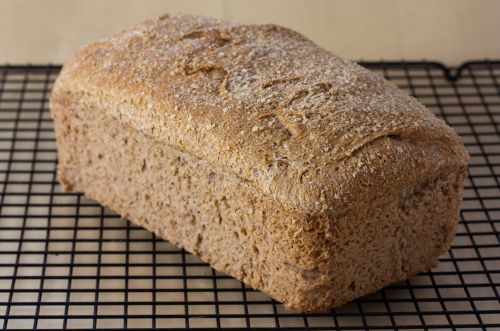
As wheat became established in New Spain, bread moved from imported expectation to colonial institution. Wheat had to be grown, harvested, milled, transported, kneaded, baked, priced, inspected, sold, and consumed within a society structured by conquest. This made bread more than a food. It became part of the machinery of colonial urban life. In Spanish towns and cities, bakeries supplied households, convents, monasteries, hospitals, schools, markets, and administrative centers. They turned wheat into a visible sign of European settlement and Christian order, but they also depended on local labor, colonial regulation, Indigenous and mixed-race workers, and the practical demands of feeding growing urban populations. The bakery was one of the places where conquest became routine.
Colonial bakeries required a different infrastructure from the masa-based household economy. Tortillas and tamales could be made with domestic tools: metates, comales, steamers, leaves, hands, and hearths. Wheat bread demanded mills, ovens, fuel, kneading spaces, storage, and more concentrated forms of production. Grain had to pass through systems of ownership and processing before it became bread. Mills turned harvested wheat into flour; bakeries turned flour into loaves; vendors and shops moved those loaves through the city. This gave wheat bread a public and commercial character that differed from the daily household production of tortillas, even though household baking also existed. The colonial loaf belonged to a world of permits, guildlike skill, price controls, labor supervision, and urban provisioning.
The labor behind this bread was often harsh. Colonial bakeries throughout Spanish America could be places of long hours, debt, confinement, and coercive discipline. Workers might include Indigenous laborers, mestizos, Africans, Afro-descended workers, poor Spaniards, apprentices, and others drawn into the urban labor economy. Baking required skill, but skilled labor did not necessarily mean secure or respected labor. The heat of the oven, the weight of sacks, the discipline of production schedules, and the demands of employers made the bakery a difficult workplace. Workers labored through the night or in exhausting cycles so that bread could be available when the city needed it, and the regularity of bread supply depended on bodies disciplined to the rhythm of production. Debt and dependency could bind workers to employers, while colonial racial hierarchy made some laborers especially vulnerable to coercion and abuse. The bakery exposed the gap between the ideal image of bread and the conditions of its making. From the customer’s side, a loaf might represent order, nourishment, Christian familiarity, or urban refinement. From the worker’s side, it might represent confinement, heat, surveillance, and obligation. Bread’s association with refinement and Christian civilization rested on a contradiction: the food that symbolized order and status was often produced under exploitative conditions by people located far below colonial elites.
Authorities cared about bread because staple foods could become political. In European cities, the price, weight, and quality of bread were matters of public order, and similar concerns appeared in colonial settings. Officials could regulate loaf size, inspect quality, punish adulteration, and intervene when shortages or price manipulation threatened urban stability. Wheat bread did not feed the entire population in the way maize did, but in Spanish colonial towns it became important enough to attract official attention. This regulation reveals the social meaning of bread. A loaf was not simply a private commodity; it was part of the moral and political economy of the city. Bad bread, light loaves, hoarding, or sudden price increases could signal disorder in the colonial body politic.
Yet the social meaning of wheat bread was never fixed. In early colonial ideology, wheat bread marked Spanishness, Christianity, and status, while maize foods were associated with Indigenous life. These boundaries blurred. Indigenous people bought, baked, and consumed wheat bread in some contexts; Spaniards continued to eat maize foods when necessity, taste, or local adaptation required it; and mixed communities developed diets that crossed older categories. Wheat bread remained prestigious, but it also became ordinary in urban life. Its meaning shifted according to place, class, ethnicity, and occasion. A loaf consumed in a convent, a soldier’s ration, a market purchase, a festival bread, and a poor worker’s meal all carried different social meanings, even when made from the same grain. This flexibility is important because colonial food categories were never as stable as they were in official or elite imagination. People ate according to access, habit, price, labor demands, religious calendars, and local taste, not simply according to the racial and cultural meanings assigned to foods by colonial ideology. Wheat bread could be aspirational in one setting and mundane in another; it could signify Spanish order at the altar and common urban necessity in the marketplace. The same food that marked hierarchy could also become part of everyday adaptation, especially in cities where different populations lived, worked, traded, and ate in close contact.
This shifting meaning also affected the relationship between wheat and maize. Colonial wheat bread did not abolish the tortilla; instead, the two foods increasingly occupied overlapping but distinct spaces. Wheat bread became associated with urban markets, ecclesiastical institutions, Spanish-style meals, hospitals, schools, and eventually popular bakeries. Tortillas remained central to household subsistence, Indigenous continuity, rural life, and the deep daily pattern of eating across much of the population. But the boundary was porous. A single colonial town could contain Spanish loaves, Indigenous tortillas, market tamales, convent sweets, Eucharistic wafers, and hybrid dishes shaped by availability and habit. Food identity in New Spain was not a set of sealed compartments. It was a practical negotiation carried out meal by meal.
The colonial bakery helps explain how wheat became Mexican without becoming dominant in the same way maize was dominant. Wheat bread acquired institutions, meanings, and markets. It became tied to religion, urban provisioning, class display, labor discipline, and eventually popular taste. But its success depended on adaptation. Bakers worked in a world where maize remained indispensable, where Indigenous labor and knowledge sustained much of the food economy, and where colonial society constantly blended what it tried to separate. The result was not a European bread culture transplanted intact onto American soil. It was a colonial bread culture made in New Spain: hierarchical, regulated, exploitative, inventive, and increasingly local. From these bakeries would eventually emerge the broader panadería tradition, but its origins were already marked by the tensions of conquest, labor, status, and survival.
Catholic Ritual, Indigenous Memory, and the Making of Pan de Muerto
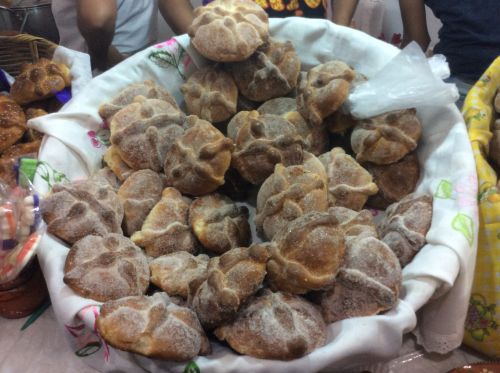
The making of pan de muerto belongs to the long colonial history in which Catholic ritual, Indigenous memory, wheat baking, sugar, and household practice were brought into uneasy but creative relationship. It should not be explained as a simple survival of an Aztec bread, nor as a purely Spanish import placed unchanged on Mexican tables. Its history is more complicated and more interesting than either claim allows. The bread emerged from a world in which Spanish Catholic feast days for the dead encountered Indigenous practices of offering food, sustaining relationships with ancestors, and giving ritual meaning to shaped edible substances. It also emerged from a material world transformed by conquest: wheat fields, mills, ovens, sugar production, church calendars, market baking, and domestic adaptation all helped make such a bread possible. By the time pan de muerto became one of the most recognizable seasonal breads of Mexico, it already carried multiple histories inside it: wheat from colonial agriculture, sugar from imperial economies, Catholic calendars of remembrance, Indigenous forms of ritual offering, and local customs of family, altar, and community. Its importance lies not in a single origin point but in this accumulation of meanings, where a colonial ingredient could be folded into older habits of feeding the dead, honoring memory, and making grief edible.
Catholicism brought its own ritual calendar of death and remembrance to New Spain. All Saints’ Day and All Souls’ Day, observed at the beginning of November, gave Spanish Christianity a structured liturgical time for remembering the dead, praying for souls, visiting graves, and linking the living community to those who had passed beyond it. Bread already had deep symbolic importance in Catholic practice through the Eucharist, and feast-day foods in Iberian tradition often marked sacred time through eating. In the colonial world, these practices were not simply imposed on a blank slate. They entered a Mesoamerican landscape where food offerings to divine beings and the dead had long been part of ceremonial life. Missionaries sought to redirect Indigenous ritual toward saints, souls, crosses, churches, and Christian doctrine, but the material habits of offering food, arranging sacred spaces, marking seasonal time, and feeding relationships between worlds proved difficult to erase.
Indigenous practices surrounding death and offering gave colonial Catholic observance a local depth that cannot be reduced to official theology. In pre-Hispanic Mesoamerica, the dead were not simply absent, and food was one medium through which humans engaged powers beyond ordinary life. Offerings could sustain gods, ancestors, or ritual relationships; maize, amaranth, cacao, flowers, incense, and other substances could make memory visible and tangible. Spanish observers often misunderstood or condemned such practices, especially when they appeared to compete with Christian worship, yet colonial evangelization also depended on accommodation and translation. Indigenous communities learned to work within the new Catholic calendar while preserving older habits of ritual attention: preparing foods, decorating spaces, visiting burial places, and maintaining bonds between the living and the dead. The result was not the survival of an untouched pre-Hispanic festival, but a colonial religious culture in which memory moved through new forms without losing all of its older force.
Pan de muerto developed within this layered ritual world. Its wheat flour marks the colonial introduction of European grain and baking; its sweetness reflects the growing importance of sugar and enriched doughs in colonial and postcolonial foodways; its association with November links it to Catholic commemorations of the dead; and its use on altars and family tables connects it to Mexican practices of offering and remembrance. The familiar round loaf with crossed dough strips and a central knob is often interpreted through bodily symbolism: bones, skull, tears, or the circular return of life and death. Yet these meanings should be treated as accumulated interpretations rather than as evidence of a single origin. Different regions have produced different forms, flavors, decorations, and explanations. Some breads are dusted with sugar; others are flavored with orange blossom or anise; some are human-shaped, animal-shaped, or locally distinctive. This variety shows that pan de muerto is not one fixed relic but a family of ritual breads shaped by region, memory, and practice.
The bread’s power lies precisely in its ability to gather contradictions without resolving them. It is a Catholic-seasonal bread that also feels deeply Indigenous in its altar setting. It is made from wheat, a colonial grain once associated with Spanishness and Christian authority, yet it has become one of the most beloved symbols of Mexican identity. It is sweet and festive, but it belongs to a season of mourning, remembrance, and encounter with death. It appears in commercial bakeries and supermarkets, yet it also belongs to domestic altars, family visits, neighborhood traditions, and intimate acts of remembering. A family buying or baking pan de muerto may participate at once in commerce, devotion, heritage, nostalgia, and affection for the dead. The bread can be displayed before photographs and candles, eaten with coffee or chocolate, shared among relatives, or purchased from a neighborhood bakery whose seasonal production marks the calendar as clearly as any liturgical announcement. Pan de muerto transforms the history of conquest into ritual practice. The colonial grain becomes local; the Catholic calendar becomes Mexican; the altar becomes a place where Indigenous memory and Christian devotion can coexist without becoming identical. Its contradictions are not weaknesses in the tradition. They are the very evidence of how ritual food survives historical rupture: by absorbing new materials, preserving old gestures, and allowing people to remember through practice rather than doctrine alone.
The making of pan de muerto reveals how wheat became meaningful in Mesoamerica not by replacing older foodways but by entering their ritual logic. The bread did not emerge from a simple line running from tzoalli or papalotlaxcalli to modern bakery shelves, and responsible history should resist that kind of easy continuity. Yet neither can it be understood as merely European. Its history lies in the colonial and postcolonial transformation of sacred food: dough shaped into meaning, bread placed before the dead, sweetness offered in the presence of loss, and eating turned into remembrance. In pan de muerto, the larger story of Mesoamerican breadways becomes visible. Maize, amaranth, wheat, Catholicism, Indigenous memory, family ritual, and national culture all meet in one edible form, making the bread not a fossil of the past but a living ritual object remade each year.
Independence, Urban Markets, and the Mexican Panadería
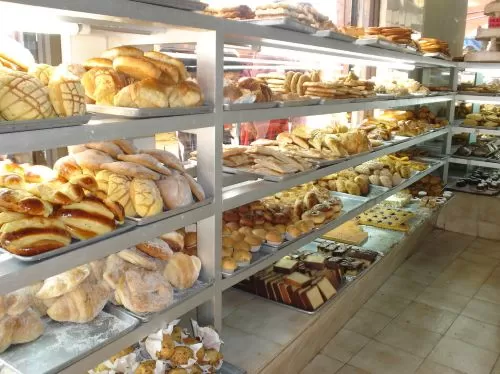
Mexican independence did not sever the colonial history of wheat bread, but it changed the social and political world in which bread was made, sold, and understood. The new nation inherited colonial cities, milling systems, bakeries, convent food traditions, regional grain economies, and a population whose daily eating still depended heavily on maize. Yet independence also opened a long nineteenth-century struggle over national identity, class, modernization, and popular culture. Food became part of that struggle. Wheat bread still carried traces of colonial prestige, but it could no longer be understood only as Spanish food. In towns and cities, bakeries became increasingly Mexican institutions, places where European techniques, colonial habits, Indigenous and mestizo labor, regional preferences, and popular taste came together in new ways.
The panadería developed within this changing urban landscape. It was not simply a shop that sold bread; it was a public food institution. People entered, selected loaves or sweet breads, bought daily staples, and marked feast days through seasonal purchases. Bakeries served neighborhoods, workers, families, travelers, schools, religious communities, and urban markets. Their products ranged from plain breads to enriched sweet breads, from everyday rolls to festive forms. As Mexican cities grew and diversified, the bakery became one of the places where people encountered the modern food economy in ordinary form. It offered regularity, variety, display, and choice. The panadería case, filled with different shapes and textures, made visible a food culture no longer limited to the colonial loaf but not detached from colonial history either.
This rise of bakery culture did not mean that wheat replaced maize as the foundation of Mexican eating. Tortillas remained central across much of the country, especially in rural communities, Indigenous regions, and working households. Maize still structured meals, labor, local agriculture, and cultural identity. But wheat bread gained wider urban presence and entered daily routines in ways that were no longer restricted to Spanish elites or ecclesiastical institutions. A family might eat tortillas with the main meal and still buy bread for breakfast, coffee, chocolate, a child’s snack, a torta, or a saint’s day. Bread could become part of the morning or evening rhythm without displacing the tortilla from the center of the meal. It could accompany hot chocolate, be dipped into coffee, carried to work, shared with children, or purchased as a small pleasure at the end of the day. This is why the relationship between maize and wheat must be described as coexistence rather than succession. Wheat entered more households and more occasions, but maize retained its deeper role as the everyday grammar of Mexican eating. The result was not a linear movement from tortilla to loaf but a widening of the table. Mexican foodways became increasingly plural, with masa and wheat occupying different but overlapping roles.
Urban markets helped make this plural food world possible. Markets had always been central to Mesoamerican life, but nineteenth-century towns and cities brought together older market traditions and newer commercial forms. Bakers, vendors, millers, grain merchants, street sellers, and household consumers participated in a system that linked rural production to urban appetite. Bread could be sold in bakeries, carried through streets, purchased in markets, or incorporated into other prepared foods. The city encouraged specialization: bakers made bread for customers who no longer produced all grain foods at home, while tortilla makers and tamale sellers continued to serve a population that depended on maize. This specialization did not necessarily mean a loss of older food knowledge; rather, it redistributed food labor across households, shops, streets, and market stalls. A city dweller could buy wheat bread from a panadería, tortillas from a tortillería or market vendor, tamales from a street seller, and prepared foods from public stalls, all within the same food landscape. The urban market became a meeting ground for colonial inheritance and Indigenous continuity, for purchased convenience and remembered domestic practice. The marketplace did not simply favor wheat over maize. It gave both grains new ways to circulate.
The panadería also became a site of class expression. Some breads suggested refinement, European taste, or urban respectability; others belonged to everyday popular consumption. Sweet breads, enriched doughs, and decorative forms could mark aspiration, hospitality, or modest pleasure. Plain rolls and simple loaves served more practical needs. The ability to buy bread from a bakery could signal participation in urban modernity, but bakery foods were not confined to the wealthy. They became increasingly popular and accessible, especially in cities where bakeries served mixed neighborhoods. This is one of the important transformations of the post-independence period: wheat bread became less exclusively a symbol of colonial hierarchy and more broadly part of Mexican urban life.
Regional variation remained essential. Mexico did not develop one single bakery tradition any more than it had one single tortilla tradition. Local climates, grain supply, trade routes, Indigenous communities, immigrant influences, religious customs, and urban histories shaped different bread cultures. Some regions developed distinctive sweet breads; others became known for specific rolls, festival breads, or bakery styles. The panadería was both national and local. It could stand as a recognizable Mexican institution while also expressing the tastes of Puebla, Oaxaca, Mexico City, Yucatán, northern towns, mining centers, port cities, and countless smaller communities. This regional diversity complicates any simple story in which wheat bread merely “Europeanized” Mexican food. Mexican bakers and consumers localized wheat again and again.
By the nineteenth century, then, the Mexican panadería had become a bridge between colonial inheritance and national food culture. It carried forward wheat, ovens, enriched doughs, and feast-day baking, but it also absorbed popular taste, regional creativity, and the realities of a society still deeply shaped by maize. The bakery did not replace the tortillería, the household comal, the market tamal, or the masa-based meal. It joined them. It helped create one of the defining features of Mexican food history: the coexistence of grain worlds. Bread after independence was not simply Spanish bread surviving in Mexico. It was becoming Mexican bread, made in cities and towns where the memory of conquest, the endurance of maize, and the demands of modern urban life all met in the daily purchase of a loaf or sweet roll.
French Influence, the Porfiriato, and the Transformation of Pan Dulce
The transformation of pan dulce cannot be separated from the nineteenth-century fascination with Europe, especially France, that shaped elite Mexican culture before and during the Porfiriato. French influence did not create Mexican bread from nothing; wheat baking had been present since the colonial period, and sweetened or enriched breads had already developed through Spanish, convent, regional, and popular practices. But the prestige of French cuisine, pastry, architecture, fashion, and manners gave bakery culture a new symbolic vocabulary. By the late nineteenth century, to admire French taste was to participate in a language of refinement and modernity. Bread and pastry were part of that language. The bakery case became one small but visible stage on which Mexico’s relationship to Europe, class aspiration, popular consumption, and local creativity could be performed.
The Porfiriato intensified this relationship. Porfirio Díaz’s long rule promoted order, progress, foreign investment, urban improvement, and elite cosmopolitanism, and French culture became one of the preferred models through which Mexican elites imagined modernity. Boulevards, cafés, clothing, education, architecture, dining habits, and public manners all reflected this admiration. In food, French influence signaled sophistication, but it also widened the repertoire of techniques available to Mexican bakers. Laminated doughs, delicate pastries, enriched breads, creams, glazes, decorative shaping, and refined bakery display entered a culinary world that already had deep colonial foundations. These techniques mattered not only because they changed recipes, but because they changed expectations about what bakery food could look like, how it could be displayed, and what kinds of pleasure it could offer. A bread could be ornamental as well as nourishing; a sweet roll could express refinement without belonging to a formal banquet; a bakery could become a site of visual abundance as much as daily provisioning. French prestige also encouraged the association of bread and pastry with urban modernity, especially in Mexico City and other centers where cafés, bakeries, shops, and public promenades helped define the habits of respectable city life. The result was not simple imitation. French technique was absorbed into Mexican practice, renamed, sweetened, simplified, elaborated, and made available to consumers far beyond the elite circles that first celebrated it.
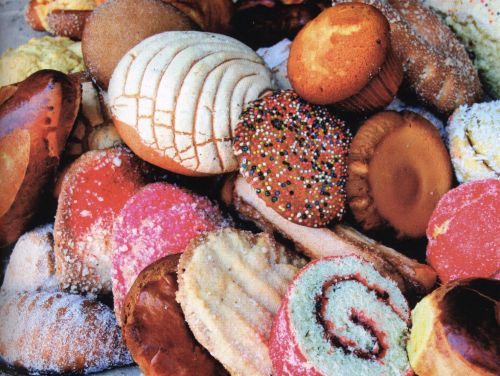
Pan dulce became one of the clearest examples of this transformation. Its very category suggests abundance and variety rather than one single recipe. Conchas, cuernos, orejas, bigotes, besos, campechanas, puerquitos, moños, chilindrinas, and countless regional forms demonstrate how Mexican bakers turned European bakery methods into a popular visual and edible language. Some breads clearly recall French or broader European pastry traditions; others show Iberian, conventual, Indigenous, or local influences; still others are difficult to reduce to a single origin. What matters is the process of localization. A pastry technique that once signaled elite European taste could become a neighborhood bakery staple. A shape borrowed from Europe could receive a Mexican name, a new texture, a different sweetness, or a place in the daily rhythm of coffee, chocolate, breakfast, merienda, or family visits.
The concha is especially useful for understanding this process. Its enriched bread base and sweet topping show the influence of European sweet doughs, but the finished bread is unmistakably Mexican in form, name, texture, and cultural meaning. Its shell-like pattern is both decorative and practical, turning a simple roll into a recognizable object of pleasure and memory. It is not merely a derivative of European baking. It is a Mexican invention built from borrowed and inherited techniques. The concha’s popularity also reveals the democratization of bakery culture. What may have begun in elite fascination with European refinement became part of everyday popular eating. A concha with coffee or hot chocolate does not announce foreignness to most consumers; it announces familiarity, comfort, childhood, neighborhood, and home.
This is the larger story of pan dulce: European influence became Mexican by being ordinary. The prestige of France helped introduce or elevate certain techniques, but the power of pan dulce came from its incorporation into everyday life. Mexican bakeries transformed pastry from elite performance into accessible pleasure. The customer entering a panadería did not need to know the genealogy of each bread to participate in the culture. Selection itself became part of the experience: taking a tray and tongs, choosing by sight and memory, recognizing shapes, comparing textures, buying something for oneself or for the household. The bakery offered small luxuries at modest scale. In a society marked by inequality, that mattered. Sweet bread could be aspirational without being unreachable, refined without being formal, European in ancestry without being foreign in use. It could also cross generations with unusual ease: children learned the names and shapes before they knew anything of France or the Porfiriato, while adults attached particular breads to habit, comfort, work breaks, family visits, and neighborhood routine. The panadería turned imported prestige into shared memory. What had once been associated with elite cosmopolitan culture became part of ordinary Mexican sociability, where choosing bread was not merely consumption but a small ritual of recognition, taste, and belonging.
The French influence on Mexican baking must be understood as one layer within a longer, more complex food history. It did not erase colonial Spanish bread, convent sweets, Indigenous grain traditions, or the continuing centrality of maize. Instead, it joined them. The Mexican panadería became a palimpsest of techniques and meanings: Spanish wheat and Catholic feast days, Indigenous habits of shaped ritual food, local sweeteners and flavors, French pastry prestige, urban commerce, and popular naming practices. Even breads that seem European in origin became Mexican through repetition, adaptation, and social use. The transformation was cultural as much as culinary. Techniques crossed borders, but meanings were remade in bakeries, households, markets, and neighborhoods.
The irony of the Porfirian embrace of French taste is that it helped produce one of the most popular and recognizably Mexican food traditions. Elite admiration for Europe did not simply Europeanize Mexico; it also gave Mexican bakers new materials with which to create local forms. After the Revolution, when Porfirian elitism itself became politically suspect, pan dulce did not disappear as a symbol of foreign affectation. It survived because it had already been popularized, domesticated, and woven into everyday life. In that survival lies the deeper pattern of Mesoamerican bread history. Wheat entered through conquest, French technique through elite modernity, but both became Mexican only when absorbed into local practice. Pan dulce is not a sign that Mexican bread culture abandoned masa or surrendered to Europe. It is evidence that Mexican foodways could take foreign prestige, break it open, sweeten it, rename it, and make it their own.
Bolillos, Tortas, and Everyday Wheat Bread
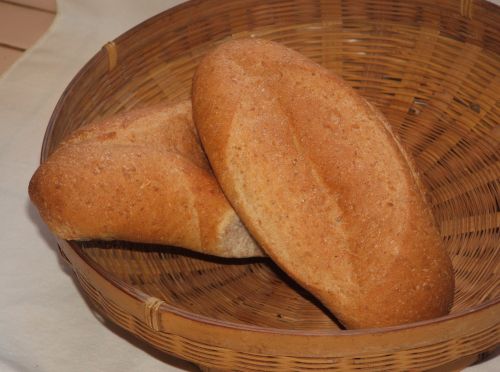
If pan dulce shows how wheat became a language of sweetness, display, and modest pleasure, the bolillo shows how wheat became ordinary. The bolillo is one of the clearest examples of European-style bread becoming fully Mexican through everyday use. Its crusty exterior, soft interior, elongated football shape, and central slash suggest the influence of French and European baking, especially the baguette and related white breads. Yet the bolillo is not simply a foreign roll preserved in Mexican form. It became part of the daily structure of eating: inexpensive, practical, widely available, and adaptable to foods that were already Mexican in flavor, setting, and social meaning. It was the bread of the torta, the mollete, the lunch counter, the bakery bag, the school snack, and the household table.
The bolillo’s importance lies partly in its contrast with pan dulce. Sweet bread often announces pleasure, seasonality, childhood memory, or the ritual of coffee and chocolate. The bolillo is plainer, more workmanlike, and more directly tied to meals. It is bread as vehicle. Split open, it can carry beans, cheese, avocado, chiles, milanesa, eggs, ham, carnitas, pierna, chicken, or countless regional fillings. Toasted and covered with refried beans and cheese, it becomes the base of molletes. Hollowed, soaked, crisped, or softened, it can move between snack, street food, breakfast, and supper. Its neutrality is its strength. Like the tortilla, it does not need to dominate the meal in order to organize it.
The torta made the bolillo especially important because it localized the sandwich. The sandwich form may be European in broad ancestry, but the Mexican torta is not merely an imported sandwich with Mexican ingredients. It belongs to the street, the market, the lunch counter, the school day, the bus station, the working break, and the urban appetite for portable, filling food. A torta can be quick and practical or enormous and elaborate. Its fillings draw from Mexican cooking, immigrant influence, regional taste, and popular invention. The bolillo or related roll provides structure, but the identity of the torta comes from the combination of bread, filling, salsa, texture, heat, and context. The torta shows how wheat bread entered the same practical world that tortillas had long occupied: the need to wrap, hold, carry, and concentrate a meal in the hand.
Yet the bolillo did not replace the tortilla, and its history makes sense only if the two are seen together. The tortilla remained the deeper staple of Mexican food culture, especially in meals organized around stews, beans, chiles, meats, and shared dishes. The bolillo occupied different spaces: bakery, sandwich, breakfast, street food, café, urban lunch, and certain household routines. In some contexts, the two could even meet on the same table, each doing different work. A meal might include tortillas for one dish and bolillos for another; a household might buy both masa products and bakery bread in the same day. This coexistence is one of the defining features of Mexican grain culture. Wheat became ordinary without making maize obsolete.
The bolillo also carried social meanings shaped by class, urbanization, and modern labor. Because it was inexpensive and filling, it could become popular across social lines, but its uses often reflected the rhythms of workers, students, commuters, and city dwellers. A torta could be eaten quickly, carried easily, and adapted to whatever fillings were available. The bolillo belonged to a modernizing food economy in which people increasingly bought prepared or semi-prepared foods outside the home. It connected the panadería to the street vendor, the home kitchen to the market stall, and the older history of colonial wheat bread to the newer demands of urban mobility. The bread’s simplicity made it democratic, even if wheat itself had once carried colonial prestige.
The everyday success of the bolillo shows how completely wheat could be localized once it became useful in Mexican terms. Its value did not depend on preserving French prestige or Spanish identity. It depended on how well it served Mexican eating. As a roll, it was European in ancestry; as the backbone of tortas and molletes, it became Mexican in practice. The bolillo belongs to the same larger story as pan dulce and pan de muerto, but with a different emphasis. It is less ceremonial than pan de muerto, less decorative than the concha, and less ancient in meaning than the tortilla. Yet it is indispensable precisely because it is ordinary. In the bolillo, wheat bread ceased to be merely colonial, elite, or foreign. It became daily bread.
The Modern Panadería as Living Archive

The modern Mexican panadería is more than a place to buy bread. It is a living archive of the long history through which maize, wheat, ritual, colonial power, European influence, popular creativity, and family memory came to share the same food world. Its shelves and cases preserve traces of many pasts at once: the Spanish introduction of wheat, the institutional discipline of colonial bakeries, the sweetness of convent and festival traditions, the prestige of French technique, the popularization of pan dulce, the everyday practicality of bolillos, and the seasonal return of ritual breads for the dead. A single visit can place these histories side by side without explanation: a bolillo for tortas, a concha for coffee, a puerquito for a child, a seasonal loaf for an altar, a tray of sweet breads chosen by habit rather than by historical awareness. This is part of the panadería’s power. It does not preserve the past by freezing it, labeling it, or separating it from ordinary life. It preserves the past by making it edible, affordable, repeatable, and familiar. Nothing in the panadería needs to announce this history explicitly. The archive works through repetition: the morning purchase, the evening errand, the familiar tray and tongs, the remembered shape, the bread chosen because a parent or grandparent once chose it.
This is why the panadería should not be understood simply as a European inheritance. Its ingredients and techniques often point toward Spain, France, and the wider Atlantic world, but its meanings have been remade through Mexican use. A concha may carry the memory of enriched European dough, but it belongs to Mexican breakfast tables, bakery windows, school snacks, coffee breaks, and childhood nostalgia. A bolillo may descend from European white bread traditions, but it becomes Mexican through tortas, molletes, beans, chiles, and the everyday economy of the neighborhood bakery. Pan de muerto may use wheat flour and sugar, but it belongs to altars, photographs, candles, family remembrance, and the ritual calendar of death. The panadería gathers these forms together not as museum specimens but as foods that remain socially active.
The bakery also preserves the layered coexistence of wheat and maize. The rise of Mexican bread culture never eliminated the tortilla, the tamal, the comal, the tortillería, or the household memory of masa. Instead, it added another grain world to a food culture already organized around corn. Modern Mexican eating often moves easily between these forms. A household may buy bolillos in the morning, tortillas for the main meal, pan dulce for coffee, and pan de muerto in season. This coexistence is not a contradiction. It is one of the defining features of Mexican food history. The panadería does not mark the victory of wheat over maize. It shows how wheat became Mexican by finding roles that maize did not need to surrender.
In diaspora, the panadería can become even more explicitly an archive of memory. Mexican bakeries in the United States and elsewhere often function as community spaces where food recalls language, family, region, migration, and belonging. The smell of sweet bread, the sight of conchas and puerquitos, the purchase of bolillos for tortas, or the seasonal arrival of pan de muerto can condense a complicated history of movement into an immediate sensory experience. For migrants and descendants of migrants, bread may become a way of keeping contact with places and people separated by distance. This does not freeze the panadería in nostalgia; diaspora bakeries also innovate, adapt to new ingredients and customers, and create hybrid forms of their own. But their power rests partly on the fact that bread can carry memory without needing explanation.
The modern panadería brings the central argument into one visible space. Mesoamerican bread history was never a simple passage from Indigenous tortilla to European loaf. It was a layered process in which old and new grains, sacred and ordinary foods, colonial violence and local invention, elite taste and popular use, all became part of a shared culinary landscape. The bakery case is a quiet map of that history. In it, wheat is no longer only the grain of conquest, French pastry is no longer only the style of elites, and ritual bread is no longer only a church inheritance or an Indigenous survival. Each has been remade by use. The panadería endures because it does what Mesoamerican foodways have always done: it turns grain into sustenance, memory, identity, and social life.
Are We Stretching the Meaning of “Bread” Too Far?
The following video from “Grains and Grit” discusses breads in Mexico:
The risk is that we may stretch the word “bread” beyond usefulness. If bread is defined technically as a baked product made from cereal flour, especially wheat, often leavened or oven-baked, then pre-Hispanic Mesoamerica did not have bread in the European sense. It had tortillas, tamales, atoles, maize cakes, amaranth ritual foods, and other grain preparations with their own names, technologies, and meanings. To call these foods “bread” risks making Europe the hidden standard against which Indigenous foodways are measured. The danger is subtle but serious: tortillas become “flatbreads,” tamales become “breadlike,” tzoalli becomes a kind of sacred bread, and Mesoamerican categories are quietly translated into a vocabulary that does not belong to them. A critic could reasonably argue that such language repeats the very colonial habit this seeks to resist.
This challenge is especially important because food words are not neutral. They carry histories of power, taste, technology, and identity. “Bread” in Spanish and European Christian tradition was tied to wheat, the oven, the Eucharist, social status, and ideas about civilization. “Tortilla,” “tamal,” “atole,” “tzoalli,” and other Indigenous or colonial food terms belong to different material and symbolic worlds. The metate is not the mill; the comal is not the oven; nixtamalized maize dough is not gluten-based wheat dough; steaming a wrapped tamal is not baking a loaf. If these distinctions are blurred, the history of Mesoamerican food can become too smooth, as if all grain cultures were moving toward the same endpoint. That would flatten the very diversity we are trying to recover.
The same problem appears in narratives of continuity between pre-Hispanic ritual foods and modern Mexican breads. It is tempting to draw a direct line from amaranth figures, papalotlaxcalli, or offerings for the dead to pan de muerto, but such a line can be misleading. Pan de muerto belongs to a colonial and postcolonial world shaped by Catholic calendars, wheat flour, sugar, commercial bakeries, regional variation, and modern national identity. It is not simply an Aztec ritual food with new ingredients. Its form, timing, flavor, and symbolism emerged through centuries of negotiation among church observance, household practice, local memory, market baking, and changing ideas of Mexican identity. The bread may resonate with older Mesoamerican practices of feeding the dead or shaping edible offerings, but resonance is not the same as direct descent. Likewise, the bolillo is not the natural evolutionary descendant of the tortilla. It is a wheat roll shaped by colonial agriculture, urban baking, European technique, and Mexican adaptation. The tortilla and the bolillo may both organize meals, carry fillings, and serve as everyday grain foods, but they belong to different technologies and histories. Overstating continuity does risk turning conquest into a gentle culinary transition rather than a violent rupture that reorganized land, labor, religion, and food hierarchy. A more responsible interpretation must hold both truths together: older Mesoamerican food logics survived and influenced later practice, but colonial wheat breads were also products of invasion, coercion, religious transformation, and new economic systems.
Yet this critique does not require abandoning the argument. It requires sharpening it. The point is not that tortillas, tamales, tzoalli, bolillos, conchas, and pan de muerto are all the same thing under the universal label of bread. They are not. The point is that Mesoamerican food history includes several different systems for turning grain into daily nourishment, sacred substance, social identity, and ritual memory. “Bread” is useful only if treated as a contested comparative term rather than a simple category. Used carelessly, it colonizes the subject. Used carefully, it exposes the problem itself: why European wheat loaves were treated as “real bread,” why Indigenous grain foods were often subordinated or misunderstood, and how later Mexican baking emerged from both rupture and adaptation.
The counterpoint strengthens the final interpretation by forcing a more precise conclusion. The history from masa to panadería is not a story of replacement, nor even a simple story of evolution. It is a story of coexistence, translation, conflict, and layered meaning. Mesoamerica did not need wheat to have sophisticated grain foods, and Mexican bread culture did not become meaningful merely by imitating Europe. Wheat became Mexican only when it entered a world already organized by maize, masa, ritual offering, household labor, market exchange, and sacred eating. The term “bread” must remain under pressure throughout, because that pressure reveals the larger historical truth: in Mesoamerica, the loaf was only one late arrival in a much older history of dough.
Conclusion: From Masa to Panadería
The history of bread in Mesoamerica begins before bread, if bread is understood in the narrow European sense of a wheat loaf. It begins with maize, nixtamalization, masa, tortillas, tamales, amaranth, offerings, markets, household labor, and ritual eating. Ancient Mesoamerican societies did not lack a bread culture because they lacked wheat. They created a different grain civilization, one in which the staple dough was shaped by the metate, the comal, the steamer, the hand, the altar, and the calendar. Masa fed cities, sustained workers, structured households, and carried cosmological meaning. Before the Spanish introduced wheat, Mesoamerica had already developed a profound history of turning grain into life.
The arrival of wheat after the conquest changed that history without erasing it. Wheat came as a colonial grain, bound to Spanish identity, Catholic sacrament, urban regulation, mills, ovens, bakeries, labor discipline, and hierarchies of race and class. It entered Mesoamerica through violence, evangelization, settlement, and institutional power. Yet it did not simply replace maize, nor did European bread culture arrive intact and remain foreign. Over generations, wheat was absorbed into local practice. Colonial bakeries became Mexican panaderías; ritual bread entered altars for the dead; French pastry techniques were sweetened, renamed, and popularized; bolillos became the foundation of tortas and molletes; and pan dulce became part of neighborhood, family, and memory. Wheat became Mexican not by conquering masa, but by finding a place beside it.
This coexistence is the central lesson of the long movement from masa to panadería. The tortilla and the bolillo are not opposites, and neither one alone can explain Mexican bread history. The tortilla preserves the deep authority of maize, Indigenous technology, household labor, and daily continuity. The bolillo reveals the localization of wheat, European technique, urban eating, and popular practicality. Pan de muerto gathers Catholic ritual, Indigenous memory, colonial ingredients, and family remembrance into one seasonal form. The concha turns foreign technique into familiar pleasure. The panadería brings these histories together in a single public space, where conquest, adaptation, labor, sweetness, death, childhood, migration, and ordinary hunger appear not as abstractions but as things people buy, share, and eat.
The story, then, is not that Mesoamerica moved from tortillas to bread, as if wheat completed a missing chapter. Nor is it that Indigenous foodways survived untouched beneath a thin European surface. The truer history is more layered and more powerful: maize endured, wheat was transformed, ritual changed shape, and Mexican bread culture emerged from the tension between rupture and continuity. In Mesoamerica, bread was never only the loaf. It was masa in the hand, amaranth in the temple, wheat in the colonial oven, sugar on the concha, bones on the pan de muerto, and the daily act of turning grain into sustenance, memory, identity, and belonging.
Bibliography
Affiliate disclosure: Amazon links on this site are paid links. As an Amazon Associate I earn from qualifying purchases.
- Austin, Alfredo López. The Human Body and Ideology: Concepts of the Ancient Nahuas. 2 vols. Translated by Thelma Ortiz de Montellano and Bernard R. Ortiz de Montellano. Salt Lake City: University of Utah Press, 1988.
- Beezley, William H. Judas at the Jockey Club and Other Episodes of Porfirian Mexico. 2nd ed. Lincoln: University of Nebraska Press, 2004.
- Berdan, Frances F. Aztec Archaeology and Ethnohistory. Cambridge: Cambridge University Press, 2014.
- Boone, Elizabeth Hill. Incarnations of the Aztec Supernatural: The Image of Huitzilopochtli in Mexico and Europe. Philadelphia: American Philosophical Society, 1989.
- Brandes, Stanley. Skulls to the Living, Bread to the Dead: The Day of the Dead in Mexico and Beyond. Malden, MA: Blackwell, 2006.
- Carrasco, David. Religions of Mesoamerica: Cosmovision and Ceremonial Centers. 2nd ed. Long Grove, IL: Waveland Press, 2014.
- Clendinnen, Inga. Aztecs: An Interpretation. Cambridge: Cambridge University Press, 1991.
- Coe, Michael D. and Stephen Houston. The Maya. 10th ed. London: Thames & Hudson, 2022.
- Coe, Sophie D. America’s First Cuisines. Austin: University of Texas Press, 1994.
- Earle, Rebecca. The Body of the Conquistador: Food, Race and the Colonial Experience in Spanish America, 1492–1700. Cambridge: Cambridge University Press, 2012.
- Fernández-Armesto, Felipe. Near a Thousand Tables: A History of Food. New York: Free Press, 2002.
- Gibson, Charles. The Aztecs under Spanish Rule: A History of the Indians of the Valley of Mexico, 1519–1810. Stanford: Stanford University Press, 1964.
- Hassig, Ross. Trade, Tribute, and Transportation: The Sixteenth-Century Political Economy of the Valley of Mexico. Norman: University of Oklahoma Press, 1985.
- Hastorf, Christine A. The Social Archaeology of Food: Thinking About Eating from Prehistory to the Present. Cambridge: Cambridge University Press, 2016.
- Laudan, Rachel. Cuisine and Empire: Cooking in World History. Berkeley: University of California Press, 2013.
- Lockhart, James. The Nahuas after the Conquest: A Social and Cultural History of the Indians of Central Mexico, Sixteenth through Eighteenth Centuries. Stanford: Stanford University Press, 1992.
- Lomnitz, Claudio. Death and the Idea of Mexico. New York: Zone Books, 2005.
- Long, Janet, ed. Conquista y comida: Consecuencias del encuentro de dos mundos. Mexico City: Universidad Nacional Autónoma de México, 1996.
- Morán, Elizabeth. Sacred Consumption: Food and Ritual in Aztec Art and Culture. Austin: University of Texas Press, 2016.
- Nutini, Hugo G. Todos Santos in Rural Tlaxcala: A Syncretic, Expressive, and Symbolic Analysis of the Cult of the Dead. Princeton, NJ: Princeton University Press, 1988.
- Pilcher, Jeffrey M. Planet Taco: A Global History of Mexican Food. New York: Oxford University Press, 2012.
- —-. Que Vivan los Tamales!: Food and the Making of Mexican Identity. Albuquerque: University of New Mexico Press, 1998.
- —-. The Sausage Rebellion: Public Health, Private Enterprise, and Meat in Mexico City, 1890–1917. Albuquerque: University of New Mexico Press, 2006.
- Popol Vuh: The Mayan Book of the Dawn of Life. Translated by Dennis Tedlock. Rev. ed. New York: Simon & Schuster, 1996.
- Reyes, Alfonso. Memorias de cocina y bodega. Mexico City: Fondo de Cultura Económica, 1953.
- Sahagún, Bernardino de. Florentine Codex: General History of the Things of New Spain. Translated and edited by Arthur J. O. Anderson and Charles E. Dibble. 13 vols. Santa Fe, NM: School of American Research and University of Utah, 1950–1982.
- Schell, Patience A. Church and State Education in Revolutionary Mexico City. Tucson: University of Arizona Press, 2003.
- Smith, Michael E. The Aztecs. 3rd ed. Malden, MA: Wiley-Blackwell, 2011.
- Staller, John E., Robert H. Tykot, and Bruce F. Benz, eds. Histories of Maize: Multidisciplinary Approaches to the Prehistory, Linguistics, Biogeography, Domestication, and Evolution of Maize. Burlington, MA: Academic Press, 2006.
- Super, John C. Food, Conquest, and Colonization in Sixteenth-Century Spanish America. Albuquerque: University of New Mexico Press, 1988.
- Taube, Karl A. Aztec and Maya Myths. Austin: University of Texas Press, 1993.
- Taylor, William B. Drinking, Homicide, and Rebellion in Colonial Mexican Villages. Stanford, CA: Stanford University Press, 1979.
- —-. Landlord and Peasant in Colonial Oaxaca. Stanford, CA: Stanford University Press, 1972.
- Tenorio-Trillo, Mauricio. Mexico at the World’s Fairs: Crafting a Modern Nation. Berkeley: University of California Press, 1996.
- Vargas, Luis Alberto, and Janet Long. Food Culture in Mexico. Westport, CT: Greenwood Press, 2005.
- Vaughan, Mary Kay. Cultural Politics in Revolution: Teachers, Peasants, and Schools in Mexico, 1930–1940. Tucson: University of Arizona Press, 1997.
- Viqueira Albán, Juan Pedro. Propriety and Permissiveness in Bourbon Mexico. Translated by Sonya Lipsett-Rivera and Sergio Rivera Ayala. Wilmington, DE: Scholarly Resources, 1999.
- Wheaton, Barbara Ketcham. Savoring the Past: The French Kitchen and Table from 1300 to 1789. New York: Scribner, 1983.
- Williams-Forson, Psyche, and Carole Counihan, eds. Taking Food Public: Redefining Foodways in a Changing World. New York: Routledge, 2012.
Originally published by Brewminate, 06.08.2026, under the terms of a Creative Commons Attribution-NonCommercial-NoDerivatives 4.0 International license.
About the Author