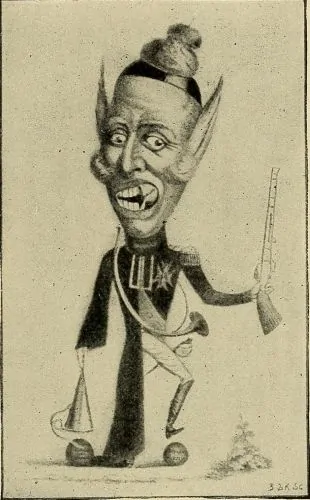
Charles X’s attack on opposition newspapers in July 1830 turned an electoral crisis into open resistance. Popular revolt ended his rule, but the settlement preserved a restricted vote.

By Matthew A. McIntosh
Public Historian
Brewminate
Introduction: The Morning Publishing Became Defiance
On the morning of July 26, 1830, readers of Le Moniteur universel encountered a royal command that threatened the continued appearance of opposition newspapers. Charles X had signed the ordinances at Saint-Cloud the previous day, requiring newspapers to secure authorization before publishing. Defiance resulted in the seizure of printed copies and the removal or disablement of the equipment used to produce them. The decision facing newspaper offices was consequently immediate. They had to determine whether to submit to the new requirement or issue another edition in open rejection of the authority asserted over them.
The confrontation followed elections in June and July that strengthened opposition to the ministry of Jules de Polignac. France’s constitutional arrangements allowed an elected Chamber to obstruct government policy, but the extent to which its majority could determine the king’s choice of ministers remained disputed. Charles X answered the unwelcome result by dissolving the newly elected Chamber before it had assembled. Other provisions changed the electoral arrangements under which its replacement would be chosen, with another contest scheduled for September. Restrictions on newspapers impeded opponents seeking to challenge that intervention and organize for the renewed campaign. The ordinances reveal censorship as an instrument for overcoming an electoral setback within a representative system the crown intended to retain on more favorable terms. The government proposed to solicit another electoral judgment while assuming control over the conditions under which that judgment would be formed. Those who had recently exercised their limited right of political choice would face a new contest in which royal commands determined both the electoral procedures and which newspapers could discuss them.
Meeting at the offices of Le National on July 26, journalists declared that the government had violated the law and released them from the obligation to obey its demands. Their protest connected the right to print with the continued validity of the elections, identifying both as matters the crown could not dispose of on its own authority. They pledged to attempt publication without requesting permission, a commitment carried into effect by several newspapers the following morning. When officials moved against their premises, an argument about the meaning of the Charter became a confrontation over whether an issue could actually be produced and distributed. The physical operation of a printing press now gave practical expression to a claim that the ministers’ instructions lacked lawful authority.
Events soon exceeded the terms in which the journalists had formulated their refusal. Printing workers faced a direct threat to their employment, while other Parisians entered the struggle with grievances and political expectations that existed independently of the campaign against newspapers. During the fighting of July 27–29, armed popular mobilization and the failure of royal forces to maintain control transformed the crisis into a revolution. The monarchy subsequently established under Louis-Philippe strengthened constitutional protections while preserving an electorate that excluded women and most adult men. Newspaper resistance occupies an important but qualified place in the overthrow of Charles X; it helped make compliance with royal commands a public question of legitimacy, but its consequences depended on participants whom the editors neither uniformly directed nor adequately represented. The resulting victory defended meaningful liberties without establishing equal political membership for those whose intervention had made it possible. Understanding that disparity is essential to explaining how an attempt to neutralize an electoral defeat ended in a change of dynasty rather than universal democracy.
The Charter’s Unsettled Bargain
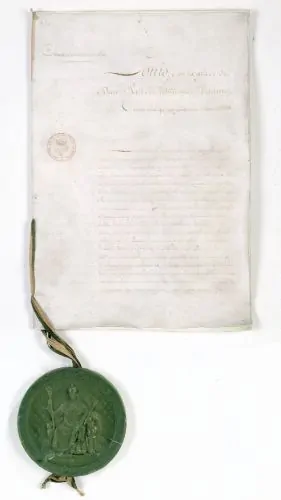
Louis XVIII returned to a country whose institutions and property relations had been reshaped by revolution. The Charter promulgated on June 4, 1814, recognized equality before the law and protected property, expressly including holdings acquired through the sale of national lands. Its preamble nevertheless located the authority behind these guarantees in the sovereign’s voluntary grant, preserving a conception of monarchy in which political institutions originated with the ruler. That language did not make the promises casually revocable. The document committed the king and his successors to their observance. It did leave competing explanations of their binding force available. As Robert Alexander emphasizes, different groups could accept the settlement while understanding its foundations differently, with defenders of royal sovereignty emphasizing concession from above and liberal opponents increasingly treating the Charter as a contract between monarch and nation.
The institutional design preserved an actively governing king. Executive power belonged to him, and he possessed the initiative in legislation as well as the authority to appoint members of the Chamber of Peers. Article 15 required the participation of both legislative Chambers in making laws, giving the elected deputies a constitutionally necessary function that royal confidence could not replace. Financial provisions supplied a practical means of influence. Taxation required legislative consent, and the land tax was authorized for only one year at a time. Ministerial responsibility introduced a further possibility of restraint, although its meaning requires care. Article 13 declared the king’s person inviolable and sacred while making his ministers responsible; Articles 55 and 56 provided for their accusation by the deputies and trial before the peers for treason or financial misconduct. These provisions established a route for holding officeholders answerable for specified offenses without prescribing collective resignation whenever a cabinet encountered an adverse parliamentary vote. The emerging argument that ministers needed sustained support in the Chamber consequently drew strength from the practical requirements of legislation and finance. Parliamentary government could develop through those relationships, but its conventions were not already settled by the constitutional text.
Access to the elected Chamber rested on a restrictive fiscal definition of political capacity. Electors had to be at least thirty years old and pay 300 francs annually in direct taxes, while deputies had to be at least forty and normally meet a 1,000-franc qualification. These requirements concentrated parliamentary participation among wealthy men whose independence was associated with their economic standing. Election nevertheless furnished them with a basis for exercising public authority distinct from appointment by the sovereign.
For publication, Article 8 combined recognition of a right with an allowance for its regulation. French people could publish their opinions subject to laws intended to repress abuses of that liberty, a qualification that left substantial room for disagreement over permissible restrictions. Throughout the Restoration, legislation altered the conditions under which newspapers operated without removing the guarantee from the Charter. The laws of 1819, for example, relaxed controls on publication while retaining financial securities and personal responsibility for published material. A formally recognized liberty could coexist with considerable expense and exposure to prosecution. Daniel L. Rader’s account of successive press laws shows how much depended on the statutory arrangements surrounding the constitutional promise. For opponents of restrictive measures, the wording of Article 8 also provided grounds for examining who had imposed a requirement and through what procedure. The reference to laws connected the regulation of expression to a legislative process in which the elected Chamber possessed a necessary part.
Article 14 supplied the principal opening for a more expansive interpretation of royal discretion. It empowered the king to issue regulations and ordinances necessary for executing the laws and securing the state, leaving the relationship between those purposes insufficiently defined. The language of state security could sustain an argument for exceptional action when ordinary government appeared endangered, although the provision did not expressly authorize the replacement of statutes or suspension of constitutional guarantees. Article 50 conferred a more specific prerogative; the monarch could dissolve the Chamber of Deputies, provided he summoned another within three months. Dissolution was an acknowledged instrument of constitutional government, subject to a requirement that representation resume. Its existence did not resolve the different question of how the arrangements governing elections could be changed, since Article 35 assigned the organization of electoral colleges to legislation. Reading these provisions together required distinctions among powers that appeals to sovereign necessity threatened to obscure. The crown’s authority to terminate a legislature and its ability to determine the legal conditions of representation rested on different constitutional foundations.
An Election the Crown Would Not Accept
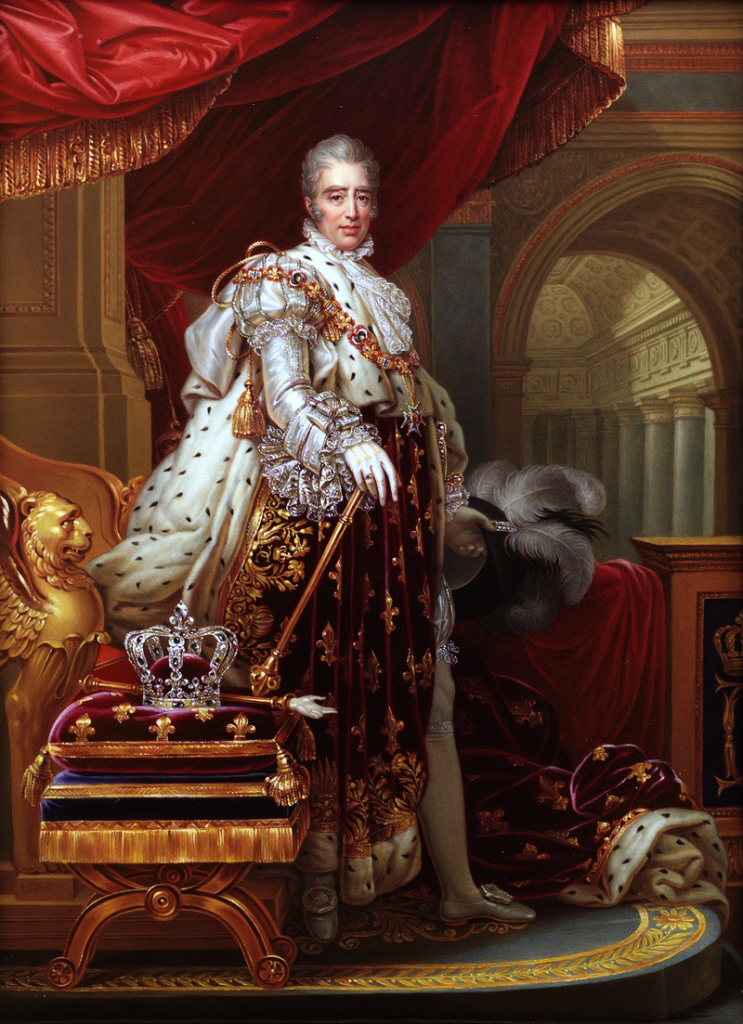
Charles X dismissed Martignac’s ministry on August 8, 1829, and brought Polignac into government as foreign minister and the dominant figure in the new administration. Martignac had attempted to manage the growing strength of liberal opposition through a more conciliatory course, although he had satisfied neither the king nor his parliamentary critics. The appointments that replaced his ministry advertised a return to an assertively ultraroyalist direction. Even the Journal des débats, a defender of constitutional monarchy, responded on August 10 with an indictment of ministers whose associations with emigration and clerical influence, it argued, made public confidence almost impossible. Its editorial nevertheless distinguished the sovereign from the advisers supposedly misleading him. Opposition could become increasingly severe while continuing to present itself as an effort to preserve the monarchy.
Opening the parliamentary session on March 2, 1830, the king warned that he would overcome any obstacles that hostile maneuvers placed before his government. The deputies’ response, adopted on March 16 by 221 votes to 181 and presented by Royer-Collard two days later, carefully separated fidelity to the sovereign from acceptance of his advisers. Their address praised the dynasty and acknowledged the value of royal prerogatives. It also described national participation in public affairs as deliberately limited, reassuring Charles that its authors intended to respect the established boundaries of representation. Within those boundaries, they insisted that the government’s political direction required continuing agreement with the wishes of the country and declared that this agreement was absent. The address connected political insecurity with damage to prosperity and public credit, giving the dispute an economic significance beyond the distribution of offices. Its concluding appeal asked the king to judge between ministers who distrusted France and deputies who claimed to convey the concerns of faithful subjects. The majority united liberals with constitutional royalists who regarded the ministry’s conduct as a danger to institutions they wished to preserve.
Charles replied that his resolutions were immutable and that his people’s interests prevented him from abdicating. The parliamentary session was prorogued on March 19. On May 16, he dissolved the Chamber and called elections under the existing legislation, with both Chambers scheduled to assemble on August 3. He was now attempting to secure through the electoral colleges the support that the deputies had refused, while retaining the minister whose appointment had precipitated the confrontation.
Opposition candidates entered the contest with experience accumulated through earlier Restoration campaigns. Robert Alexander’s research on provincial liberalism shows how sustained political organization had increased their capacity to challenge government influence. Associations such as Aide-toi, le ciel t’aidera helped eligible men establish their voting rights and encouraged cooperation among opponents who did not share an identical political program. Attention to electoral lists mattered because the enforcement of qualifications could determine whether a potential supporter actually reached the poll. Newspapers circulated information about candidates and parliamentary conduct, allowing the March division to become a practical guide for electoral choices. Returning the deputies associated with the address offered a recognizable objective around which local campaigns could cohere. Such coordination also required accommodation among provincial leaders whose concerns could not be reduced to the editorial positions of any single Paris newspaper.
The king intervened personally through his proclamation of June 13. He accused the dissolved Chamber of misunderstanding his intentions and withholding the cooperation to which he believed himself entitled. Describing that refusal as both a sorrow to a father and an offense to a monarch, he gave the campaign an explicitly personal dimension. His assurances that he would maintain the Charter accompanied a declaration that the rights of the crown must remain unimpaired, since he regarded them as the protection of public liberty. The proclamation then urged electors to reject supposedly false fears and attend their electoral colleges in a common spirit. This language suggests that Charles expected renewed confidence to follow once voters rejected the opposition’s account of his intentions. It left little room for the possibility that informed and loyal electors might deliberately endorse resistance to his ministers. A cabinet dispute was being drawn into the relationship between subjects and sovereign, increasing the political cost of an unfavorable result. By asking voters to respond to the voice of their king, Charles exposed his own judgment to the rejection he had initially sought to confine to an uncooperative Chamber.
The voting in June and July returned 274 opposition deputies, confirming that dissolution had strengthened the government’s adversaries. The electoral system’s additional vote for the wealthiest quarter of electors had failed to secure a majority favorable to the ministry. Defeat carried a particular force as arrangements designed to privilege substantial taxpayers had produced a Chamber unwilling to endorse the king’s chosen administration. Replacing Polignac remained a possible response, although it would have required Charles to accept a political retreat after his public declarations of resolve. His continued support for the ministry gave renewed urgency to its longstanding accusation that newspapers had corrupted public judgment. That accusation supplied a way of discounting the election without conceding that the government’s own conduct had persuaded voters to oppose it. The effort to explain away the returns would help make the organizations that publicized opposition the targets of the next royal intervention.
Why the Newspapers Became the Enemy
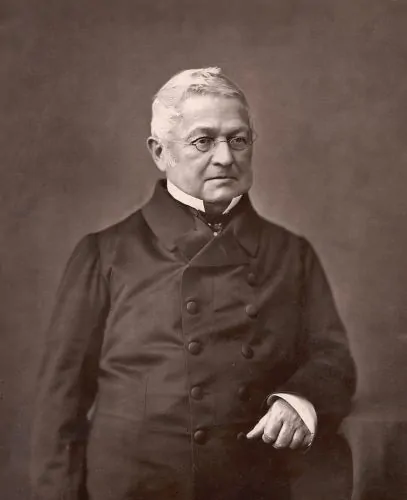
The opposition press contained several kinds of political enterprise, with different audiences and different expectations of change. Le Constitutionnel combined a substantial commercial readership with liberal argument and vigorous anticlericalism, while the Journal des débats brought the standing of an established constitutional royalist newspaper to the struggle against Polignac. Le Globe entered political controversy from a background in literary and philosophical discussion. These differences mattered because hostility to the ministry could unite writers whose preferred remedies remained far apart. Opposition journals also faced competitors. La Quotidienne and the Gazette de France supplied royalist arguments for readers who rejected liberal interpretations. Daniel L. Rader’s reconstruction of this newspaper world reveals multiple centers of initiative, sustained by publications with their own financial interests and editorial commitments.
Le National sharpened the question of what a newspaper might accomplish politically. First published on January 3, 1830, it brought together Adolphe Thiers, François-Auguste Mignet, and Armand Carrel in an enterprise that made the direction of government its central concern. Its constitutional arguments encouraged readers to judge ministers against a coherent account of representative monarchy. Historical comparison gave that campaign a further reach. In February, the paper’s discussion of England’s revolution of 1688 presented the replacement of a ruling family as a means of securing constitutional principles without reconstructing the whole social order. Mignet’s contribution distinguished a change of persons from the earlier transformation of institutions, making the English precedent suggestive for France. Such reasoning could prepare readers to consider a dynastic alternative while continuing to defend monarchy as a form of government. It also demonstrates why the editors’ purposes require scrutiny. Their insistence on legality could carry a political ambition extending beyond the correction of particular ministerial measures. Newspaper offices were becoming places where an alternative governing arrangement could be argued into plausibility before its advocates possessed the authority to implement it.
The audience for these arguments exceeded the number of subscriptions sold. Commercial reading rooms, examined in detail by Françoise Parent-Lardeur, offered access to current newspapers without requiring every customer to purchase a separate subscription. Copies available in cafés or shared among readers likewise reached several people, while conversation carried their contents farther. Customers could also consult competing titles, encountering different explanations of the same political dispute within a single establishment. Literacy and the cost of access still imposed substantial limits, but circulation figures alone cannot establish how many people encountered a newspaper’s political claims.
Judicial proceedings had already exposed the difficulty of separating an attack on ministers from an offense against royal authority. Louis-François Bertin, the responsible editor of the Débats, faced prosecution over its response to the August appointments and obtained an acquittal on appeal in December 1829. During February and March 1830, prosecutors pursued a wider campaign against political journalism in Paris and the provinces, invoking offenses that included attacks on the king’s government and efforts to bring it into hatred or contempt. Rader’s account shows that small provincial publications also attracted official attention because of their importance to local opposition. Proceedings created occasions for advocates to dispute the government’s construction of an offense before a public audience. A prosecution could consequently prolong the controversy that had prompted it, and an unfavorable judgment could demonstrate that ministerial displeasure was insufficient to establish criminal liability.
Polignac and his colleagues converted these frustrations into a sweeping indictment in their report to the king dated July 25. They attributed the instability of successive ministries to a persistent characteristic of periodical journalism, portraying its influence as inherently destructive of obedience. Their accusations ranged from hostility toward the clergy to what they described as the treacherous disclosure of military preparations for the expedition against Algiers. The report even maintained that France lacked genuine publicité because facts reached readers so distorted that the apparent circulation of information concealed an obstruction of truth. On this account, journalists prevented the sovereign from communicating effectively with his subjects. The ministers also accused newspapers of intimidating deputies whose votes appeared uncertain, representing public scrutiny of parliamentary conduct as a form of domination over the legislature. This analysis assigned editors an extraordinary capacity to direct other people’s judgments. It correspondingly diminished the possibility that readers or deputies had arrived at opposition through their own assessment of the government.
On elections, the ministers were particularly explicit; they condemned newspapers for adopting the reelection of the 221 as a principle of action. Because Charles had rejected the address, further campaigning for its supporters became, in their account, a renewal and aggravation of an offense against the crown. The report also maintained that the opposition had paralyzed royal dissolution, although that power had been exercised and the ensuing poll had proceeded. Its reasoning effectively made the usefulness of dissolution depend on whether the resulting Chamber would cooperate with the king, turning an unsuccessful electoral appeal into evidence of an assault on sovereign power.
The most consequential distinction concerned the legal identity of a newspaper. The ministers argued that the Charter’s protection of personal opinions did not establish a corresponding right to publish other people’s opinions through a commercial undertaking. Periodical publication, they maintained, belonged to the sphere of industry and required official supervision. They cited the financial securities already required of newspapers as confirmation that these enterprises occupied a distinct regulatory category. Their reasoning moved from the acknowledged regulation of journalism to a much larger claim about its exclusion from a guaranteed liberty. This interpretation detached the writer’s individual freedom from the organized activity through which writing acquired a regular audience. A newspaper’s continuing existence could then be treated as a question of administrative regulation, even while the government professed respect for freedom of expression. The argument also reflected a material feature of the conflict. An established publication possessed a recognizable title and the resources to renew its criticism in successive issues. Punishing one article did not necessarily prevent the enterprise from continuing its campaign. The report treated that persistence as a reason to reconsider the conditions under which newspapers could operate at all. Its recommendation sought to place the institution that sustained repeated public criticism under closer executive control, giving the coming intervention a rationale broader than the punishment of any particular statement.
The Ordinances: Remaking Elections under a Silenced Press
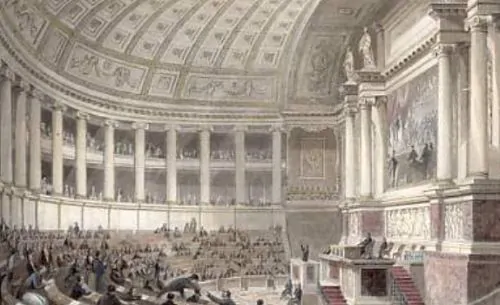
Authorization became the central requirement of the first ordinance, signed at Saint-Cloud on July 25 and published the following day. Established newspapers and proposed ventures alike needed permission, with no exemption based on the subjects they discussed. Separate authorizations were required for the authors and the printer, bringing editorial activity and the workshop’s participation under distinct administrative decisions. Permissions required renewal every three months and could be revoked; provincial prefects could provisionally grant or withdraw them within their departments. The quarterly interval governed the duration of a license, while the decree fixed no date for restoring the freedom it suspended. These provisions created a continuing source of pressure on any newspaper permitted to appear, since its survival would depend on maintaining official consent.
Changing the form of a publication offered limited protection. The same ordinance required prior approval for writings shorter than twenty printer’s sheets, a measure referring to the large sheets folded into multiple pages during book production. This brought a substantial range of pamphlets and other short works within its reach. Longer publications also required permission when they did not constitute a single coherent work, restricting the possibility of evasion through an assembled volume. Legal briefs and the memoirs of learned or literary societies became subject to prior authorization whenever they addressed political matters. The government was regulating several forms through which an argument excluded from a newspaper might circulate. Enforcement extended to the material resources of production. Unauthorized copies were to be seized immediately, and the presses and type used to produce them were to be deposited under seal or rendered unusable. The threatened loss of expensive equipment could affect a printer’s willingness to accept a commission independently of the author’s determination to proceed. For a workshop serving several publications, enforcement against one unauthorized text could interrupt work for clients uninvolved in the original dispute. The sanctions consequently placed pressure on commercial relationships extending beyond the newspaper directly targeted.
The second ordinance dissolved the Chamber elected during the summer. Its preamble alleged that maneuvers in several parts of the kingdom had deceived voters, and it invoked the king’s acknowledged power of dissolution. The remedy applied to the entire representative body, terminating its existence before the deputies had assembled or conducted parliamentary business. It removed the Chamber expected to meet on August 3 and deprived the opposition of the immediate opportunity to turn its electoral success into a renewed challenge to Polignac in parliamentary proceedings.
Eligibility for the replacement Chamber was then reconstructed through the third ordinance’s fiscal provisions. Only the land tax and the personal and movable property assessment would count toward the qualifications for voting and election, with the relevant payments recorded personally in the capacity of proprietor or usufructuary. The business tax known as the patente would cease to contribute to the qualifying total, as would the tax on doors and windows. Someone whose combined payments had previously satisfied the requirement could consequently fall below it even though his wealth and actual tax burden remained unchanged. The alteration threatened commercial and industrial interests whose eligibility depended on the excluded assessments. Merchants or manufacturers possessing sufficient qualifying property could still participate, so describing the measure as the wholesale exclusion of an occupational class would obscure its operation. Political weight was being reassigned within the propertied population through a revised calculation of which payments established electoral capacity. The calculation also applied to candidates seeking election, affecting the available deputies as well as their electors. Article 29 declared contrary provisions ineffective, asserting authority to supersede existing legislation without obtaining the Chambers’ approval.
Among those retaining the franchise, influence was distributed still more unevenly. In departments returning several deputies, the district colleges would nominate candidates, while the departmental college, composed of the most heavily taxed quarter of electors, would make the final selections. Normally, half the deputies had to come from the district nominations; the departmental electors could choose the others independently. Men outside that favored quarter would lose the direct choice of representatives they had previously exercised in the district colleges. Administrative provisions reinforced the arrangement. Electoral lists were to be settled by the prefectural authorities and posted five days before the colleges met. Claims to voting rights that prefects rejected would be considered by the future Chamber when it reviewed the validity of the elections. An exclusion could influence the composition of the assembly subsequently charged with judging whether it had been justified. These procedures increased the government’s opportunities to influence the outcome, although the political preferences of the remaining electors could not simply be assumed.
The fourth ordinance supplied a timetable for this redesigned contest. District colleges would meet on September 6, departmental colleges on September 18, and the two Chambers on September 28. From publication of the decrees, campaigners had approximately six weeks to prepare for the first stage. They would need to explain unfamiliar eligibility rules and coordinate nominations under procedures that sharply reduced many electors’ influence. Throughout the proposed campaign, periodicals would remain subject to authorization, and alternative printed interventions would face the additional restrictions imposed on shorter works. The electoral provisions and publication rules were intended to operate together before the new Chamber could hear grievances about exclusion. Royal officials were to supervise the supply of electoral information during the same interval in which they determined who could enter the colleges.
The Journalists Declare the Government Outside the Law
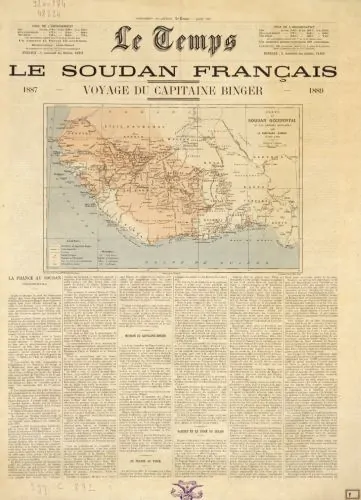
Before the newspapers could answer collectively, their proprietors and writers had to decide what resistance would commit them to doing. On July 26, representatives of the opposition press consulted the lawyer and deputy André Dupin about the legal consequences of the ordinances. Discussion among journalists subsequently produced the declaration drafted by Thiers at Le National and circulated the following day. Its signatories identified themselves by name and newspaper affiliation, accepting public responsibility for a refusal the government could punish. By describing their undertaking as a duty of citizens, they placed their occupational dispute within an argument about the obligations of the governed.
The declaration challenged the government where its newspaper policy and its electoral intervention shared a legal weakness. Articles 8 and 35 were cited together because both assigned the relevant regulation to laws, made with the participation of the Chambers. The signatories consequently disputed the competence of the authority imposing the changes before considering the substance of each restriction. Their objection did not depend on establishing that every form of press control was unconstitutional or that the existing electoral system was beyond amendment. It required the crown to obtain legislative concurrence in either field. As a basis for agreement, this procedural argument accommodated writers with different views about how much regulation or political reform France needed. Constitutional royalists could endorse it without first accepting a republican program, while more ambitious opponents could support its immediate demands and retain their further objectives.
Past royal conduct supplied evidence that this limitation had already been accepted in practice. The protest recalled that earlier alterations to press and electoral arrangements had gone before the Chambers, even when ministers considered the circumstances urgent. It singled out the legislation of 1824 establishing seven-year parliamentary terms and the complete renewal of the Chamber, which had replaced the Charter’s original arrangements for shorter terms and partial renewal. On that occasion, the monarchy had proceeded legislatively despite the constitutional significance of the change. The signatories used this precedent to challenge the suggestion that the king’s authorship of the Charter left him free to revise it independently. Their next example drew on proceedings against publications associated with the Breton Association. According to the protest, the Paris royal court and other courts had treated predictions that the government might substitute ordinances for legislation as an insult to the government. The journalists turned those judgments into evidence against the ministers. Conduct previously described as too unlawful to impute to the authorities had now become official policy. These earlier decisions had concerned allegations about what the government might do; they had not adjudicated the July ordinances themselves. Nevertheless, the protest forced a pointed question about consistency upon officials who had defended the government’s reputation by prosecuting allegations of the very behavior now being justified.
Defending the completed elections required a more contestable reading of the constitutional text. The protest acknowledged the power of dissolution under Article 50, but argued that its exercise presupposed a Chamber that had assembled, constituted itself, and adopted a political course capable of provoking dismissal. Until those events occurred, the journalists maintained, only completed elections existed, and the Charter nowhere authorized the king to annul them. Article 50 did not expressly state the preliminary conditions they supplied. Their interpretation inferred a restriction from the institutional purpose of dissolution, and its certainty should be distinguished from the explicit references to legislation in Articles 8 and 35. The political reasoning was substantial even where the textual basis was less conclusive. Repeated dissolution before the deputies could act would allow an electoral verdict to be rejected without ever acquiring parliamentary expression. Insisting that the representatives summoned for August 3 retained their mandates sought to protect the electorate’s completed choice against that possibility.
“We are released from obedience,” the protest declared. The sentence asserted a consequence the journalists proposed to act upon immediately, without awaiting a judicial ruling on the decrees or the legislature’s return. It gave their refusal a constitutional justification while requiring them to decide for themselves when official commands had ceased to bind them. An appeal to established law became a claim that citizens could withhold compliance on their own judgment of governmental illegality. The statement supplied no agreed procedure through which that judgment could become authoritative for the officials charged with enforcement.
Publication exposed the distance between agreement on a declaration and cooperation within a newspaper business. The signatories promised to attempt to issue their papers without requesting authorization, language that acknowledged the practical uncertainty surrounding their undertaking. David H. Pinkney’s reconstruction shows that the printer of the Courrier français refused to produce it, while the proprietors of Le Constitutionnel and the Journal des débats canceled their issues after failing to obtain permission. Writers associated with Le Constitutionnel nevertheless appeared among the protest’s signatories. On July 27, Le National, Le Temps, Le Globe, and the Journal du commerce appeared in defiance of the authorization requirement. These differing decisions reveal why the signature list cannot be read as a register of newspapers uniformly committed to publication. Personal willingness to face prosecution could coexist with an inability to secure the participation of those controlling a paper’s finances or production.
The document’s final appeal left the extent of resistance for France to determine, without identifying an institution entitled to make that decision in its name. The journalists defined their own undertaking more narrowly, promising resistance within their particular sphere of activity. They also asked the elected deputies to defend their continuing rights while expressly declining to prescribe the Chamber’s duties. This acknowledgment preserved a distinction between the public influence of the press and the authority associated with election. Readers were invited to recognize governmental illegality, but received no coordinated instructions for a national campaign of disobedience. No replacement sovereign was named, and no republican constitution was proposed. Agreement on the protest left open both the political remedy for the crisis and the question of who could legitimately determine it.
At the Pressroom Door: The Raids of July 27
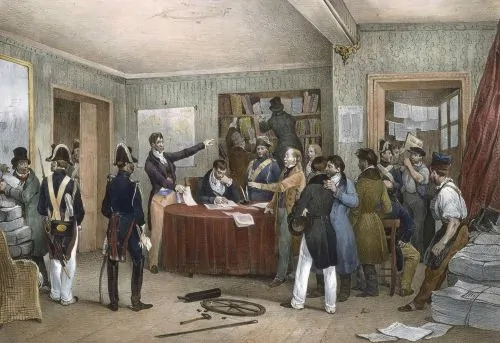
Claude Mangin, the prefect of police, directed the early measures of July 27 against the distribution of the unauthorized editions. Before eight o’clock, he had supplied reading-room proprietors with a list of approved newspapers and ordered searches at stagecoach offices for copies awaiting dispatch to provincial subscribers. An Interior Ministry circular also instructed prefects to prevent the delivery of Parisian periodicals by coach. Successful printing did not ensure that a newspaper would reach its intended audience. The transport offices offered opportunities to intercept material already beyond the publishers’ immediate control, extending enforcement into the commercial arrangements that connected Paris with readers elsewhere. Mangin simultaneously sent police commissioners, accompanied by gendarmes, to seize the presses of the four newspapers that had defied the authorization requirement.
The editors of Le National refused admission to the police, who forced entry to carry out their orders. At Le Temps, in the Rue de Richelieu, officers arriving around noon encountered a much more protracted obstruction. Jean-Jacques Baude, one of the paper’s leading figures, stood between them and the locked printing shop. Mounted gendarmes were present, but a crowd gathered around the premises and encouraged his resistance.
Baude sought to make those conducting the seizure consider their own exposure to punishment. He warned the commissioner that breaking into the workshop and removing its equipment could constitute burglary, carrying the prospect of forced labor. This was an attempt to hold an individual officer answerable under ordinary criminal law for conduct undertaken on government instructions. On Baude’s interpretation, the commissioner could not excuse an unlawful entry by invoking the ordinance. The challenge also addressed the tradesmen whose assistance the police needed to gain entry. A locksmith accepting the commission was being asked to consider whether obedience to an official might expose him to prosecution. Louis Blanc’s later account describes Baude reading from the criminal code and collecting the names of potential witnesses. It also gives the arrangement of the premises a deliberate public character. The printing shop remained closed while the entrance from the street was opened, with workers and newspaper staff drawn up inside. An open entrance exposed the encounter to people who had not participated in the newspaper’s deliberations. The appeal to witnesses added a practical element to this display, preparing for a subsequent challenge supported by evidence about the people who performed the seizure and the warnings they had received.
Obtaining the necessary assistance took hours. A first locksmith withdrew, and Blanc reports that another found his tools had been taken. The crowd’s hostility added pressure to Baude’s warnings, obstructing the commissioner’s efforts to turn his instructions into an accomplished seizure. Eventually, a locksmith accustomed to fastening prisoners’ irons was brought to the premises. Pinkney places his arrival near six o’clock, after which the officers gained access and removed type and components of the presses, leaving them unusable. The prolonged resistance had delayed the operation, but it had not preserved the paper’s ability to print on the equipment seized.
Writing more than a decade after the raids, Blanc gave the locksmiths’ conduct a moral significance that requires careful handling. His description of a workman removing his cap in respect for the law presents the code as an authority deserving visible deference. Pinkney’s reconstruction, supported in part by police reports and subsequent official testimony, also emphasizes intimidation by the assembled crowd. A tradesman’s hesitation might express fear of the people surrounding him as much as agreement with Baude’s interpretation of the code. The sources establish the obstruction more securely than they establish the convictions of every participant. They also show how a confrontation initiated by newspaper personnel acquired pressures that depended on the conduct of spectators. The commissioner had to contend with an audience capable of affecting his access to practical assistance, even though that audience ultimately failed to prevent the seizure.
Later on July 27, the ministers ordered the arrest of the journalists who had signed the protest. Between eight and nine that evening, the public prosecutor delivered warrants to Mangin for execution the next day. Pinkney distinguishes this development from the initial raids, during which the police concentrated on printed copies and equipment and left owners and editors at liberty. The escalation made the declaration itself a basis for action against named individuals, extending the operation beyond the premises where unauthorized printing had occurred. A signature could expose a writer whose own newspaper had refrained from appearing that morning. The government was preparing further police action as the resistance encountered at newspaper offices became part of a widening crisis in the streets.
Printers Leave the Workshops
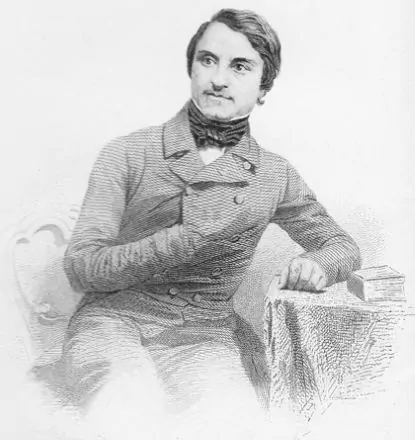
Printing workers had begun considering a stoppage before the police reached the newspaper offices. Monday, July 26, was a customary day away from work for some Parisian artisans, and printers discussing the ordinances gathered in cafés beyond the city’s tax boundary, where refreshments cost less. According to David Pinkney’s reconstruction, many of those involved agreed to stay away the following day. Their efforts to recruit building workers initially met with little success. That uneven response matters. An immediate threat to employment gave printers a particular reason to act, while participation by neighboring trades still had to be secured. Occupational solidarity supplied an early basis for resistance without determining how far it would spread.
July 27 brought together workers whose departures from their shops had different causes. Some had chosen to withhold their labor; others arrived expecting work and found that canceled orders and employers’ closures had interrupted it. Louis Blanc’s account records contrasting decisions among employers, with some encouraging workers to leave and others trying to keep them occupied because they feared disorder. A closed workshop cannot automatically be counted as evidence of a successful strike or an agreed revolutionary strategy. The distinction also changes how responsibility should be understood. A master printer could suspend operations to avoid prosecution, preserve resources, or support the opposition, while employees experienced the same decision as the abrupt loss of earnings. Their dependence on wages gave them an interest in reopening production, although the conditions under which it could resume had become a political question. Meanwhile, the unauthorized editions appearing that morning demonstrate that some printing workers continued producing the material around which resistance gathered. Labor sustained the protest both through the work performed inside certain shops and through action taken after leaving others.
Copies of the journalists’ declaration acquired another use in the hands of those carrying them through Paris. Printers joined journalists and newspaper distributors in circulating the protest, including versions issued as posters, and in reading or explaining it aloud. Such activity placed some workers in the position of addressing an audience, with opportunities to emphasize the consequences they considered most pressing. The surviving text preserves the signatories’ formulations much more securely than it preserves these spoken interventions. We should distinguish the documented circulation of a common declaration from any assumption that its carriers delivered an identical message or accepted every implication of its constitutional reasoning.
Concern for employment could coexist with a considered judgment about the government’s conduct. For workers denied a vote, an elected Chamber could nevertheless represent a restraint on officials capable of disrupting their livelihoods and public life. Edgar Leon Newman’s study of the relationship between the liberal opposition and Parisian working people places their cooperation within the political experience of the later Restoration. Support for constitutional opposition had developed before the sudden interruption of printing work. That history makes it inadequate to treat participation by men excluded from voting as inherently mistaken or politically unintelligible. A worker could oppose the king’s destruction of existing restraints while seeking changes that the deputies had never promised to enact. Equally, defending access to a livelihood did not establish agreement with the property qualifications governing elections. Applied to the printers, this interpretation suggests that their cooperation with newspaper editors rested on interests that overlapped without becoming identical. The available evidence does not permit a single set of convictions to be assigned to everyone who left a workshop, but it does leave room for political choices made from within the experience of working for wages.
Near the Palais-Royal, groups identified as printers helped initiate confrontations on July 27. Pinkney describes one group provoking mounted gendarmes into a narrow street, where stones and flowerpots were thrown against them. Pierre Leroux, associated with Le Globe, was alarmed by the appearance of printers he encountered that afternoon. His reaction illustrates how little a shared grievance guaranteed agreement about conduct once resistance moved beyond newspaper premises. The initiative displayed in these encounters complicates any account in which printing workers appear only when instructed by their employers or attacked by officials.
Prominence in the opening disturbances did not make printers the largest occupational contingent in the subsequent fighting. Pinkney’s examination of records concerning revolutionary participants finds much stronger representation from several other skilled trades, although those records cannot provide a complete census of everyone who acted. The early difficulty of recruiting building workers must consequently be considered alongside the substantial participation of masons and carpenters once combat developed. Occupational divisions visible on July 26 proved compatible with a much broader alignment as the conflict intensified. This changing composition also helps explain why workshop closures deserve attention beyond their immediate economic consequences. Interrupted work released people from their usual routines and brought additional workers into contact with gatherings where the government’s conduct was being discussed and challenged. Encounters with other protesters and the forces sent to disperse them created circumstances different from those in which the first refusals had occurred. The movement’s expansion depended on these changing experiences as well as on the grievances people carried out of their workshops.
Three Days That Broke Royal Power
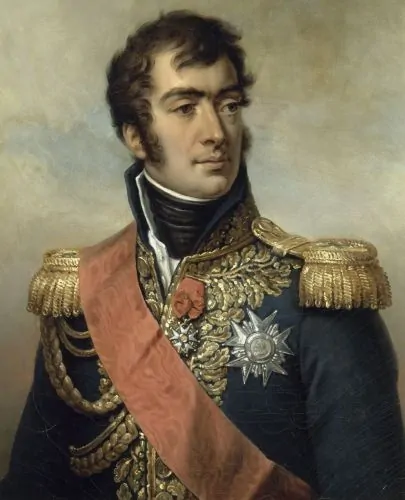
Royal gunfire on July 27 gave Parisians casualties to avenge as well as ordinances to oppose. After mounted gendarmes charged demonstrators near the Palais-Royal, troops of the Royal Guard fired into the crowd at about four in the afternoon. The first shots may have come from soldiers acting without orders; the evidence does not establish a coordinated decision to begin shooting. Further volleys followed, and bodies carried through the streets made the violence visible beyond the immediate scene. Calls for the ministers’ deaths accompanied these processions, giving opposition a more threatening expression than the earlier demands for their removal. During the evening, attacks on gun shops and guard posts supplied some demonstrators with firearms. Possession of weapons opened possibilities for resistance that an unarmed gathering could not sustain.
Marshal Auguste de Marmont, duc de Raguse, had received responsibility for restoring order in Paris without the advance preparations that such an assignment required. His memoirs present this command as a duty imposed upon a soldier who disapproved of the government’s policy, a characterization that also served his subsequent defense of his conduct. The political significance of his appointment nevertheless extended beyond his own convictions. His abandonment of Napoleon in 1814 had made his ducal title synonymous with betrayal among many opponents of the Restoration. Men who associated the Bourbons with national humiliation could recognize an old antagonist in the officer now directing troops against them. Yet the government still had reasons to believe that its forces could prevail. As the streets emptied late on July 27, Marmont recalled troops to their barracks and sent the king a reassuring report. The apparent restoration of quiet allowed Charles to underestimate the difference between dispersing that day’s crowds and securing obedience the following morning.
By July 28, the renewed scale of the rising had destroyed that reassurance. At nine in the morning, Marmont warned Charles, “This is no longer a riot, this is a revolution.” Later that morning, insurgents occupied the Hôtel de Ville, and the tricolor appeared there and at Notre-Dame, displaying revolutionary and imperial associations in defiance of the Bourbon white flag. The state of siege placed extraordinary authority in military hands, but expanding a commander’s formal powers did not supply the means to make them effective. Holding the capital now required sustained operations against armed opponents distributed across numerous districts.
Barricades made those operations costly even when royal troops could force a passage. As Mark Traugott’s study explains, their effectiveness arose partly from their multiplication across the city and their interaction with resistance from surrounding buildings. An obstacle could slow a column while attackers fired from windows or dropped heavy objects from above. Once soldiers had passed, residents could rebuild the obstruction behind them, leaving detachments isolated from support and making the return journey another battle. On July 28, this pattern frustrated the columns sent through central and eastern Paris. Near the junction of the Rue Saint-Antoine and the Rue du Jouy, insurgents let the leading infantry pass before attacking the cavalry impeded by debris. Subsequent attempts to break through encountered fresh defenses. Such fighting depended on cooperation among people who supplied materials, watched approaching troops, or sheltered combatants, as well as those carrying muskets. It also imposed severe demands on civilians living along the routes of advance. The transformation of familiar buildings into fighting positions exposed their occupants to return fire, while improvised medical stations received the wounded from both sides.
Negotiations on July 28 revealed how poorly military responsibility matched political authority. A deputation including Jacques Laffitte and Casimir Périer urged Marmont to help end the bloodshed, insisting that withdrawal of the ordinances and dismissal of the ministers were necessary before they could hope to pacify the city. Marmont maintained that concessions lay beyond his powers and that the insurgents should first stop fighting. Each side required an action that the other either could not authorize or would not undertake without guarantees. The marshal forwarded the deputies’ representations to Saint-Cloud, but Charles ordered his forces to concentrate and hold out. Meanwhile, failures of supply weakened the units already engaged. At the Hôtel de Ville, cartridges were running low, and detachments sent to obtain more had failed to return. Their withdrawal late that night demonstrated the limited value of capturing a public landmark without controlling its approaches.
On July 29, the army’s cohesion failed at positions essential to Marmont’s remaining defenses. The 5th and 53rd Regiments of the Line abandoned his command after receiving assurances that they would not be required to fight their fellow soldiers. They placed themselves under General Étienne Maurice Gérard, who sent them to their barracks. This departure removed support from the royal position without turning every departing soldier into an insurgent combatant. Marmont shifted other troops whose reliability he doubted and drew on his Swiss battalions to cover the resulting gaps. The Louvre’s defenses weakened as these dispositions changed. When the remaining Swiss withdrew from the palace and insurgents entered, the movement spread alarm among neighboring units and developed into a much wider retreat through the Tuileries and along the Champs-Élysées. Some isolated detachments continued fighting after the main force had gone. Louis Blanc describes insurgents entering the royal apartments and defacing dynastic images, while others protected the Louvre’s collections. These acts extended the defeat into spaces whose furnishings and restricted access had expressed the separation of the court from its subjects. Marmont could regroup outside the central city, but he could no longer issue commands there with a reasonable expectation that they would be executed.
At Saint-Cloud, Charles finally agreed on July 29 to replace Polignac with Casimir de Rochechouart, duc de Mortemart, and to offer withdrawal of the ordinances together with the meeting of the chambers. The initial emissaries carried news of concessions before they possessed the documents necessary to give those assurances formal effect. Delay now disadvantaged a crown negotiating after its troops had lost the capital. But its opponents could not yet assume that victory was secure. Fears of a renewed royal attack encouraged further barricade construction and defensive preparations. Charles retained forces outside Paris, and his abdication still lay ahead. The three days had nevertheless deprived him of the capacity to impose the electoral settlement on which he had insisted. Any recovery of authority would now require acceptance by people whose armed resistance had made that settlement unenforceable.
Who Could Speak for the Revolution?
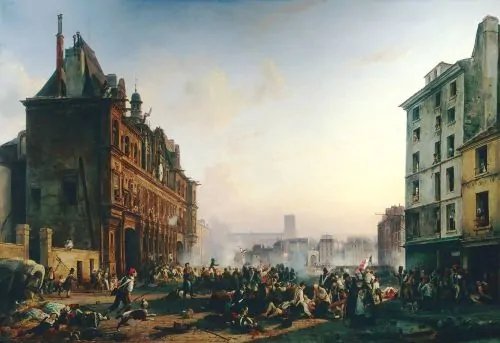
The provisional Municipal Commission established at the Hôtel de Ville on July 29 occupied an uncertain position between city administration and national government. Chosen by the deputies present in Paris, it initially received responsibility for maintaining order and provisioning the capital. Its ability to operate also depended on acceptance by the armed men who crowded the building and its approaches. Alongside it, Gilbert du Motier, marquis de Lafayette, commanded the reconstituted National Guard, invoking both popular confidence and the approval of his fellow deputies. These connections prevent a straightforward division between a revolutionary headquarters at the Hôtel de Ville and an exclusively parliamentary opposition elsewhere. The commission brought established political figures into an institution sustained by the insurrection. Its practical responsibilities created opportunities to exercise wider powers before agreement existed on how a government for France should be constituted.
Thiers and Mignet supplied a proposed sovereign before the deputies had agreed to summon him. Their proclamation, circulated on July 30 from the offices of the National, promoted Louis-Philippe, duc d’Orléans, as the prince capable of securing the revolution’s achievements. Its presentation of the alternatives was calculated. Charles had disqualified himself by shedding the people’s blood, while a republic allegedly threatened domestic division and conflict with Europe. Orléans’s military service beneath the tricolor associated him with the patriotic struggles of the revolutionary era. The document also declared that he would receive his crown from the French people. That formulation assigned the nation a sovereign role while presenting one candidate as the appropriate expression of its wishes. The writers sought agreement among opponents of Charles who differed over how extensively the political system should change. As Daniel Rader’s account emphasizes, publication gave the Orléanist proposal a public presence while the deputies were still deliberating. The claim to speak for France could be advanced through a newspaper’s production and distribution network before any institution had established a procedure for consulting it.
Mortemart encountered a direct obstacle at a newspaper office when he tried to publicize the king’s concessions. Ordered to print the new ordinances on July 30, the Moniteur’s editor reported that armed men sent by the Municipal Commission occupied its premises with instructions to prevent publication of documents from royal officials. Other printers and newspapers refused the work, citing threats that their presses would be broken. This obstruction narrowed the crown’s capacity to address the public while competing authorities sought recognition for their own decisions.
An invitation approved by the deputies on July 30 offered Orléans the office of lieutenant-general of the kingdom, a temporary position that left the crown’s ultimate disposition formally open. He reached the Palais-Royal late that night and accepted the following morning. The deputies’ subsequent proclamation explained their intervention by connecting the fighting with the election results. Paris had secured through armed resistance the cause that had already prevailed at the polls. This interpretation made the insurgents’ achievement the fulfillment of the earlier electoral verdict. It supplied a rationale for allowing the existing representatives to direct the transition, although only a fraction of the Chamber had initially participated in their deliberations. Promises of citizen involvement in local administration and jury trials for press offenses gave their appeal concrete reforming content. People could consequently support the proposed executive while expecting substantial changes in the exercise of authority. Yet an election conducted to choose legislators under the Charter had conferred no express mandate to determine the succession. The deputies’ assertion that they retained their seats against an unlawful dissolution was now supporting a much broader claim to decide who should govern.
Republican objections addressed precisely this enlargement of the deputies’ powers. A placard issued by the central committee of Paris’s twelfth arrondissement on July 31 insisted that the nation had not been consulted about its future government and denied that the old chambers could represent it after Charles’s fall. Guizot later reproduced the text in his memoirs as evidence of the revolutionary pressures he believed endangered constitutional monarchy. Its argument nevertheless identified a problem that the parliamentary declarations had left unresolved. Resistance undertaken in the name of national rights did not establish who could exercise those rights once the existing executive had been displaced. The demand for consultation proposed a way of obtaining authorization beyond the assemblies already in existence. Republican activists possessed neither an uncontested popular mandate of their own nor sufficient strength to dictate the outcome. Jill Harsin’s study stresses their limited numbers and records Godefroy Cavaignac’s explanation that they yielded because they lacked the necessary force. Several moderate leaders were prepared to tolerate a monarchy accompanied by institutions they considered republican. Lafayette’s support mattered because his reputation and command of the National Guard offered political resources that their organizations could not independently supply. His decision to support a constitutional monarchy deprived advocates of an immediate republic of the leadership around which an alternative government might have formed.
Lafayette’s public endorsement helped Orléans obtain acceptance beyond the deputies’ meeting rooms. Accompanying the duke to the Hôtel de Ville on July 31, Guizot heard onlookers asking who the mounted visitor was and a woman expressing concern that he might be another Bourbon. The procession passed through a population whose response included curiosity and apprehension alongside enthusiasm. At the Hôtel de Ville, Lafayette and Orléans appeared together on a balcony with a tricolor flag, and their embrace drew cheers for the duke. The general’s prestige made an association between the insurgent victory and the proposed government persuasive to at least part of the assembled crowd. Orléans thereby strengthened his position as lieutenant-general, although he had not yet become king. The ceremony recorded no national vote and established no agreed interpretation of the liberties being promised. Its effectiveness depended on people recognizing the same gestures while attaching different expectations to them. The settlement taking shape could claim revolutionary approval without having resolved how the population would participate in governing once the emergency ended.
Press Freedom without Universal Political Power
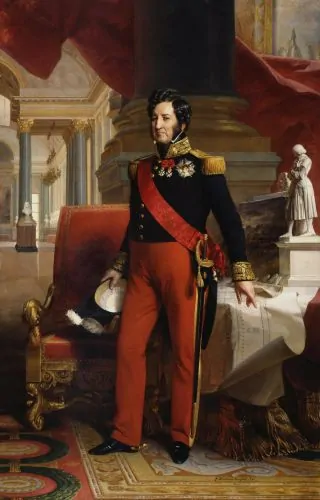
Louis-Philippe became king of the French on August 9, after the chambers had declared the throne vacant and approved revisions to the Charter. Charles’s abdication a week earlier had attempted to preserve the succession for his grandson, but the parliamentary settlement transferred the crown to the Orléans branch. The revised constitution removed the preamble of 1814 because it presented French rights as a concession from the sovereign. Article 13 confined the king’s ordinance-making authority to executing the laws and expressly prohibited him from suspending them or dispensing with their observance. This restriction answered the interpretation of emergency powers that Charles had invoked to support the July ordinances. Legislative initiative also passed to each chamber, ending the crown’s exclusive right to propose legislation. Although the king retained substantial executive powers, the settlement strengthened the constitutional means of resisting a ruler who treated opposition as grounds for setting ordinary law aside.
Article 7 stated the commitment to publication with unusual finality: “Censorship can never be reestablished.” Its preceding sentence nevertheless required writers to comply with the laws, preserving the possibility of prosecution for offenses committed through print. An ordinance of August 2 had already ordered the release of people imprisoned for political press offenses and terminated pending proceedings. The law of October 8 subsequently extended jury jurisdiction to political and press offenses. These measures gave practical substance to the protection of publication while locating future disputes over permissible expression within legislation and judicial proceedings.
Electoral reform widened participation on terms that continued to privilege wealth. The Charter lowered the minimum voting age from thirty to twenty-five and the minimum age for deputies from forty to thirty, leaving the financial qualifications to subsequent legislation. Under the law of April 19, 1831, the ordinary electoral qualification fell from 300 to 200 francs in annual direct taxes, while eligibility for the Chamber required 500 instead of 1,000 francs. The arrangement giving the richest electors a second vote also disappeared. Approximately 166,000 men could now vote in parliamentary elections, a substantial enlargement that still excluded the overwhelming majority of adult men and all women. Those who had fought without possessing electoral rights acquired no special entitlement through their participation. For supporters of the settlement, the distinction between enjoying civil liberties and exercising political power could be defended as a principle of representative government. Guizot’s memoirs explain his opposition to submitting the new monarchy to universal suffrage. He maintained that a popular ratification would substitute an elective foundation for the constitutional agreement he intended to establish. He could defend public discussion while rejecting the proposition that every participant in it should help choose the legislature. The restrictions reflected a deliberate understanding of legitimate government, giving the possessors of qualifying resources a continuing advantage in determining the laws that applied to everyone.
Publishing presented another threshold that constitutional language alone could not remove. An editor needed financial backing to meet production costs before subscription receipts could sustain a newspaper. The renewed enforcement of security requirements toward the end of 1830, together with continuing taxes on publication, burdened ventures with little capital even where the charges had been reduced. Such conditions favored established enterprises and made maintaining a paper for wage earners considerably harder than proclaiming their entitlement to express an opinion.
L’Artisan, first published on September 22, 1830, objected that earlier newspapers addressed to workers had been written by men unfamiliar with their needs. The Journal des ouvriers had appeared three days before it, marking an effort to establish publications rooted in occupational experience. These initiatives gave a different purpose to the printing skills that had figured in July’s resistance. Their editors solicited information about particular trades, treating workers as sources of knowledge about the conditions under which they labored. Reports gathered in this manner could turn experiences confined to individual workshops into matters of shared concern. Nathalie Jakobowicz approaches these papers as participants in the formation of working-class identity. Their contributors asserted competence to identify social problems and discuss remedies themselves, despite their exclusion from parliamentary elections. Both papers disappeared before the year ended, and their short existence reveals the difficulty of turning an opportunity to publish into a durable institution. Establishing an independent working voice required sustained editorial labor and financial support after the immediate excitement surrounding the revolution had subsided.
The new monarchy soon demonstrated how much coercive power remained available against its critics. Honoré Daumier’s lithograph Gargantua, produced in 1831, represented Louis-Philippe consuming the population’s money while distributing benefits to political dependents; the prosecution that followed brought the artist a six-month prison sentence in 1832. The case made protection of the royal person a means of punishing an attack on the operation of government. Further restrictions followed the assassination attempt against Louis-Philippe in July 1835. The press law of September 9 strengthened penalties against opposition expression and required prior authorization for drawings and lithographs, restoring preventive control over visual satire. That development exposed the vulnerability of the Charter’s promise when the authorities distinguished between forms of publication and invoked the defense of the regime. The problem now included the willingness of a parliament to authorize restraints on the medium that had helped defend its own electoral rights.
Have We Given the Newspapers Too Much Power?
The following video from “This Is Barris! – French History” discusses the July Revolution of 1830:
The strongest challenge to this account concerns how it assigns importance to the evidence. Journalists left dated declarations, identifiable participants, and sustained explanations of their own conduct, making their interventions unusually easy to reconstruct. A narrative organized around these materials can give their authors a prominence that reflects the survival of their words as much as their influence on events. Daniel Rader’s detailed study demonstrates extensive editorial involvement in the struggle, but the number and clarity of documented interventions cannot establish their causal primacy. The historian must still ask how far publication changed what other people were prepared to do, and how far it expressed opposition already developing through relationships beyond the press.
An explanation grounded in urban society begins with the prolonged insecurity of the late Restoration. Poor harvests, expensive provisions, irregular employment, and falling earnings had created grievances that no editorial campaign needed to invent. From this perspective, the ordinances precipitated a confrontation among people whose dissatisfaction extended well beyond parliamentary controversy. The explanatory emphasis falls on their willingness to incur the risks of resistance and the circumstances that made continued obedience unacceptable. David Pinkney’s evidence complicates any straightforward association between immediate hardship and revolt, since he records signs of improving employment and easing food prices during the spring of 1830. Some reports of returning tranquility came from officials whose confidence in public order demands scrutiny, but they nevertheless caution against imagining that economic conditions simply deteriorated until revolution followed. Earlier losses could leave households vulnerable after business revived, while an improvement in current earnings did not necessarily repair hostility toward the authorities. Material circumstances help explain the social depth of the crisis without fixing the moment or the meaning of collective action. Workers could connect their circumstances with judgments about lawful government, the conduct of soldiers, and the rights they believed belonged to French citizens. The strongest version of this challenge recognizes those judgments as sources of initiative, allowing popular participation to possess an intellectual history that cannot be reconstructed solely from what prominent editors wrote.
Royal power also depended on institutions whose behavior journalists could neither prescribe nor reliably anticipate. Administrative preparation and military cohesion affected whether resistance could survive long enough to expand, giving decisions within the state considerable explanatory importance. The succession of events from editorial protest to dynastic collapse does not establish how much each intervention contributed to the outcome. Even a persuasive account of the newspapers’ influence must explain why suppression failed, a question requiring attention to the government’s conduct and the insurgents’ capabilities beyond the circulation of political arguments.
These objections require a more discriminating use of the crown’s own explanation of the emergency. The ministerial report accompanying the ordinances blamed newspapers for undermining authority, yet its authors had an evident interest in assigning responsibility for the crisis to their opponents. Its accusations establish official perceptions more securely than they prove the power attributed to the press. The measures themselves nevertheless demonstrate that the ministry joined restrictions on publication to an attempted reconstruction of electoral politics. The journalists’ refusal made that conjunction the subject of an explicit dispute over obedience, providing a reproducible statement against which subsequent government actions could be assessed. Such an intervention could matter without supplying everyone who resisted with either their grievances or their objectives. Edgar Leon Newman’s account of cooperation between liberal leaders and working people helps explain this possibility by locating their association within political relationships formed before July. Shared constitutional language could facilitate cooperation among participants who understood its implications differently. The defensible claim is that publication helped make separate objections intelligible as opposition to the same governmental action, while the extent and consequences of that cooperation depended on decisions the authors could not control.
The argument should consequently assign newspapers an influence that varied with the questions being contested. The evidence supports their ability to formulate a constitutional grievance and promote a preferred succession more securely than it supports claims about their direction of insurgent action. Censorship also emerges from this reassessment as an error in the crown’s understanding of its opponents. Ministers sought to make electoral intervention manageable by disabling hostile publications, but suppressing an important means of expressing opposition could not ensure the compliance of the people who sustained it. To make editors the principal authors of the revolution would risk accepting the exaggerated account of their control over political society that helped justify the ordinances. Their contribution becomes more intelligible when explanation includes both the relationships that gave their declarations practical significance and the independent actions that carried resistance beyond editorial intentions.
Conclusion: The Election That Suppression Could Not Erase
Charles X tried to render an electoral defeat politically ineffective by changing the conditions under which his opponents could act. Dissolving the Chamber was among his recognized powers; remaking electoral arrangements through ordinances brought the legal basis of his intervention into dispute. The simultaneous demand for permission to publish sought to restrict public opposition while those changes took effect. These measures threatened to make the practical value of representative institutions depend on the executive’s willingness to accept the results they produced. The journalists identified that danger through their declaration of resistance, asserting that constitutional obligations applied to the government as well as to those it governed.
Making that claim effective required more than agreement among newspaper editors. Printers and other inhabitants of Paris brought their own judgments to the emergency, and resistance developed through actions that the signatories of the protest could not direct. The failure of royal enforcement allowed those actions to acquire consequences that constitutional reasoning alone could not secure. The revolution exposed a disparity between the narrow distribution of electoral rights and the far wider participation on which the defeat of the ordinances depended.
The settlement under Louis-Philippe answered substantial grievances while retaining a pronounced inequality in access to power. Restricting royal ordinance-making and strengthening protection for publication changed the constitutional position of the monarchy. Those gains mattered beyond the electorate, since executive decisions and the availability of public criticism affected people who possessed no parliamentary vote. Financial qualifications nevertheless reserved the selection of deputies to a privileged minority of men, while women remained excluded altogether. Freedom to discuss government consequently extended further than the right to participate in choosing its representatives. Many defenders of constitutional monarchy had sought precisely such an arrangement, understanding civil liberties as compatible with the reservation of electoral authority to those they considered qualified to exercise it. Participants denied a vote could also value the defeat of the ordinances while pursuing changes that the new rulers refused to grant. Their contribution establishes neither unanimous satisfaction with the settlement nor a uniform democratic program against which its results can be measured. The July Monarchy emerged from a struggle that enlarged constitutional protections without resolving the claims of those whose part in its creation exceeded the political rights it recognized.
The original election had offered an outcome within the existing political order, however inconvenient it was to Charles and his ministers. A government prepared to accommodate the opposition could have continued the dispute through the institutions of the Charter, although disagreement over ministerial responsibility would have remained. By trying to remove the parliamentary obstacle while restricting the freedom to contest its removal, the crown endangered that possibility. The press protests publicly explained the breach, and the struggle over enforcement made Charles’s continued rule increasingly difficult to sustain. Suppression consequently failed in a deeper sense than its inability to prevent newspapers from appearing. An election held to choose deputies became part of the justification for removing a dynasty, and Charles’s effort to escape its consequences helped produce a settlement beyond anything those electors had been empowered to decide.
Bibliography
- Alexander, Robert. Re-Writing the French Revolutionary Tradition: Liberal Opposition and the Fall of the Bourbon Monarchy. Cambridge: Cambridge University Press, 2003.
- Altman, Elizabeth C. “Some Observations on the French vs. the English Press, 1830-1848.” Victorian Periodicals Newsletter 11:4-1 (1971), 30-31.
- Blanc, Louis. Histoire de dix ans: 1830–1840. 2nd ed. Vol. 1. Paris: Pagnerre, 1842.
- Charle, Christophe. Le siècle de la presse, 1830–1939. Paris: Seuil, 2004.
- Charles X. “Discours du roi du 2 mars 1830.” In Archives parlementaires de 1787 à 1860, 2nd ser., 61:543–44. Paris: Paul Dupont, 1787.
- —-. “Ordonnances du roi du 25 juillet 1830.” In Archives parlementaires de 1787 à 1860, 2nd ser., 61:639–641. Paris: Paul Dupont, 1787.
- —-. “Ordonnance royale du 16 mai 1830.” In Archives parlementaires de 1787 à 1860, 2nd ser., 61:621. Paris: Paul Dupont, 1787.
- —-. “Proclamation du roi du 13 juin 1830.” In Archives parlementaires de 1787 à 1860, 2nd ser., 61:623. Paris: Paul Dupont, 1787.
- France. Chambre des députés. “Adresse au roi, présentée le 18 mars 1830.” In Archives parlementaires de 1787 à 1860, 2nd ser., 61:617–19. Paris: Paul Dupont, 1787.
- —-. “Charte constitutionnelle du 4 juin 1814.” June 4, 1814. Preamble and articles 1, 8–9, 13–18, 35, 38–40, 48–50, 55–56, and 74.
- —-. Conseil des ministres. “Rapport au roi du 25 juillet 1830.” In Archives parlementaires de 1787 à 1860, 2nd ser., 61:636–39. Paris: Paul Dupont, 1787.
- Childs, Elizabeth C. “Big Trouble: Daumier, Gargantua, and the Censorship of Political Caricature.” Art Journal 51:1 (Spring 1992): 26–37.
- Goldstein, Robert Justin. “Fighting French Censorship, 1815-1881.” The French Review 71:5 (1998), 785-796.
- Guizot, François. Mémoires pour servir à l’histoire de mon temps. Vol. 2. Paris: Michel Lévy frères, 1859.
- Harsin, Jill. Barricades: The War of the Streets in Revolutionary Paris, 1830–1848. New York: Palgrave Macmillan, 2002.
- Jakobowicz, Nathalie. 1830, le peuple de Paris: Révolution et représentations sociales. Rennes: Presses universitaires de Rennes, 2009.
- Journal des débats politiques et littéraires. August 10, 1829.
- L’Artisan: Journal de la classe ouvrière (Paris). September 22, 1830.
- Laquièze, Alain. “La Charte de 1814 et la question du gouvernement parlementaire.” Jus Politicum, no. 13 (December 2014).
- —-. Les origines du régime parlementaire en France, 1814–1848. Paris: Presses Universitaires de France, 2002.
- Marmont, Auguste Frédéric Louis Viesse de, duc de Raguse. Mémoires du maréchal Marmont, duc de Raguse, de 1792 à 1841. Vol. 8. Paris: Perrotin, 1857.
- Newman, Edgar Leon. “The Blouse and the Frock Coat: The Alliance of the Common People of Paris with the Liberal Leadership and the Middle Class during the Last Years of the Bourbon Restoration.” The Journal of Modern History 46:1 (March 1974), 26–59.
- Parent-Lardeur, Françoise. Lire à Paris au temps de Balzac: Les cabinets de lecture à Paris, 1815–1830. 2nd ed., rev. and expanded. Paris: Éditions de l’École des hautes études en sciences sociales, 1999.
- Pinkney, David H. “The Crowd in the French Revolution of 1830.” The American Historical Review 70:1 (1964), 1-17.
- —-. The French Revolution of 1830. Princeton, NJ: Princeton University Press, 1972.
- “Protestation des journalistes du 27 juillet 1830.” In Archives parlementaires de 1787 à 1860, 2nd ser., 61:641–42. Paris: Paul Dupont, 1787.
- Quinault, Roland. “The French Revolution of 1830 and Parliamentary Reform.” History 79:257 (1994), 377-393.
- Rader, Daniel L. The Journalists and the July Revolution in France: The Role of the Political Press in the Overthrow of the Bourbon Restoration, 1827–1830. The Hague: Martinus Nijhoff, 1973.
- “Révolution française de juillet 1830.” Revue des Deux Mondes 3 (1830): 131–61.
- Rosanvallon, Pierre. Le sacre du citoyen: Histoire du suffrage universel en France. Paris: Gallimard, 1992.
- Sainte-Beuve, Charles-Augustin. “Historiens modernes de la France: IV. M. Thiers.” Revue des Deux Mondes 9 (1845), 209–46.
- Traugott, Mark. The Insurgent Barricade. Berkeley: University of California Press, 2010.
Originally published by Brewminate, 09.15.2026, under the terms of a Creative Commons Attribution-NonCommercial-NoDerivatives 4.0 International license.
About the Author