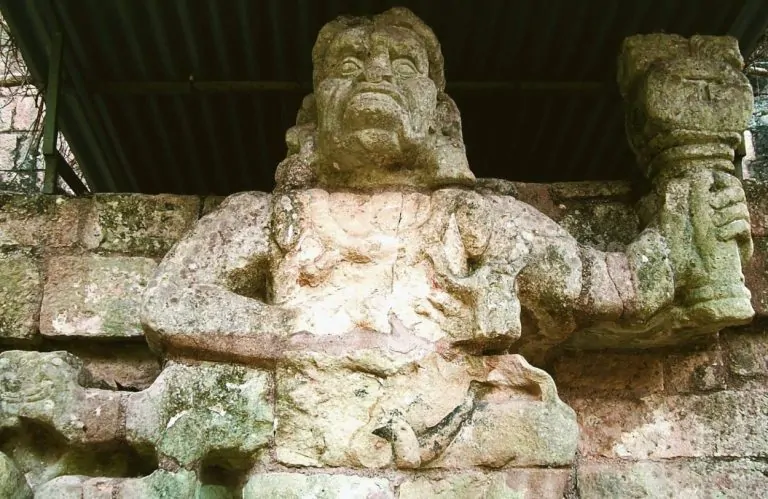
In 738, Quiriguá’s ruler captured and decapitated Copán’s celebrated king, 18 Rabbit. His death ended one political...
Mesoamerica
Mesoamerica was home to interconnected civilizations extending from central Mexico into Central America. Explore the cities and traditions that shaped the region before and after European conquest.
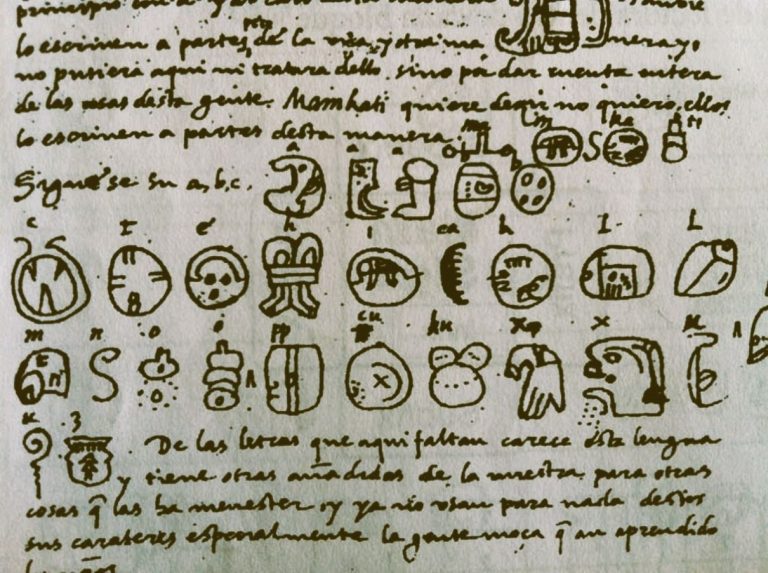
At Maní in 1562, Franciscan authorities used testimony, coercion, and local knowledge to expose Maya religious practices...
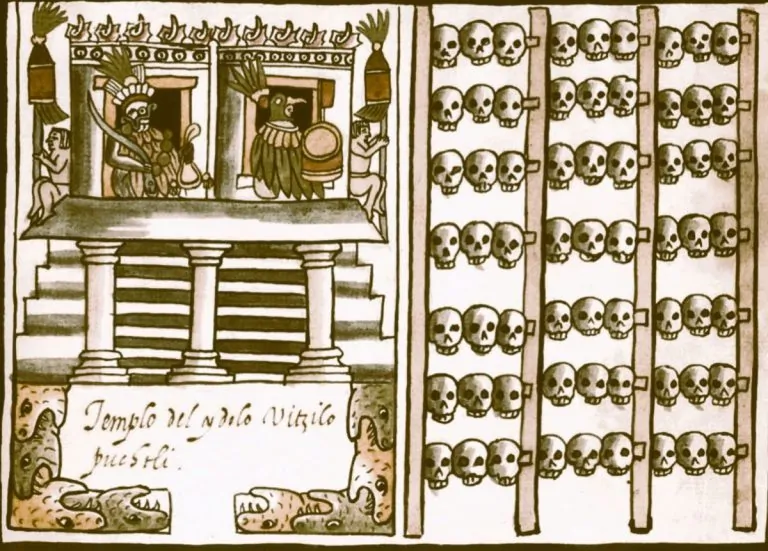
Ancient Mesoamerican rulers relied on far more than bodyguards. Palaces, armies, sacred authority, dynastic alliances, tribute, intelligence,...
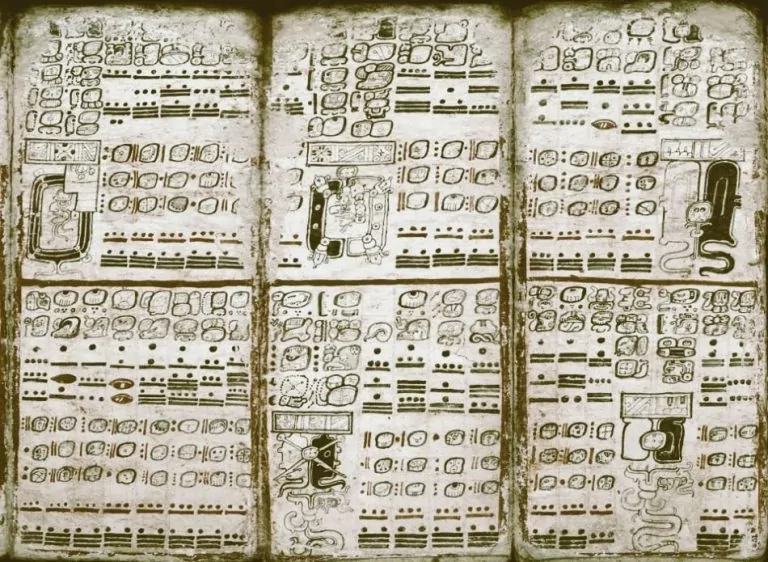
The Dresden Codex transformed recurring lunar cycles into eclipse warnings, joining sophisticated Maya mathematics with divination, ritual...
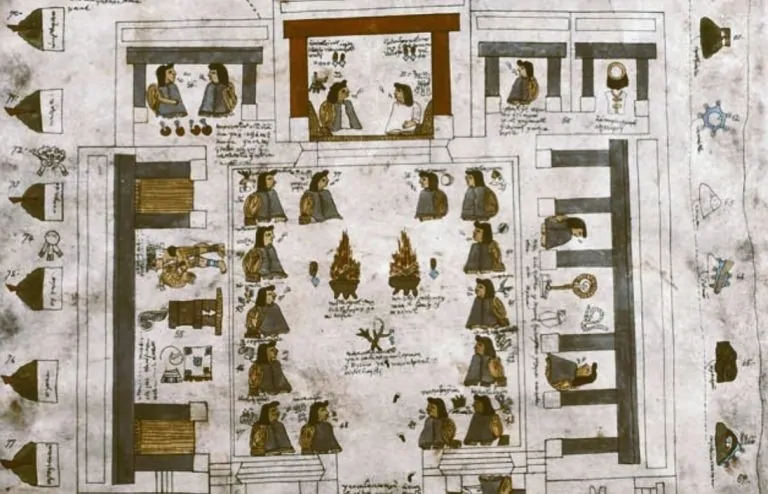
Across Mesoamerica, rulers, judges, councils, elders, and communities used law to preserve authority, resolve disputes, protect property,...
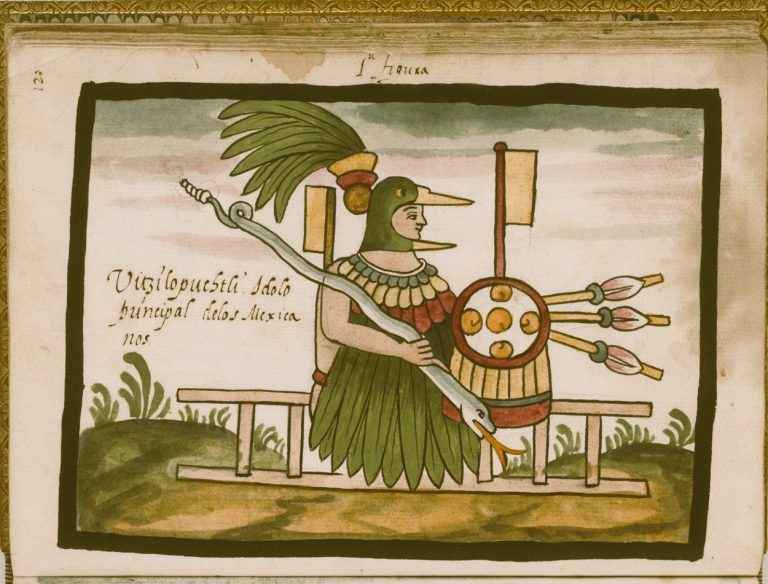
Aztec warfare joined strategy, tribute, diplomacy, sacrifice, and divination in a sacred political order that shaped how...
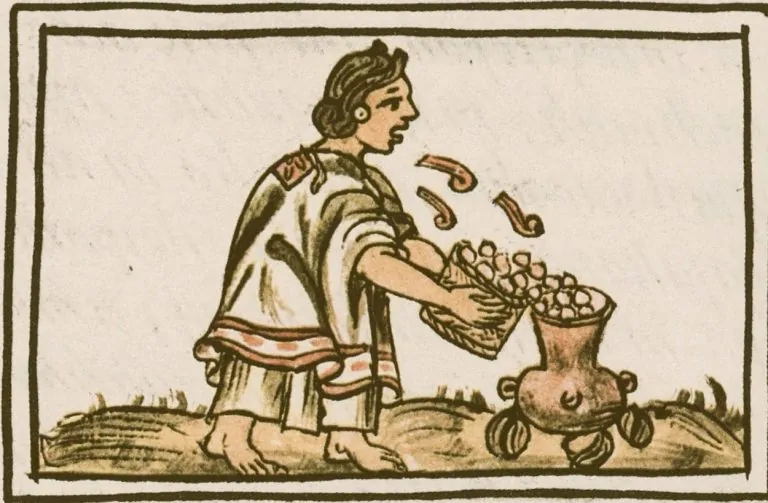
In Nahua moral life, warning another person was more than criticism. It was an act of care,...
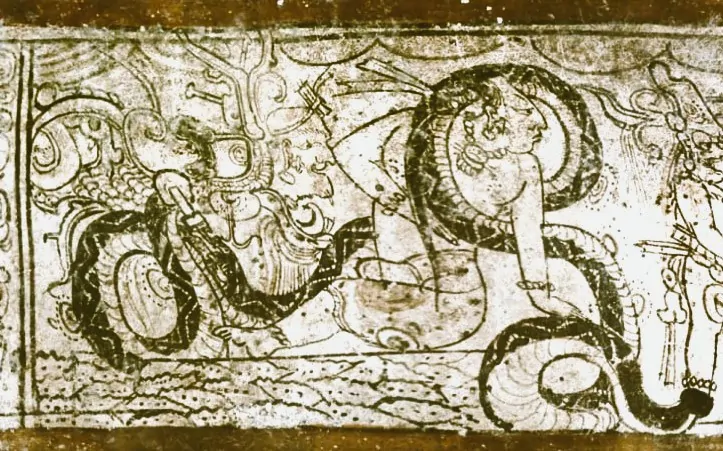
Maya death rituals linked burial, ancestor worship, maize, jade, caves, tombs, and the underworld into a sacred...
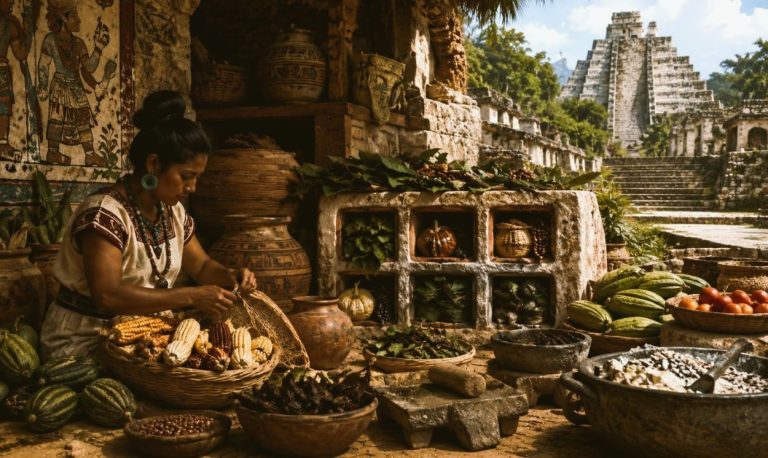
Maya and Aztec food preservation was more than survival. Preservation and storing food helped sustain households, cities,...
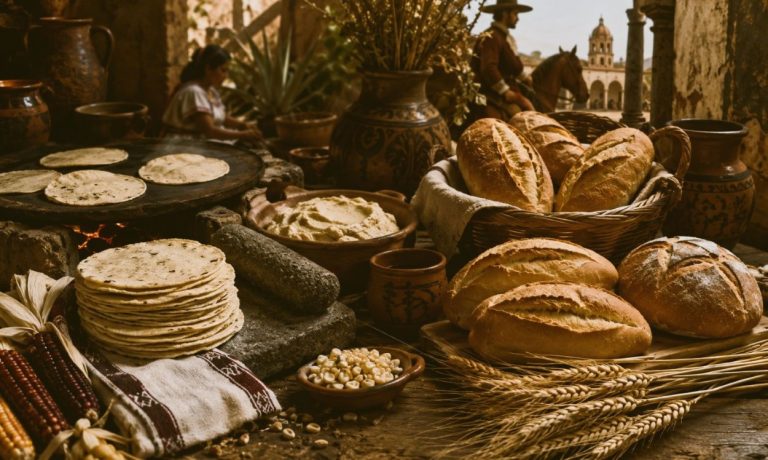
Before bolillos and pan dulce, Mesoamerica had masa. This essay traces how maize, wheat, ritual, conquest, and...
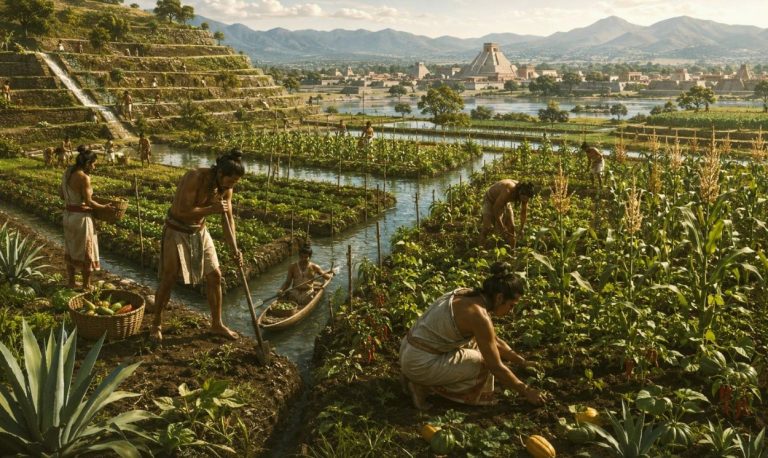
Ancient Mesoamerican farmers transformed forests, wetlands, slopes, and lakebeds into productive landscapes that sustained cities, rituals, markets,...
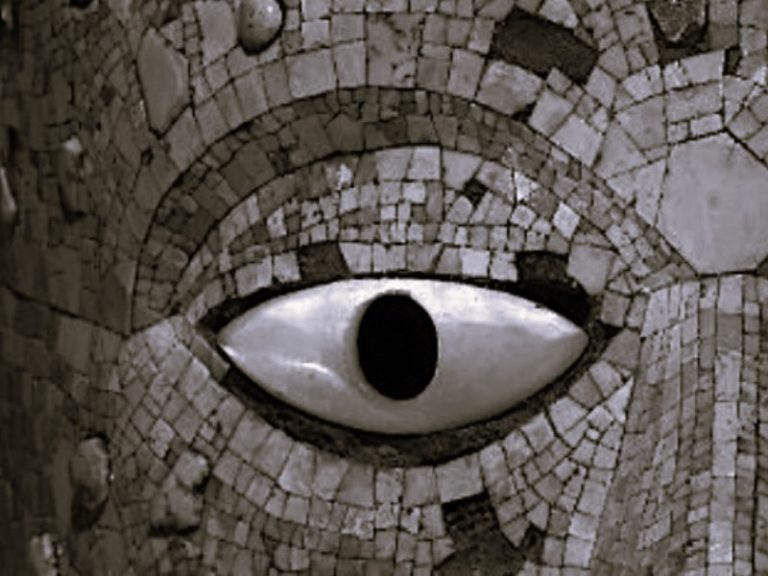
Turquoise linked sacred power, elite identity, trade, ritual art, and divine symbolism across ancient Mesoamerican societies. Introduction...
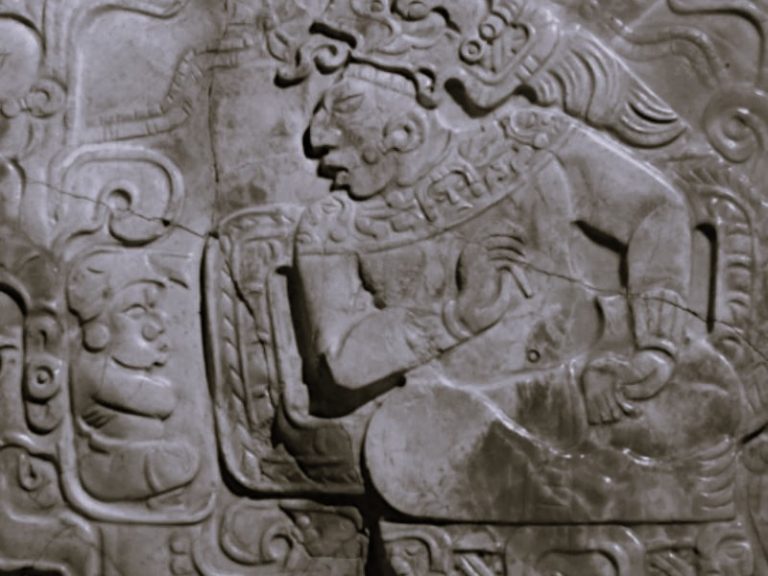
Jade carried sacred, political, and social meaning in ancient Mesoamerica, linking elite status, ritual power, trade, fertility,...
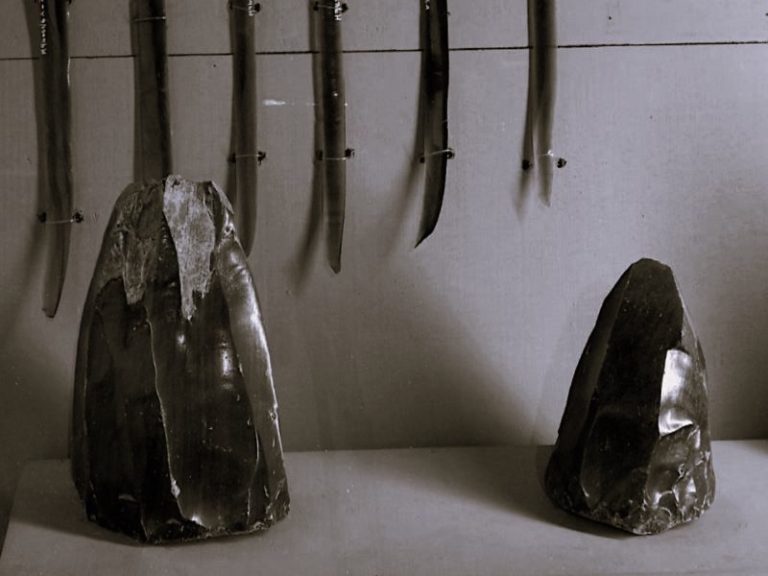
Obsidian shaped ancient Mesoamerican life through tools, trade, warfare, ritual sacrifice, elite display, and sacred meanings tied...
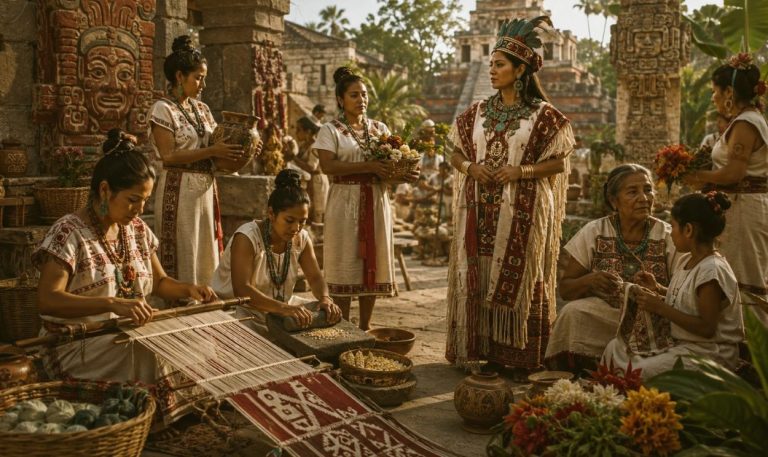
Women’s communities shaped Mesoamerican life through labor, ritual, healing, markets, kinship, and sacred memory across households, courts,...
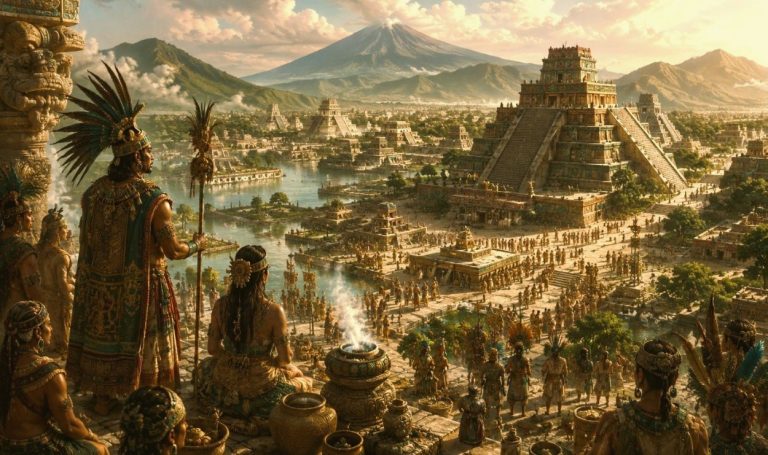
Mesoamerican patriotism emerged through sacred cities, local homelands, ancestral memory, and civic identity long before modern nationalism...
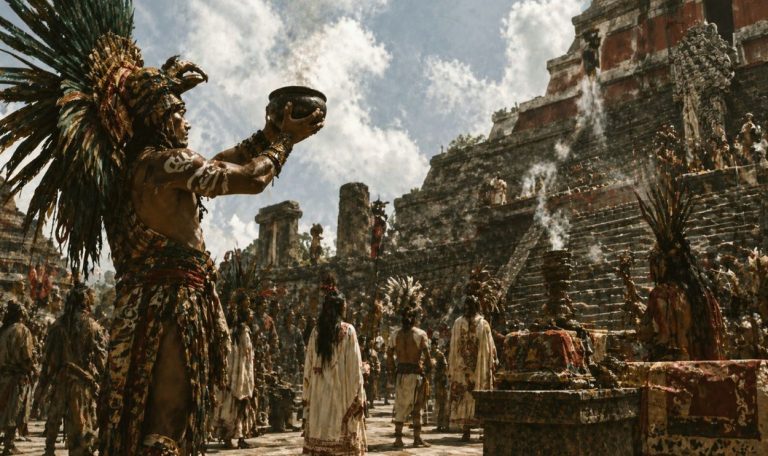
Explore Mesoamerican cult traditions, from jaguar worship to Xipe Totec, and how ritual shaped power, belief, and...
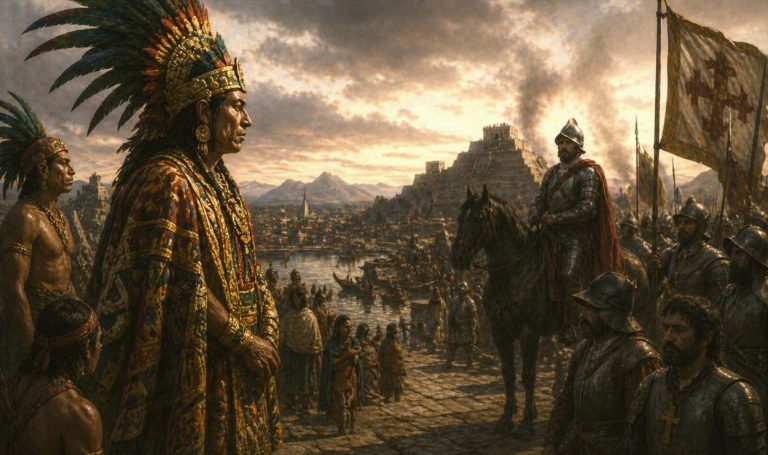
Moctezuma II’s response to the Spanish conquest reveals how authority, belief, and uncertainty shaped decisions that contributed...
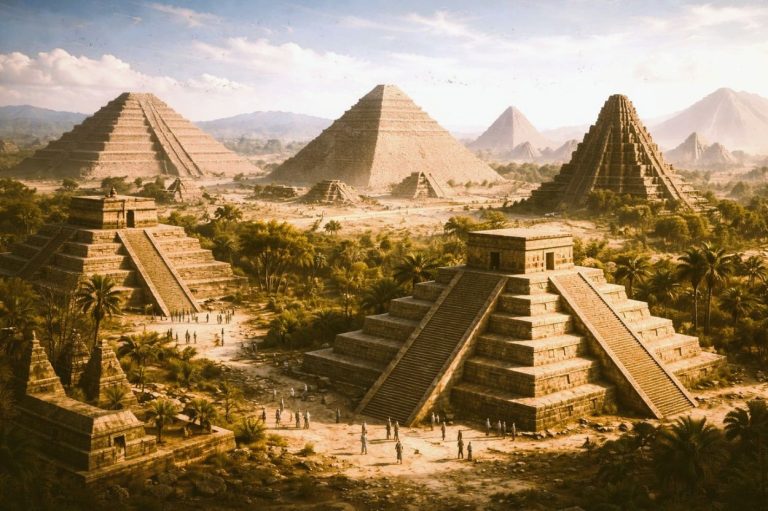
Across continents and civilizations, pyramids emerged as powerful expressions of belief, authority, and memory, revealing a shared...
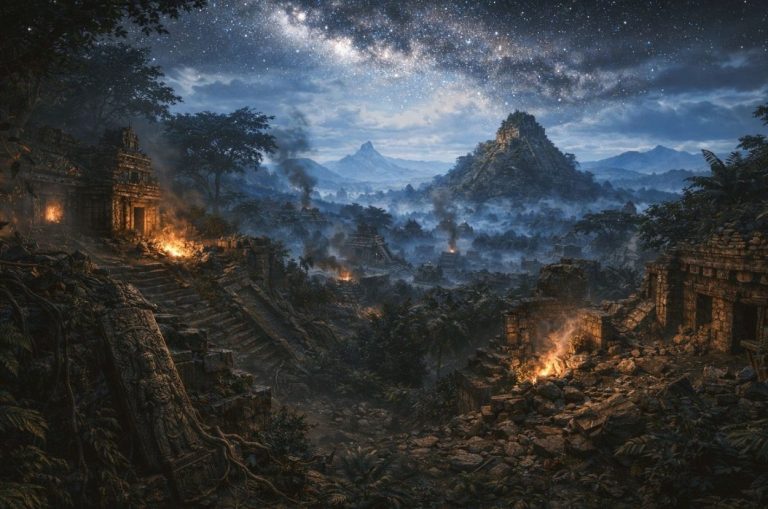
The so-called Mesoamerican “Dark Ages” were not true collapse, but periods of environmental stress and transformation that...
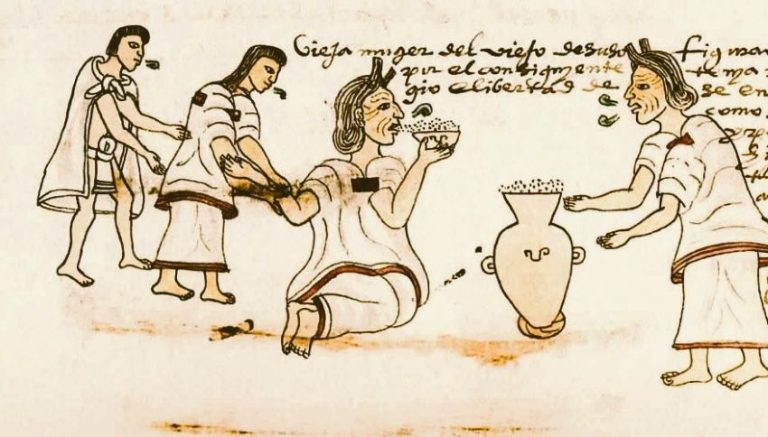
Aztec society rested on a powerful hierarchy in which noble pipiltin governed while commoner macehualtin sustained the...
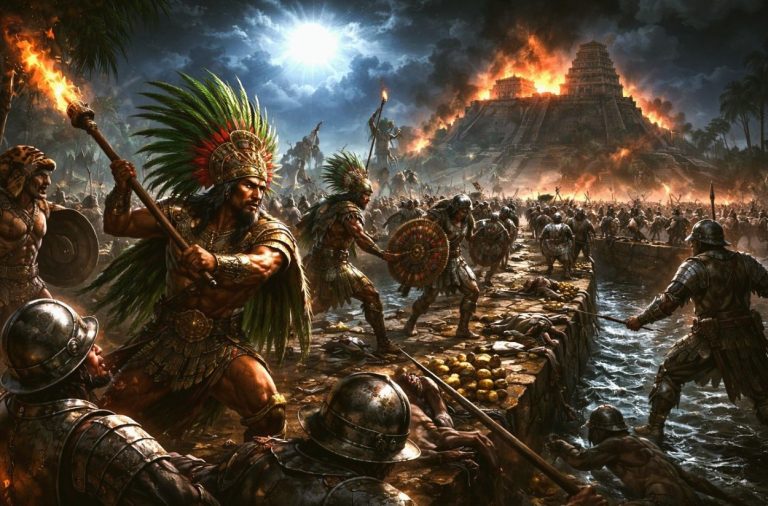
In 1520, Aztec resistance shattered Spanish control of Tenochtitlan, forcing Cortés’s army into a deadly nighttime retreat...
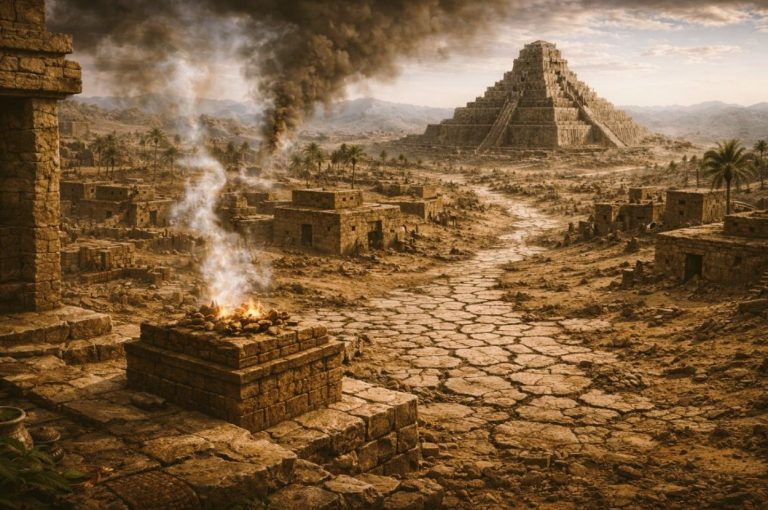
The Maya collapse was the outcome of environmental stress interacting with political structures organized around visible legitimacy...
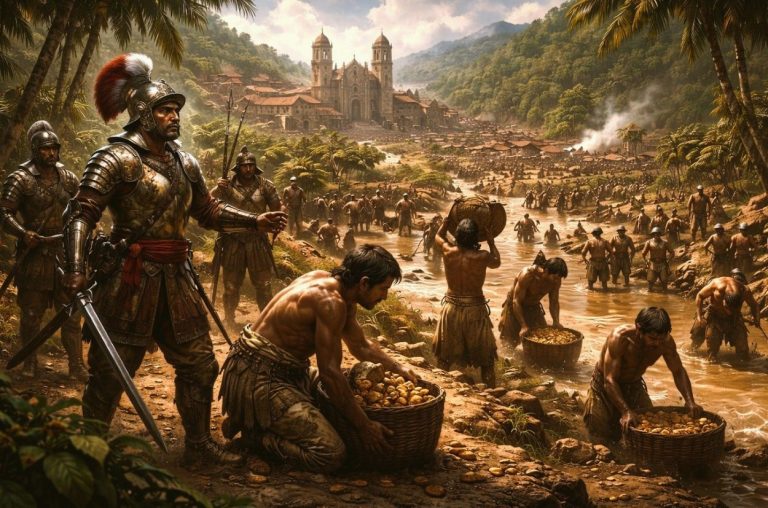
The encomienda offers a historical example of how institutions claiming neutrality or benefit can embed exploitative feedback...
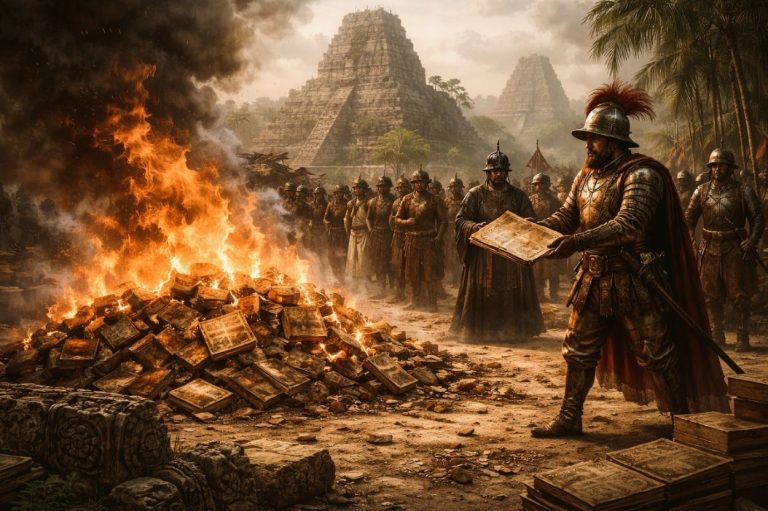
The burning of history does not erase people, but it alters the conditions under which they must...
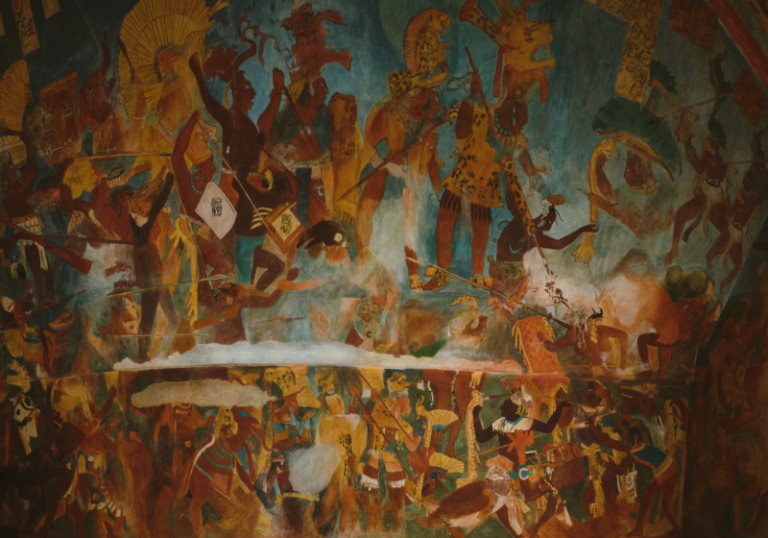
Tactics, weaponry, and the logistics of battle help answer questions about social conflict in the human experience....

To place Indigenous peoples at the center of Venezuelan history is not an act of inclusion for...
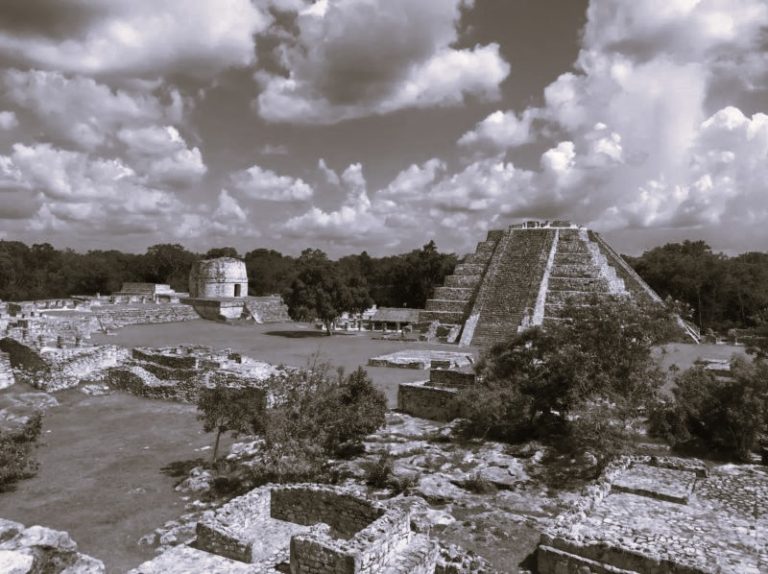
In the 13th and 14th centuries, Mayapán was the largest Maya capital of the Yucatán Peninsula. Introduction...
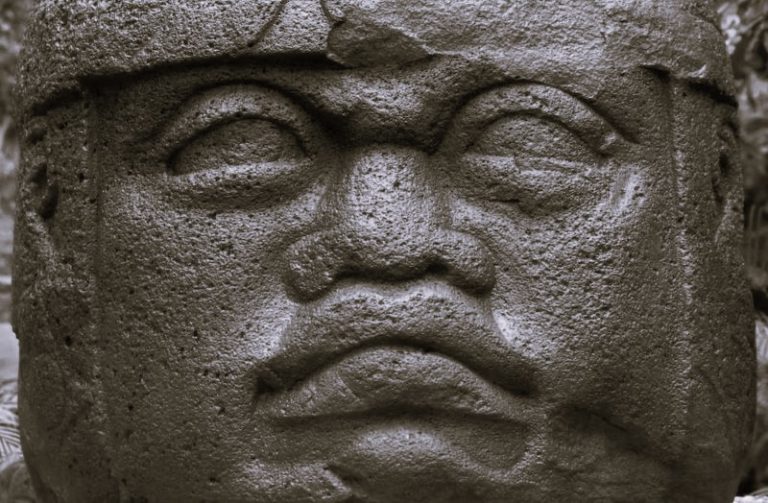
The return of an important monument to Mexico spotlights a culture whose influence is still felt in...
The prehistoric and early ethno-linguistic peoples of Venezuela stand as witnesses to the region’s role as both...