
Childbirth practices across the ancient Near East shared materials and practical rituals. Egyptian and biblical accounts reveal distinct spiritual meanings and social significance.
By Quinn Rathkamp
Western Washington University
Pervasive Practices and Divergent Cultural Traditions Surrounding Childbirth in Ancient Egypt and Ancient Mesopotamia
Introduction
In the ancient Near East, cultures and traditions collided on a regular basis. Makers of monumental architecture in Egypt constructed drastically different structures from those found in ancient Babylon or Israel. Tombs held different objects, economies produced different goods, servants were set to different tasks and ate different foods: Near Eastern cultures diverged from one another in a wide variety of ways. It is, thus, important to underscore cultural similarities where they can be found. Practical materials and rituals employed during childbirth were strikingly similar throughout ancient Egypt and the Near East. However, the spiritual rituals, metaphors, and social significance of childbirth varied drastically, especially between the world of ancient Egypt and that of the Hebrew Bible. These spiritual and social differences are especially apparent in the way that the experience of childbirth was recorded.
Shared Birth Practices in Egypt, Ancient Mesopotamia, and The Levant
The use of bricks during and after births was ubiquitous throughout the ancient Near East. Women would place their feet or knees on a set of specially designated birth bricks and squat in a position that allowed gravity to aid in the delivery of the baby. The bricks served a practical purpose, and, in the case of Egypt, a spiritual one as well. By elevating the mothers, midwives were given slightly more room to attend to the delivery. Birth bricks are attested to in a Neo-Assyrian letter, a Sumerian personal name, the book of Exodus, an Egyptian stele, the Westcar Papyrus, and by an actual birth brick recovered from a home near the mortuary complex of King Senworset III.1 Additionally, women in both ancient Egypt and ancient Israel underwent a period of rest and purification after giving birth. In the Westcar Papyrus, Reddedet goes through a fourteen day purification period after the birth of her three sons.2 Carolyn GravesBrown asserts that this practice was ubiquitous within Egyptian culture.3 Leviticus 12 outlines specific instructions for women’s purification, both by a period of seclusion and through sacrifice.4 Lastly, almost every source on the subject of ancient Near Eastern Childbirth highlights the presence and importance of midwives in the process. In both regions, female family members and close family friends attended the birth and either acted as midwives themselves or else assisted the midwife in her duties.
Gender Relations and the Documentation of Birth in Egypt and Mesopotamia
Despite the abundance of similarities in the general practices of childbirth, primary sources indicate that the spiritual rituals and societal beliefs and attitudes surrounding childbirth were diverse. One of the best sources documenting attitudes and spirituality associated with childbirth is the Hebrew Bible itself. Contrasting the books of the Bible with various Egyptian papyri and collected archeological material reveals that men’s involvement in the birth process differed between the cultures of ancient Egypt and Israel. While women played the primary role as caretakers and midwives in both regions, the male authors of the books of the Old Testament demonstrate that, in general, they were more removed from the process of childbirth than Egyptian men.5
There are three key passages of the Hebrew Bible that describe childbirth in ways that are incongruous with the reality of the process of human labor and delivery. The first two passages describe infants emerging from the womb hands first: Genesis 25:24-26 describes the birth of Esau and Jacob by Rebecca. “When her days to give birth were completed, behold, there were twins in her womb. The first came out red, all his body like a hairy cloak, so they called his name Esau. Afterward his brother came out with his hand holding Esau’s heels, so his name was called Jacob.”6 While the emergence of Esau is not described in detail, Jacob’s birth position is clear; if he held onto the heel of his brother, either his hands were delivered first, or his hand(s) were delivered along with his head, with his arm(s) pressed against his ears.
The second passage, Gen 38:27-29, describes a similar birth position during the delivery of Zerah and Perez by Tamar. The author writes, “when the time of her labor came, there were twins in her womb. And when she was in labor, one put out a hand, and the midwife took and tied a scarlet thread on his hand, saying, ‘This one came out first.’ But as he drew back his hand, behold, his brother came out.”7 Thus, the author indicates that Zerah had been preparing to emerge from the womb hand(s)-first before he changed his mind. In both Gen 25 and Gen 38, the author carries on narrating the story without any note that something unusual has just taken place in the story. Thus, the narrator indicates that this is the natural way for babies to be born. However, aside from the births of Zerah and Jacob, no other instance has ever been recorded (to the knowledge of Viezel) in which the baby’s hand emerged first.8 If one assumes that the many recorded births in the history of the world constitute a general rule, then it is reasonable to assume that, barring divine intervention, it was highly unlikely that either Zerah or Jacob was actually born hands-first. It is likely that the authors of the Hebrew Bible assumed that the process of the birth of cattle and sheep—during which the hooves of the offspring’s forelegs emerge from the womb first—did not differ from that of human babies. After all, human hands are the logical equivalent of the hooves of the forelegs of calves and lamb.9
The third piece of evidence that demonstrates Biblical men’s unfamiliarity with the actual process of birth comes from Jeremiah 30:6, which describes the actions of cowering men: “I see every man with his hands on his loins, like a woman in labor.”10 Viezel explains that the author of this passage “knows that men tend to grab their organ when it is hurt or injured, and he projects this action onto the birthing woman, supposing that a woman in labor will place her hands on her loins…to ease the pain.”11 In reality, this action is uncommon of women in labor. Because these passages demonstrate men’s ignorance in the arena of labor and delivery, Viezel argues that men (customarily) never saw women giving birth, but instead projected their own experiences, both physiologically and as shepherds and farmers, onto the experience of women’s labor and human childbirth. If men in the Biblical world had witnessed labor and childbirth or communicated about the process with women, it is unlikely that they would have erroneously postulated that babies could be born hands-first or that women grab their “loins” during birth instead of their backs, hips, and the hands of those around them. Jennie Ebeling reiterates that in the world of the Old Testament, childbirth “was almost assuredly outside the realm of most men’s experiences, and was not an event that required the intervention of more established medical practitioners, even when they existed.”12
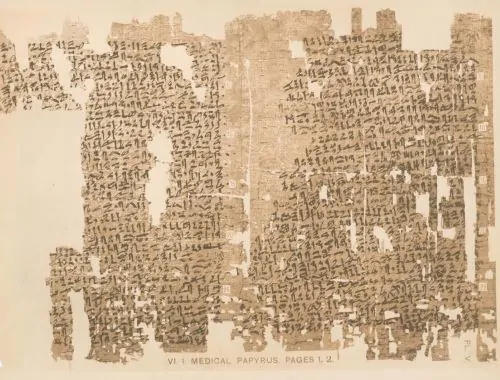
This lack of knowledge on the part of men may be one of the primary reasons that there is more evidence of ancient Egyptian childbirth than there is of childbirth in the area around Israel. Examples of men’s minimal—but noteworthy—involvement in ancient Egyptian childbirth can be found in three papyri discovered by archeologists. The Kahun Gynecological Papyrus was written around 1825 BC, presumably by a male physician. The document showed many signs of extensive wear; the owner must have used and handled the papyrus frequently, for the material has been patched and re-traced in various areas. The papyrus features 34 paragraphs, each of which presents the conditions, the causes, and the recommended treatment for a variety of specific maladies common to Egyptian women. For example, one paragraph reads,
Examination of a woman aching in her teeth and molars to the point that she
cannot […] her mouth
You should say of it ‘it is toothache of the womb’.
You should treat it then by fumigating her with incense and oil in 1 jar
Pour over her […] the urine of an ass that has created it’s like the day it passed it.13
Most of the passages deal with pains or diseases that have little to do with women’s reproductive organs (by modern standards), and almost every passage attributes the issue at hand to “discharges,” “passions” or “fits” of the “womb.” The way in which a neck ache could be caused by “discharges of the womb in her eyes” defies logic. By attributing every medical issue that plagued women to some abnormality of the uterus, the author demonstrated that Egyptian men believed that a woman’s reproductive organs entirely distinguished the female body from the male body. Other passages focus on contraception methods, and, thankfully, the last two passages provide recommendations for aiding women struggling with labor: “Preventing acute [labor] pains of a woman” involves (somehow) ground beans and the woman’s molars, and a destroyed section of the document gives treatment recommendations or “a woman [who] waters in difficulty.” Assuming that the document was written by a male physician, all of these passages papyrus indicate that some men were involved in women’s reproductive health and witnessed or aided in childbirth and labor. At the very least, some Egyptian men knew enough about the realities of labor in order to describe them with some accuracy, which is more than can be said for the authors of the books of Genesis and Jerimiah.
One may apply that same argument to the presence of advice related to labor and childbirth to the Ebers Papyrus. While it is quite difficult to access a full copy of Carl Von Klein’s English translation of the document, he published a short teaser of the Papyrus’ contents in 1905 called The Medical Features of The Papyrus Ebers. In it, Von Klein explains that the Papyrus was completed in 1552 BCE and that the Ebers Papyrus known to modern scholars was—most likely—a compilation of other medical papyri at the time or a revised version of a previous medical text. Thus, the medical information within the Ebers Papyrus probably originated from between the 16th and 18th dynasties. Von Klein’s Medical Features also promises chapters on both “Diseases of the Female Genitals” and on pregnancy and childbirth. Subtitles within the childbirth chapter include “methods to induce abortion, to prevent abortion, to replace a prolapsed uterus, to deliver a woman, to perform version during delivery, to deliver the placenta, to restore the vagina to its normal condition, to prevent the retention of urine, and to stop hemorrhage.”14
With the contents of the Ebers Papyrus in mind, one must take an aside and consider by whom the document was written and for which audience it was intended. There is very little evidence of ancient Egyptian women’s writing and reading ability. Carolyn Graves-Brown argues that few women were trained to become scribes, even in the elite spheres of society.15 Although evidence exists of letters sent by women, Graves-Brown argues that these were possibly actually transcribed by men. She does stipulate that female merchants and women running large households would have, perhaps, some reading ability.16 Given this information, is unlikely that they would have been able to decipher the text of the Ebers Papyrus, and it is even more unlikely that they would have been able to write it. Lastly, while the stele of Lady Peshet names it’s subject as the “female overseer of female physicians,” there is no other evidence of other female physicians until the Ptolemaic Period.17 Thus, the Ebers and Kahun Gynecological Papyri were most likely written by men for an audience of other men, indicating that some ancient Egyptian men did have detailed knowledge about the process of delivery and childbirth.18
Lastly, in the Westcar Papyrus, Re sends Khnum, a male deity, to attend the labor and delivery of Reddedet (along with four female deities).19 He brings a birth bricks for the suffering mother, is welcomed into the room in which Reddedet is laboring by her husband, Reusre, and proceeds to “breathe life” into each of the three newborns.20 Both Reusre’s proximity to the scene of birth and Khnum’s active participation in the delivery indicate a level of male involvement unparalleled by any Ancient Mesopotamian source.
Perhaps male medical professionals and other men in Ancient Mesopotamia did know about and aid in births, but because there is so little evidence, historians assume that they did not play a role in the world of obstetrics. In fact, this very lack of evidence may be attributed to the fact that men never participated in births and that women never communicated the details of them to men. If men were doing most of the writing in Biblical culture and men didn’t know about birth, they would not leave behind any written evidence conveying their knowledge.21 By contrast, not only did (at least) one Egyptian male god participate in some deliveries himself, but some Egyptian men (like Reusre) were allowed to stay in the same vicinity as their laboring wives. Finally, we know that male doctors in Egypt occasionally either directly assisted in deliveries or else disseminated medical advice to women in labor and their other female attendants.22 Thus, one may conclude that a crucial difference between the culture of childbirth of ancient Israel and that of ancient Egypt lies in the realm of gender relations. It is probable that in Egyptian culture, men were not entirely barred from the scene of birth as they were in the culture described in the Hebrew Bible. Therefore, few men in ancient Israel ever became acquainted with the process of childbirth while at least some ancient Egyptian men were privy to the both the gory details of amniotic fluid and to the fact that tiny heads and butts make their way into the world before hands do.
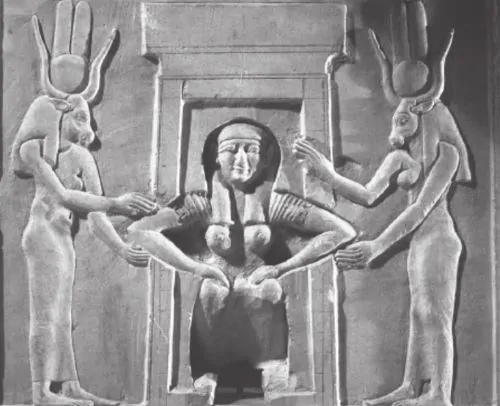
It is also important to factor in the role of women while considering the prevalence of childbirth sources in Egypt. Not only were men slightly more involved in the childbirth process, but Egyptian women themselves created and shared artifacts (like birth/tomb bricks and wands), ritual songs (like the various chants on different papyri), and even architecture and relief sculpture (like Dendera).23
Contrasting Metaphor and Symbolism Egypt and the Levant
Aside from differences in men’s level of exposure to childbirth, ancient Egypt and ancient Mesopotamia also associated differing metaphors with the process. In Egypt, the materials and symbols featured in the magical objects employed during births were also featured in tombs and in association with death. For example, archeologists discovered four systematically arranged bricks (of the same style as traditional birth bricks) at the respective burial sites of Tutankhamun, Amenhotep II, and Thutmose IV.24 In most other eighteenthdynasty royal tombs, niches for these bricks remain in place (although the bricks themselves are rarely found intact).25 Additionally, symbols of two Meskhenet birth bricks are featured in the Book of the Dead above the scales of judgment that determine the fate of Thoth in the Book of the Dead. Ann Roth and Catharine Roehrig suggest that Meskhenet bricks that appear in judgement scenes like the one in the Book of the Dead indicate that “the social position into which a person was born, decreed at birth and attested by the presence of a birth brick personifying the divinities connected with fate, was taken into consideration by the judges in determining whether sufficient good deeds had been done to justify admission to the afterlife.”26 Other scholars draw attention to the ancient Egyptians’ beliefs that linked death with regeneration or rebirth. Hathor, one of the most important Egyptian goddesses of childbirth, is featured in passages of the Coffin Texts as the “Lady of the Sky.” In these passages and in other traditions, Re, a young sun-god, regenerates through Hathor. Re passes between Hathor in the form of two trees; these very trees appear on the backside of the Abydos birth brick on either side of the new mother and baby.27 Thus, it is clear that themes of childbirth played an important role in a variety of Ancient Egyptian traditions involving death and rebirth.
This connection was entirely absent in ancient Mesopotamia. Instead, birth is often associated with ocean travel, or with the movement of snakes.28 One Assyrian elegy reads, “Why are you adrift, like a boat, in the midst of the river, your thwarts in pieces, your mooring rope cut? The day I bore the fruit, how happy I was, Happy was I, happy my husband.”29 A prayer to the deities Ea, Samas, and Marduk states: “My father created me, mother gave birth to me. They strove and like a snake I came forth from darkness and saw you, Samas.”30 Metaphors involving childbirth also pervade the Hebrew Bible. Images of women suffering from the painful “pangs” of childbirth pervade the prophetic books, and a variety of scholars have contemplated the purposes of these images. Tarja Philip argues that a selection of these images are meant to signal that God may appear in the form of a woman giving birth.31 Amy Kalmanofsky argues that these images symbolize “the physical and emotional experience of Israel awaiting the Babylonian conquest and [convey] the irony and futility of Israel’s situation.”32
Both Kalmonofsky and Claudia Bergmann bring attention to the many instances in which warriors or soldiers are likened to women in labor. In the Books of Isaiah (13:6-8, 21:3-4), Jerimiah (4:31, 6:22-14, 13:21, 49:23-24, 50:43), and Micah (4:9), the authors write that vulnerable or suffering men and entire cities (like Damascus) experience “agony like a woman in childbirth,” and “pangs like a woman in travail.”33 Isaiah 41:14 brings special attention to the screams of a woman in labor, which, as previously discussed, were probably the vehicle for most of the men’s exposure to the process.34 In any case, these metaphors highlight that, like a woman suffering through labor, all men would undergo hardship, distress, and sacrifice before receiving gratification and liberation (in the form of a child, of a military victory, or of admittance into heaven).35 These metaphors also underline the helplessness of mortals in the face of God; Kalmonofsky writes, “Just as a woman must submit to the pain and terror of childbirth, so too must the vanquished submit to their fate.”36 Lastly, these images may have been intended to convey the intense “shame of Israel’s demise;” if men participate in the feminine acts of trembling and screaming, they irreparably damage their masculinity.37
Conclusion
Women throughout the ancient Near East stood and knelt on birth bricks, stones, and stools during their labors; they were usually attended by midwives and female family members; most women delivered their afterbirth into a hole in the ground and buried it; and most women underwent a significant period of secluded rest and purification afterwards. These culturally practical similarities are countered by the contrasting gender relations and spiritual metaphors that ancient Egyptians and Mesopotamians associated with childbirth. Egyptian men were allowed slightly more access to the realm of labor and delivery than their Israelite counterparts, which may explain the lack of sources available on childbirth practices in that region. And while the Egyptians linked childbirth with death and rebirth through the goddess Hathor and through Meskhenet’s birth bricks, Mesopotamians linked childbirth with ocean travel, snakes, and the vulnerability of men during military conflict. This evidence illustrates that despite both societies’ beliefs that childbirth was an extremely private and impure process, childbirth still played a prominent role in shaping societies’ cultural understandings of more public and masculine elements of society like death and spiritual enlightenment.
The Effects of Bacteriology and Pharmacology on Nineteenth Century Maternal Mortality Rates
Introduction
In the late 19th century, a series of medical advances were introduced to the highest echelons of the scientific and obstetric communities. However, from the 1850s through the 1930s, the implementation of antiseptic practices, anesthesia, and improved hemorrhage care in Britain occurred at an agonizingly slow place due to long-running inadequacies in obstetric education. Eventually, as awareness of bacteriological and pharmacological knowledge spread from birth attendant to birth attendant, maternal deaths related to puerperal fever, shock, and hemorrhage decreased. However, recorded maternal mortality rates during this period remained essentially stagnant. This contradiction is due, in part, to the greater accuracy with which increasingly informed midwives, general practitioners, and obstetricians reported maternal deaths. In a sense, improvements in education respecting maternal care led to decreases in maternal death, but also to increases in maternal deaths reported.
Puerperal Fever and Antisepsis
Before the historical trifecta of Ignaz Semmelweis, Louis Pasteur, and Joseph Lister tackled puerperal fever with their soaps and acids, puerperal fever, also known as sepsis, caused approximately 80 percent of maternal deaths during epidemics. Puerperal fever did not discriminate between “the strong and the weak, the robust and the delicate, the old and the young, the married and the single,” or the finely and the drably dressed.38
Puerperal fever was not, in fact, a fever at all but a disease caused by infection. In most cases the bacteria streptococcus pyogenes entered the uterine cavity by means of the hands of doctors and midwives attending the mother.39 The infection appeared first in the uterine wall, and often progressed into the peritoneal cavity and eventually into the bloodstream, causing septicemia.40 The disease inflicted pain “so excruciating that the miserable patients described their torture to be as great, or greater than, what they suffered during labor.”41
Puerperal fever prospered at the site of home births but positively flourished in the cramped wards of maternity hospitals, called lying-in hospitals, that primarily served poorer mothers in search of privacy and shelter.42 “Epidemics” in these hospitals were known to wipe out entire patient populations, and obstetricians and midwives alike floundered in their efforts to halt the devastation. However, in the 1840s, Semmelweis discovered that if a birth attendant washed his or her hands and changed clothes after performing post-mortems on deceased patients, patients would be less likely to die of puerperal fever. His proposal, while admittedly scientifically flawed, was largely ignored by the British obstetric community; many denied the possibility that doctors and midwives caused their patients to contract the disease. Semmelweis maintained that “morbid matter” was brought to the site of the uterus by birth attendants who had come in contact with the dead. However, he decisively excluded the possibility that a birth attendant could carry the disease from one live patient to another. Nonetheless, he strictly compelled his staff to regularly clean themselves with chlorinated lime, and this led to the eradication of sepsis in Viennese maternity hospitals in the 1850s and 1860s.43
During this time, the contagion theory (that practitioners could spread the disease) puttered around Britain with help from James Young Simpson and Oliver Wendell (both had read Semmelweis), but it continually failed to make an imprint on the London Obstetrical Society or most elite obstetricians.44 Evidence of sustained confusion over the disease’s causation and prevention can be found in C.M. Miller’s article and J. Pidduck’s letter to the Editor in The Lancet. In 1848, C.M. Miller, an M.D, echoed many other practitioners by recommending leeching, regular doses of opium, and constant linseed or bran poultices for diseased patients.45 In 1857, Pidduck, also an M.D., acknowledged the frustrating nature of the medical community’s unsuccessful but perpetual search for a cure and proposed that doctors focus, instead, on preventative measures. In order to halt the spread of the disease, he recommended that medical practitioners go for “a mile’s brisk walk” in between patients in order to “[throw] off the infection by the breath and surface of the body and from the clothes.” He also implored practitioners to stop washing their hands with soap and instead wash them with “scalded bran.”46
However, after the publication of Louis Pasteur’s Germ Theory and its Applications to Medicine (1879) and Joseph Lister’s On the Antiseptic Principle of the Practice of Surgery (1867), discussion of the possible validity of contagion theory began in earnest. Pasteur believed that “by taking measures opposing the production of these common parasitic organisms, recovery would usually occur [post-birth] …The antiseptic method I believe likely to be sovereign in the vast majority of cases. It seems to me that immediately after confinement the application of antiseptics should be begun.”47 This “application of antiseptics,” of course, refers to that process developed and written about by Lister, which instructed that carbolic and boric acid be used to sanitize the instruments and attendants that surrounded and interacted with the mother.48
Resistance to Pasteur and Lister came from scientists and doctors the world over, and this resistance aided in the delay of the implementation of antisepsis.49 Theorists like Pasteur and Lister believed that, in some way or another, the disease was introduced to the mother by an external source. The threefold objections to this theory revealed the vehemence with which practitioners desired to reject personal responsibility for such a fatal and widespread disease. At the time of Pasteur’s proposal, many obstetricians believed in the endogenous theory, which contended that a woman carried the disease within her and that childbirth somehow ‘activated’ the disease.50 Endogenous theorists attributed puerperal fever’s especially strong presence in hospitals to the idea that in hospitals “the poison would be ‘more active in proportion to the concentration of their [parturient women] excretions or exhalations, and consequently in proportion to their number cohabiting in a given number of feet.”51 In other words, doctors believed that women were more likely to become diseased in hospitals because they were around other women who also had the poison inside them. Others believed that a woman was predisposed to puerperal fever if she had had a difficult pregnancy, for pregnancy supposedly “placed great strains on the circulation, altered the composition of the blood, and had Rathkamp 22 unfavorable effects on the nervous system.”52 Lastly, faulty pipes and sewer gas were thought to be common triggers of activation. Some obstetricians still inspected homes for defective drains as late as the 1890s.53 Additionally, the endogenous theory prompted practitioners to douche mothers with harmful antiseptics (sometimes mercury-based) that, in fact, increased the likelihood of infection and blood poisoning and injured the vaginal environment.54
In 1869, Evory Kennedy published an essay recommending that maternity wards be shut down in order to eliminate the “atmosphere” as a cause of the disease.55 At the same time, Kennedy encouraged “local depletion” through leeching as a treatment for the disease, and, in 1874, A.B. Steele argued that it appeared “impossible…to resist the conclusion that women who are confined in a hospital incur a much greater risk than those who are delivered at their own homes” and, thus, condemned the unethical nature of maintaining these hospitals, even for the poor.56 Finally, in 1875, the London Obstetrical Society met in hopes of coming to a consensus; instead, members walked away with varying theories of endogenous causation.57 Given this atmosphere of confusion, one might assume that attendees of Pasteur’s presentation to the Paris Academy of Medicine in 1879 would exalt his theory as the saving grace of the medical and obstetric communities. Instead, acceptance came begrudgingly over the period of the following three decades. Irvine Loudon writes that, in addition to the desire to shield practitioners from blame, obstetricians felt “reluctance to accept the germ theory” because “the theory that a ‘microbe en chaplet’ was the sole cause of puerperal fever seemed too crude, too simple, to explain such a complex disease as puerperal fever.”58 In the context of the times, objections to germ theory, led by Jacques-Francois-Edouard Hervieux, appeared fairly reasonable: if the microbe was “ubiquitous” then why did only some but not all women catch puerperal fever? Why was it more common in hospitals than in homes? The idea of a microbe seemed vague: Hervieux supposedly reacted to Pasteur’s presentation by rejecting the idea that something invisible could be so deadly and by asking, jokingly, what the so-called microbe looked like. Pasteur responded by drawing a series of circles on a chalkboard, but his audience remained unconvinced.59
By 1888, most top obstetricians acknowledged bacterial infection as the primary cause of puerperal fever, though even the most progressive obstetricians, such as Charles James Cullingworth, still believed in the theory of multiple causation. Listerian antisepsis proved effective in multiple hospital environments, but the presence of antisepsis in a few hospitals was not strong enough to dent the mortality rates from puerperal fever. This implies that a great majority of practitioners did not use antisepsis or else used it ineffectively.60 As will be discussed later, stagnant rates of puerperal fever may also signify changes in the quality of recordkeeping, which obstetricians increasingly discussed in the 1890s. Overall, difficulties in the acceptance of antisepsis by the scientific community mirrored resistance to anesthesia and other life-saving medicines.
Pain, Shock, and Anesthesia
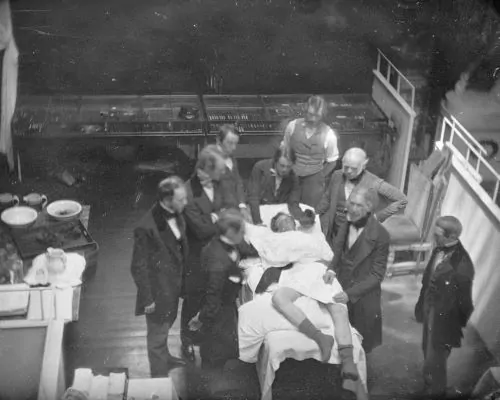
Before entering into a discussion of anesthesia and its relationship to maternal mortality and maternal care, it is necessary to understand the limitations of anesthesia’s effects on maternal death and corresponding mortality data. With regards to women who died giving birth after especially difficult or complicated pregnancies, ill-trained practitioners often struggled to differentiate between deaths due to shock (that is, death due to lack of blood flow) and deaths due to hemorrhage, heart problems, infection, or damage to the nervous system.61 In many cases, hemorrhage, heart problems, and infection can trigger shock. Therefore, it is difficult to assess the extent to which ether and chloroform (drugs that worked to prevent shock), reduced maternal mortality. In some sense, historians must be content to accept the profound impact anesthesia had on the experience of labor and recovery.
Undoubtedly, the replacement of opiates by chloroform improved mothers’ overall health and longevity.62 One must also acknowledge the indirect effects of anesthesia on maternal mortality. While the introduction of anesthesia did not result in widespread increases in caesarean sections (because surgeons in this period had yet to discover ways to prevent most patients from dying due to excessive bleeding of the uterus at the site of the incision), its presence eased and promoted important caesarean section experimentation and research.63 Similarly, the presence of anesthesia allowed for the development of (otherwise agonizingly painful) forceps techniques: In 1848, a doctor wrote to The Lancet and reported on the revolutionary use of chloroform in cases of instrumental labor. He celebrated they way in which chloroform removed “resistance” to the forceps from the muscles surrounding the cervix and uterus and thus made the task of “turning” the baby much easier and safer than before.64 Improved forceps techniques, along with C-sections, would go on to save many lives in later years, and, during this very period, these techniques (though still too rudimentary and dangerous for the normal population) saved the lives of rachitic women of the slums. These women grew up without sufficient exposure to sunlight and thus suffered from rickets due to vitamin D deficiencies. As a result, they had incredibly narrow pelvic openings (from 1.5 to 3 inches as opposed to the standard 4.5), which made delivery of the baby through the vaginal canal physically impossible.65 One need only imagine the torturous methods used to remove babies in such difficult circumstances.66 In Glasgow, the site of Britain’s worst rickets “epidemic,” Murdoch Cameron drew widespread attention in 1888 for performing a C-section on a 4-foot-tall rachitic patient.67 Thus, while the direct effects of anesthesia on maternal mortality rates are obscured by the complexity of childbirth, its long-term benefits on maternal survival are substantial.
In 1846, an American dentist “discovered” the anesthetic powers of ether. By early 1847, news of this success had spread to James Young Simpson, a prominent Scottish obstetrician, who had, coincidentally, been an early advocate for the contagion theory of puerperal fever.68 He began using ether on laboring mothers shortly thereafter. He became transfixed with the powers of anesthesia and held dinner parties at which he and his guests would serve as test subjects for various anesthetic drugs. At one such party, he awoke at the table and saw that everyone else was unconscious. Supposedly, this experience enticed him to switch from the use of ether to the use of chloroform, a substance that could be given more quickly and was more pleasant to inhale than chloroform.69 The benefits of anesthesia for laboring mothers were clear; Simpson quoted the Greek physician Galen and expressed the sentiments of many suffering mothers when he claimed that “pain is useless to the pained.”70 However, opposition to anesthesia came from both religious and medical communities, and their opposition delayed the use of anesthesia on the majority of mothers in the mid and late nineteenth century.
The increasing presence of forceps, caesarean sections, and a variety of drugs in the world of obstetric research and development prompted a number of prominent obstetricians to reject interventionism and encourage more natural childbirth. Therefore, the introduction of anesthesia into the British midwifery and obstetric world met with a ready crowd of naysayers. William Tyler-Smith, an “influential London obstetrician,” wrote that “women will derive truer comfort and a greater measure of safety and freedom from unnecessary suffering from physiology, than from wild therapeutics, which in her hour of trial only offer a choice betwixt poison and pain.” In other words, “the nature and severity of the pain…did not justify incurring risks associated with anesthesia.”71
Anti-interventionists argued four main points, the first being that surgeons and obstetricians relied on the reactions of awake patients to guide their surgeries and procedures.72 In this light, the obliterating pain would put the patient at a greater risk for having deprived their practitioner of necessary responses. (In 1852, a debate over this point reached the pages of The Lancet; in response to those who argued that “the obstetrician required the aid of his patient’s feelings to enable him to apply his forceps correctly and safely,” Simpson sardonically responded “What…would be thought of Mr. Syme, if in trying the femoral artery, he required the patient to inform him whether or not he was including the nerve in the ligature?”73) Secondly, some worried that pain was a necessary part of disease and, thus, required for healing. Simpson retorted that physicians had used opium and alcohol to reduce pain for centuries and that the inhalation of a pain-reducer was really no different than one consumed orally.74 The third and fourth objections were more difficult for Simpson to refute. At the time of Simpson’s advocacy, it had not yet been established whether or not ether or chloroform was safe for mothers. Indeed, the switch from ether to chloroform increased the risk of fatality because it acted more quickly and was, initially, more difficult to dose properly.75 Additionally, many correctly guessed that chloroform diminished essential uterine contractions, which slowed labor and increased the likelihood of postpartum.76 In a 1918 report published on the effects of chloroform use, the investigator expressed concerns that “uterine inertia” caused “marked delay in labor.”77 The year of the report demonstrates the extended period during which the safety of anesthesia remained a contentious topic of debate. Lastly, the effects of chloroform on women’s long-term health and organ function remained unknown during this period.78
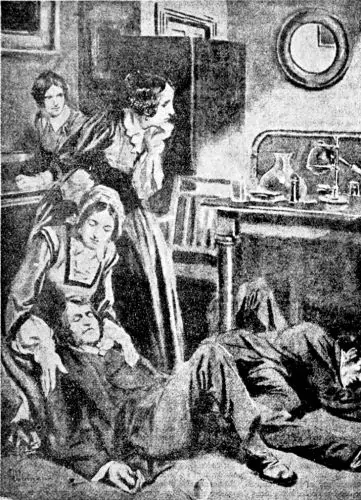
John Snow, a London physician, recognized these risks and criticized Simpson’s heavyhanded dosing. In contrast to Simpson’s practice of pouring liquid chloroform into a handkerchief and holding it over the nose and mouth of his patient until they were Rathkamp 28 unresponsively unconscious, Snow, administered chloroform through a specially developed vaporizer that allowed for precise and measured dosing. Furthermore, he attempted to abolish the only worst of the pain without physically disabling his patients.79 “So lightly were his patients anesthetized that most of them responded to commands and pushed appropriately during delivery of the child, even though they had little or no memory of labor pain.”80 In this way, the diminution of contractions was temporary enough to avoid the risk of postpartum hemorrhage.81 Snow’s method later received the label “Anesthesia a la Reine,” for he successfully used it on Queen Victoria during her final deliveries. In one of his casebooks, he records her delivery and notes that after neatly expelling the placenta, she expressed “herself much gratified with the effect of the chloroform.”82 Snow’s “Anesthesia a la Reine” helped quiet the fears of many anesthesia dissidents, partly because it demonstrated the calculated control and conservatism with which anesthesia could be employed and partly because it was good enough for the Queen; by accepting anesthesia herself, Victoria began a trend of anesthesia among aristocratic women and popularized Snow’s methods over Simpson’s, much to the benefit of the practice and to women’s health. Despite this surge in popularity, anesthesia remained unavailable to most middle and working class mothers.83
Lastly, the late 19th century saw the discovery of the role of the placenta in transferring contents of the mother’s blood to that of the baby’s, otherwise known as fetal transfer.84 After a after birth, physicians became skeptical of chloroform’s impact on babies.85 In 1874, Paul Zweifel of Switzerland published conclusive proof that chloroform affected both babies and mothers, for he smelled the vapors of the drug on the baby’s breath and observed babies of anesthetized mothers acting more sluggishly than their natural-born counterparts.86
In response to all of these objections from medical professionals, Simpson argued that the risks of anesthesia were outweighed by its benefits to postpartum healing. As feeble evidence, he cited the impacts of anesthesia on surgery and amputation. Death resulting from “the amputation of the thigh decreased from 50 to 25 percent when patients were anesthetized.” Simpson wrote that “the saving of human suffering implies the saving of human life. And what holds good in relation to surgery holds good in relation to midwifery.”87 While Simpson failed, in his lifetime, to substantiate this claim with conclusive data, his belief in the moral righteousness of relieving “human suffering” held its ground against a variety of religious dissenters whose objections further stalled the acceptance of anesthesia in the obstetric community.
In an era of varied religious fervor and evangelism, the proposed elimination of pain (in general and for the purpose of childbirth) was met with substantial resistance. Members of an array of religious communities believed that pain served God as a tool for punishment, guidance, purification, and redemption; in their eyes, the pain of illness and childbearing served as an important test of faith and endurance.88 Many cited Genesis 3:16, in which God dictates to womankind, “In sorrow thou shalt bring forth children,” as proof of God’s desire for women to experience pain in childbirth.89 Simpson retorted that pain resulted from anatomical processes and not from divine wrath; that if the authors of the phrase had intended to imply pain, they would not have used the word “sorrow;” that God’s curses had included Adam, but that Christian society did not object to the development of transportation and machinery for their role in easing the burden of man’s physical labor; and that God had spared Adam the pain of having his rib removed by causing Adam to fall into a “deep sleep” during the extraction.90 Samuel Ashwell, writing in the Lancet, countered that “the deep sleep of Adam took place before the introduction of pain into the world during his state of innocence.”91 Understandably, these religious debates were not resolved. As time wore on, however, improved midwifery education gradually caused a greater number of birth attendants to adopt the practice.
Developments in Hemorrhage Care: Improved Postpartum Placenta Management and Ergot
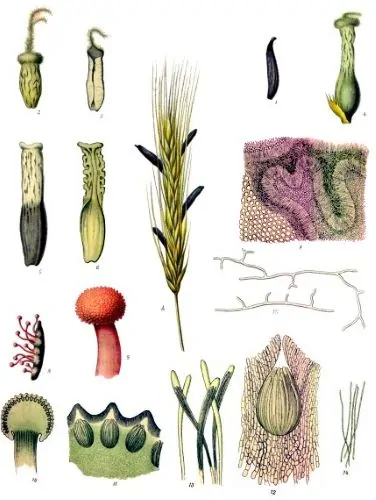
Much like the developments of antisepsis and chloroform administration, the introduction of prophylactic oral ergot and more judicious care in the third stage of labor (the expulsion of the placenta) was not quickly and heartily accepted by the majority of practitioners. But in contrast to the other two cases, improved hemorrhage care was not met by any active resistance. Instead, the primary obstacle to the dissemination of improved hemorrhage care information was the poor system of education for almost all practitioners.
From 1872-1876, William Farr, inspired by the lack of credible information on maternal mortality, collected substantial information on the subject and published the most thorough analysis of maternal mortality that Britain had yet seen. In this report, he concluded that although hemorrhage accounted for 22% of maternal deaths, hemorrhage could be easily prevented in most cases.92 Present-day examinations support his assertions, for the majority of practitioners exhibited extreme ignorance in their management of the third stage of labor.93 In the majority of women, hemorrhage is avoided after the baby and placenta are expelled because the contraction of the uterus’ crisscrossed muscle fibers clamps off exposed blood vessels. In cases of multiparity (mothers having already borne children), muscle fibers weakened by previous deliveries may cause insufficient postpartum contractions that leave blood vessels open.94 With proper techniques and medicines, most cases of postpartum hemorrhage can be avoided. For example, healthy involution—the process of the uterus returning to its pre-pregnancy condition—could be prompted by the administration of prophylactic oral ergot. Proof of this success can be found in the case of a Scottish hospital: when the medicine was finally introduced in 1912, cases of death by hemorrhage reduced from 66 cases a year to 11.95
At the time of Farr’s study, however, the practice of pulling on the umbilical cord to drag out the placenta before it had been appropriately separated from the uterus (among other equally harmful practices) was common among midwives and general practitioners.96 Had a greater number of practitioners been aware of the benefits of ergot and of appropriate techniques for the expulsion of the placenta, many deaths due to hemorrhage could have been avoided. At the time of Farr’s call to action, however, the limited-to-nonexistent education and training for physicians and midwives meant that the task of building an adequately informed field of professionals would be a long and arduous process.
Obstetric and Midwifery Education: Obstacles to the Application of Antisepsis, Anesthesia, and Improved Hemorrhage Care
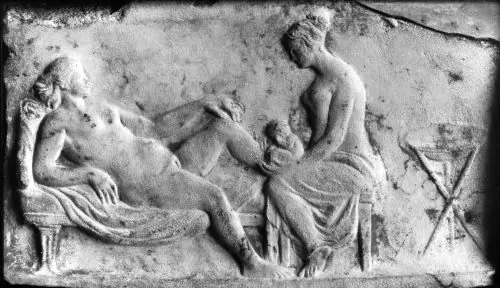
Up through the 1930s, advocates of improved obstetric education for physicians and midwives fought to establish institutions of learning, registration for midwives, and improved medical curricula in an environment that made such developments extremely difficult. In reality, those promoting the widespread availability of antiseptics and anesthesia faced an even more daunting obstacle in the absence of an obstetric educational system than in the resistance that came from medical (and religious) communities. Without a reliable education or registration system for the vast majority of practitioners, the dissemination of important information about improvements in maternal care remained impossible. The London Obstetrical Society served as the only institution in England and Wales that recognized “obstetrics as a branch of medicine,” and because none of the society’s members actually attended deliveries, there existed a wide gap between the Society’s obstetricians and general obstetric practice.97 The medical community “saw obstetrics as a messy and unscientific activity divided between ignorant, illiterate, unskilled, untrained midwives and the lowest level of medical men, the general practitioners.”98 Thus, while required qualifications for physicians came into being through the Medical Registration Acts of 1858 and 1886, midwifery qualifications remained nonexistent.99
Midwives delivered working class women and competed with GPs for deliveries of the middle classes. (GPs, therefore, actively fought against improved training for midwives, which would put midwives in even greater competition for middle-class deliveries.) Many of these midwives worked informally or part-time, occasionally tending to neighbors and relatives.100 Others worked full time. With the exception of a few institutionalized clinics in Scotland, most midwives worked independently. In 1864, Florence Nightingale recognized the faults in the existing system of midwifery and founded the Ladies’ Medical College at the King’s College Hospital for midwifery training. She maintained that midwives should be required to train for two years before entering the professional world, but her ideas were deemed radical and her institution closed in 1872.101 Although Nightingale failed in her immediate attempt, her endeavor sparked a series of similar attempts to establish institutionalized midwifery education, examination, and registration.
In 1881 a group of upper-class women decided to apply their philanthropic resources to the cause of maternal mortality; subsequently, they founded the Matron’s Aid (which would later become the Royal College of Midwives). This group advocated for the formal registration of midwives and even developed their own system of registration. In addition, they petitioned parliament for the regulation of midwifery, and their efforts (along with the efforts of many others) were rewarded in 1902 with the Midwives Act.102 However, their work and the Act were met with considerable opposition from general practitioners and other medical doctors. These doctors correctly predicted that more competent and qualified midwives would begin taking cases that GPs would have otherwise attended.103 Their worries were not unfounded. After the Act was passed, in Oxford City, a man identified as Dr. Rivers reported that instead of attending eighty to ninety deliveries a year as he had before the Act, he was now (in 1910) attending only twenty.104 The statistics of GPs in Derbyshire mirrored those in Oxford City; there, the percentage of registered births attended by doctors dropped from 42.4 percent to 25.1 percent while midwives increased their attended cases from 56.6 percent to 74.9 percent.105
In any case, the proposal of the Midwives Bill prompted an onslaught of resistance. Many fearful doctors published their recommendations in medical journals before the Bill was passed by Parliament, and one such physician, Lovell Drage, wrote a letter to the Editor of The Lancet and, in a demonstration of desperation, cited high rates of infanticide among poor women and argued that the Bill should not be passed because it would “render it more easy for those mothers who desire the death of their children to have the deaths procured with less chance of discovery, subsequent inquiry, and perhaps punishment [sic].”106 He concludes, “it appears to me that the Bill in its present condition is one which contains elements of great danger.” However, despite resistance from Lovell Drage and other general practitioners, Parliament passed the Bill.
The Midwives Act of 1902 marked a key moment in the development of midwifery regulation by creating the Central Midwives Board to supervise the field and delegate administrative tasks to “local supervising authorities.” The Act systemized reliable midwifery registration and banned untrained and unexamined midwives from practicing.107 Younger women of slightly higher socioeconomic backgrounds replaced more elderly, traditional midwives who failed the Act’s required exams, and many traditional midwives resisted, unsuccessfully, the implementation of the Act. As the Act’s mandates (very) slowly became realities, the “outcomes of mothers and infants” improved accordingly. Eventually, consistent pressure for increased practice standardization and improved implementation of obstetric knowledge would culminate in the establishment of the National Health Service midwife regulations in 1948.108
Obstetric and Midwifery Education: Increased Accuracy of Recordkeeping

The incremental steps towards the professionalization of obstetrics and midwifery improved medical practice of maternal care and also resulted in more accurate vital recordkeeping. The trend of improved education helped overcome a long list of recordkeeping obstacles. In 1888, Charles James Cullingworth, a London obstetrician, identified the issue: “A great many deaths from childbirth are not returned as such, but appear under entirely different headings.”109 Cullingworth recognized the lack of ethics and precision as key obstacles to accurate registration. Especially in cases of puerperal fever, practitioners felt reluctant to report the true cause of death, for although the theory of contagion had yet to pervade obstetric (or public) thought, linking one’s name to a death from puerperal fever could injure one’s professional reputation.110 This preoccupation with reputation pervades discussion of puerperal fever in The Lancet: In 1848, C.M. Miller, after recommending a series of cures, advised his colleagues to pay “extra attention” to their patients because “all of us [know] too well what the public opinion is respecting a person lost in childbed.”111 Thus, many practitioners would falsely report deaths as being unrelated to childbirth or, at least, to puerperal fever. And, in addition to the obstacles of multiple causation (e.g. hemorrhage and shock), inconsistent classifications of maternal death pervade the records. For example, throughout the 19th century, puerperal fever was recorded under a wide variety of different titles and was not always linked to childbirth on death certificates.112 Different practitioners believed deaths occurring four weeks after labor could not be related to childbirth while others considered the cutoff point to be six months.113 As time wore on, government officials (like William Farr) and newly-founded obstetric education institutions increased their attention to these classification irregularities and helped implement standardized reporting.
Conclusion
The gradually improved regulation and education of birth attendants caused increases in the accuracy of vital reporting and, thus, in the number of maternal deaths reported overall. At the same time, these institutional improvements caused increases in the implementation of antisepsis, anesthesia, and better postpartum hemorrhage care. Because the improvements in reporting and care occurred at similar rates, the relatively stagnant maternal mortality rates from the 1890s through the 1920s no longer appear quite so puzzling. Despite these assumptions of progress, we must also acknowledge that endogenous theorists and other skeptics actively resisted the dissemination of Pasteur’s antisepsis into standard obstetric practice and thus delayed and diminished potential reductions in maternal mortality rates in the late nineteenth century. Likewise, this era saw wary medical skeptics and Christian theologians muffle the arguments of John Snow, James Young Simpson, and other proponents of anesthesia. As a result of these forces that resisted the acceptance of anesthesia and the study of bacteriology, and as a result of a shortage of platforms for the teaching, these improvements in maternal care were introduced to only a small (but increasing) proportion of the British population in the late nineteenth and early twentieth centuries.
The Impact of Medical Institutions on Maternal Mortality Rates in the Early 20th Century United States
Introduction
Amidst the chaotic and painful aftermath of the Civil War, the stress of economic panics, and the smog of growing cities in the late 1800s, mothers, midwives, and physicians had a reason to celebrate. Between the 1860s and the 1890s, four paradigm-shattering developments had been made in the world of childbirth. Ether and chloroform were discovered to have anesthetic properties that could partially or completely diminish a laboring woman’s pain; streptococcus bacteria were revealed as the cause of the previously mysterious and highly fatal puerperal fever (also known as sepsis); Joseph Lister and Louis Pasteur discovered a set of methods, called antisepsis, that could banish the loathed streptococci from the birth chamber and thus prevent the infection of mothers; and oral ergot displayed incredible promise in the prevention of postpartum hemorrhage. Because sepsis and postpartum hemorrhages caused most childbirth-related deaths, these developments had the potential to save many lives in the late 19th and early 20th centuries. Unfortunately, records from this period show a steady and occasionally increasing rate of maternal mortality; information on these developments did not reach many birth attendants and those who did receive the information naïvely (or carelessly) implemented the developments incorrectly and to ill effect.
Maternal mortality rates (MMRs) were stagnant throughout the 1920s despite these developments and despite the fact that, in the half-century prior to 1929, childbirth had become increasingly medicalized.114 Each year, more and more babies were delivered by members of the burgeoning medical community and women increasingly sought out hospitals as a place of birth.115 If one were to be delivered by a randomly selected midwife, a general practitioner, or a specialist obstetrician during this period, one’s chances of survival were roughly the same.
However, the increasing medicalization of childbirth eventually resulted in the consolidation of systematic obstetric institutions and networks, especially through hospitals and medical schools. This consolidation allowed new and old discoveries in childbirth practice to be implemented with minimal delay by many specialist obstetricians. By the 1930s, obstetric institutions had been adequately strengthened and developed; accordingly, information on lifesaving information and developments in obstetric practice finally came to the fore and effectively diffused throughout the community. This resulted in the long-awaited and swift drop in maternal mortality rates in the 1930s and 1940s. Without the development of these institutions, the potential life-saving capacity of new techniques and medicines, like sulfa drugs and blood transfusions, would have gone unrealized in the same way that the potential of antiseptics and forceps had gone unrealized in the nineteenth and early twentieth centuries.
Debate: The Motivations and Motivators Behind Medicalization
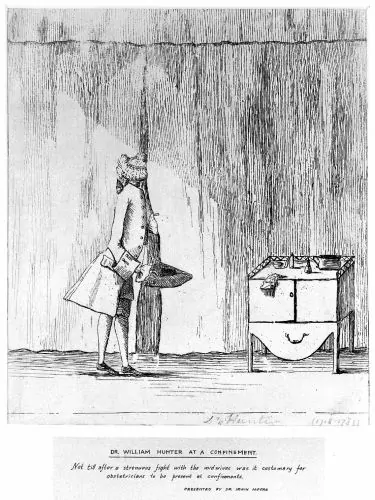
Addressing maternal mortality rates (or MMRs) in the first half of the twentieth century requires the acknowledgment of a variety of ongoing debates within the community of historians studying American childbirth. Almost all of these debates share a fundamental undercurrent; historians have yet to collectively conclude whether the medicalization of childbirth—that is, the transition of childbirth from a home to a hospital setting, the increasing popularity of male obstetricians, and the implementation of various interventionist practices—objectively improved mothers’ safety. Historians also debate the causes and motivations of the medicalization of childbirth in the late nineteenth and early twentieth centuries.
Pamela S. Eakins, Pamela S. Summey, Janet Carlisle Bogdan, Diana Scully, and Margarete Sandelowski assert that male physicians had been unwelcome in the realm of childbirth before they convinced women that birth was unnatural and dangerous. Sandelowski writes that by “emphasizing how capricious and even lethal nature could be if left to ‘her’ own devices in the lying-in chamber as well as the ineffectiveness of the modern woman in coping with natural labor–physicians successfully convinced the American public by the end of the 1930s how superior obstetrics was to midwifery.”116 Summey echoes this stance: “doctors present birth as a situation of uncertainty. Emphasis on the uncertain aspects of childbirth rather than its lawful and routine aspects allows doctors considerable autonomy in their decision making.”117
These statements reflect two key ideas. First, they implicitly and explicitly support an idealized classification of ‘natural’ birth as generally safe and “routine.” Judith Leavitt challenges this classification; centuries of women had given birth ‘naturally,’ but had done so during a long era of high maternal mortality risk. “Natural” childbirth did not necessarily equate to “complication- or risk-free” childbirth. Between 1975 and 1982, members of the Faith Assembly in Indiana refused all medical care and births took place in homes with no formal assistance. Their maternal mortality rates during this period were 92 times higher than the remainder of Indiana. These statistics negate the idea that “childbirth is a normal process which has been unnecessarily ‘medicalized.'” Irvine Loudon cites this data to support her refutation of those claiming “that for modern healthy women, natural childbirth without any medical assistance whatsoever would, with very rare exceptions, be perfectly safe.”118
Second, Sandelowski and Summey’s statements assume that physicians drove the transition to increased medicalization and negate the role that women played in promoting and demanding changes in childbirth practices and culture. In 1877, Josephine Preston Peabody wrote that labor was “the nethermost hell of bodily pain and mental blankness…For I am wiser…for this knowledge of the almost inconceivable agony…I can never forget—or explain— that apocalyptic hugeness of the thing…I have crossed the abyss.”119 Surely, women did not need to be “convinced” by physicians of the difficulty of labor or “presented” with the notion that childbirth itself was a risk; countless generations of women had experienced and witnessed fear, suffering, and death in the many years prior to the arrival of physicians in the birth room. Women prepared their partners and other children for the possibility of their death every time they conceived, and many “spent considerable time worrying” for their families and for themselves.120 Thus, Leavitt illustrates the unpleasantness of pre-medicalized birth. She asserts that the pain, danger, and unpredictability of labor caused mothers, midwives, and physicians alike to loathe their own lack of control.121 In this light, Leavitt contends that women helped precipitate the transition towards increased medicalization. “Women overturned millennia of all-female tradition and invited men into their birthing rooms because they believed that male physicians offered additional security against the potential dangers of childbirth. By their acknowledgment of physician superiority, women changed the fashions of childbearing.”122
The trend towards male birth attendants began in the homes of wealthy and uppermiddle-class urban women. Leavitt asserts that they evangelized the benefit of physicians, especially because physicians, not midwives, had the anesthetic power to reduce or eliminate a woman’s pain during labor after the mid-1800s.123 Additionally, she argues that women were “mystified” by “the possibilities of scientific obstetrics” and, “like the rest of the population, were determined to join the march of medical progress.”124 This argument not only places the responsibility for the transition on the shoulders of women but also on the entire nation’s attraction to medicine in general. GPs offered the services of forceps and a wider variety of drugs, and many mothers and midwives believed that the skills and tools of a GP could benefit them in cases of difficult labors or complications of delivery. Lastly, Leavitt notes that by the 1920s and 30s, societal structures were no longer conducive to “social” births in which women labored in their own homes surrounded by female family members and friends. Women lived farther away those who had previously attended them, and without the support of women to care for them and their families during childbirth, women welcomed the opportunity to give birth in hospital.125 In 1936, Hallie Nelson, a woman pregnant with her fifth child, revealed the acute “physical and psychological isolation” that caused many women to direct their attention towards hospitals: She writes, “We had been at wit’s ends to find a woman to take care of me and the baby and to take care of the children…the Clines’ had left the hills…my sister Beulah was not available…[and] the other neighbors had children of their own to care for.” Leavitt thus counters Eakins’ proposal that physicians used intimidation to cajole women into hospital births and instead suggests that women desired births away from home in response to changes in societal structure.126
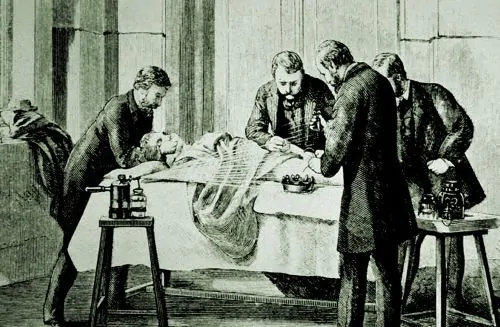
Eakins, Scully, and their associates instead draw attention to the ways in which physicians may have been motivated to promote their own involvement. One of the primary arguments they present is that doctors desired more business (more customers) and thus “encroached” upon the world of childbirth to steal away midwifery patients.127 Eakins and Leavitt differ in their interpretations of the doctor’s true intentions: The Eakins camp argues that doctors employed aggressive tactics like standardized forceps use and heavy anesthesia in order to present a deceptively helpful front even while they were conscious of their actions’ deleterious effect on women. From Eakins’ standpoint, physicians in the late nineteenth and early twentieth centuries knowingly put women at risk for the sake of economic and social gain. These doctors, Summey claims, sinisterly cared more about “their dominance over both other practitioners and birthing women” than about women’s lives.128 According to Summey, they invented the ‘midwife problem’—that is, the idea that midwives put women at risk due to their lack of formal training—for the purpose of “professional dominance over colleagues.”129 On the other hand, Leavitt highlights the more altruistic attitude of physicians. She argues that many doctors fundamentally believed that their interventions made childbirth safer and more pleasant for women (and babies). Forceps application had saved lives and most women enthusiastically welcomed the administration of ether and chloroform. In the end, it seems likely that physicians’ advocacy of their involvement stemmed from both selfish and selfless motives and that physicians’ desire for medicalized childbirth was matched, at least in part, by mothers.130
These debates inspire a host of questions, and the perspectives of both sides of the historical argument should be considered in an attempt to determine the impacts of late 19th- and early 20th-century medicalization. Both Leavitt and Eakins agree that the interventionist approaches of pre-1920s physicians did little, if anything, to curb high rates of maternal mortality. Both birth attendants and mothers falsely equated medicine with safety: In 1900, 50 percent of births in the United States took place in the hands of midwives, and in 1935, that number had shrunk to 12.5 percent.131 Meanwhile, in 1900, about 43 out of every 10,000 births resulted in maternal death, while in 1925, that figure had grown to a whopping 58.132
However, the perspective of the Eakins camp negates the idea that later physicians, (i.e., those in the mid 20th century) did have the potential to reduce MMRs. In other words, she paints physicians from the 1850s and the 1950s with the same condemning brush; she describes J.
Marion Sims, a specialist known for popularizing intervention and for surgically experimenting on seven captive and anesthetized slave women, as “a prototype of the modern women’s doctor.”133 Eakins and others fail to acknowledge that physician knowledge and capability expanded in the twentieth century and increased women’s chances of surviving childbirth. While the percentage of hospital births continued to swell between 1930 and 1950, the MMR dropped from 58 per 10,000 births to 8.134 The abruptness of the change in MMRs that began in 1929 is largely unaccounted for by both Eakins and Leavitt. On one hand, Eakins ignores (or simply refuses to accept) the decrease. Nancy Schrom Dye, of the Eakins perspective, writes “maternal mortality rates did not decline significantly until the late 1930s. Its decline had nothing to do with hospitalization or surgical intervention.”135 On the other hand, Leavitt, Loudon, and other scholars do acknowledge the decreasing rates, but do not draw attention to or identify a specific reason for the suddenness with which they fell.
Both Eakins and Leavitt ignore the fact that even though obstetricians prior to 1920 may have had little effect on MMRs, their presence in the birthing rooms across America in the 1920s set the stage for the implementation of truly life-saving developments in obstetric medicine. We should explore the possibility that the development of the systematic structure of the obstetric community, which allowed for the efficient dissemination of new information (especially when compared to the midwifery community), worked in conjunction with the influence physicians had already gained in the realm of childbirth prior to the 1920s. It seems possible that the combination of these unique circumstances helped to bring about the effective implementation of medical developments in the 1930s and 40s and, thus, served to reduce MMRs to record lows during that period. Luckily, possible answers to these questions can be found in governmental records of MMRs and hospitals, journal articles written by early 20th-century physicians, and a wide array of other secondary analyses of childbirth during this period.
The Negative Repercussions of Medicalization in the 19th and Early 20th Centuries
![Clockwise from top: Woman’s stool (birthing chair); fetus in uterus, head down, marked “This is the naturall [sic] and best way of birth”](https://brewminate.com/wp-content/uploads/2024/04/042824-11-Children-Women.jpg "Childbirth in the Ancient Near East: Egypt and the Hebrew Bible 14")
Maternal mortality rates did not begin to steadily drop until 1929, so trends towards medicalization that occurred in the early twentieth century were driven by women and doctors’ blind faith in the medical system.136 They asserted, without substantiation, that the walls of a hospital and the hands of a specialist were surrounded by an aura of safety. In fact, the opposite was true. Increases in medicalization became synonymous with increases in intervention, and unnecessary or poorly executed procedures and operations endangered the lives of many mothers.
In 1933, the White House committee on maternal mortality cemented this stance and wrote that “all advances in medical knowledge have been lost to the parturient woman through too great a recourse to instrumental delivery.”137 General practitioners and emerging specialist obstetricians did not often communicate with one another; the size of the country, Irvine Loudon explains, meant that general practitioners were “cut off from hospitals, colleagues, and all knowledge of medical advances unless they were assiduous readers of medical journals.” The fact that “a much larger proportion of the American population than the European lived in remote rural areas” meant that the obstetric field could not rely on the physical proximity of practitioners for the spread of information.138 Because of physicians’ tendency to intervene and operate during childbirth, Loudon asserts that the “[careful and consistent management of pregnancy and labor by a trained birth-attendant] was a rarer commodity in the USA than it was in Britain.”139 This problem was exacerbated by physicians’ ignorance or carelessness in applying antisepsis.140 When physicians performed normal deliveries, let alone an operative procedures, without taking the steps to prevent infection, they put mothers at a great risk for puerperal fever. The ramifications of ignorant physicians were manifold.
For one, the implementation of forceps had the potential to save lives (for example, the life of this author and her mother), but the frequent and cavalier nature of their use in the late 1800s and early 1900s most likely resulted in more lives lost than lives saved.141 The application of forceps introduced the risk of rupturing uterine tissue (and thus introducing a new possible site of infection).142 Additionally, the ungloved or unwashed hands of birth attendants and poorly sanitized forceps delivered bacteria directly to the uterus—an vulnerable area that was already susceptible to infection.143 Even more dangerous than the overuse of forceps were regular episiotomies—wide, lateral incisions made in the perineum to preemptively prevent the tissue from tearing. In 1921, DeLee recommended the universal employment of this procedure (along with regular forceps application).144 In addition to increasing the risk of infection, episiotomies increased the risk of hemorrhage.145 In hospitals, some physicians and specialists also felt confident performing cesarean sections, and these operations became standardized throughout the United States. In 1922, one obstetrician lamented that “any man who has hospital privileges, regardless of his surgical training, [can] do any operation short of cesarean section.”146 In Britain, if a birth took place in a hospital in the early 1900s, it was almost always attended by an obstetric specialist. In the US, however, the line between GPs who worked in hospitals and obstetrics specialists was fuzzy.147 In any case, no matter who performed a cesarean section during this time, the risks of the operation were greatly amplified due to the location of the incision near the upper abdomen.148
The last and most universal of the common interventions in the early twentieth century was the administration of high doses of anesthesia. While less acute than the dangers of the aforementioned interventions, physicians administered anesthesia to a larger percentage of laboring women.149 The methods used for chloroform and ether dosing were inexact, and overdoses could be fatal. Pulses slowed to precarious lows and contractions became less powerful, resulting in longer labors with slower or even halted progress. Without a conscious or fully responsive mother, birth attendants could not accurately assess the mother’s condition or the progress of labor, and they could not make completely well-informed decisions.150 Perhaps even more harmful than the direct effects of anesthesia were the practical changes in medicine that anesthesia prompted. Without patients’ responses to contend with, doctors felt fewer reservations about performing invasive procedures and, thus, put more mothers in peril.
The success of many of these procedures depended not only on the conservatism with which they were employed but also on the pervasive knowledge of the importance of antisepsis and of the correct methods of its application. Therefore, physicians’ lack of understanding of anti- and asepsis prior to the 1930s exacerbated the deleterious effects of frequent, excessive interventions.151 However, despite a lack of evidence that these procedures improved mothers’ chances of survival prior to 1929, doctors performed, popularized, and preached them for two key reasons. First, male physicians increasingly viewed birth as a pathology or disease.152 In the late 1800s, midwives and mothers often sought the help of doctors in the late stages of labor when complications arose. From the outset of male involvement in birth, physicians’ exposure to childbirth was limited to the direst and most complicated of circumstances. Perhaps, for this reason, doctors extrapolated the experiences of the tortured women they helped in difficult labors to all childbearing women. In any case, going into the twentieth century, doctors distanced themselves from the centuries-old tradition that held that childbirth was a natural process that usually occurred smoothly. Instead, they popularized the belief that a “natural” childbirth was almost always marred by some type of emergency in need of a doctor’s attention.153
Eventually, these attitudes resulted in the common practice of treating the complications of labor before they actually presented themselves. The writings of Joseph DeLee, from 1915 and 1921, reflect this pattern. In both his textbook, The Principles and Practice of Obstetrics and an article published in the American Journal of Obstetrics and Gynecology, DeLee advocates for the regular implementation of “the prophylactic forceps operation” in which “the routine delivery of the child” is performed by inducing labor through the administration of ergot, the administration of morphine and scopolamine after the cervix had dilated two to three Rathkamp 51 centimeters, the administration of ether during the second stage of labor, the performance of a wide lateral episiotomy, delivery by forceps, and the “early expression” of the placenta.154 His attitudes towards childbirth as a pathology are clearly reflected in his claim that the “treatment” of labor must be done by “relieving pain, supplementing and anticipating the efforts of Nature…and preventing…damage.”155
Aside from physicians’ beliefs in the pathology of childbirth, doctors popularized widespread intervention because the performance of invasive procedures affirmed and strengthened men’s role in childbirth and the profession of obstetrics. While their claims to providing better care to mothers were unfounded, the measures they took to increase their influence over American childbirth helped to lay the foundation of what would later become more efficient, beneficial obstetric institutions. In a way, physicians laid their professional ‘foundation’ by performing unnecessary, dangerous, and invasive obstetric procedures. Physicians usually had no more (and sometimes less) knowledge about childbirth than their female predecessors. However, general practitioners’ access to anesthesia and forceps in the late 1800s and early 1900s differentiated them from midwives. Thus, physicians seeking to establish a place in the birthing room felt pressure to distinguish themselves from midwives through the application of their tools. If they delivered mothers without interfering, why would mothers choose doctors over midwives? General practitioners and obstetricians charged exorbitant fees in comparison with midwives and many felt that they needed to “do” something to justify this price difference. Obstetricians not only expressed apprehension about the reasons for their employment by mothers but also about their standing within the larger medical community.
Compared with other fields such as surgery or internal medicine, the field of obstetrics throughout the 18th and early 19th centuries had a poor reputation and little clout.156 Societal taboos surrounding childbirth and women’s reproductive organs delayed the specialization and expansion of the obstetric field. In the 1920s, while surgeons were debating the minutiae of operative practice, obstetricians and educators were separated by “unbridgeable” ideological gaps. Disagreements about fundamental elements of obstetric practice, like the disagreement between DeLee and Williams, made the embarrassingly tumultuous nature of the field highly visible to other medical specialists. Loudon explains that because of these differences, “obstetrics was often derided by other specialists as an emotional and un-scientific subject.”157 Some specialist obstetricians, like DeLee, were self-conscious about the legitimacy of their profession and performed surgeries and employed more invasive techniques in hopes of earning the respect of specialists in other fields. Irvine Loudon asserts that “one of the least attractive aspects of American obstetrics was the way that…the perceived need to validate obstetrics as a surgical specialty [was] used so blatantly as an indication for obstetric interference when the risks involved were, or should have been, well known.”158 In a way, their efforts would eventually succeed, and the attention that the obstetric field received from the rest of the medical community would play a crucial role in standardizing safer obstetric practices. Prior to the 1930s, however, women were paying the price for obstetricians’ injured egos. Unfortunately, disagreements among leaders of the obstetric world not only prompted increases in interventions, but also resulted in variable obstetric curricula at medical schools throughout the country.
Many obstetric and medical professionals acknowledged the poor quality of education and training given to specialist obstetricians throughout the early twentieth century. Leavitt writes that while “leaders of academic obstetrics…were not the perpetrators of forceps excessiveness,” students were not trained to use them with caution. While “physicians’ obstetrics courses taught them the theoretical basis of their craft, and their apprenticeships gave them tools with which to effect a successful birth [sic]…nowhere did they receive clear guidelines for the practical application of their knowledge.” Leaders in the obstetric field knew that many sepsisrelated deaths of the era should have (and could have) been prevented by properly training medical and obstetric students.
The famed Flexner report provides ample firsthand evidence of the ineptitude of medical schools in training obstetricians. In 1910, Abraham Flexner published a report that concluded that, in terms of quality, American medical schools were deplorable. To the embarrassment of the obstetric field, he wrote: “the very worst showing is made in the matter of obstetrics.”159 He lamented that medical schools provided poor instruction on the handling of normal labor and that schools emphasized operative obstetrics and disregarded the importance of conservatism.160 In 1911, J. Whitridge Williams’ seconded Flexner’s arguments and wrote “a railing indictment of the average practitioner and of [the] methods of instruction” at Johns Hopkins’ obstetric education program.161 While Flexner did not include Johns Hopkins on his long list of unsalvageable schools for which he recommended closure, he did indicate that a majority of all the medical schools in the United States were “defective” due to “low admission standards, poor laboratory facilities, and minimal exposure to clinical material.” Flexner concluded that “medical education at the turn of the century was a for-profit enterprise that was producing a surplus of poorly trained physicians.”162
Two dangerous ramifications sprouted from the underdeveloped obstetric profession and poor obstetric education in the first two to three decades of the twentieth century. First, as discussed previously, doctors inadequately or improperly implemented antisepsis and performed excessive cesarean sections, versions, forceps applications, and episiotomies. Secondly, information on new developments and technical improvements in obstetrics that were being made and implemented in Europe was not being disseminated throughout the United States during this period.163 This second point is crucial to historians’ understanding of sustained MMRs at this time; medicine was not failing obstetricians—obstetric institutions were failing mothers. In other words, had the obstetric community obtained the capacity and the insight to standardize the implementation of well-researched birth practices that had successfully lowered MMRs elsewhere, MMRs in the United States would likely have fallen earlier and more steadily.164 The story of the short-lived and uncelebrated success of the Kentucky Frontier Nursing Service (KFNS) demonstrates the way in which developments in maternal care were detrimentally ignored by obstetric institutions. In a way, the success of the practitioners in the KFNS serves as a quintessential foil for the incompetence of pre-1930s obstetricians.
In 1918, Mary Breckinridge, a Kentuckian and a former employee of the Children’s Bureau, worked in post-World War I French hospitals alongside French and British nurses. Of her co-workers from Britain, who had been trained as both nurses and midwives, she remarked “it grew upon me that nurse-midwifery was the logical response to the needs of the young child in rural America.”165 Inspired by the capability of her peers, Breckinridge sought obstetric training in England. After her certification and a period of study of rural nurse-midwifery in Scotland, she returned to the Kentucky to establish the Frontier Nursing Service. All thirty KFNS nurse-midwives held the certificate of the English Midwives’ Board, and they collectively “covered…a total of 700 square miles of territory, travelling on horseback with two pairs of saddle-bags…and also a lantern,” because, wrote one midwife, “very few of our homes have a light other than the open fire.”166
Breckenridge’s nurse-midwives had an astonishing impact on MMRs in the area, thanks to their own skill and conservatism. Between 1925 and 1937, the MMR for the KFNS hovered around 6.6 deaths per 10,000 births. During the same time period, the MMR of “white women delivered in hospitals by physicians” in Lexington, Kentucky ranged from 80-90 deaths per 10,000 births.167 The fact that the KFNS greatly reduced MMRs in a poor population indicated to observers that high rates of maternal death in were not primarily a result of malnutrition or generally poor health, but instead of physicians’ lack of skill and prudence. Additionally, one of the most pertinent aspects of the service was the nurse-midwives’ aversion to intervention. Loudon writes, “in the period 1925-37, the period of the first 3,000 deliveries, physicians were called in to perform Cesarean section on six occasions, and forceps were used fourteen times—a forceps rate of less than 1 per cent.” Compared to intervention rates at hospitals during this period, this rate was staggeringly low.168 By drastically reduced regional MMRs without relying on high-tech medical facilities or extensive intervention, the KFNS indicated that hospitalization and operative obstetrics were not the most efficient strategies for increasing mothers’ safety.
However, “very few appreciated the momentous implications” of the accomplishments of the KFNS. Aside from one statistician’s brief remarks on the potential implications of the KFNS, only one article, written by George Kosmak, appeared in the Journal of the American Medical Association which detailed the benefits of the KFNS model.169 By ignoring the effectiveness of the strategies employed by the KFNS, the obstetric community in the United States demonstrated that any national changes in MMRs would not be made by grassroots midwives but would instead be dictated by the medicalized obstetric world. On one hand, obstetric specialists and educators were so convinced of the necessities of hospitalization and intervention, that, despite statistics that contradicted their beliefs, they dismissed and ignored the achievements of the KNFS offhand (based on old standing biases against midwives) and plowed ahead with their attempts to reduce MMRs through surgery and industry.170 On the other hand, one must acknowledge that underdeveloped medical and obstetric institutions were incapable of widely distributing information about the Service to medical professionals for the same reason that they were incapable of distributing information on proper aseptic techniques. In 1926, a sustained lack of communication between practitioners had dangerous repercussions: The impact of operative conservatism implemented by the KFNS was ignored and the safer methods of the nurse-midwives’ deliveries were not emulated by physicians; professors of obstetrics still taught vastly different techniques; and physicians served mothers with varying standards of care. Fragmented US obstetric institutions had yet to achieve the ability to uniformly or effectively enforce higher standards of care—including those that had been perfected by the KFNS.
Physicians had defeated midwives and specialists were in the process of routing out general practitioners. However, the threat of death in childbirth persisted because interventions were carried out excessively and with little attention to antisepsis and to other life-saving developments that had been made in other countries (and rural Kentucky). Thus, despite and because of transitions towards medicalization that took place before the 1930s, maternal mortality rates remained high and, in some areas, even increased.171
The Positive Repercussions of the Trend Toward Medicalization in the 1930s and 1940s
By the mid-1920s, these sustained rates of maternal mortality captured the attention of obstetric leaders and government officials; with recent data collection improvements underway and with midwives almost entirely removed from the realm of childbirth, these rates could no longer be dismissed as a statistical fluke nor as a result of the incompetence of women. The result? A series of three prominent, critical governmental reports and the subsequent consolidation of obstetric institutions.
Educated middle-class women in the late nineteenth and very early twentieth centuries had begun a trend of philanthropy centered around women and children. They advocated successfully for greater attention and improved care for mothers and children: not only helping found the famous Hull House in Chicago but also persuading Theodore Roosevelt to hold a conference on the plights of women and children, which led to the establishment of the Children’s Bureau in 1912.172 The Children’s Bureau helped establish birth registration areas in 1915 (which improved data collection on maternal mortality) and, more importantly, crafted the Maternal and Infancy Act (also known as the Shepperd-Towner Act) in 1922, which “allowed federal funds to be provided for advice to expectant mothers, but not for clinical care”.”173 Thus, when the federal government became aware of unrelentingly high MMRs, they turned to the Children’s Bureau with instructions to study the phenomenon of maternal mortality.
In turn, the Children’s Bureau commissioned two especially prominent reports. The first was written by Grace Meigs in 1917. Her assessment of MMRs popularized the issues of maternal death in the US, the failings of the US obstetric systems compared to other countries, and the theory that physicians had hurt, rather than helped, the cause of mothers’ safety. Her tone reflects some of the bafflement and frustration held by many in the face of high MMRs:
In 1913 in this country at least 15,000 women, it is estimated, died from conditions caused by childbirth; about 7,000 of these died from childbed fever, a disease proved to be almost entirely preventable, and the remaining 8,000 from diseases now known to be to a great extent preventable or curable. Physicians and statisticians agree that these figures are a great underestimate…Only 2 of a group of 15 important foreign countries show higher rates from this cause…The rates of 3 countries, Sweden, Norway, and Italy, which are notably low, show that low rates for these diseases are attainable.174
She briefly notes that, unlike the United States, many countries, including England, Wales, and Ireland, saw decreases in MMRs between 1900 and 1913. Additionally, she draws attention to the fact that mortality rates from other infectious diseases in the US had been greatly reduced in recent years; by doing so, she isolates the role of the obstetric field from other medical specialties in perpetuating maternal mortality. She concludes that “the low standards” reflected by MMRs “result chiefly from…general ignorance of the dangers connected with childbirth and of the need for proper hygiene and skilled care in order to prevent [maternal death].”175 In this statement, she breaks with the tradition of blaming mothers and midwives for maternal death and instead places the burden on the shoulders of physicians and obstetric specialists. She calls for the development of better practices and institutions within the obstetric community and attempts to mobilize women to bring about change: “if women demand better care,” she writes, “physicians will provide it, [and] medical colleges will furnish better training in obstetrics.”176 With the help of the reports that followed hers, which reiterated and expanded on her assertions, her prediction would prove correct.
In 1926, Robert Morse Woodbury published, per the request of the Children’s Bureau, a report entitled Maternal Mortality: The Risk of Death in Childbirth and from all Diseases Caused by Pregnancy and Confinement. In it, Woodbury further developed the theories of Meigs and “extended [her] analysis with much greater statistical sophistication.”177 In a review of the report by the Department of Maternal Welfare, Fred Adair noted that, through the report, both Woodbury and the Children’s Bureau indicated “the necessary emphasis during the coming decade in the effort the reduce deaths among both babies and mothers.”178 Through these reports, the Children’s Bureau flexed its political muscle and demonstrated the longevity of its commitment to improving obstetric care for women. Their efforts were rewarded by the increased attention given to the issue by the rest of the federal government and obstetricians.
President Herbert Hoover undoubtedly felt the pressures of the Children’s Bureau and the Meigs and Woodbury reports and convened a “conference on child health and protection.” He commissioned the third and most momentous report, Fetal, Newborn, and Maternal Morbidity and Mortality.179 The historical importance of the 1933 report was two sided. First, the report officially laid out instructions on how to improve obstetric care. Unlike the Meigs and Woodbury reports, the White House committee outlined a series of suggested changes in obstetric practice. The authors of the report recommend that “a warning should be disseminated that compliance with the insistent demand made by women for shorter and more comfortable labors inevitably implies risks both for mother and baby,” and that ‘interference with pregnancy or labor should be limited to well defined indications.”180 For reasons discussed previously, the reduction in incidents of excessive interference (which physicians often undertook in an effort to shorten labor or make it “more comfortable”) had the potential to greatly reduce deaths due to puerperal fever and hemorrhaging and to improve mothers’ chances of recovering from childbirth without other complications.181
The report also provides evidence that institutions themselves were changing and, as a result, that childbirth practices were changing as well. All committee members (authors of the report) were professors or associate professors at medical schools throughout the country. They served as ambassadors of the University of Chicago, Northwestern University (both in Illinois), Washington University (in Missouri), Western Reserve University (in Ohio), the University of Minnesota, Marquette University (in Wisconsin), the University of Wisconsin, Columbia University (in New York), the University of California, Emory University (in Georgia), the State University of Iowa, the University of Tennessee, the University of Maryland, Johns Hopkins University (also in Maryland), and Tulane University (in Louisiana).182 Never had members of the obstetric community from such a diverse array of geographical regions come together to communicate and discuss obstetric practice. Impressively, Fred Adair, the committee chair, succeeded in coalescing the group, and the group itself succeeded in creating a work which standardized more conservative childbirth practices. These accomplishments reflect the growth and increased interconnectedness that had developed within the obstetric community in the late 1920s. Unlike the unheeded and scattered warnings that had been given by J. Whitridge Williams in the 1910s, the conference produced a veritable army of anti-interference evangelists. Indeed, committee members brought the report and its accompanying suggestions back to medical schools from coast to coast in a coordinated effort to improve medical school curriculum and the practices of obstetricians.
Implications of Medicalization—Institutions Beget Better Institutions
By the 1930s, the medicalization of childbirth that had developed earlier in the century finally resulted in consolidated obstetric institutions that facilitated the diffusion of information and discussion between obstetric educators and practitioners. As discussed by Children’s Bureau and the White house committee, one of the critical obstacles in improving standards of obstetric care was the deplorable quality of medical schools. Not only did facilities lack adequate labs and materials, but obstetric curricula usually relied on theoretical knowledge; obstetrician after obstetrician entered the field without significant practical experience. This was compounded by the fact that there was no consensus or standardization within the fragmented obstetric community about proper delivery methods and techniques. Luckily, the 1910s, 20s and 30s a couple of institutional developments fomented the improvement of obstetric education.
In a broad sense, obstetric programs improved because the quality of all medical schools increased during this period. General improvements were due, in part, to the condemnations of the Flexner report—he had, after all, labeled a majority of American medical schools, “unsalvageable.”183 Additionally, however, “state licensing boards and other authorities gradually altered the economics of medical education for students and schools alike.” States, per the recommendations of leading physicians, increasingly required greater amounts of premedical school education and longer periods of training, which, in turn, increased the opportunity cost of attendance and reduced the number of young men entering medical schools.184 Flexner’s report had alerted many state boards to the issue of decrepit or non-existent “laboratories, libraries, and clinical facilities.” Staggering and ill-equipped medical schools that could not overcome the loss of income due to lower enrollment, therefore, could not afford to meet requirements for improved facilities; they subsequently closed.185 In this ‘survival of the fittest’ scenario, the strongest, highest-quality schools flourished, and many began to receive funding from foundations like the Rockefeller General Education Board.186 More selective medical schools required longer periods of practical training which “helped to instill common values and beliefs among doctors.” “Increased…homogeneity and cohesiveness” of the medical profession in general “discouraged sectarian divisions” that had been so prevalent in the obstetric world.187
While these developments played a crucial role in improving medical education in general, the quality of slightly amended obstetric programs at medical schools still lagged behind the programs of other specialties. The Meigs and White House reports helped draw attention to unflagging MMRs and inspired Philip F. Williams, G.W. Kosmak, and many others to propose “that the reduction of maternal mortality required the investigation of each maternal death, assessment of responsibility of the parties involved, and a judgement of preventability.” Maternal mortality committees throughout the country took these tasks in hand.188 In a way, the committees’ criticism alone was enough to generate some change in medical school curricula and hospital practices. At the Philadelphia General Hospital, each maternal death was thoroughly investigated by the Philadelphia County Medical Society Maternal Welfare Committee. Significantly, the committee assigned responsibility for the deaths to individuals, thereby bringing a level of accountability to obstetricians that had previously been entirely absent. Philip F. Williams presided over these investigations and organized “open meetings” at the hospital during which cases were reviewed and physicians “had to reply to the questions and criticisms that were raised” by an audience of visiting physicians, residents, and interns. “‘no errors…were overlooked. Disregard of standing orders were queried, accuracy of judgement was questioned, errors in technique were discussed.”189 Williams’ belief that the examination of maternal death could reduce its likelihood proved to be correct. In response to the committee’s investigations, Philadelphia hospitals “modified the regulations of their maternity divisions” to “prevent unnecessary obstetric operations [and the] injudicious use of drugs.” The investigation of the committee also prompted hospitals to restrict obstetric caregiving to specialist obstetricians and prevent general practitioners from attending deliveries.190
Thankfully, the actions and achievements of the Philadelphia Maternal Welfare Committee were mimicked throughout the country by other medical societies. These committees directly contributed “material…for use in teaching medical students and hospital staff,” that emphasized prenatal care and operative conservatism. Harold Speert attributes the sustained reduction in maternal mortality rates throughout the country to the vigilance and pressure provided by these types of committees.191 In the 1930s, maternal mortality committees could be found in ten states and the District of Colombia. As the impact of these committees on maternal mortality drew attention from obstetricians and health workers around the country, other states joined in the parade. By 1950, nearly half of states had established active committees to scrutinize and critique obstetric education, practices, and maternal death.192
In addition to providing feedback and educational material to medical schools and hospitals, the committees’ recommendations and scrutiny awoke a sense of self-consciousness and embarrassment among obstetricians, which spurred an array of institutional improvements in obstetric programs.193 William Rothstein, a scholar on the history of American medical schools, noted that the obstetric programs at medical schools increasingly involved hospital residencies that gave students more practical experience, and the American Medical Association established “educational standards for internship programs.”194 Medical schools developed obstetric departments (that had previously lagged behind surgical or pediatric departments) by increasingly appointing full-time faculty members, establishing more outpatient obstetric services, and forging associations between obstetrics courses and hospitals.195 Flexner’s dream of a nation filled with “full time system” medical schools gradually became a reality.196 In arrangements that brought practicing obstetricians up to speed on developments in the field (such as trends away from intervention) and that allowed students to receive practical supervision, “some medical schools paid hospitals for teaching, while other hospitals reimbursed medical schools for the patient care provided by…faculty members.”197 In keeping with the demands of medical students and the encouragements of the medical profession in general, the University of Pennsylvania School of Medicine established “a bedside teaching program specifically conducted by appointed clinical faculty.” This type of system gradually came to be considered as a “necessary ingredient” of medical education.198
The rise in quality standards of medical schools was mirrored by the general expansion and strengthening of the hospital system. In 1922, J.B. Cutter noted that “universal interest [was] rapidly growing in all parts of the United States, in the upbuildng and expansion of the modern hospital [sic].”199 The transition towards standardized hospital births was accelerated by WWII’s Emergency Maternity and Infant Care Program and the 1945 Children’s Bureau recommendation that the “national goal should be ‘the delivery of all women in good hospitals under the care of competent physicians.'”200 Women increasingly chose hospital births, and their demand was met with an expanding supply of hospitals that were better equipped, more efficient, and more interconnected than ever before.201 “The number of hospitals in the United States increased from 178 in 1873 to 4,300 in 1909. In 1946, at the close of WWII, there were 6,000 American hospitals.”202 In the 1930s, a vast majority of births occurred in hospitals and in the hands of obstetricians.203 The prevalence of hospitals meant that new obstetricians could learn through observation and under close supervision, instead of through blind trial and error; improved and more numerous hospitals expedited the proliferation of better-trained caregivers. Hospitals had also developed defined hierarchies featuring boards of trustees of directors and professional medical staff, and these hierarchies helped facilitate communication between doctors (within hospitals and between hospitals) which aided in the standardization of obstetric practice.204
The developments and expansions in medical schools’ obstetric programs and in hospitals in the late 1920s and 1930s created a new generation of specialist obstetricians with life-saving childbirth practices. These institutions brought existing and new practitioners alike into their network of information-sharing. Thus, educators and specialists in the field of obstetrics throughout the 1930s and 40s finally began to correctly and efficiently apply the technical and procedural developments that had been made in the late nineteenth century. While there is some debate about whether incidences of operative intervention were lowered, antiseptic procedures became standardized.
The increasing unification of obstetric education and hospitals allowed for the widespread and expedient implementation of three key life-saving medical developments that had been made throughout the 1930s and 40s. Joseph DeLee and Alfred Beck determined that cesarean section incisions made at a lower part of the uterus (farther away from the fundus) would put the mother at less risk of hemorrhage. They advocated for this shift in technique and for the “dissection of the peritoneum from the upper flap of the lower uterine segment as well as the bladder from the lower flap, to permit and overlapping peritoneal closure.”205 These strategies lowered the incidence of puerperal sepsis. They also helped ensure that the uterus would not rupture during the pregnancies the mothers might experience later. Additionally, the proliferation of hospital blood banks that occurred between 1936 and 1945, along with techniques for blood typing and transfusion, greatly aided in the reduction of deaths due to postpartum hemorrhage.206 Without the development and expansion of the influence of hospitals (and the trend away from home births and towards hospitals) earlier in the century these developments could not have been made. Lastly, and most importantly, the discovery and growing availability of sulfonamides and antibiotics saved the lives of many women at risk of infection and puerperal fever.207 C.C. Dauer, a historian of medicines, asserts that “if the death rates of all streptococcal infections (streptococcal sore throat, scarlet fever, septicemia, and puerperal sepsis had declined after 1937 only at the same rate as in the preceding fifteen years, approximately…76,000 more mothers would have died as a result of puerperal sepsis.” Antibiotics allowed specialists to perform cesarean sections and forceps deliveries with more confidence in their ability to combat sepsis.208
In many ways, the potential benefits of the discovery of antisepsis to lower MMRs mirrored the potential of the discovery of sulfa drugs and penicillin. However, the disarray within the realm of American childbirth in the late 1800s meant that the benefits of antisepsis went unrealized for nearly half a century. Had the developments within the field of obstetrics that occurred in the early 1900s not been made (i.e. the transfer of power from midwives to specialists, the movement of births from home to hospital, the expansion and improvement of hospitals and medical schools) the discoveries of sulfa drugs and penicillin would have most likely done little to lower MMRs. The successful role they played in lowering MMRs in the 1930s and 40s relied on improved communication and information networks that had been developed as a result of medicalization of childbirth.209
Conclusion
Developments in medical schools and hospitals triggered the creation of increasing regulations and regulating institutions within the obstetric community in what would become a cycle of scrutiny, criticism, and improvement in practices. State agencies and leading obstetricians worked symbiotically to build on the progress that had already been made by medical schools and hospitals. In an effort to follow the guidelines laid out by committees, states held medical schools and hospitals to higher standards while obstetricians increasingly pushed states to require licensing and certification for obstetric practitioners and obstetric programs in medical schools. In 1926, the diversity in state licensing requirements received Woodbury’s condemnation, and in the following decade, nationwide organizations arose to implement more universal standards.210 State licensing boards began to require college work of medical school attendees and some boards joined together to create the Federation of State Medical Boards. Eventually, the American Medical Association became an authoritative agency in the accreditation of medical schools.211 The AMA also provided a systematic structure for state maternal mortality committees in the 1955, going so far as to publish a guide on the intricacies of conducting maternal death studies.212 This last development demonstrates the way in which obstetric institutions had become tri-layered: Not only did medical schools and hospitals provide obstetric services, but maternal mortality committees oversaw the practices of schools and hospitals, and, in turn, the AMA oversaw the investigations of the committees.
The icing on the regulatory cake was applied in 1930: The American Board of Obstetrics and Gynecology was established “to provide hospitals with criteria by which to judge the capabilities of staff members and of general practitioners.”213 The scope of general medical knowledge had expanded, and physicians increasingly sought specialization in a particular field.214 The Board “excluded doctors who did not limit their practice 100 percent to women.” By completely excluding general practitioners and other specialists who had poor obstetric training and attempted to dabble in deliveries, these obstetricians sought to permanently elevate and universalize the standards of care provided by physicians.215 In The Social Transformation of American Medicine, Paul Starr asserts that this transition marked an important trend in all fields of medicine towards a greater “division of labor” in which specialties gained prominence over those who attempted to multitask.216
In this way, the early efforts to consolidate and universalize obstetrics networks through the establishment of institutions like medical schools and hospitals begot more institutions that aided in the process of reducing MMRs. Although this process may have been arduous, the early medicalization of childbirth (despite its ironically harmful effects), set the stage for the establishment of nationwide communication between obstetricians which, in turn, prompted the establishment of institutions (the AMA, the Board of Obstetrics and Gynecology, new maternal mortality committees, etc.) to regulate other institutions (medical schools and hospitals). The more interconnected obstetricians became, the more they realized their capacity to self-criticize and improve practices and standards of care. As difficult as it is to admit, in a way, maternal safety had to get worse before it could get better. While doctors in birthing rooms prior to the 1930s caused many avoidable deaths, their presence eventually resulted in their own interconnectedness and capacity for self-criticism, which repeatedly catalyzed the reduction of national MMRs. After maternal mortality committees and other factors prompted the improvement of obstetric education in medical schools and hospitals, the percentage of specialist birth attendants increased. Due to the institutional improvements that had taken place, these obstetricians were better educated than their predecessors and saved lives by putting into practice developments in obstetric care—developments like the trend toward operative conservatism and the usage of sulfa drugs. Between 1900 and 1926, the MMR in the US hovered about 65 deaths per 10,000 live births. Because of institutional developments that took place during that time, the US MMR victoriously dropped to under 10 deaths per 10,000 live births by 1950.217
Today, as government officials and medical leaders grapple with the fact that US maternal mortality rates are once again significantly higher than those of comparable countries, it may be edifying to examine how institutional changes may curb avoidable maternal death and once again reverse the trend in rising MMRs.
See endnotes and bibliography at source.
Originally published by WWU Honors Program Senior Projects, Western Washington University (Spring 5-2017) under an Open Access license.
About the Author