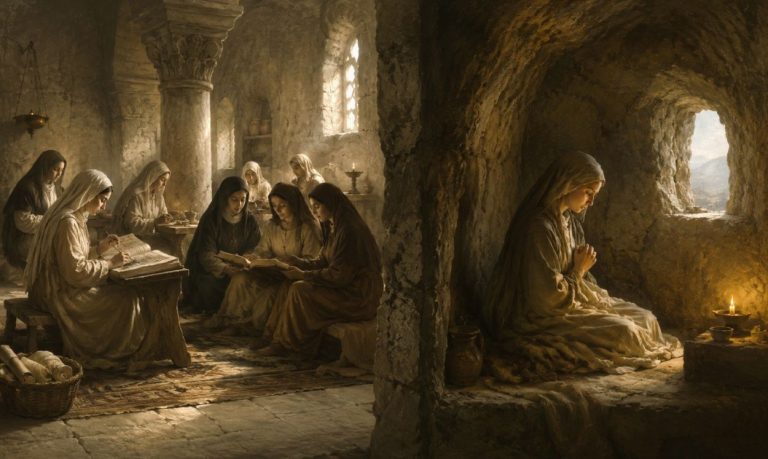
Female ascetics across Buddhist, Christian, and Hindu worlds used renunciation to transform gender, authority, solitude, and sacred...
History
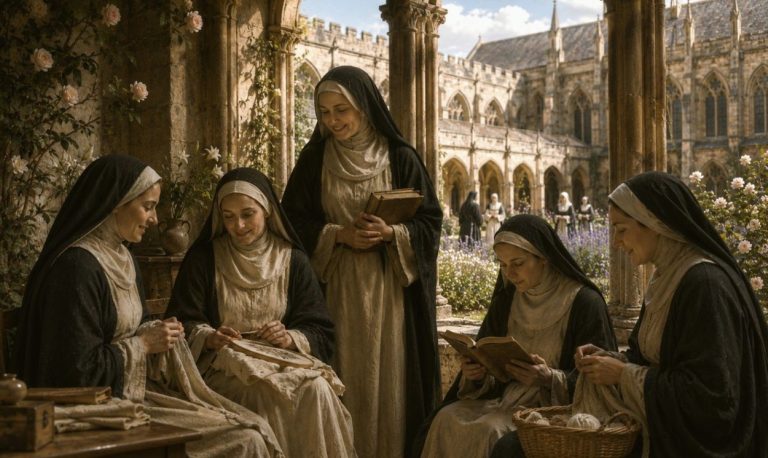
Syon Abbey’s medieval nuns built a disciplined religious community shaped by friendship, devotion, learning, shared labor, and...
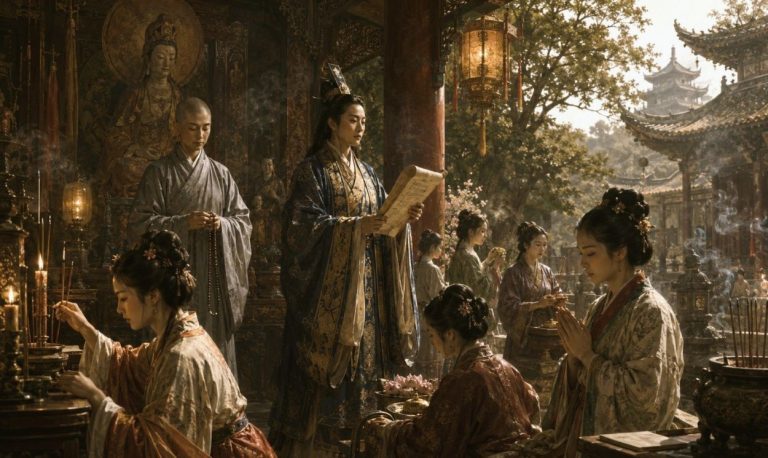
Women in China’s religious history navigated patriarchy through ritual, renunciation, goddess devotion, Christian service, and enduring forms...
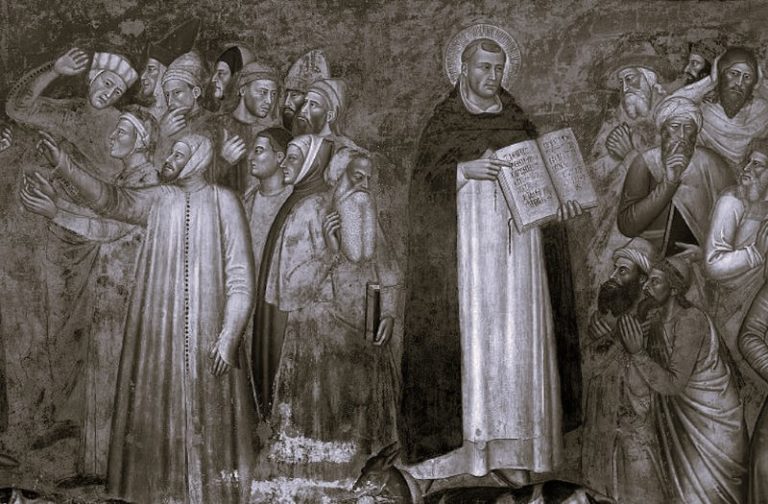
Thomas Aquinas sought true reality through faith, reason, metaphysics, and divine truth, shaping medieval debates about being,...
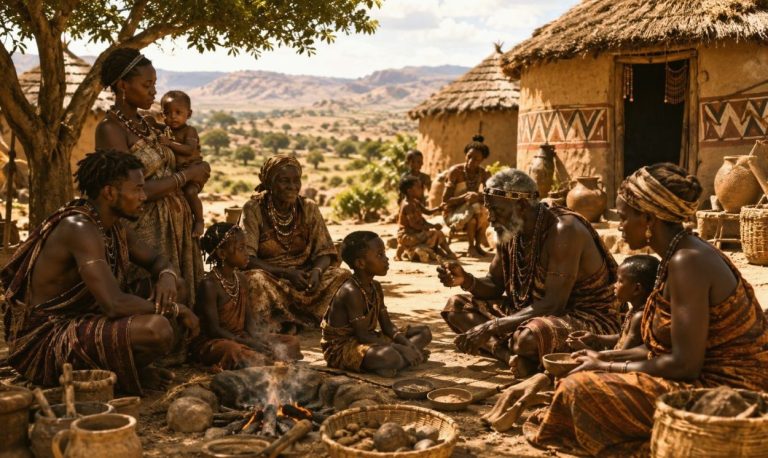
Across ancient and traditional African societies, parenting was communal, spiritual, and practical, forming children through kinship, labor,...
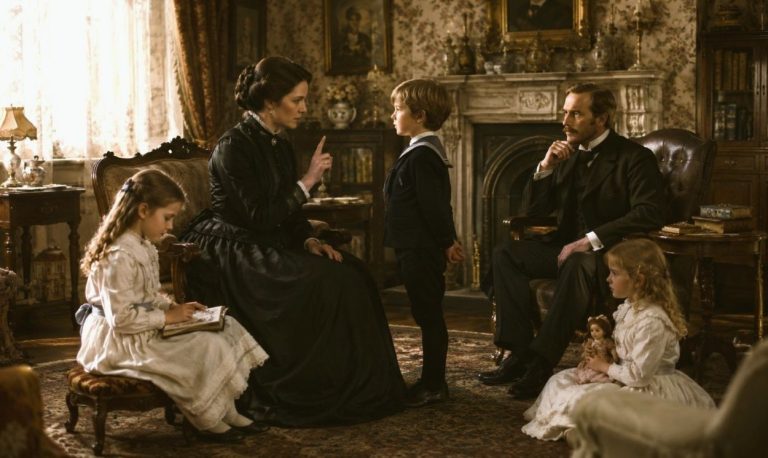
Victorian parenting made childhood a moral project, shaping children through discipline, innocence, class expectations, gender roles, schooling,...
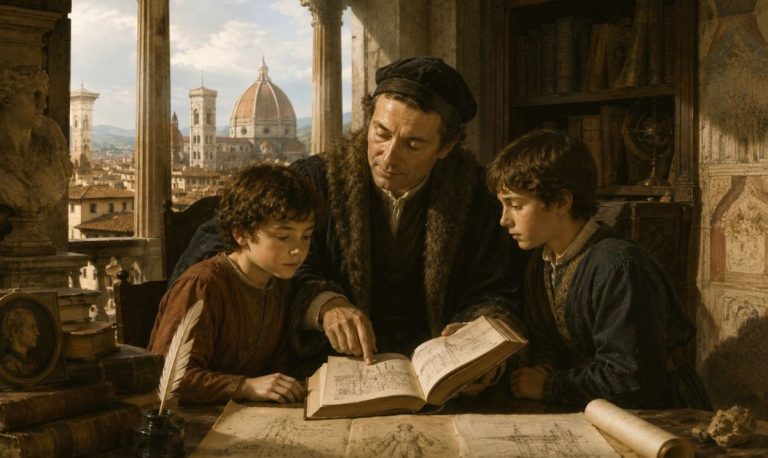
Leon Battista Alberti framed fatherhood as moral formation, household governance, education, and social discipline within late medieval...
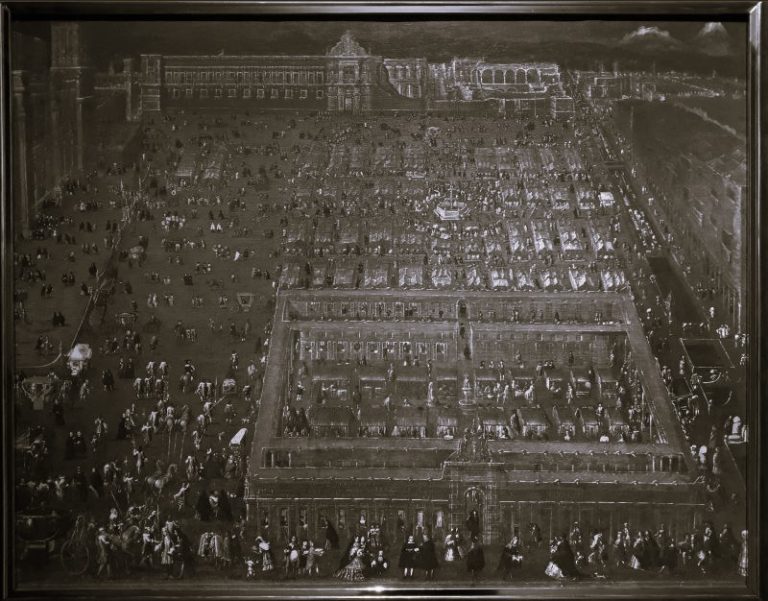
Talavera Poblana linked Mexican craftsmanship, colonial Puebla, global trade, artistic exchange, and early modern ceramic traditions across...
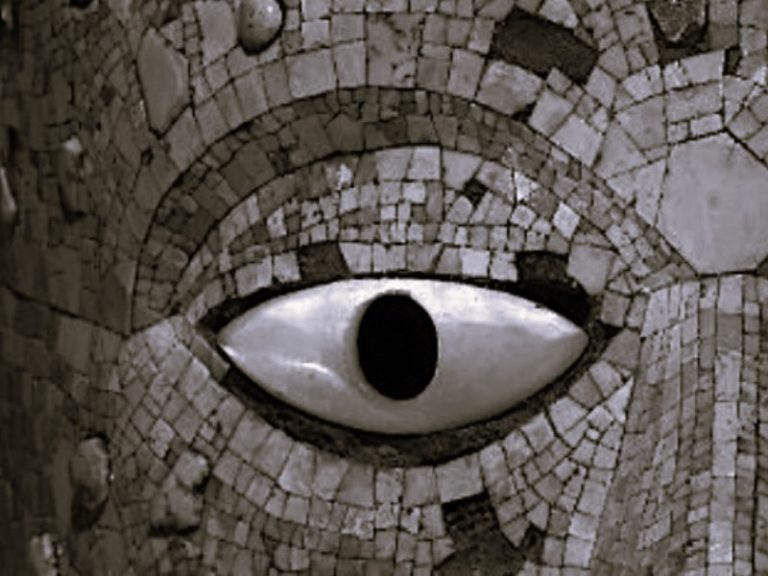
Turquoise linked sacred power, elite identity, trade, ritual art, and divine symbolism across ancient Mesoamerican societies. Introduction...
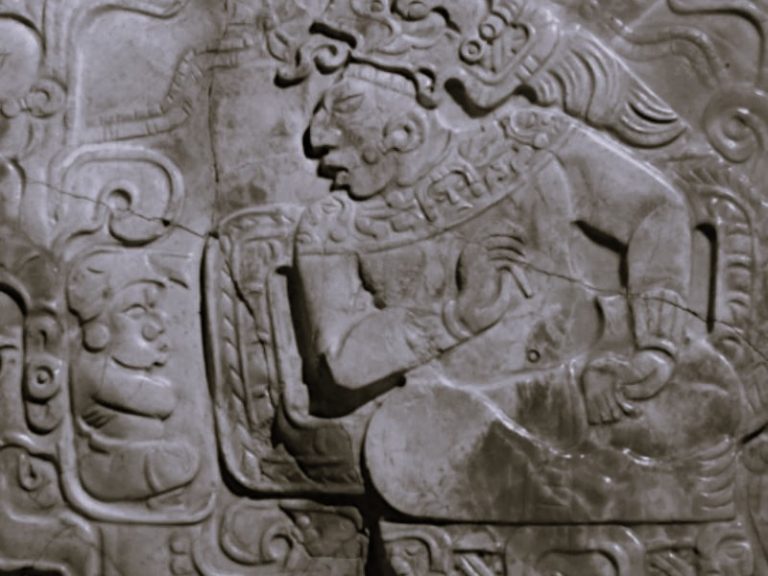
Jade carried sacred, political, and social meaning in ancient Mesoamerica, linking elite status, ritual power, trade, fertility,...
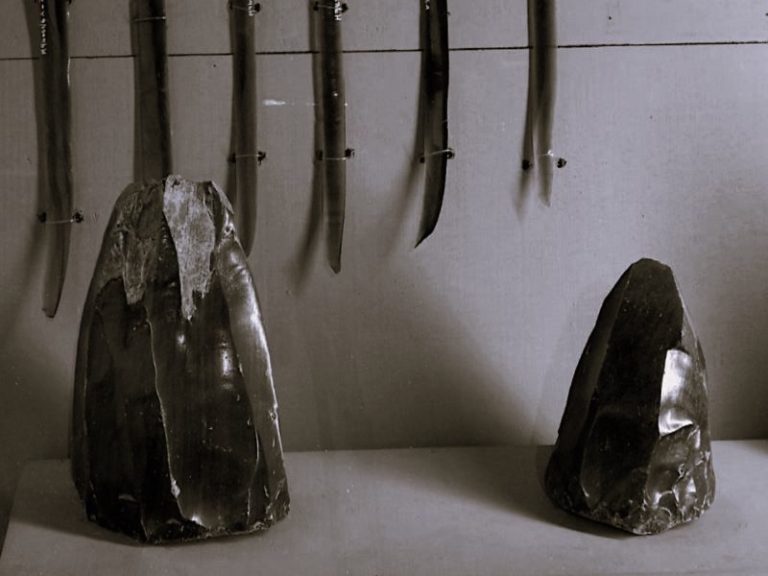
Obsidian shaped ancient Mesoamerican life through tools, trade, warfare, ritual sacrifice, elite display, and sacred meanings tied...
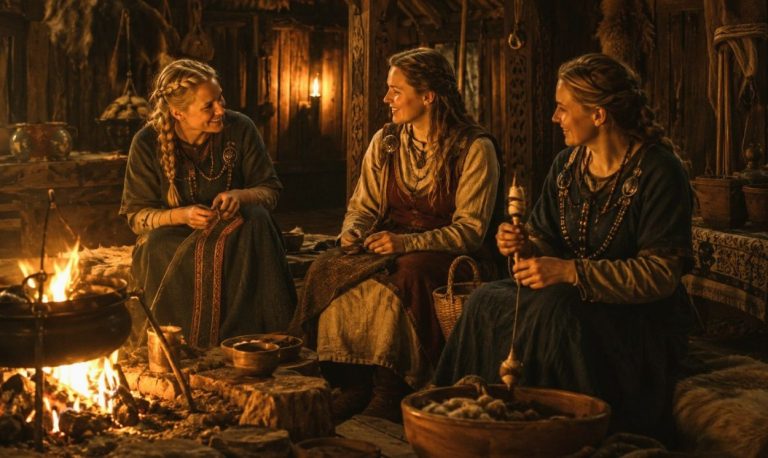
Female friendship in the Viking world was forged through household labor, kinship, childbirth, migration, memory, and the...
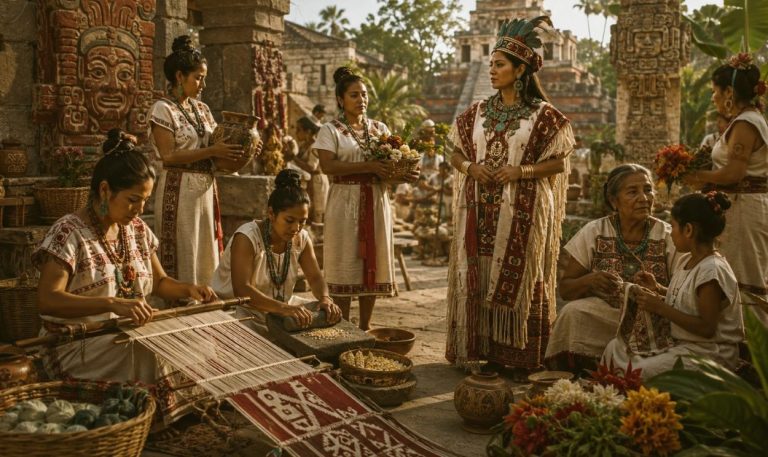
Women’s communities shaped Mesoamerican life through labor, ritual, healing, markets, kinship, and sacred memory across households, courts,...
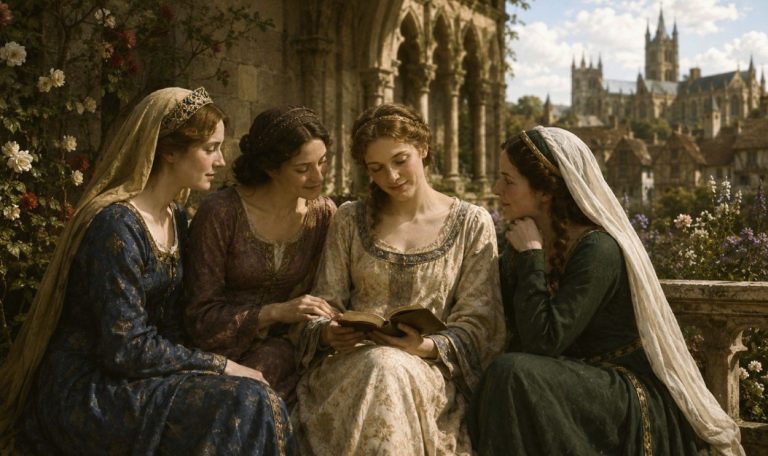
Chaucer’s women reveal medieval friendship as intimacy, counsel, loyalty, rivalry, and community, expanding female relationships beyond marriage...
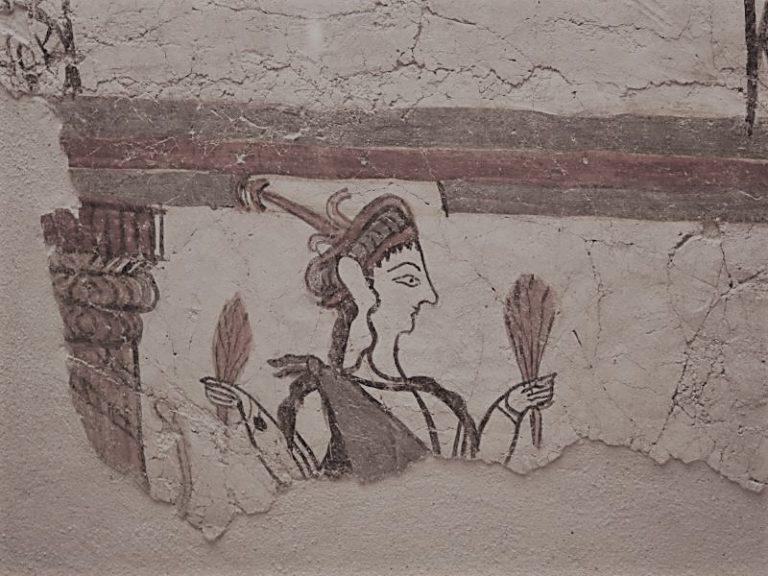
Mycenaean society shaped Bronze Age Greece through palace economies, warrior elites, regional kingdoms, trade networks, and religious...
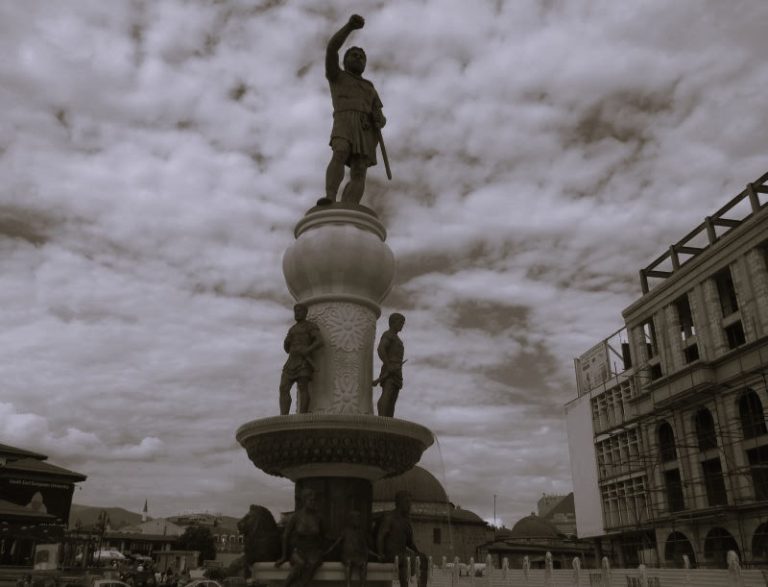
Philip II’s conquest of Illyria transformed Macedonia from a vulnerable kingdom into the dominant military power of...
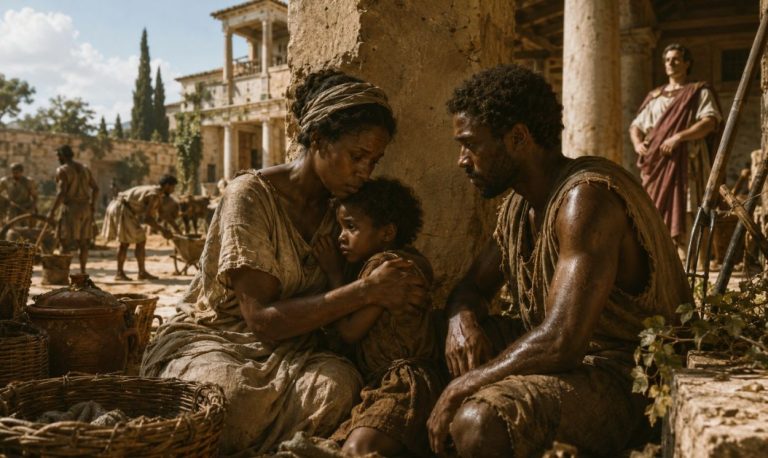
Ancient slavery did not erase family life among the enslaved; it made kinship conditional, fragile, and vulnerable...
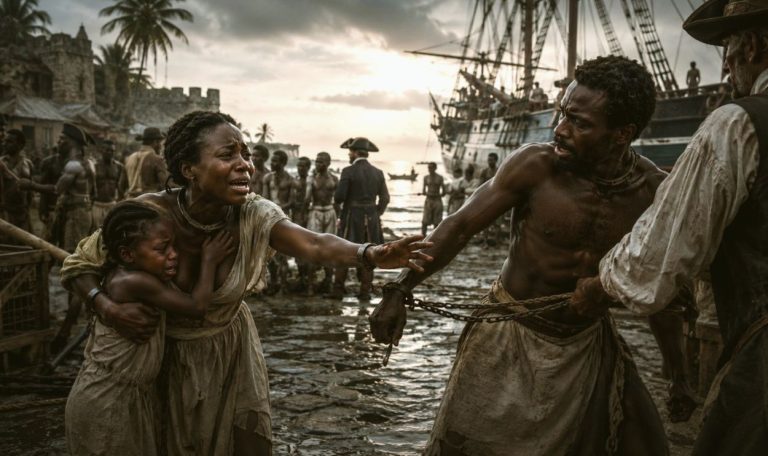
The transatlantic and domestic slave trades shattered enslaved families through capture, sale, forced migration, and law, yet...
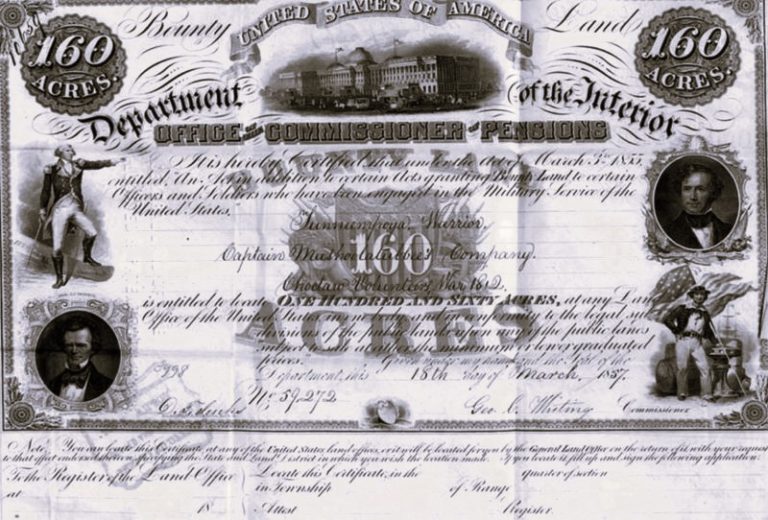
Native Americans served, resisted, negotiated, and fought within U.S. military history from the Revolution through the Mexican-American...
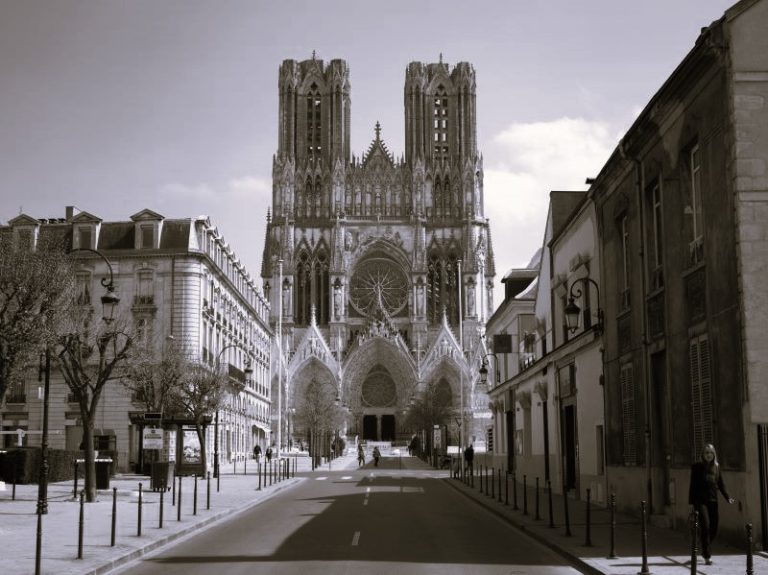
Early modern France reveals daily life shaped by work, family, faith, class, gender, food, authority, and the...
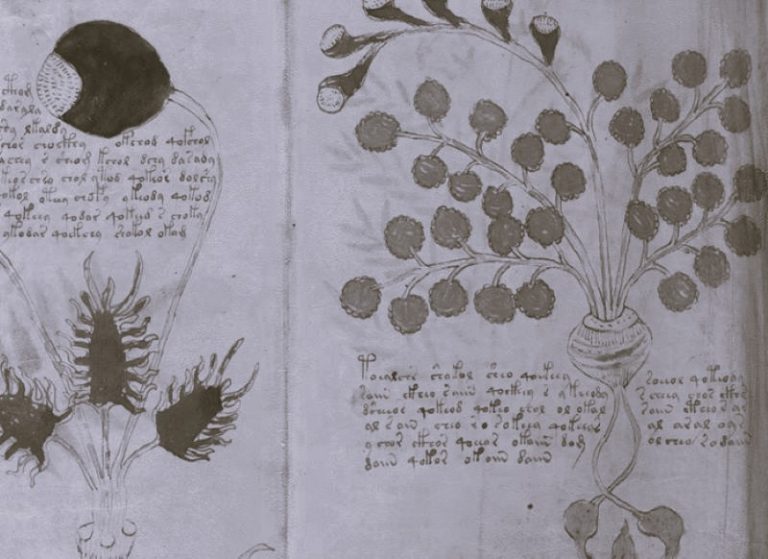
Statistical analysis offers new ways to examine the Voynich Manuscript, probing its mysterious script, patterns, structure, and...
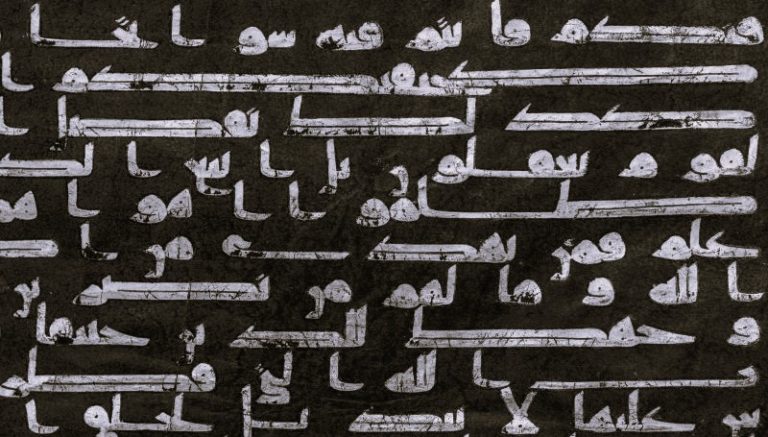
Qur’anic manuscripts helped shape Arabic scripts into sacred visual forms, transforming writing, readability, calligraphy, and Islamic textual...
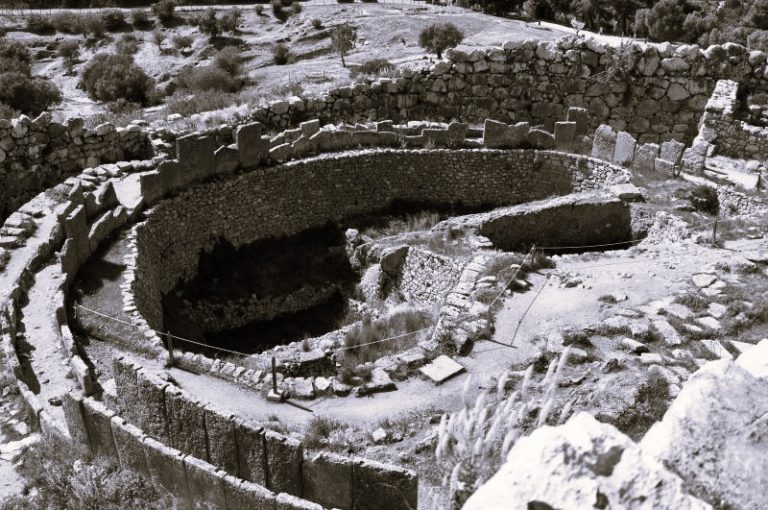
Before writing, cities, and states, prehistoric Greece reveals deep human adaptation, migration, ritual, settlement, and cultural transformation...

Americans have moved more than almost any other national population for at least 180 years. The patterns...

Ancient Rome’s idea of family shifted across law, household authority, marriage, adoption, inheritance, and social practice, resisting...
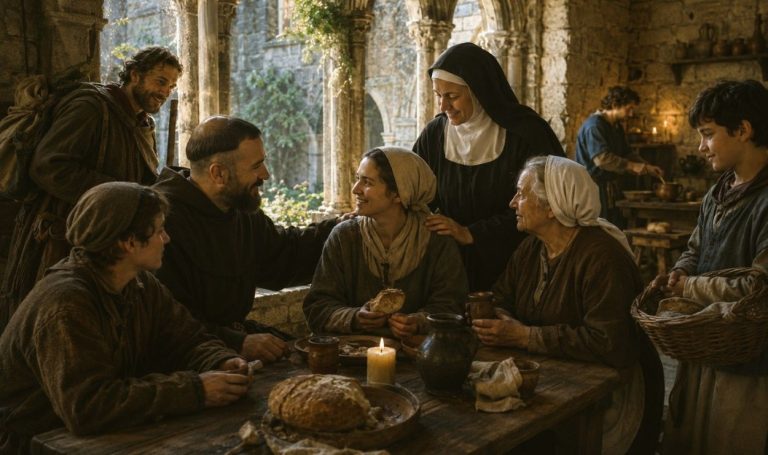
Medieval society prized bloodline, inheritance, and lineage, but people also made family through baptism, fosterage, households, vows,...
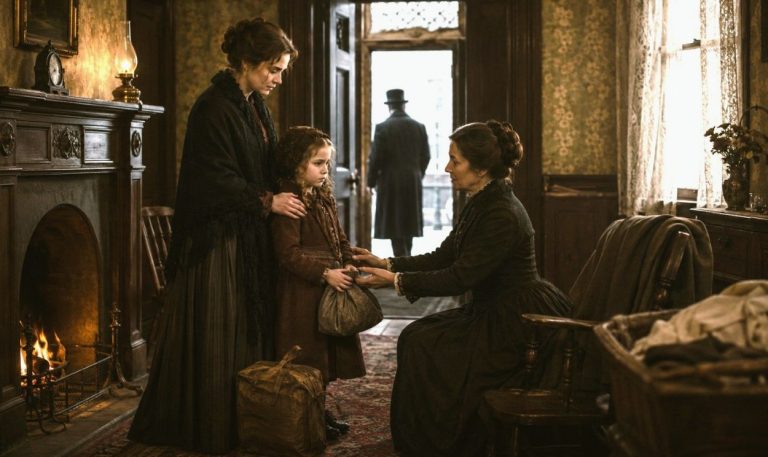
Before modern adoption law, Victorian children moved through kinship, charity, workhouses, secrecy, labor, and rescue, exposing family’s...
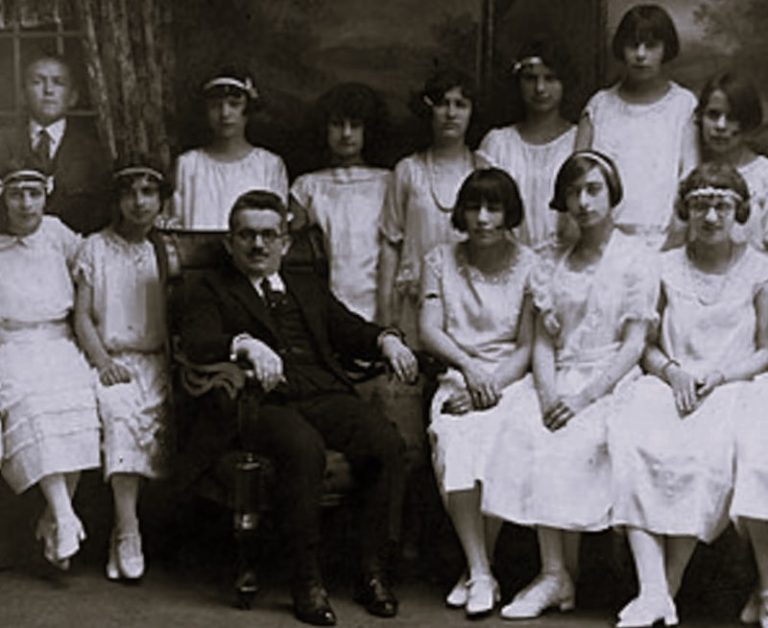
Shavuot became a festival of Torah, learning, and renewal, where children’s participation helped transform sacred memory into...
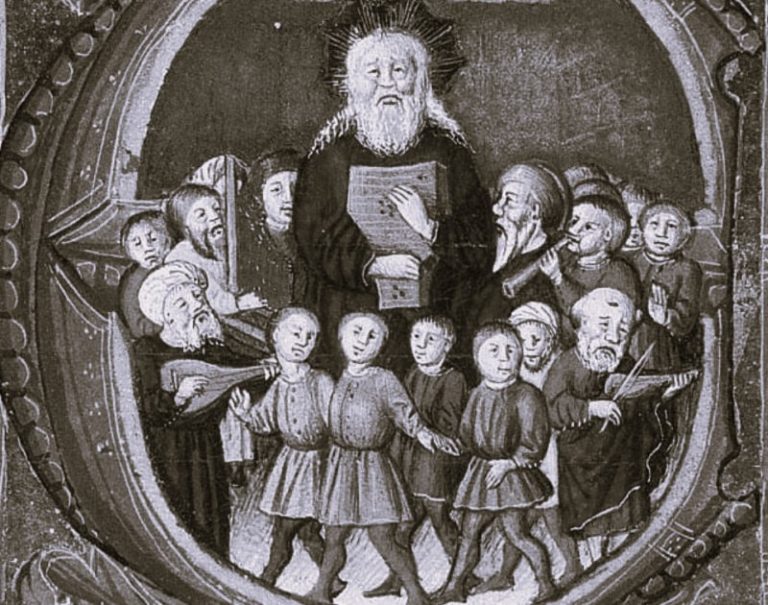
Medieval child martyr legends reveal how anti-Judaism transformed social anxiety, religious change, and communal fear into dangerous...

The myth that Hebrew slaves built the pyramids fused Exodus, Herodotus, medieval legend, and Hollywood into one...